If you have ever seen a toddler hear music and instantly start wiggling like they are headlining their own tiny concert, you already know children and movement go hand in hand. That is why many parents ask us whether belly dance for toddlers is actually safe, helpful, or just another adorable activity that looks cute on camera but leaves you wondering what it is really doing for your child. At Apple Tree Preschool BSD, located in the Educenter BSD Building, we love seeing how joyful movement helps children grow in confidence, coordination, and body awareness, especially when it is introduced in a playful, age appropriate way.
We get why this question comes up. Belly dance has graceful hip movements, rhythm, posture work, and expressive arm patterns, so naturally some parents wonder whether it is too advanced for very young children. The short answer is yes, belly dance for toddlers can be safe when it is taught as gentle creative movement, not as a strict performance routine.
The real magic is not about perfect technique. It is about giving your child a fun way to move, listen, explore, and enjoy being in their body. And honestly, when toddlers are involved, “structured movement” often looks like one part dance, one part imagination, and one part someone suddenly lying on the floor for no obvious reason.
Belly dance for toddlers, is it really safe?
Yes, in the right setting, belly dance for toddlers can be a safe and positive activity. The key is making sure the movement is simple, supervised, and designed for early childhood, not copied from adult classes. Toddlers do best when dance is treated as creative play with music, not as a lesson packed with pressure and correction.
At this age, children are still developing balance, muscle control, and attention span. That means safe belly dance activities should focus on gentle swaying, arm movements, stepping, rhythm, and playful imitation. We want children to enjoy moving, not feel like they are training for a professional stage debut before snack time.
What makes belly dance toddler friendly
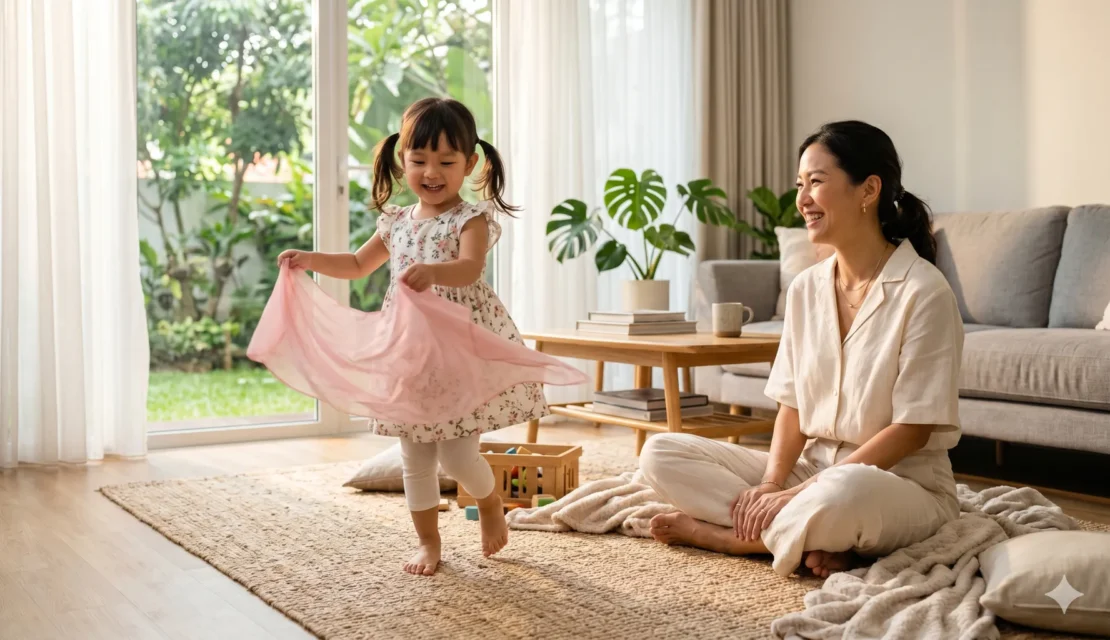
When people hear belly dance, they sometimes picture complicated choreography and dramatic costumes. For toddlers, it should be much simpler. Think movement games, scarves, soft music, and short sessions that keep things light and fun.
A toddler friendly class or activity usually includes:
- simple side to side sways
- gentle arm waves and circle movements
- easy stepping patterns
- music and rhythm games
- short sessions with breaks
- lots of encouragement and no pressure
If it feels like play, that is usually a good sign. If it feels too intense, too technical, or too long, it is probably not the right fit for a toddler.
When belly dance for toddlers may not be appropriate
Even though belly dance for toddlers can be safe, there are a few times when you may want to pause or check with a professional. If your child has a recent injury, balance concerns, or specific medical needs, it is wise to ask your pediatrician first. Safety always comes before cuteness, even when the tiny jingly scarf is objectively very charming.
You also want to avoid classes that expect toddlers to repeat fast or forceful movements over and over. At this age, children need variety, freedom, and rest. Their bodies are growing, and their attention spans are famously loyal to absolutely nothing.
Health benefits of belly dance for toddlers
When introduced properly, belly dance for toddlers can support several areas of development. It is not just about dancing around the living room in sparkly colors, although we fully support that too. Movement activities like this can help children build important physical and emotional skills while having a great time.
Better coordination and balance
Toddlers are still learning how their bodies move through space. Gentle dance helps them practice shifting weight, stepping, reaching, and staying balanced. Those small skills matter a lot because they support everyday movement, from climbing stairs to joining active play with friends.
Belly dance inspired movement can be especially helpful because it encourages body isolation in a playful way. Your child may not know that term, of course. They just know they are trying to wiggle their shoulders and somehow their entire body joins the party.
Stronger body awareness
One lovely benefit of belly dance for toddlers is body awareness. Children begin to notice where their arms, feet, hips, and hands are as they move with music. That kind of awareness supports physical confidence and helps children feel more comfortable trying new activities.
We often see that when children feel in control of their movement, they become more willing to participate in group games and classroom routines. It may start with a sway and a clap, then suddenly they are marching proudly into circle time like they own the place.
Emotional expression and confidence
Dance gives toddlers a safe outlet for expression. Some children talk constantly, some observe quietly, and some communicate best through movement. Belly dance style activities can help children express joy, silliness, curiosity, and confidence without needing perfect words.
This matters more than many people realize. When your child feels free to move and be seen in a positive environment, they often become more confident in other parts of life too. We have seen shy children light up the moment music starts, which is always a bit magical to watch.
Listening skills and focus
Music based movement activities also support listening and attention. Toddlers learn to pause, start, copy, and respond to cues. These are early self regulation skills, and they are useful far beyond dance class.
Of course, toddler focus is still very much a work in progress. One moment they are following the beat beautifully, the next they are fascinated by a speck on the floor. That is normal, and honestly, it keeps us humble.
Tips for introducing belly dance for toddlers at home or in class
If you are interested in trying belly dance for toddlers, the best approach is to keep it simple and joyful. You do not need a formal studio setup or a dramatic playlist worthy of a grand finale. You just need a safe space, the right expectations, and a willingness to laugh a little.
Keep sessions short and playful
Toddlers usually do best with activities that last around 10 to 20 minutes. Short sessions help them stay engaged without getting overtired or frustrated. A little goes a long way, especially when movement is new.
Try turning it into a game. Pretend you are floating like butterflies, swaying like palm trees, or waving scarves like colorful clouds. Imagination helps toddlers stay interested and takes the pressure off doing things “correctly.”
Choose safe movements and soft surfaces
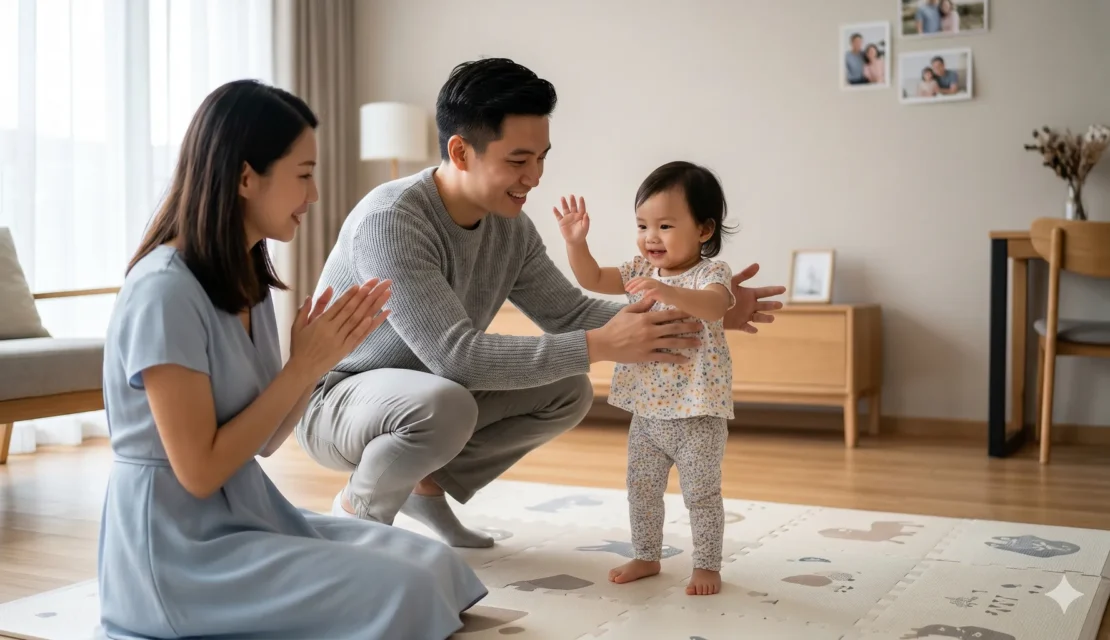
Make sure your child has room to move without bumping into furniture or slipping. Bare feet or secure non slip socks are usually better than loose shoes indoors. Gentle movement on a flat, safe surface works best.
Avoid pushing big twists, sharp motions, or repetitive drills. Belly dance for toddlers should support natural movement, not strain it. If your child looks tired, distracted, or done, that is your cue to wrap it up and move on to water, cuddles, or both.
Follow your child’s lead
Not every child will love every activity, and that is okay. Some toddlers will jump right in, while others need time to watch first. We always encourage parents to let children warm up at their own pace.
You can invite, model, and encourage, but try not to force participation. The goal is positive association. If your child ends up doing two sways, one clap, and then wandering off to inspect a toy car, we would still call that a very toddler outcome.
Why movement based learning matters in early childhood
At preschool age, children learn best when their minds and bodies work together. That is one reason movement is such a valuable part of early education. Activities like music, dance, and creative play help children build confidence, coordination, communication, and social skills all at once.
At our programs, we believe learning should feel active, meaningful, and joyful. Children thrive when they can sing, move, explore, and express themselves in a warm environment that supports both structure and fun. We see every day that movement is not just extra. It is part of how young children make sense of the world.
A gentle, joyful way to support your toddler’s growth
So, is belly dance for toddlers safe? Yes, when it is introduced in a gentle, age appropriate, playful way, it can be a lovely activity that supports coordination, confidence, body awareness, and joyful expression. The goal is not perfect technique. The goal is to help your child move, explore, and have fun in a safe and encouraging space.
If you are looking for a preschool that understands how young children grow through movement, music, play, and meaningful learning, we would love to welcome you. Chat with us on WhatsApp or call us at +62 888-1800-900 to learn more about Apple Tree Preschool BSD. Register now and come play and learn with other children.



Be the first to write a comment.