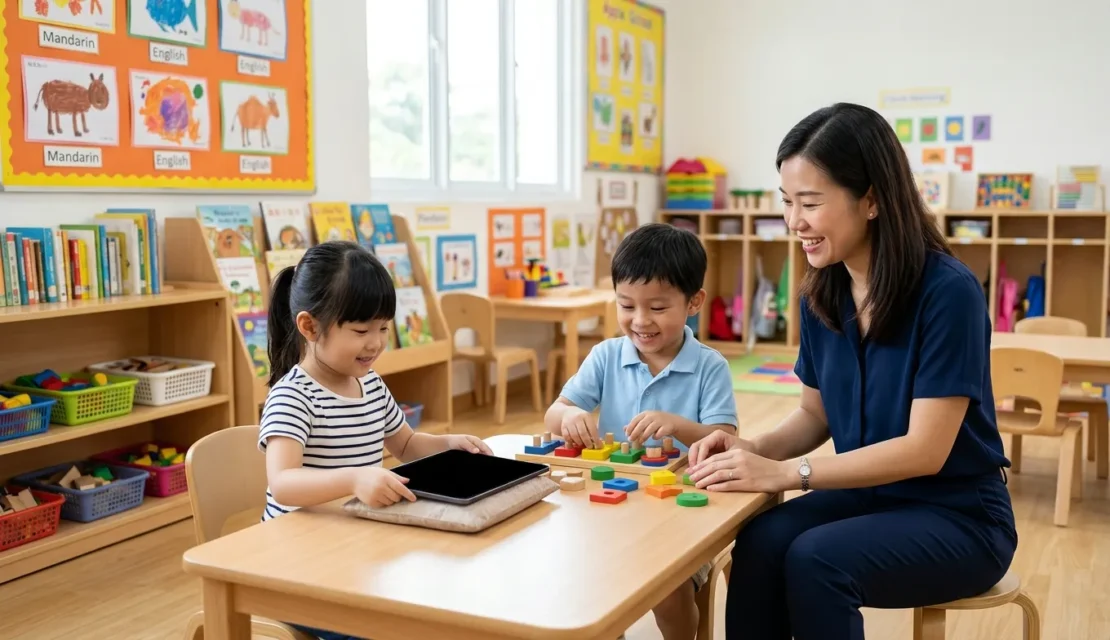
If you have ever watched your child sit a little too close to a screen and thought, “Hmm, that cannot be great for their eyes,” you are not overthinking it. Blue light radiation has become a real concern for many parents, especially now that screens show up everywhere, from cartoons and learning apps to video calls with grandparents who somehow still hold the phone under their chin. At Apple Tree Pre-School BSD, located in Educenter BSD Building, we often talk with parents who want a healthier balance between technology and early childhood development, without making family life feel like one long argument about tablets.
The truth is, screens are part of modern life, and we are not here to pretend otherwise. Most of us have used a screen to buy groceries, answer work messages, distract a child for ten minutes while cooking, or simply enjoy a quiet cup of coffee before it turns cold. The goal is not to fear technology, but to understand how blue light radiation affects children and what you can do to protect their eyes in a practical, calm, and realistic way.
Blue Light Radiation and Why Parents Should Pay Attention
Blue light radiation is a type of visible light that comes from the sun, LED lights, and digital screens like tablets, phones, televisions, and laptops. During the day, some blue light is perfectly normal. The issue is that children are now exposed to more screen based blue light than ever before, often for long stretches and sometimes too close to their eyes.
Children’s eyes are still developing, which means healthy habits matter early. Blue light radiation may not be the only thing affecting eye comfort, but long screen use can contribute to tired eyes, dryness, less blinking, and trouble winding down before sleep. In other words, it is not just about eyesight, it is also about comfort, attention, and routine.
Why young children may be more sensitive to screen exposure
Preschool children do not usually stop and say, “Excuse me, I think my visual system needs a break.” They just keep staring until they get cranky, rub their eyes, or suddenly act like everyone in the room is deeply annoying. That is why we as adults need to notice the signs for them.
Young children can also become so focused on moving images that they blink less often. Less blinking means their eyes can dry out more quickly, especially in air conditioned rooms or during long periods of screen time. That combination can leave them looking tired and uncomfortable, even if they cannot explain what feels wrong.
Blue light radiation and sleep can be connected
One of the biggest concerns around blue light radiation is its effect on sleep. Exposure to bright screens in the evening can interfere with the body’s natural wind down process, making it harder for children to feel sleepy at the right time. Then bedtime becomes more dramatic than anyone was emotionally prepared for.
When children sleep poorly, everything else gets harder. Mood, focus, learning, and patience can all take a hit the next day. So even if the screen itself seems harmless in the moment, the ripple effect can show up later.
Signs Your Child May Need Better Screen Habits
You do not need to panic every time your child watches a cartoon. What helps more is noticing patterns. If your child uses screens regularly and you begin seeing repeated signs of discomfort, it may be time to make a few changes.
Here are some things to watch for:
- Frequent eye rubbing during or after screen time
- Complaints of tired eyes or headaches
- Sitting very close to the screen
- Blinking less than usual
- Trouble falling asleep after evening screen use
- Irritability after long digital activities
- Loss of interest in non screen play
None of these signs automatically mean serious harm, but they do suggest that your child may need healthier limits and better eye care habits.
How to Reduce Blue Light Radiation at Home
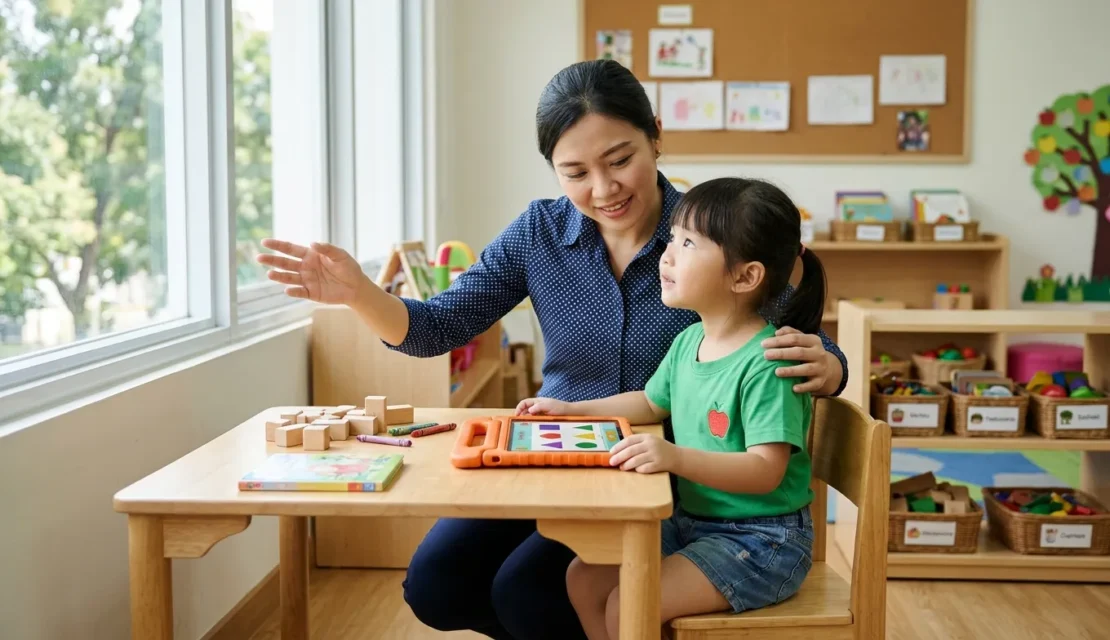
The good news is that protecting your child’s eyes does not require a dramatic lifestyle overhaul or a secret parenting degree. Small, consistent habits can make a big difference. We always encourage families to focus on realistic routines, because realistic routines are the ones you can actually stick to.
Limit screen time in a way that feels manageable
This is the most obvious tip, but it really does matter. Less screen time usually means less blue light radiation exposure, less eye strain, and fewer bedtime battles. That does not mean screens need to disappear completely, but they should not become the default activity all day long.
A few simple ideas can help:
- Keep screen sessions short
- Build in movement breaks
- Avoid screens during meals
- Turn off devices well before bedtime
- Balance digital time with outdoor play, reading, and hands on activities
Children usually respond better when routines are clear and predictable. If the rules change every day, they tend to push harder, and honestly, who can blame them.
Use child friendly device settings
Many devices now include night mode, warm display settings, or blue light filters. These settings can reduce the intensity of blue toned light, especially in the evening. They are not magic, but they can help make screens gentler on the eyes.
You can also lower brightness to match the room. A screen that is too bright in a dim space can feel harsh very quickly. We like to think of it this way, if the screen looks like it is trying to outshine the sun at 8 p.m., it may be time to tone it down.
Make distance and posture part of the routine
Children have a special talent for drifting closer and closer to a screen without noticing. One minute they are sitting properly, and the next minute their nose is practically negotiating with the tablet. Teaching a comfortable viewing distance can help reduce strain.
Try encouraging your child to:
- Sit up straight
- Hold screens at a reasonable distance
- Use screens on a table when possible
- Avoid lying down with a device right in front of the face
These habits may seem small, but over time they support better comfort and better screen use.
Everyday Habits That Support Healthy Eyes
Protecting children from blue light radiation is not only about what happens on a screen. It is also about everything around it. Healthy eyes benefit from healthy routines, and that is where parents have a lot of influence.
Encourage outdoor play and natural breaks
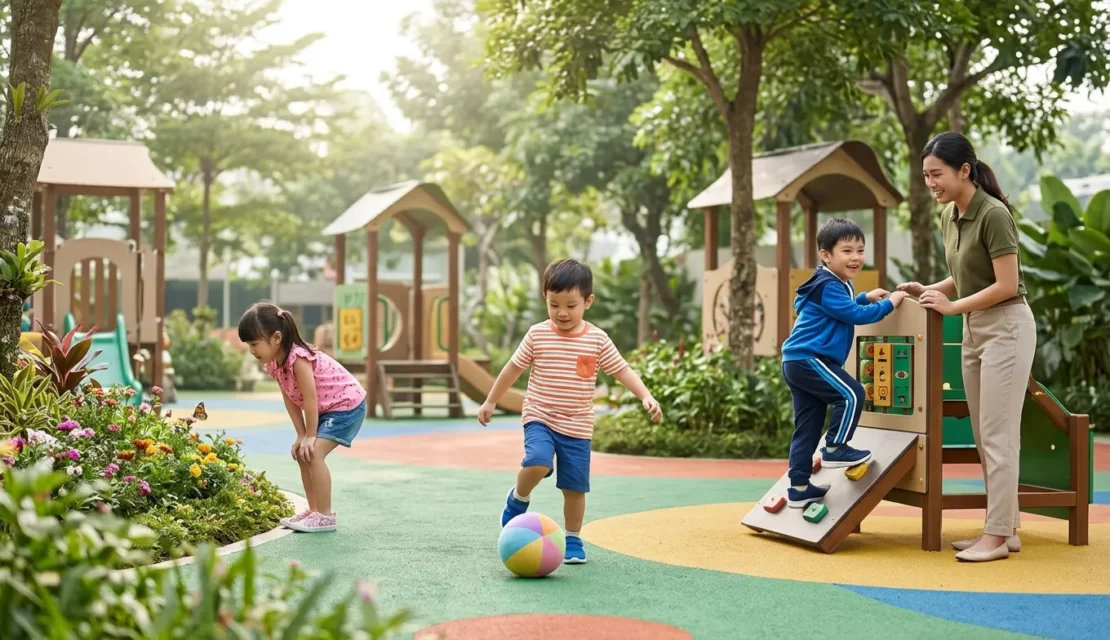
Outdoor time gives children a break from close up visual focus and invites them to use their eyes in different ways. Looking at trees, people, open spaces, and moving objects at different distances can be refreshing. It also helps that outdoor play usually comes with fresh air, movement, and less chance of arguing over whose turn it is to skip the ad.
At Apple Tree, we strongly believe children need active, real world experiences every day. Play, movement, social interaction, and hands on exploration are not extra things, they are essential parts of healthy development.
Teach the habit of taking short breaks
Children do not naturally pause and say, “I should probably rest my eyes now.” That habit needs to be taught gently and repeated often. A simple break every so often can help relax the eyes and reset attention.
You can make it playful by asking your child to:
- Look out the window
- Find something far away
- Stand up and stretch
- Blink a few times like a butterfly
- Get a drink of water before returning
The more fun the routine feels, the easier it is to keep going.
Make reading, art, and conversation part of daily life
One of the best ways to reduce excess screen exposure is to make non screen activities feel appealing. Storybooks, coloring, building blocks, pretend play, music, and simple conversations all support learning without constant digital stimulation. Children do not always need more entertainment, sometimes they just need a better invitation.
That is one reason many families explore our programs, where children can learn through play, discovery, language, creativity, and meaningful interaction. A balanced routine supports not only eye health, but also emotional, social, and cognitive growth.
Healthy Eyes, Happy Learners
Blue light radiation is worth paying attention to, but it does not need to become a source of panic. When you reduce unnecessary screen exposure, adjust device settings, support healthy sleep routines, and fill your child’s day with active, engaging experiences, you are already doing a lot to protect their eyes and overall wellbeing. Small changes at home can go a long way, especially when they are consistent.
If you are looking for a nurturing preschool where children can grow smart and happy through balanced, joyful learning, we would love to welcome you to Apple Tree Pre-School BSD. You can Chat with us on WhatsApp or call us at +62 888-1800-900 to learn more. Come play and learn with other children in a warm environment that supports healthy habits from the very start.



Be the first to write a comment.