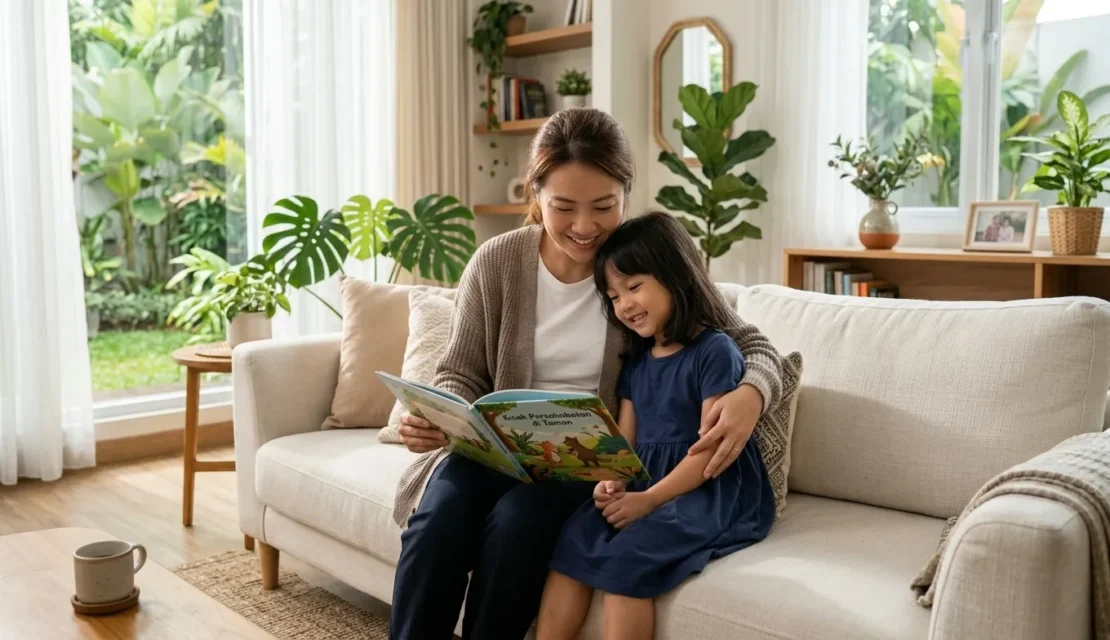
If you have ever whispered to yourself, “I am trying so hard to stay calm right now,” while your child melts down because their banana broke in half, you are very much not alone. At Apple Tree Preschool BSD in the Educenter BSD Building, we talk with families all the time about Gentle parenting pros and cons, because modern parenting often feels like a strange mix of deep love, good intentions, online advice, and sheer survival. Millennial parents especially are trying to raise emotionally healthy children while also unlearning old habits, managing work, and answering big parenting questions on very little sleep.
That is why gentle parenting gets so much attention. It promises connection, respect, and calmer family relationships, which sounds lovely because honestly, who would not want more of that. But it also comes with real challenges, and pretending otherwise does not help anyone.
Gentle Parenting Pros and Cons in Real Family Life
At its core, gentle parenting focuses on empathy, respect, emotional coaching, and age appropriate boundaries. It encourages you to understand what is happening underneath your child’s behaviour, rather than reacting only to the behaviour itself. That sounds simple on paper. In real life, it often happens while someone is crying, someone else is late, and one shoe has mysteriously vanished.
That is exactly why it helps to talk honestly about Gentle parenting pros and cons. Not the polished version you see online, but the real version that families actually live.
What gentle parenting is really trying to do
Gentle parenting is not about letting children do whatever they want. It is also not about being endlessly soft, permissive, or afraid to say no. The goal is to lead with warmth and firmness together.
In practice, that means you validate feelings, set boundaries clearly, and guide behaviour without humiliation or fear. You might say, “I know you are angry, but I will not let you hit.” That is respectful, but it is still a boundary.
Why millennial parents connect with it so strongly
Many millennial parents grew up in households where obedience mattered more than emotional understanding. So when they become parents themselves, they often want something different. They want children who feel heard, safe, and connected.
That is one reason the conversation around Gentle parenting pros and cons feels so personal. It is not just about parenting style. It is often about healing family patterns and choosing a different emotional tone at home.

The Benefits Side of Gentle Parenting
There is a reason so many families are drawn to this approach. When done thoughtfully, gentle parenting can create a home environment that feels calmer, more respectful, and more emotionally secure.
It helps children understand emotions better
One of the biggest advantages in the Gentle parenting pros and cons conversation is emotional literacy. Children learn that feelings are not scary, shameful, or wrong. They learn to name emotions, express them, and recover from them.
This matters a great deal in early childhood. A child who can eventually say, “I am frustrated,” instead of just exploding into tears is building a skill that will help in friendships, learning, and self control later on.
It strengthens parent child connection
Children tend to cooperate more when they feel connected and understood. That does not mean they become magically agreeable little angels who always put on shoes the first time you ask. Let us stay realistic. But it does mean the relationship becomes a safer place for guidance.
This is one of the strongest points in favour of gentle parenting. Connection becomes the foundation, not fear. Over time, that helps children trust you more deeply.
It reduces shame based discipline
Many parents appreciate that gentle parenting avoids harsh punishment, yelling, and embarrassment. Instead of focusing on making a child feel bad, it focuses on helping a child do better.
That shift can be powerful. In the long run, children often learn more from calm correction and clear consequences than from fear or humiliation. And parents usually feel better about themselves afterward too.
The Challenges Side of Gentle Parenting
Now for the honest part. Gentle parenting can be beautiful, but it can also be tiring, confusing, and sometimes misunderstood. This is where the full picture of Gentle parenting pros and cons really matters.
It requires a lot of patience from parents
Gentle parenting asks you to stay calm in moments that are not calm at all. That is hard. It is especially hard when you are stressed, overstimulated, late for work, or running on coffee and optimism.
This is probably the biggest challenge millennial parents mention. The method may be gentle, but the effort is not always gentle on the parent. Emotional regulation is exhausting work when you are doing it for yourself and modelling it for your child at the same time.
It can be confused with permissive parenting
This happens often. Some parents hear “gentle” and assume it means endless negotiation, no consequences, and very loose boundaries. That is where problems usually begin.
A child still needs structure. A child still needs clear rules. One of the more important truths in the Gentle parenting pros and cons discussion is that gentle parenting without firm limits can become permissive parenting very quickly.
It may feel inconsistent without support
Many parents want to use this style, but struggle to apply it consistently. One day you are calmly validating feelings like a parenting book come to life. The next day you are saying, “Please just put the cup down,” for the twelfth time in a voice that is no longer especially gentle.
That inconsistency does not mean you are failing. It means you are human. Still, it does show that gentle parenting works best when parents have support, realistic expectations, and routines that make family life more manageable.
How to Make Gentle Parenting More Practical
The good news is that you do not have to do this perfectly to do it well. In fact, trying to be a perfect gentle parent usually creates more stress than growth. A better goal is steady, realistic progress.
Keep empathy and boundaries together
This is the heart of making gentle parenting work. You can be warm and firm at the same time. You can comfort without giving in, and correct without shaming.
Simple examples help:
- “You are upset, and it is still time to leave”
- “I hear you, and I will not let you throw that”
- “You may be angry, but you may not hurt people”
That balance makes the best version of gentle parenting possible.
Use routines so everything is not a battle
Children cope better when life feels predictable. Morning routines, bedtime routines, mealtime routines, and transition cues reduce power struggles because the structure is doing some of the work for you.
This is where parents often feel real relief. Gentle parenting becomes much easier when you are not improvising boundaries all day long.
Repair after hard moments
No parent stays calm every time. What matters most is what happens after. If you lose your patience, you can come back, reconnect, and model accountability.
That may be one of the most underrated parts of the Gentle parenting pros and cons conversation. Children do not need perfect parents. They need parents who repair, reflect, and keep showing up with love.

Why the Right School Partnership Matters
Parenting styles do not exist in isolation. Children thrive most when home and school work together. At Apple Tree Preschool BSD, we believe children grow best when they experience warmth, structure, emotional safety, and consistent guidance across their daily environments.
That is why our approach supports not only academic readiness, but also social and emotional growth. Through caring routines, respectful communication, and age appropriate boundaries, we help children learn how to express themselves, cooperate with others, and feel secure. If you would like to explore how this looks in daily school life, you can visit our programs.
Finding Your Family’s Own Gentle Rhythm
When you look honestly at Gentle parenting pros and cons, the biggest takeaway is not that this style is perfect. It is that it can be deeply meaningful when it is balanced, realistic, and supported by clear boundaries. Gentle parenting can help children feel safe, respected, and emotionally understood, but it also asks a lot from parents, especially the millennial parents trying to do things differently while managing the very real pressures of modern life.
If you are looking for a preschool that understands both child development and the realities of family life, we would love to welcome you. Chat with us on WhatsApp or call us at +62 888-1800-900. Come play and learn with other children at Apple Tree Preschool BSD.





Be the first to write a comment.