If you have started noticing gadget addiction signs at home, you are definitely not imagining things. One minute your child is watching “just one more video,” and the next minute you are negotiating screen time like a tired diplomat before dinner. At Apple Tree Preschool BSD, located in Educenter BSD Building, we meet many parents who worry about the same thing, and we always remind you that this is a common challenge, not a parenting failure.
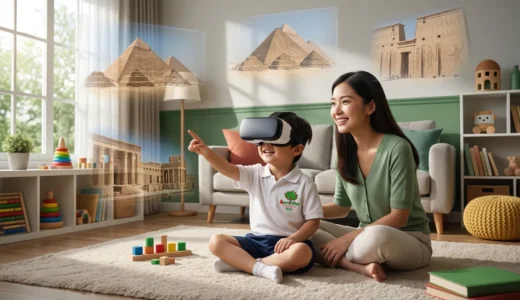
We live in a world where screens are everywhere, so it makes sense that children are drawn to them. Bright colors, fun sounds, instant entertainment, it is basically a tiny theme park that fits in your hand. The good news is that once you recognize the right gadget addiction signs, you can step in early and help your child build healthier habits without turning your home into a daily battle zone.
Gadget Addiction Signs Parents Should Watch For
Not every child who enjoys a tablet is addicted to it. We all love the convenience of a gadget when we need ten peaceful minutes to drink coffee while it is still hot. The concern starts when screen use begins to affect your child’s mood, sleep, learning, or ability to enjoy real life activities.
Here are some gadget addiction signs that deserve your attention:
- Your child gets very upset when screen time ends
- They ask for a gadget immediately after waking up
- They lose interest in toys, books, or outdoor play
- They struggle to focus on simple tasks without a screen
- They become moody, restless, or aggressive when the gadget is unavailable
- Their sleep schedule starts getting messy
- Family time feels harder because they are mentally “still on the screen”
When several of these signs happen regularly, it is worth taking a closer look. Children do not always have the self control to stop on their own, which is why they need us to be the calm, consistent grown ups in the room.
Emotional Reactions That Feel Bigger Than Usual
One of the clearest gadget addiction signs is an intense emotional reaction when the device is taken away. We are not just talking about a little grumbling. We mean crying, screaming, bargaining, collapsing dramatically onto the sofa like they have just lost their entire world.
This happens because gadgets can create a fast reward loop in a child’s brain. Everything is immediate, exciting, and stimulating, so ordinary life can suddenly feel slower and less interesting. That is why transitions away from screens often become surprisingly hard.
Screens Become the Favorite, Every Time
Another red flag is when your child starts choosing gadgets over everything else. If playground time, coloring, pretend play, or chatting with you all seem less appealing than staring at a screen, that is something to notice. Children are naturally curious, so when one activity begins to crowd out all the others, it usually means balance has slipped.
We often tell parents to ask a simple question, “Can my child still enjoy life without a gadget nearby?” If the answer is “not really,” you may already be seeing gadget addiction signs in everyday life.
Sleep and Behavior Start Going Sideways
Screens and sleep are not exactly best friends. Too much screen exposure, especially before bedtime, can make it harder for children to wind down and rest properly. Then the whole next day can feel off, because a tired child is usually more emotional, less cooperative, and much more likely to melt down over tiny things.
Sometimes parents think the behavior problem and the screen problem are separate. In reality, they often feed each other. A child who sleeps poorly may want more screen time, and a child who gets more screen time may sleep even worse. It is a loop, and not a very fun one.

Why Children Get So Attached to Gadgets
Children are not weak for loving screens. Gadgets are designed to be engaging, and children are especially sensitive to that kind of stimulation. Fast moving visuals, catchy sounds, colorful rewards, and endless novelty make them very hard to resist.
There is also the reality of modern parenting. Sometimes you need to cook, answer messages, survive traffic, or just breathe for a second. We get it. Many of us have handed over a phone at exactly the moment we swore we never would. Parenting can be humbling like that.
Gadgets Often Become an Emotional Shortcut
Many children begin using screens not just for fun, but for comfort. They reach for a gadget when they are bored, upset, anxious, or tired. Over time, they may stop practicing other skills like waiting, self soothing, or entertaining themselves creatively.
That is why gadget addiction signs are not only about time spent on a screen. They are also about what the screen is replacing. If the gadget becomes your child’s main way to calm down, that is worth addressing gently and consistently.
How to Handle Gadget Addiction Without Constant Fighting
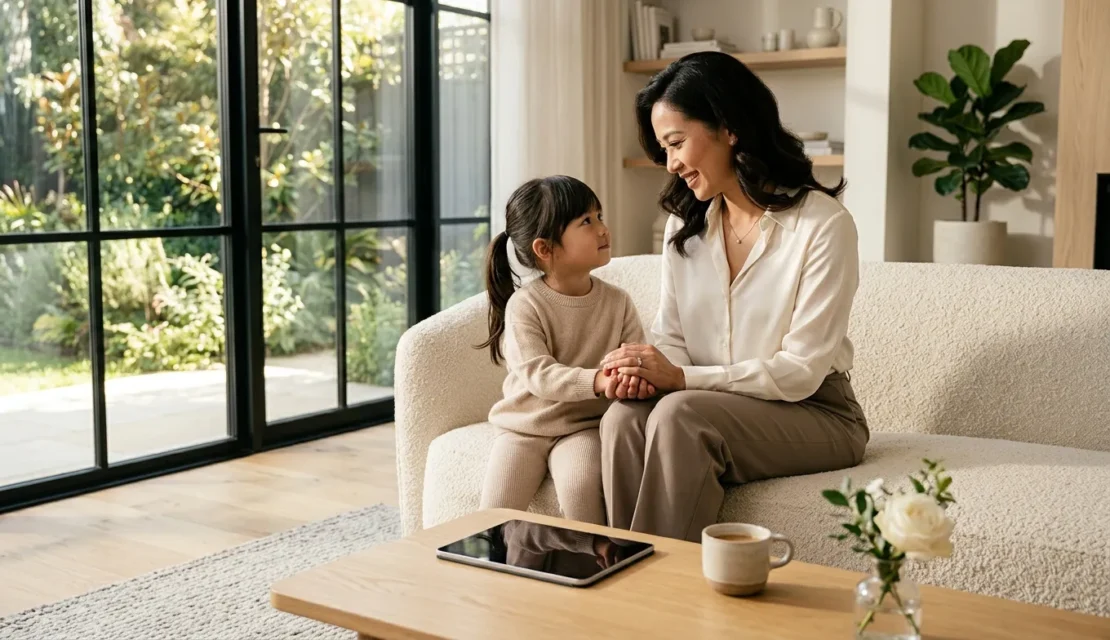
The goal is not to make gadgets feel forbidden and magical. The goal is to teach balance, limits, and self regulation in a way your child can actually understand. We have found that children respond best when parents stay warm, clear, and predictable.
Set Clear Rules Before Problems Start
Children do better when expectations are simple. Decide when gadgets can be used, where they can be used, and for how long. When the rule changes every day based on everyone’s mood, children get confused and push harder.
You can try rules like these:
- No gadgets during meals
- No screens one hour before bedtime
- Gadget time happens only after active play or reading
- Devices stay in shared family spaces, not in bed
The simpler the rule, the easier it is to follow through. Long explanations usually do not impress toddlers, and honestly, they barely impress preschoolers either.
Replace, Do Not Just Remove
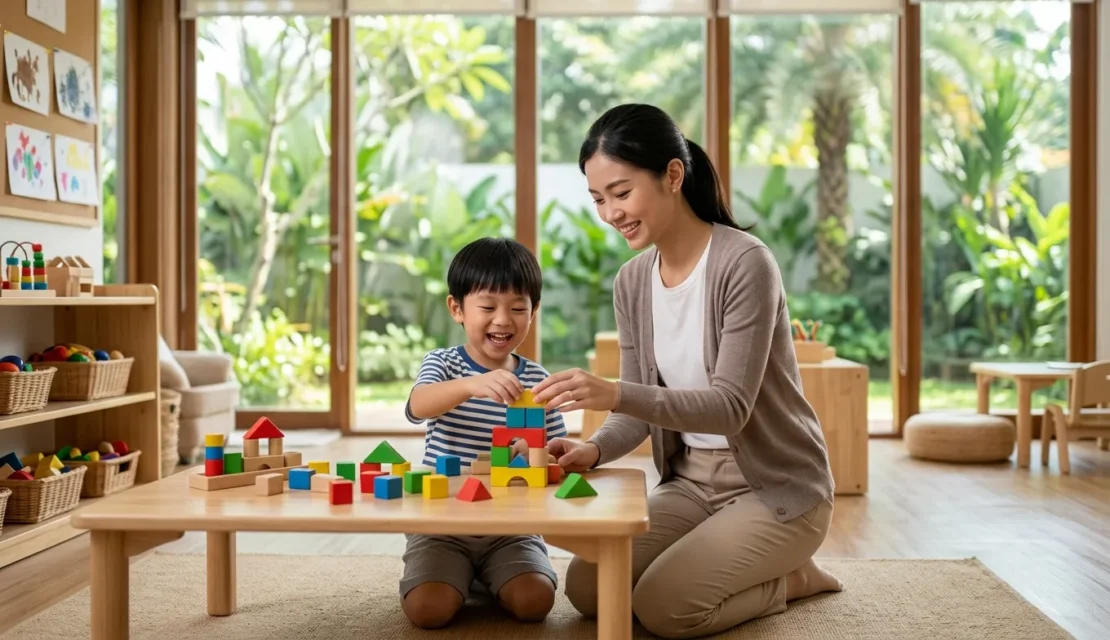
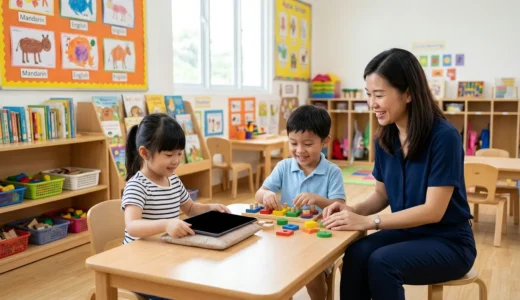
If you only take the gadget away without offering other engaging options, your child will focus on what they lost. It helps to make real life feel inviting again. Pull out puzzles, art supplies, water play, blocks, music, sensory bins, or simple outdoor games.
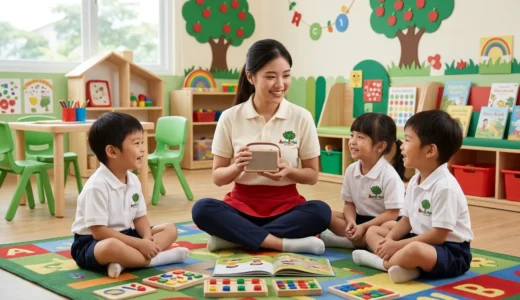
At our programs, we focus on hands on learning because children thrive when they can move, explore, create, and interact with others. A strong daily routine filled with meaningful activities makes screens less central and childhood more joyful.
Help Children Tolerate Boredom
This one is important, even if it makes all of us a little uncomfortable. Boredom is not an emergency. It is often the doorway to creativity, problem solving, and independent play.
When your child says, “I am bored,” you do not need to perform like a one person entertainment company. You can say, “That is okay, you will think of something.” It may feel awkward at first, but giving children space to work through that moment builds resilience.
Stay Calm During Pushback
If your child protests when gadget time ends, try not to match their intensity. Calm firmness works better than lectures, threats, or guilt. You can acknowledge the feeling while still holding the limit.
Try phrases like:
- “You really want more time, I know”
- “It is hard to stop when you are having fun”
- “Screen time is finished, now we are moving on”
You are not being harsh. You are helping your child practice emotional regulation, which is a skill they will need far beyond preschool.
Building Healthy Habits Early Matters
The earlier you respond to gadget addiction signs, the easier it is to guide your child back to balance. Young children are still forming habits, routines, and expectations, which means positive changes can happen surprisingly fast when parents stay consistent. It does not have to be perfect to be effective.
At Apple Tree, we believe children grow best when learning is active, relationships are warm, and routines feel secure. A child who is engaged in conversation, movement, discovery, and play is far less likely to depend heavily on a screen for stimulation.
A Gentler Way Forward Starts Here
Gadget addiction signs can feel worrying, but they are also a chance to reset and reconnect. When you notice the signs early, set healthy limits, and fill your child’s day with meaningful experiences, you give them something much better than endless screen time, real opportunities to grow, play, and feel connected.
If you are looking for a nurturing place where children can learn through fun, structure, and active exploration, we would love to welcome you to Apple Tree Preschool BSD. You can Chat with us on WhatsApp or call us at +62 888-1800-900 to learn more about our classes and find the right fit for your little one.


Be the first to write a comment.