


It is a strange and slightly unfair part of modern parenting that while we are still reminding children to wear their shoes properly, we also have to think about digital safety. Cyberbullying prevention is now one of those topics that many parents cannot afford to ignore, especially as children are exposed to devices and online interactions earlier than ever. At Apple Tree Pre-School BSD, located in the Educenter BSD Building, we often speak with families about building not only academic readiness, but also emotional security, confidence, and healthy habits that protect children both offline and online.
The tricky part is that cyberbullying does not always show up with obvious warning bells. A child may not come to you and say, “Mother, I am experiencing a digital social problem.” If only it were that simple. More often, the signs appear quietly through mood changes, withdrawal, irritability, or sudden fear around devices, and that is why early awareness matters so much.
Cyberbullying Prevention Starts With Knowing What To Look For
Many parents picture cyberbullying as something that only affects teenagers. In reality, younger children can also be exposed to unkind messages, exclusion in group chats, teasing in games, or upsetting content shared through digital platforms. Even if your child is still very young, learning about cyberbullying prevention now can help you build safer habits before bigger problems appear.
Children often struggle to explain what is happening online because they do not yet have the language for it. They may just say someone was “mean” or that they do not want to use a device anymore. That is why recognizing the emotional and behavioral clues is often the first step.
Emotional signs your child may be affected
A child dealing with upsetting online experiences may show emotional changes before they describe the cause. You might notice that your child becomes more anxious after screen time or suddenly seems sad without a clear reason. Sometimes parents assume it is simple tiredness, but the pattern matters.
Watch for signs like:
- sudden mood swings after using a phone or tablet
- unusual sadness, worry, or clinginess
- becoming easily frustrated or tearful
- loss of confidence in social situations
- fear of checking messages or joining online activities
These signs do not automatically mean cyberbullying is happening, but they do tell you something needs attention. When it comes to cyberbullying prevention, noticing the small changes early can make a huge difference.
Behavioral changes that should not be ignored
Children may also react through behavior rather than words. A child who once loved chatting with friends online may suddenly avoid it. Another child may become secretive, defensive, or upset when a device lights up.
You may notice:
- avoiding screens or, on the opposite end, becoming unusually attached to them
- withdrawing from family conversations
- changes in sleep or appetite
- reluctance to go to school or social activities
- sudden anger after online interactions
These patterns can be confusing because they overlap with ordinary childhood ups and downs. Still, if the behavior keeps repeating around digital activity, it is worth exploring gently.
Why Children Often Stay Quiet About Cyberbullying
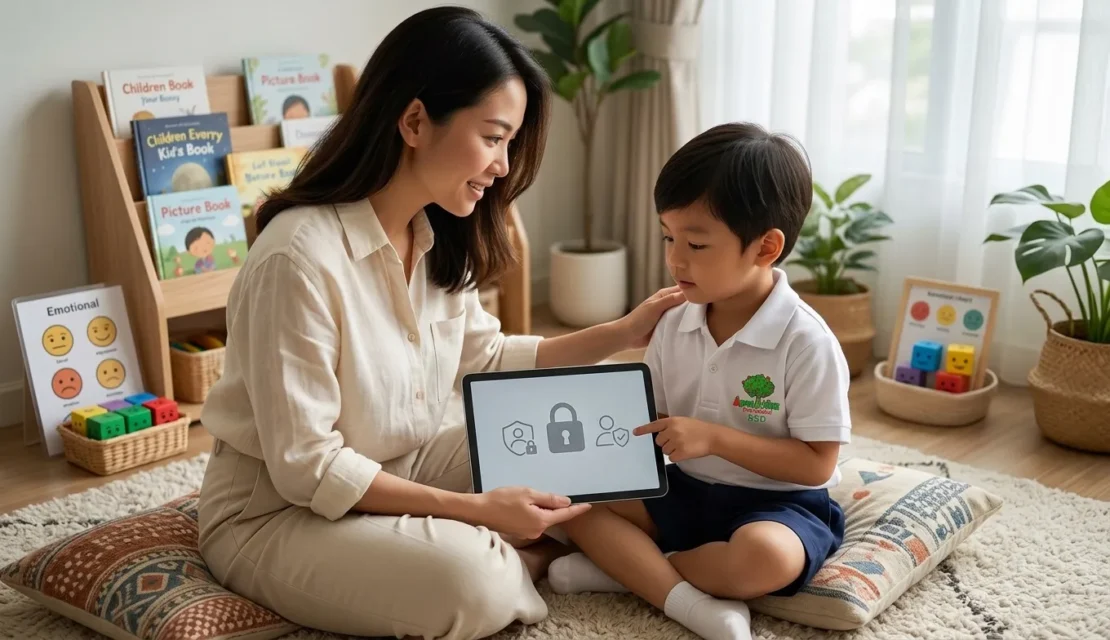
One of the hardest parts of cyberbullying is that children do not always tell adults right away. Parents sometimes assume, “If something was wrong, my child would tell me.” We wish that were always true. Many children stay silent because they feel embarrassed, afraid, or worried they will get into trouble.
That fear is very real. Some children believe that if they report a problem, their devices will be taken away immediately. Others worry that telling a parent will make the situation bigger, not better.
Fear, shame, and confusion can all play a role
Young children may not fully understand what cyberbullying is. They only know that something online made them feel uncomfortable, excluded, or hurt. Since they cannot label it clearly, they may keep it to themselves.
Older children may feel ashamed that someone got to them emotionally. They may also worry that parents will ask why they replied, why they joined a group, or why they did not block the person sooner. This is why calm communication is so important in cyberbullying prevention.
Children need safety before they need solutions
When a child finally opens up, the first response matters more than parents sometimes realize. If we react with panic, anger, or a long lecture, children may shut down fast. They need to feel safe enough to keep talking.
A helpful response sounds more like this:
- “Thank you for telling me”
- “You did the right thing”
- “We can handle this together”
- “You are not in trouble”
Those simple words can lower fear and open the door to real support.
Practical Cyberbullying Prevention Tips For Parents
The good news is that cyberbullying prevention does not require parents to become technology detectives overnight. What helps most is creating a home culture where children feel safe, supervised, and emotionally supported.
Keep communication open from the start
The best online safety talks usually do not start when there is already a problem. They start earlier, in ordinary moments, and in a relaxed way. Ask your child what they like watching, who they talk to, and how certain online interactions make them feel.
Try questions like:
- “What do you enjoy most when you use your device?”
- “Has anyone ever said something online that felt unkind?”
- “What would you do if something made you uncomfortable?”
- “Do you know you can always tell us?”
These conversations build trust, which is one of the strongest tools in cyberbullying prevention.
Set clear digital boundaries
Children benefit from structure, especially online where boundaries can feel blurry. Clear rules make children feel safer, even if they pretend to roll their eyes about it one day.
Helpful boundaries may include:
- using devices in shared family spaces
- limiting unsupervised app use
- checking games and platforms before children use them
- setting time limits for screens
- teaching children never to reply to cruel messages alone
Boundaries are not about control for the sake of control. They are about guidance, protection, and healthy habits.
Teach children what to do if something goes wrong
Children need a simple action plan they can remember. In stressful moments, long explanations tend to disappear from memory like socks in the laundry. Keep it short and practical.
Teach your child to:
- stop engaging with the hurtful message
- take a screenshot if possible
- tell a trusted adult immediately
- block or report the person with adult help
- take a break from the platform if needed
When children know the plan ahead of time, they feel more empowered and less helpless.
Building Confidence Helps Protect Children Too
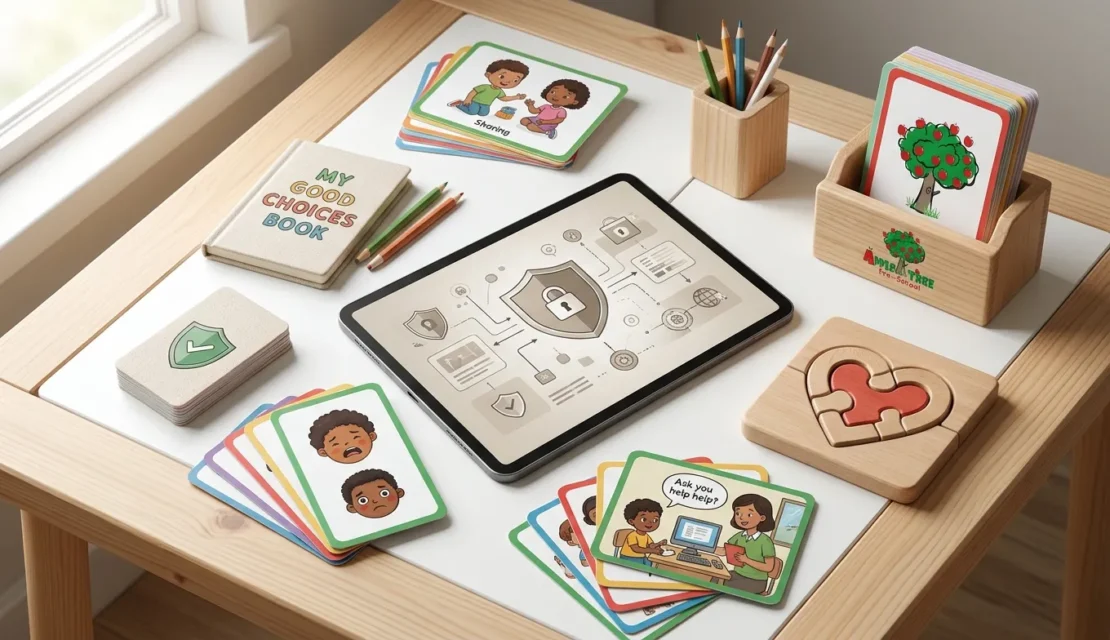
One important part of cyberbullying prevention is not only managing screens, but also building a child’s inner confidence. Children who feel secure, heard, and emotionally supported are often better able to speak up when something feels wrong.
At Apple Tree Pre-School BSD, we care deeply about helping children grow in confidence, communication, and social awareness. Through our Singapore curriculum, children develop across English, Mathematics, Chinese, Creativity, Social Studies, Science, Bahasa, Moral, Music, Physical Education, and Phonics. Just as importantly, they learn how to express themselves, build friendships, and feel safe in a caring environment.
These early foundations matter. A child who learns to communicate clearly, trust adults, and handle emotions in healthy ways carries those strengths into later stages of life. You can explore our programs to see how we support children from toddler years through Kindergarten 2.
Helping Your Child Feel Safe In A Digital World
Modern parenting asks a lot from families, and digital safety is now part of the job whether we invited it in or not. The encouraging news is that cyberbullying prevention becomes much more manageable when you know the signs, keep communication open, and respond with calm support instead of panic. Children do not need perfect parents in these moments, they need present ones.
If you want your child to grow in confidence, emotional security, and healthy communication in a warm learning environment, we would love to welcome your family. To learn more about Apple Tree Pre-School BSD, Chat with us on WhatsApp or call us at +62 888-1800-900. Register now and come play and learn with other children in a place where they can grow smart and happy together with parents.




Be the first to write a comment.