
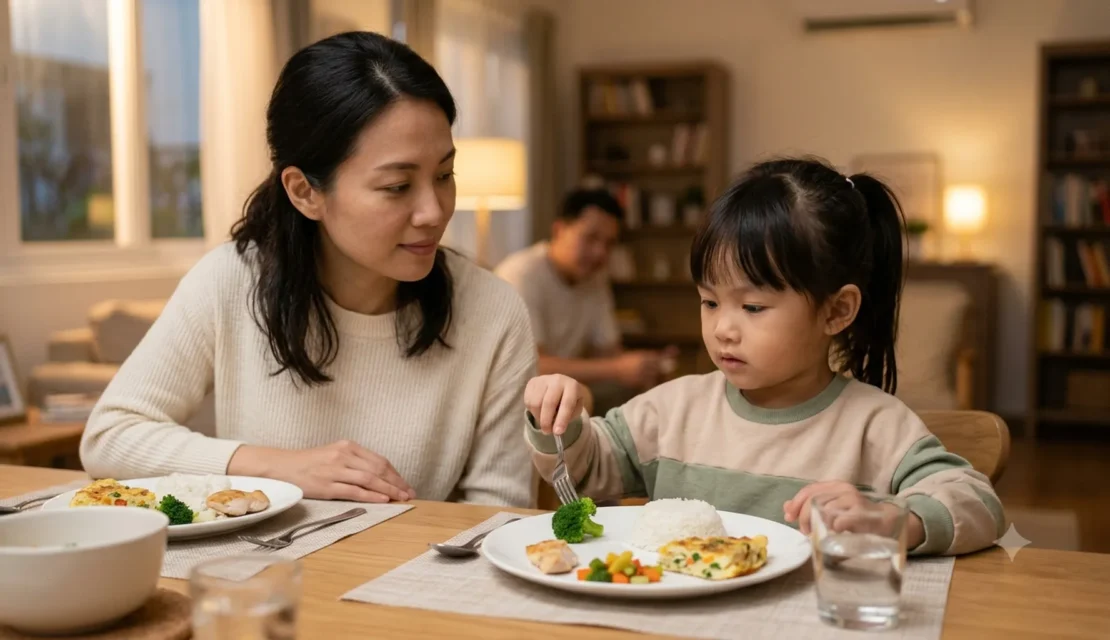
If you are living with a child refusing to eat vegetables, you are in very good company. We see this all the time at Apple Tree Pre-School BSD, and trust us, parents across BSD, especially around Educenter bsd, are having the same dinner table standoff with the same untouched broccoli. One tiny floret on the plate can somehow trigger more drama than a missing toy, a broken crayon, and a lost sock combined, which honestly feels a little unfair to the broccoli.
The good news is that vegetable battles do not have to become your family’s nightly tradition. You do not need to turn into a food detective, a short order cook, or a motivational speaker with a carrot in your hand. With a few smart strategies and a little patience, you can help your child build a healthier relationship with vegetables without making mealtime feel like a full scale negotiation.
Why a Child Refusing to Eat Vegetables Is So Common
Before we fix the problem, it helps to understand it. A child refusing to eat vegetables is not always being stubborn just for fun, although some children do seem to enjoy a dramatic performance before dinner. Often, it comes down to taste, texture, routine, control, and simple developmental stages.
Young children naturally prefer sweet and familiar foods. Many vegetables taste bitter, feel squishy, or look suspiciously green, which is not a strong selling point when you are three years old. Children also like predictability, so if a new vegetable suddenly appears on the plate like an uninvited guest, they may reject it before even giving it a chance.
What might be behind the resistance
A few common reasons children push vegetables away include:
- They are sensitive to texture, smell, or color
- They have had one bad experience and now distrust that food
- They want control over what happens at the table
- They are full from snacks or milk before meals
- They are copying siblings or friends
- They need repeated exposure before accepting a new food
This is why pressure usually backfires. The more we push, the more some children dig in their heels. It becomes less about spinach and more about power.
Child Refusing to Eat Vegetables, Start With Curiosity Instead of Pressure
One of the biggest shifts you can make is moving away from “Just eat it” and toward playful curiosity. Children learn through exploration long before they learn through lectures. If you take the pressure down, you often get more cooperation.
Let them meet the vegetable before they eat it
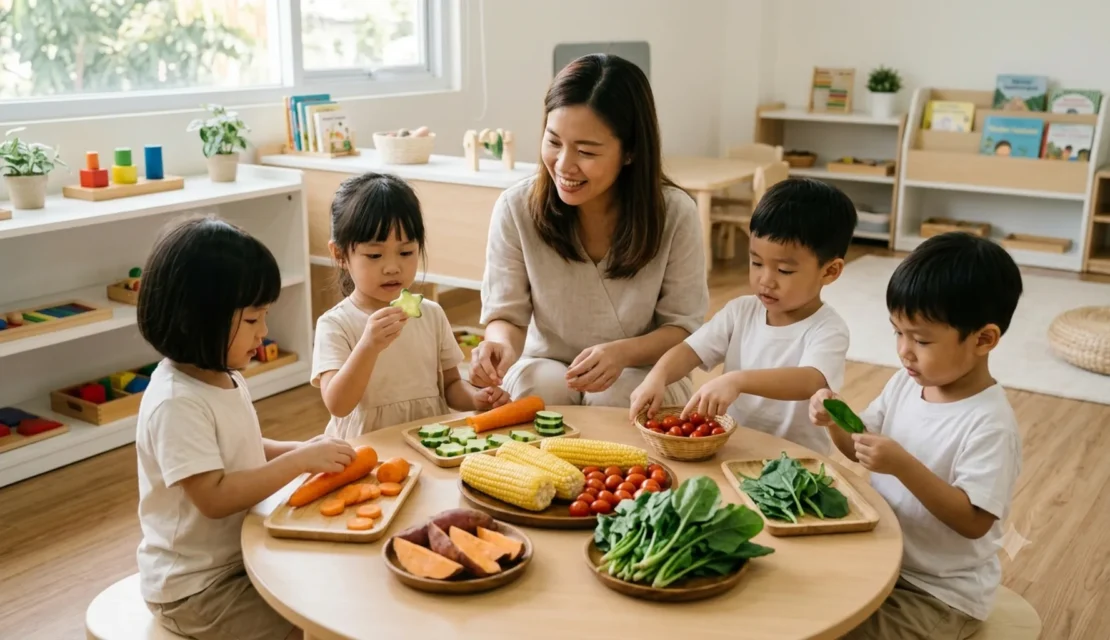
We often expect children to eat a vegetable before they have even had a chance to get comfortable with it. That is a lot to ask. Try letting your child touch it, smell it, help wash it, or even give it a silly name before it appears at dinner.
A cucumber becomes much less threatening when it is “crunchy moon sticks.” Cherry tomatoes do better when they are “tiny red rockets.” Is this scientifically official? Absolutely not. Does it work surprisingly often? Yes, more than you would think.
Use the no pressure plate method
Put a very small amount of the vegetable on the plate with foods your child already likes. No speeches, no bargaining, no “just one bite for mummy.” Just let it sit there like a calm, emotionally stable guest.
Sometimes the first win is simply tolerating it on the plate. Then touching it. Then licking it. Then maybe one day actually eating it. Progress in feeding children is often gloriously unglamorous.
Make Vegetables More Fun, Familiar, and Less Offended Looking
If your child is refusing vegetables, presentation matters more than many adults expect. Children eat with their eyes first, and if something looks odd or dull, they are already halfway to saying no.
Change the shape, not just the ingredient
A child who hates steamed carrots may happily eat roasted carrot coins, carrot sticks, or grated carrot in fritters. The same vegetable can feel completely different depending on how it is cut, cooked, and served.
Try vegetables in forms like these:
- Sweet potato wedges
- Corn and zucchini fritters
- Broccoli with melted cheese
- Spinach mixed into omelettes
- Carrot ribbons in soup
- Cucumber stars cut with a small cutter
It is still the vegetable. We are just giving it a better public image.
Pair new vegetables with favorite foods
This strategy works beautifully because it lowers the stress level. If your child already loves rice, pasta, eggs, or chicken, add a small amount of vegetable alongside or within those trusted foods.
Think of it as introducing a shy friend at a party. You would not throw them into the room alone and hope for the best. You would stand them next to someone familiar and let them settle in.
Get Children Involved Before the Food Reaches the Plate
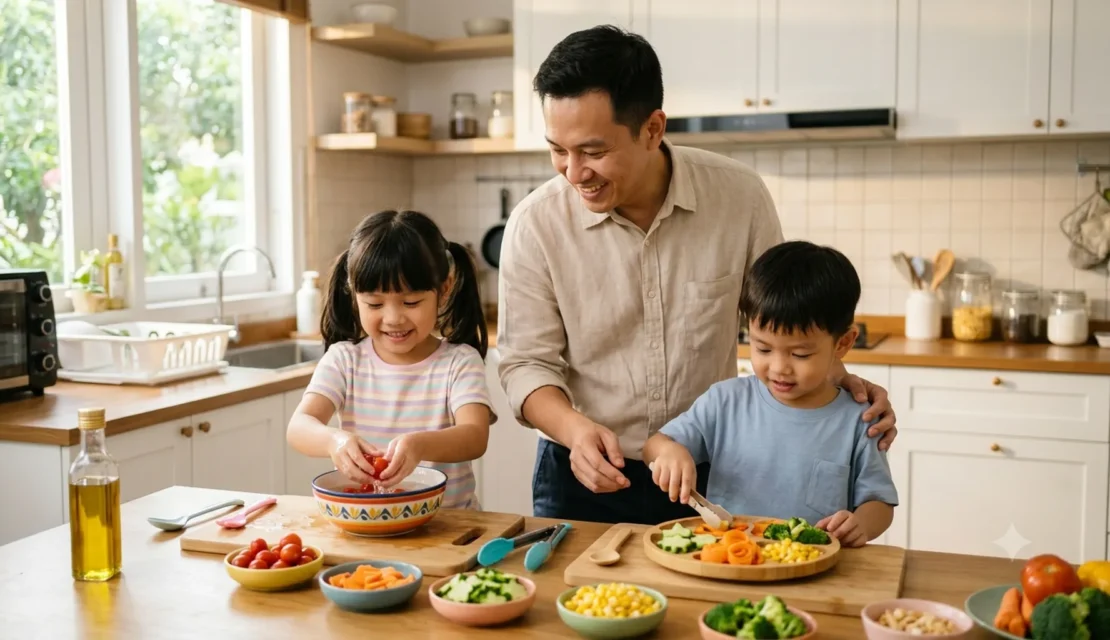
Children are much more likely to eat what they help choose, wash, stir, or serve. Ownership changes everything. A vegetable they helped prepare feels less like an order and more like an achievement.
Involve them in shopping and cooking
If you are at the market or supermarket, let your child choose one vegetable for the week. Give them a small job at home, like rinsing spinach, snapping green beans, or sprinkling corn into a bowl.
You can say things like:
- “Which color should we add tonight?”
- “Do you want to stir the soup or wash the carrots?”
- “Can you help us make the salad crunchy?”
These tiny roles build pride. And proud children are far more likely to taste what they helped create.
Grow something simple at home
You do not need a giant garden or a dramatic lifestyle change. Even growing spring onions, cherry tomatoes, or herbs in a pot can help. Children are far more curious about food when they have watched it grow from something tiny into something real.
We have seen this so many times. A child who refuses tomatoes at lunch suddenly becomes emotionally invested in “my tomato” after watering it for two weeks. Children are wonderfully inconsistent like that.
Build Better Mealtime Habits Around the Vegetable Battle
Sometimes the issue is not the vegetable itself. It is the environment around the meal. A tired, distracted, over snack fed child is not exactly bringing their best self to the dinner table.
Watch snack timing
If your child fills up on biscuits, milk, or packaged snacks in the late afternoon, dinner has very little chance. Hunger matters. A child who arrives at dinner gently hungry is much more open to trying foods than one who has already had a secret second tea party at 4:30 PM.
Try keeping snacks simple and earlier, with enough time before dinner. This one small change can make a surprisingly big difference.
Keep mealtimes calm and consistent
When children feel tense, rushed, or watched too closely, they often eat less, not more. Aim for a relaxed table where conversation feels normal and food is offered without pressure.
That does not mean letting children rule the menu. It means you decide what is served, and your child decides whether and how much to eat. This division of responsibility helps reduce battles and build trust over time.
Small Wins Grow Into Lifelong Habits
A child refusing to eat vegetables today does not mean they will hate them forever. Food acceptance is a journey, and sometimes it is a slightly ridiculous one involving one pea, a muffin tin, and a lot of patience. What matters most is consistency, calm repetition, and making vegetables part of everyday family life without turning them into villains.
At Apple Tree Preschool BSD, we support healthy habits through daily routines, positive mealtime culture, and learning experiences that help children become more confident and curious. If you would like to explore our programs, we would love to show you how we help children grow smart and happy together with parents. We are also conveniently located in the Educenter BSD Building, which makes things a little easier for busy families in BSD.
A Kinder Way Forward at Mealtime
If your child refusing to eat vegetables has been wearing you out, take a breath. You do not need to win dinner. You just need to keep showing up with calm, creativity, and trust that small positive experiences add up.
We would be happy to support your family with a warm learning environment where healthy habits, independence, and joyful routines grow together. If you are looking for a preschool that understands both child development and real family life, we would love to meet you.
Chat with us on WhatsApp or call +62 888-1800-900 to learn more. Register now, and come play and learn with other children.





Be the first to write a comment.