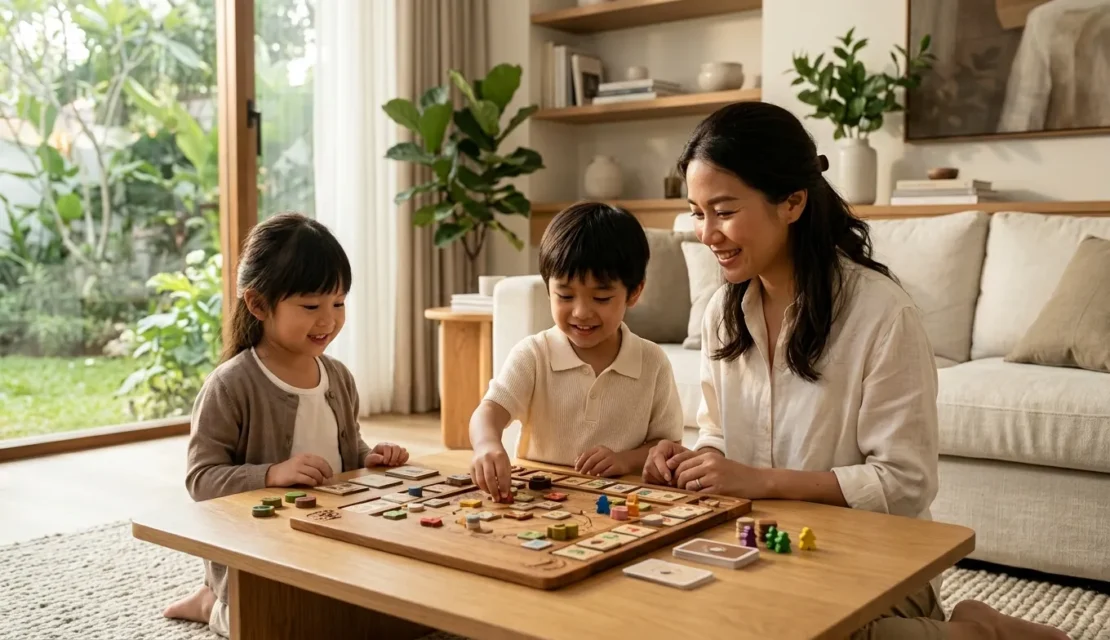
If you have ever watched a child wait for their turn with the intensity of someone negotiating a peace treaty, you already know why Board games for kids can be such a gift. At Apple Tree Pre-School BSD, located in Educenter bsd, we love activities that look playful on the surface but quietly build focus, patience, strategy, and emotional control underneath. A good board game can teach your child how to wait, plan, recover from disappointment, and try again, all while giggling over a runaway pawn or accusing the dice of personal betrayal.
That is what makes board games so powerful in early childhood. They turn abstract life lessons into something children can actually feel. Instead of hearing, “You need to be patient,” your child gets to practise patience in real time, usually while guarding a token like it is family treasure.
Board Games for Kids That Build Patience and Strategy
The best Board games for kids do much more than keep little hands busy. They help children follow rules, think ahead, observe carefully, and learn that winning is lovely, but losing without falling apart is also a real skill. We value both, honestly.
Below, we have gathered ten wonderful games that support patience and strategic thinking. Each one includes a short history, a simple description, and detailed step by step rules you can actually use at home.
1. Snakes and Ladders
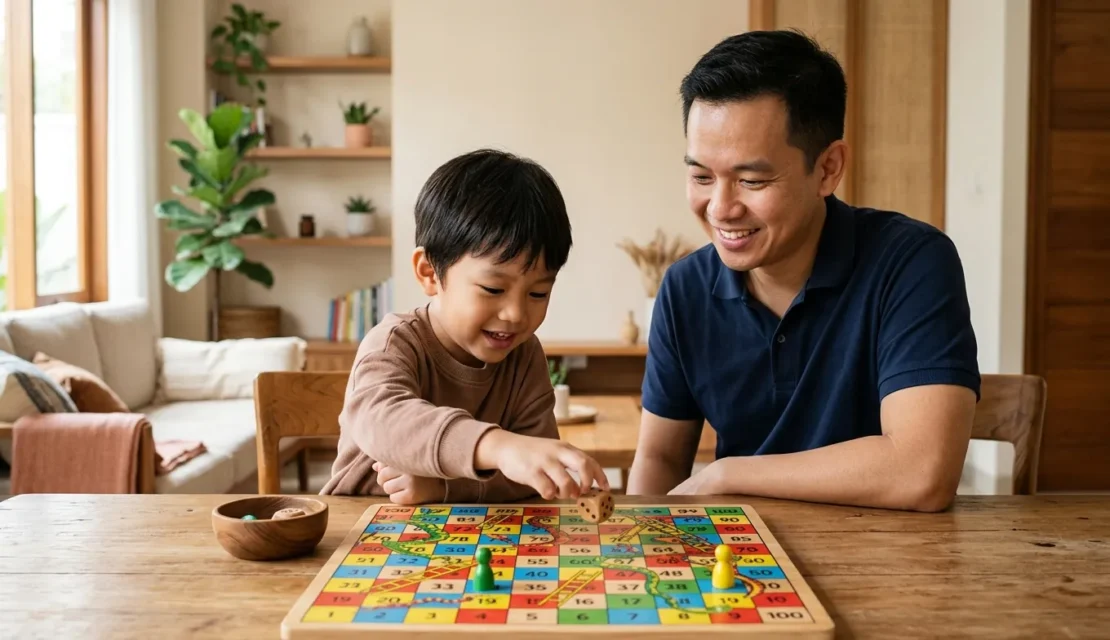
Snakes and Ladders began in ancient India, where it was originally used to teach moral lessons about choices and consequences. Over time, it became one of the most familiar Board games for kids around the world.
The game is simple, colourful, and full of suspense. Children move across numbered squares, climb ladders when luck is on their side, and slide down snakes when life decides to keep everyone humble.
How to play step by step:
- Place every player token on square one, choose turn order, and keep one die beside the board.
- Roll the die on your turn, move forward exactly that number, and count each square aloud together.
- Climb immediately when you land on a ladder base, but slide down fully after landing on a snake.
- Win only by reaching the final square exactly, so extra numbers mean you stay put patiently.
2. Ludo
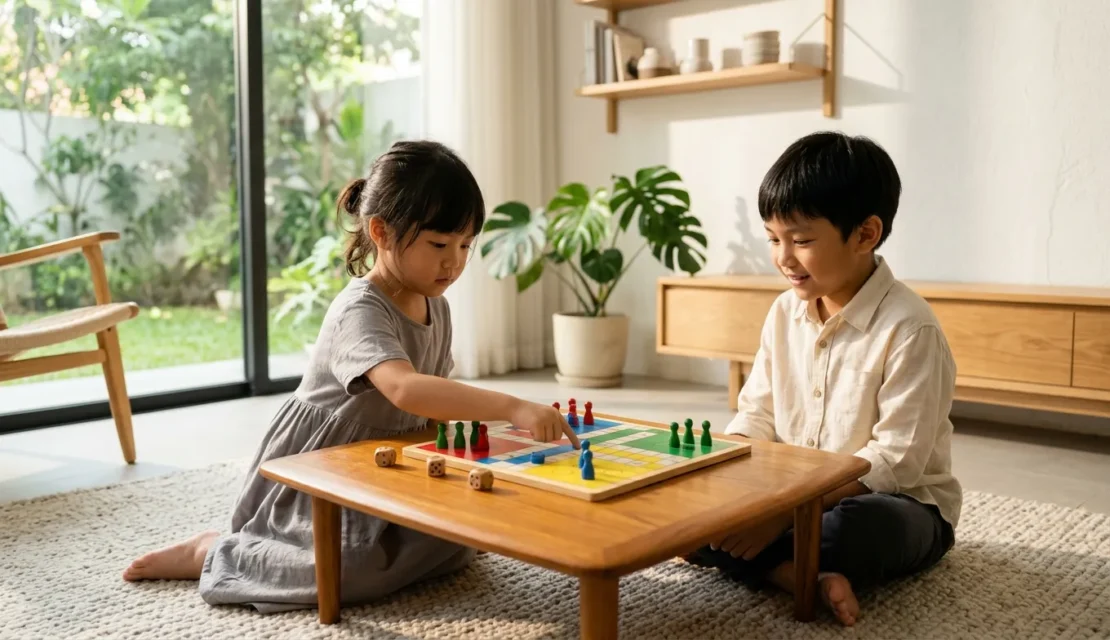
Ludo grew from the older Indian game Pachisi and remains one of the best family classics ever created. It is one of those Board games for kids that feels cheerful, easy to learn, and just competitive enough to keep everyone emotionally invested.
Players race four tokens around the board and try to bring them safely home. The strategy comes from choosing which piece to move and when to take a risk.
How to play step by step:
- Put all four tokens in your starting yard, then agree which player rolls first and direction moves.
- Roll a six to move one token onto the track, or pass the die onward.
- Choose one active token per turn, move the exact number rolled, and follow the colored route home.
- Capture an opponent by landing directly on their square, sending that token back to its yard immediately.
- Protected star or safe squares cannot be captured, and victory comes after all four tokens enter home.
3. Candy Land
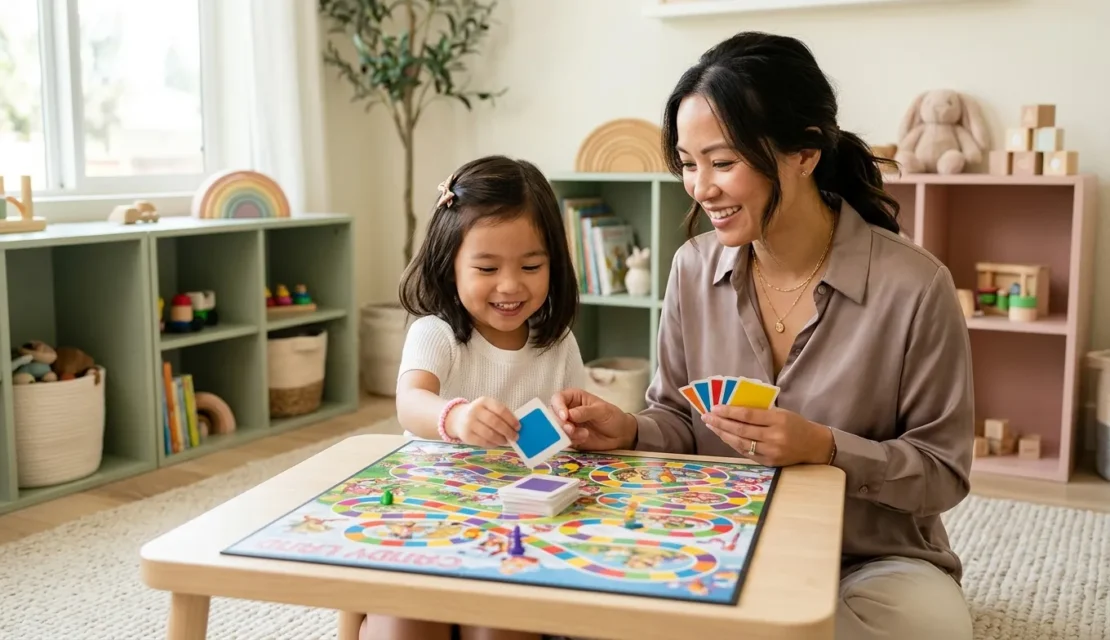
Candy Land was created in the United States during the 1940s and quickly became a beloved first game for young children. It was designed so children could play even before reading confidently, which is honestly very thoughtful.
This is one of the gentlest Board games for kids, with bright colours, simple movement, and very little pressure. It teaches turn taking and patience beautifully because children simply follow the path and trust the process.
How to play step by step:
- Shuffle the color deck well, place every pawn at the starting square, and decide turn order together.
- On each turn, draw one card and move to the next matching color space ahead.
- Follow picture shortcut cards immediately, whether they help you jump forward or make you miss progress.
- Continue taking turns without skipping anyone, and win by reaching the candy castle before every other player.
4. Connect 4
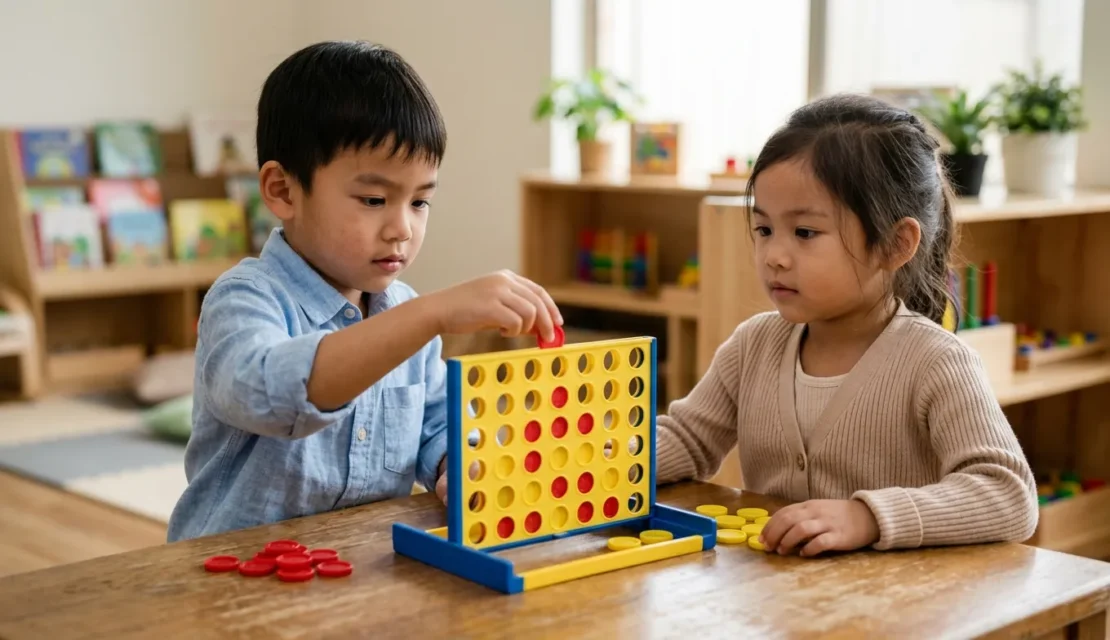
Connect 4 became widely popular in the 1970s and has stayed popular because it is easy to learn and surprisingly clever. Among Board games for kids, it is a wonderful bridge between simple play and real strategy.
Players drop discs into a standing grid and try to connect four in a line. The trick is not just building your own line, but also noticing what the other player is about to do.
How to play step by step:
- Stand the grid upright, give each player one disc color, and agree who drops first.
- On your turn, drop one disc from the top into any open column you choose.
- Discs always fall to the lowest empty space, so plan around gravity before making bold moves.
- Block your opponent whenever they are close to four connected spaces, even if it slows your own line.
- Win by forming four consecutive discs horizontally, vertically, or diagonally before the board fills completely.
5. Guess Who?
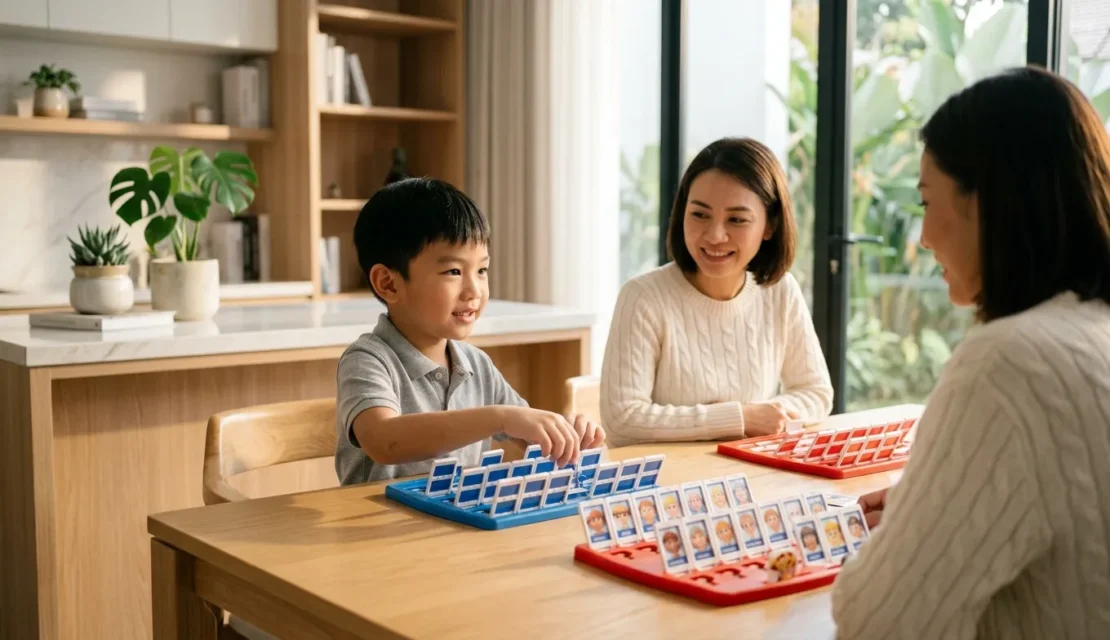
Guess Who? became popular in the late twentieth century and is still a favourite because it makes children feel like tiny detectives. It is one of the smartest Board games for kids when you want to build observation and logical questioning.
Each player secretly chooses one character, and the other player must figure out who it is by asking yes or no questions. The more thoughtful the questions, the faster the answer appears.
How to play step by step:
- Set up both character boards, choose one mystery card secretly, and keep it hidden from your opponent.
- Ask only yes or no questions on your turn, focusing on visible features like glasses, hair, or hats.
- Fold down every character that does not match the answer, narrowing possibilities carefully after each response.
- Avoid guessing too early, because one wrong final guess gives your opponent another full turn.
- Win by correctly identifying the hidden character after using logical questions to eliminate all other possibilities.
6. Checkers
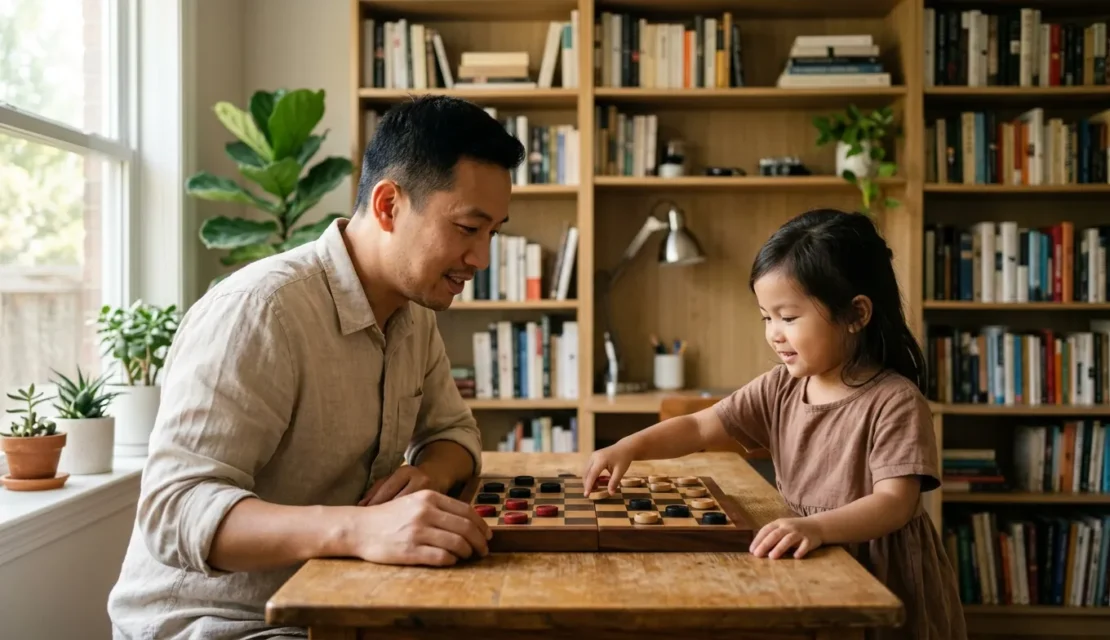
Checkers has existed in different forms for centuries, which makes it one of the oldest strategy games children can still enjoy today. It remains one of the most timeless Board games for kids because the rules are simple, but the thinking grows deeper over time.
Players move pieces diagonally, capture by jumping, and try to outmanoeuvre each other. It teaches planning, restraint, and that one careless move can undo ten smart ones.
How to play step by step:
- Place pieces only on dark squares, filling the first three rows closest to each player.
- Take turns moving one piece diagonally forward by one square into an empty dark space.
- Capture by jumping diagonally over one adjacent opponent piece, landing immediately on the empty square beyond.
- If a capture is available, many families require taking it, which teaches children careful board scanning.
- Crown a piece king when it reaches the farthest row, allowing forward and backward diagonal movement.
- Win after capturing every opposing piece or blocking all legal moves your opponent could make.
7. Memory Match
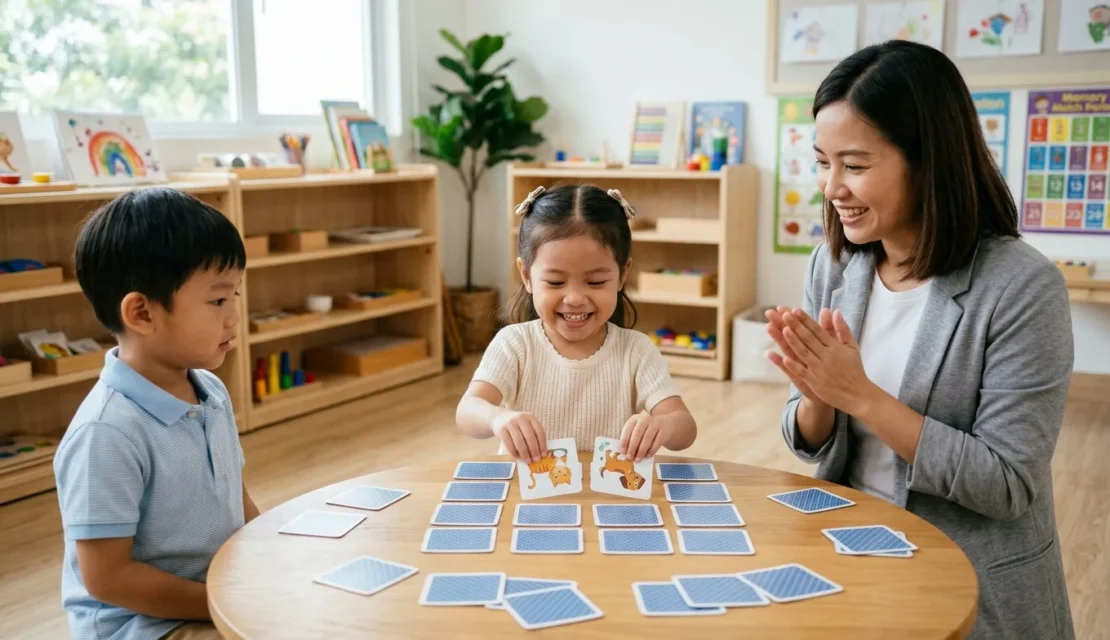
Memory matching games have been loved by families for decades because they are simple, portable, and surprisingly effective. While they may look modest, they are excellent Board games for kids when you want to build concentration and patience.
Players flip cards to find pairs while trying to remember what has already been revealed. The game rewards careful watching more than fast action, which is part of its charm.
How to play step by step:
- Shuffle all cards well and place them face down in even rows where everyone can see.
- Flip two cards on your turn, showing the pictures clearly before deciding whether they match.
- Keep the pair and take another turn if they match, otherwise turn both cards back over.
- Remember locations revealed by every player, then win by collecting more matching pairs than anyone else.
8. Trouble
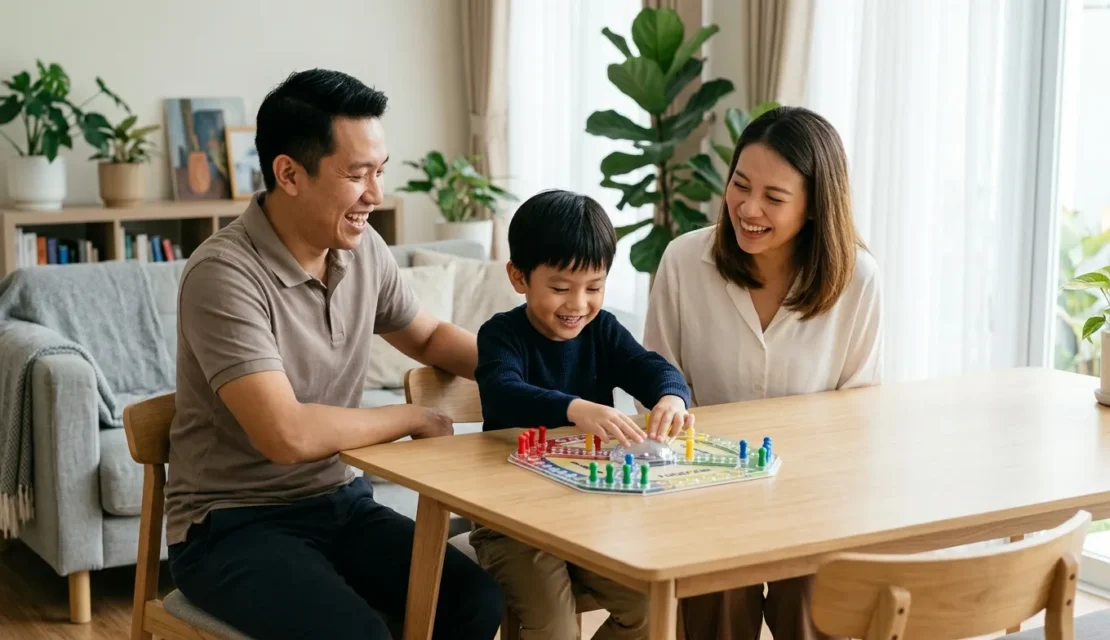
Trouble became a household favourite in the 1960s, helped in no small part by its famous popping die. That little plastic bubble gives the game a dramatic flair children absolutely love.
It is one of those Board games for kids that mixes luck with decision making. Players race pawns around the board, bring new pieces out, and send opponents back home when they land directly on them.
How to play step by step:
- Place all four pawns in your home area, then choose who presses the popping die first.
- Pop the die on your turn and move one pawn exactly that number along the track.
- Roll the required number to bring a new pawn out, according to your family version.
- Send opponents back home by landing on their space, unless that space is marked safe.
- Win when all your pawns travel around the board and enter the finish zone exactly.
9. Uno
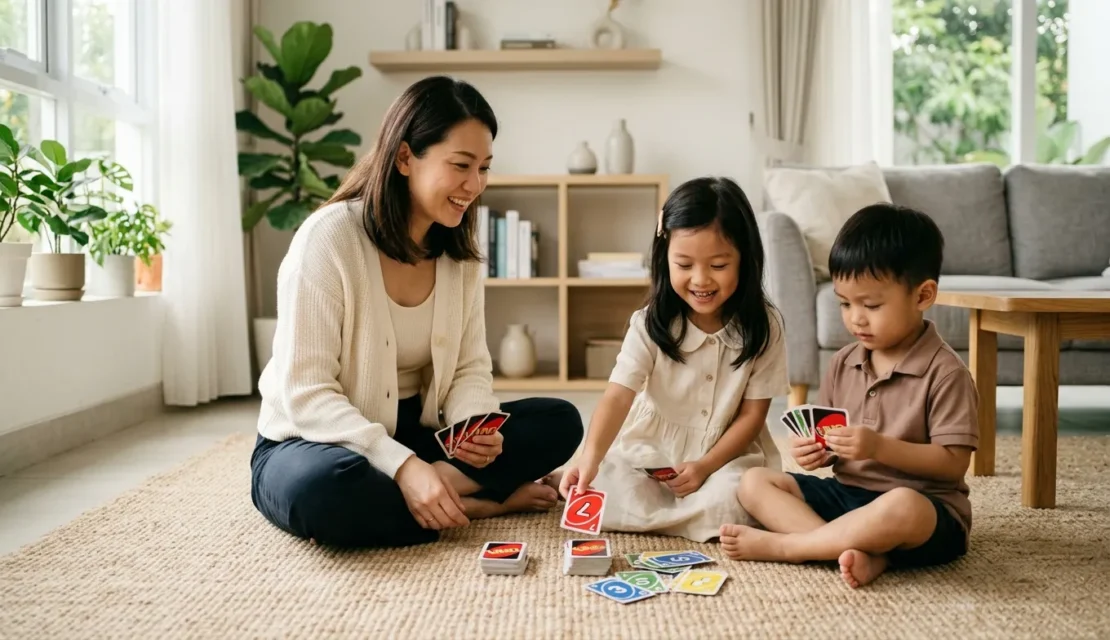
Uno is technically a card game, but it earns a place beside the best Board games for kids because it teaches the same skills so beautifully. Since the 1970s, families have loved it for its speed, colour, and dramatic reversals.
Players try to get rid of their cards by matching colours, numbers, or symbols. It looks simple, then suddenly becomes a lesson in timing, flexibility, and emotional recovery after a Draw Four appears.
How to play step by step:
- Deal seven cards to each player, place one card face up, and keep the draw pile nearby.
- Match the top discard by color, number, or symbol, then play passes to the next person.
- Draw one card if you cannot play, and play it immediately only when house rules allow.
- Use Skip, Reverse, Draw Two, and Wild cards strategically, because timing often matters more than luck.
- Say Uno before another player notices your last card, then discard everything first to win.
10. Junior Chess
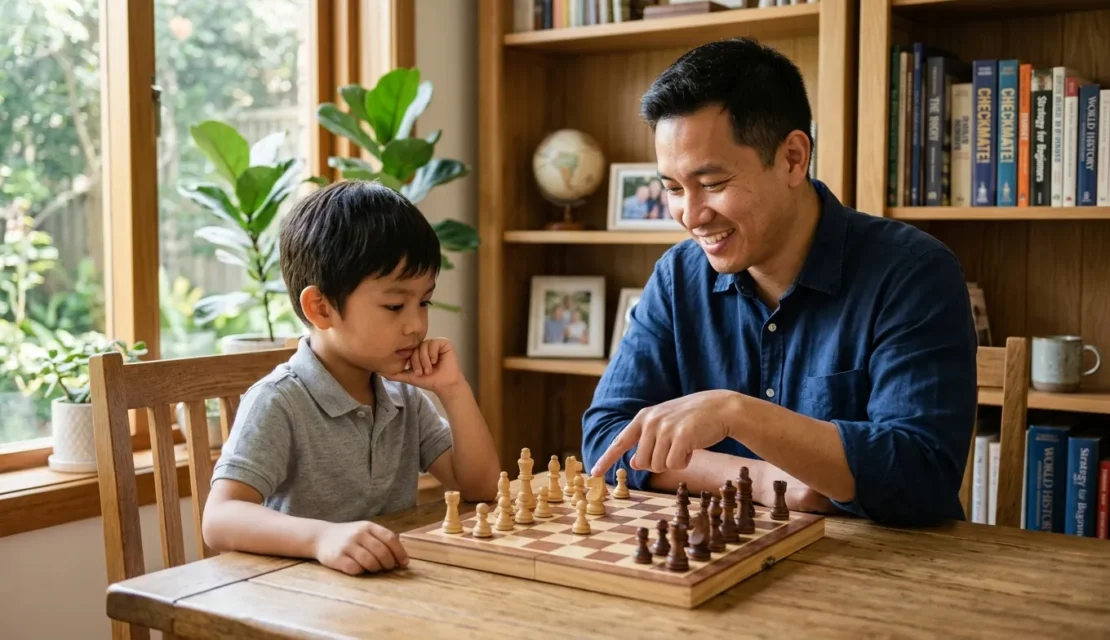
Chess has ancient origins and has been respected for centuries as one of the greatest strategy games ever made. Junior versions make this classic more accessible, which is wonderful news for families looking for deeper Board games for kids.
The game teaches children to think ahead, protect important pieces, and consider consequences before moving. It is slower than many family games, but that slower pace is exactly why it builds patience so well.
How to play step by step:
- Set up pieces on the back two rows, with rooks outside and the king beside the queen.
- Learn one piece at a time, because each moves differently and protects different parts of the board.
- White moves first, then players alternate turns, moving one piece while respecting its legal movement pattern.
- Capture by landing on an occupied opponent square, but never move into a position where your king remains attacked.
- Use simple strategy by developing pieces, protecting the king, and noticing threats before they become dangerous.
- Win through checkmate when the opponent king cannot escape attack, or agree on a learning draw.
How to Choose the Best Board Games for Kids at Home
Not every child enjoys the same kind of game, and that is perfectly normal. Some children love fast paced, luck based games, while others prefer quieter games where they can think slowly and carefully. The best Board games for kids are the ones that match your child’s age, attention span, and emotional readiness.
We usually suggest starting simple, then building up. A child who learns turn taking through Candy Land today may be ready for Connect 4 or junior chess later. Growth often happens this way in early childhood, one playful step at a time.
Here are a few easy guidelines when choosing games:
- Start with games that have clear rules and short rounds
- Choose games with large pieces for younger children
- Add more strategy as your child becomes more confident
- Treat losing as practice, not as disaster
- Play often enough that rules feel familiar, not stressful
What Children Really Learn from Board Games
At Apple Tree Preschool BSD, we see every day that meaningful learning does not always arrive in a workbook. Often, it arrives in the form of a game board, a handful of pieces, and a child learning how to wait, plan, cope, and try again. That is why Board games for kids remain such a valuable part of childhood.
Board games help children build:
- Patience while waiting and following turns
- Strategy through planning and decision making
- Focus by staying engaged until the game ends
- Social skills through shared rules and respectful play
- Emotional strength by handling disappointment and celebrating others
That kind of growth matters far beyond game night. It shows up later in classroom learning, friendships, and everyday problem solving.
If you would like to see how we support these skills through playful and meaningful experiences, you can explore our programs. We care deeply about helping children grow smart and happy, together with their families.
Where Family Game Night Turns Into Real Growth
The best Board games for kids are not just about finishing first. They are about learning how to pause, think carefully, respect rules, and enjoy the process even when things do not go perfectly. From the joyful unpredictability of Snakes and Ladders to the thoughtful planning of junior chess, each game offers your child a different kind of growth.
If you are looking for a preschool where learning feels warm, playful, and deeply purposeful, we would love to welcome your family. Chat with us on WhatsApp or call us at +62 888-1800-900. Come play and learn with other children at Apple Tree Pre-School BSD.





Be the first to write a comment.