If your child compares self to others and suddenly decides they are “not good enough” because a friend runs faster, draws neater, or has a shinier water bottle, you are not overreacting. We hear this a lot from parents at Apple Tree Preschool BSD in the Educenter BSD Building, and it often shows up right when you think things are going smoothly. One day your child is happily scribbling circles, the next day they are announcing they will never draw again because “Alya’s is better.”
That comparison habit can feel small, but it can quietly grow into frustration, avoidance, and low confidence. The good news is you can absolutely guide your child through it, without turning every day into a TED Talk about self-esteem. You just need a few simple strategies that you repeat consistently, plus a home environment that makes progress feel safe.
Child Compares Self to Others: Why It Happens So Early
Children compare because they are trying to understand their place in the world. They notice differences and use them to figure out, “Where do I fit?” The problem starts when “different” turns into “worse,” especially if your child is sensitive, perfectionistic, or easily embarrassed.
It’s Not Vanity, It’s Information Gathering
In early childhood, kids are building identity. They test ideas like “I’m the fast one,” or “I’m the funny one,” and they adjust those labels constantly. If they keep seeing someone else get praised for a skill, they might decide that skill is the ticket to being liked.
Sometimes the comparison happens because your child wants certainty. If they can rank themselves, they think they can predict outcomes. The logic is shaky, but it feels comforting to a young brain.
Triggers That Make Comparison Worse
You will often see more “child compares self to others” moments during:
- Big transitions like starting a new class or new school year
- Social situations with older kids or very confident peers
- Competitive activities with winners and losers
- Times when your child is tired, hungry, or overstimulated
- Periods when adults unintentionally compare children, even “positively”
Comparison is rarely about the other child. It is usually about your child’s need for reassurance, control, or belonging.
The Real Risks If Comparison Becomes a Habit
A little comparison is normal. Constant comparison can lead to patterns that make learning and friendships harder.
Confidence Drops, Then Curiosity Drops
When your child thinks they must be “best” to be valued, they stop trying new things. Curiosity requires risk, and risk feels scary when your identity depends on winning. You might notice your child avoiding puzzles, refusing to read aloud, or quitting quickly.
Anxiety and Perfectionism Sneak In
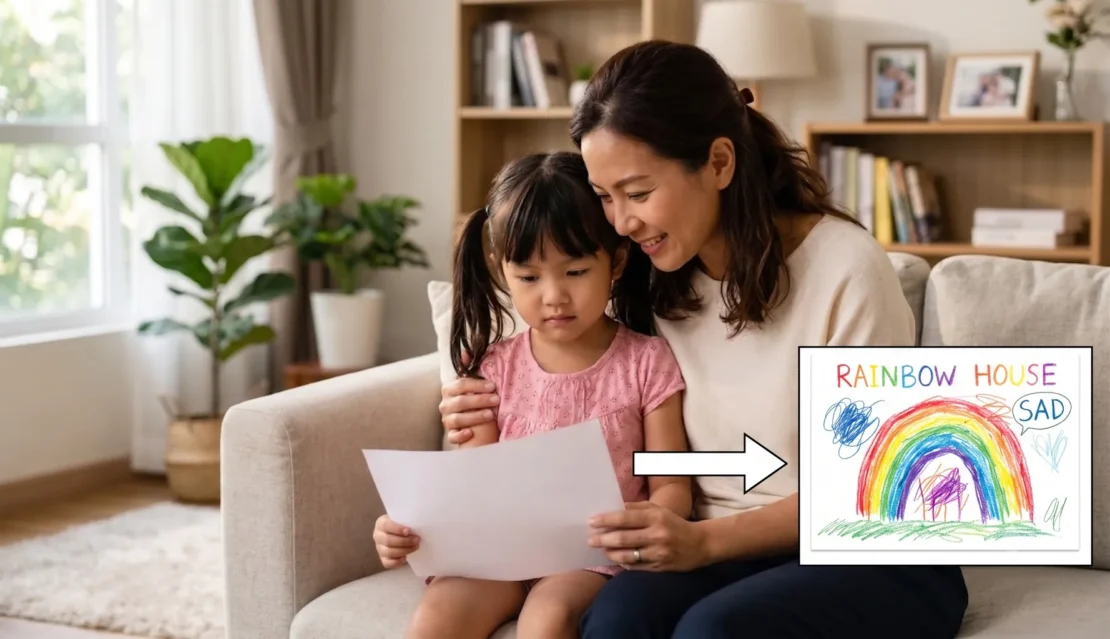
Some children respond to comparison by pushing harder and harder, then melting down over tiny mistakes. Others respond by saying “I hate this” and opting out. Both are protection strategies, not laziness.
If your child compares self to others daily, it is a sign you should shift the focus from outcomes to growth and effort.
What to Say When Your Child Compares Themselves
Your words matter, but the goal is not a long speech. The goal is a short response that keeps your child safe while redirecting their thinking.
Use Validation First, Then a Gentle Reframe
If you jump straight into “Don’t compare,” your child hears “Your feeling is wrong.” Try this instead:
- “It’s hard when you feel behind.”
- “You really wanted yours to look like theirs.”
- “Let’s look at what you can do next.”
This validates the feeling and moves toward action.
Try These Quick Scripts
Keep a few phrases ready so you are not improvising while also cooking dinner and stepping on Lego.
- “Different is not better or worse, it is just different.”
- “You are on your own timeline.”
- “Let’s compare you to you, not you to them.”
- “What did you do today that you couldn’t do last week?”
The last question is powerful because it shifts the comparison target to progress.
Practical Ways to Help Your Child Stop Comparing
You do not have to eliminate comparison completely. You just need to weaken it and replace it with healthier habits.
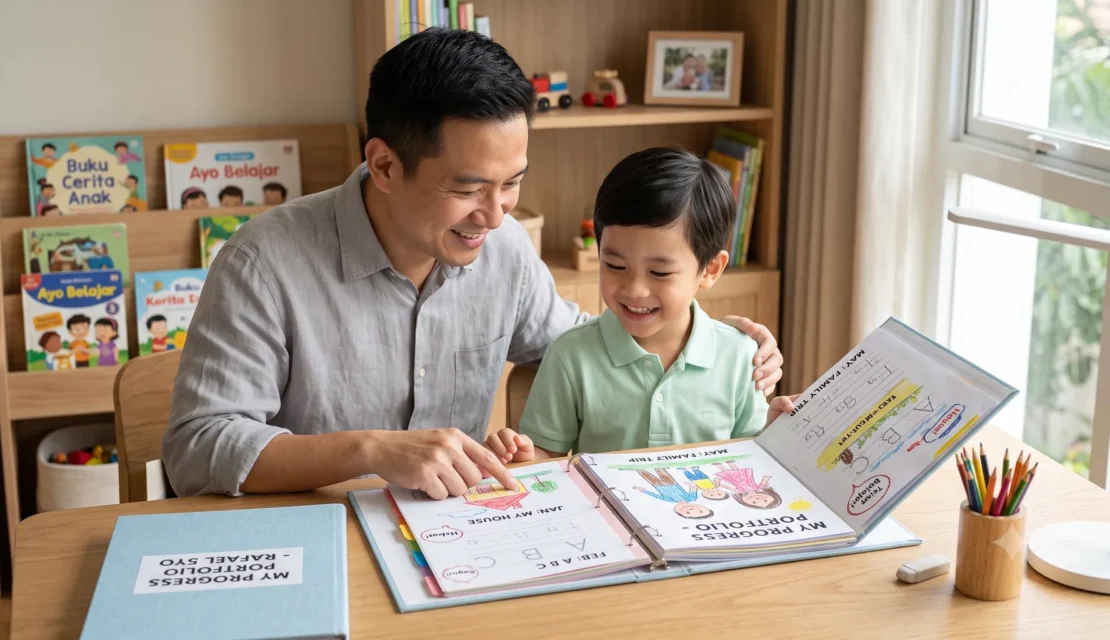
Build a “Progress Portfolio” at Home
This is simple and surprisingly effective. Keep a folder or notebook where you save a few drawings, writing attempts, or photos of their block towers over time. Once a week, flip back and say, “Look how far you’ve come.”
This trains your child to look for growth. It also gives you proof for the days they insist they never improve, which children claim with great confidence.
Praise Effort, Strategy, and Persistence
If you only praise results, your child learns results are what matter. If you praise process, your child learns effort is what matters.
Aim for comments like:
- “You kept trying different ways, that was smart.”
- “You asked for help, that was brave.”
- “You stayed focused even when it was tricky.”
This builds resilience and makes mistakes less scary.
Reduce Competitive Language at Home
Even “friendly” competition can backfire for sensitive kids. If your child already compares self to others, reduce the “Who’s fastest?” and “Who’s best?” framing.
Instead, use cooperative framing:
- “Let’s see how many we can do together.”
- “Let’s practise and get stronger.”
- “Let’s try again with a new plan.”
You are teaching teamwork and growth, not ranking.
Teach One Skill at a Time
Some kids compare because they are overwhelmed. If the task is too big, they notice someone else doing it easily and assume they are failing.
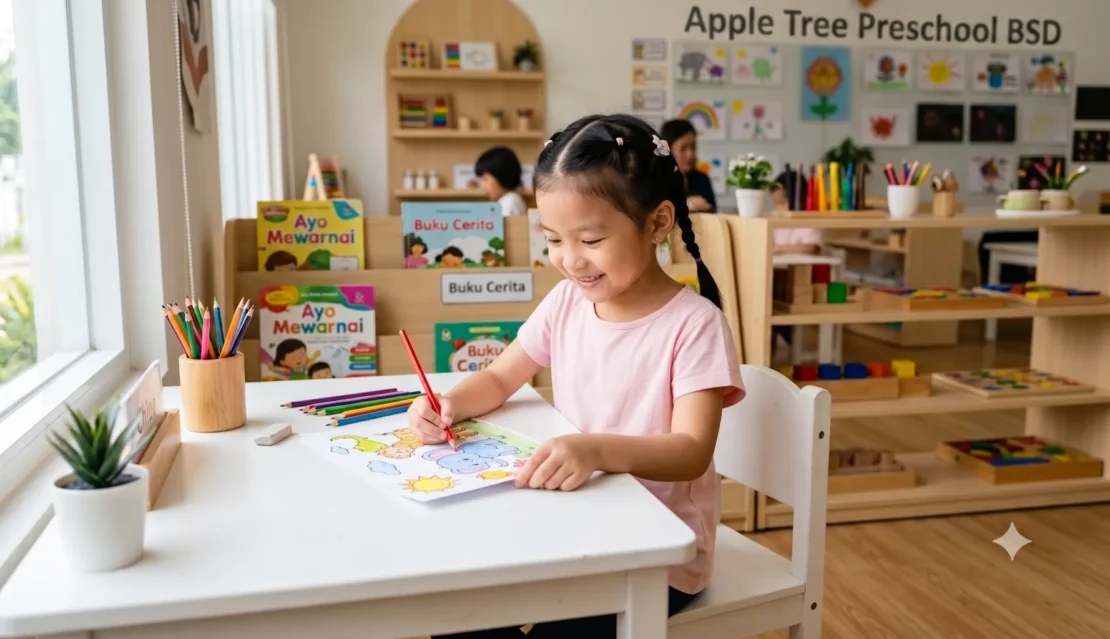
Break tasks into tiny steps. If writing is hard, focus only on holding the pencil correctly today. Tomorrow, one letter. Next week, their name. Small wins pile up fast.
How to Handle “But They’re Better Than Me”
Sometimes your child will say something that feels painfully adult, like “They’re smarter,” or “They’re prettier.” Do not argue the facts like a lawyer. It turns into a debate you cannot win.
Focus on Values, Not Ranking
You can say, “Maybe they are good at that, and you are good at other things.” Then anchor your child in identity traits that are not competitive:
- kindness
- curiosity
- courage
- creativity
- being a good friend
These are qualities your child can build without needing someone else to lose.
Watch Your Own Comparison Habits
Children learn comparison from the air around them. If they hear adults comparing bodies, careers, parenting styles, or even schools, they absorb the model.
A quick self-check helps: if your child is listening, would you want them to copy the way you talk about yourself? If the answer is no, tweak the script gently.
How We Support Healthy Confidence at School
At Apple Tree Preschool BSD, we put a lot of energy into creating classrooms where children feel safe to try, safe to make mistakes, and safe to be different. That environment matters, because comparison thrives when children feel judged and shrinks when children feel secure.
Our Singapore curriculum covers English, Mathematics, Chinese, Creativity, Social Studies, Science, Bahasa, Moral, Music, Physical Education, and Phonics, but confidence is woven through all of it. Children practise taking turns, speaking up, asking for help, and trying again, which makes self-worth less dependent on being “the best.”
If you want to see the learning flow by age, you can explore our programs. Many parents find that when school and home both focus on growth, the “child compares self to others” loop calms down significantly.
A Simple Weekly Plan to Reduce Comparison
If you want a realistic plan you can start this week, keep it small and repeatable.
- Pick one daily “progress moment,” five minutes to notice effort or improvement
- Use one weekly “portfolio check,” look at older work and celebrate growth
- Replace one competitive phrase with one cooperative phrase each day
- Practise one calming tool, two slow breaths before a tricky task
- End the day with one question, “What are you proud of today?”
Consistency matters more than intensity. You are building a new default mindset.
Let’s Help Your Child Feel Proud in Their Own Lane
When your child compares self to others, they are usually asking one question underneath all the words: “Am I enough?” Your job is not to convince them they are the best. Your job is to help them feel safe while they grow, so confidence comes from progress, not from beating someone else.
If you want daily routines that strengthen confidence, independence, and joyful learning, we would love to meet your family at Apple Tree. We are right here in the Educenter BSD Building, and we will happily talk through your child’s needs and the best class fit.
Come play and learn with other children!
Chat with us on WhatsApp or call +62 888-1800-900 to ask about availability and schedules.


Be the first to write a comment.