


During our recent health screening week at Apple Tree Pre-School BSD, I watched a mother approach our nurse with genuine worry etched across her face. She’d been comparing her two-year-old daughter’s weight to numbers she found online, and now she was convinced something was wrong. When our nurse pulled out the WHO ideal child weight chart and showed her where her daughter actually fell, the mother’s shoulders visibly relaxed. This moment perfectly captures why understanding the ideal child weight chart and WHO standards is so essential for parents who want to ensure their little ones are growing healthily and thriving.
The truth is, an ideal child weight chart can be confusing, even stressful, if you don’t understand what you’re looking at. Parents sometimes compare their children to peers, to older siblings, or to outdated information, creating unnecessary worry about whether their child is the “right” size. But here’s what we know from working with families here in the Educenter BSD Building: when you understand what an ideal child weight chart actually shows and how to interpret it correctly, you can feel confident about your child’s growth journey rather than anxious about it.
The World Health Organization has spent decades researching healthy child development across diverse populations worldwide. Their ideal child weight chart isn’t just random numbers, it’s based on extensive data showing what healthy growth looks like for children at different ages. Understanding how to use an ideal child weight chart takes away the guesswork and gives you reliable information about whether your child is growing well.
1. Understanding the Ideal Child Weight Chart and WHO Standards
An ideal child weight chart is a tool designed to track whether children are growing at healthy rates appropriate for their age and individual genetics. The WHO ideal child weight chart specifically uses data collected from children across many countries, making it relevant and useful for diverse populations, including families here in Indonesia.
It’s important to understand that an ideal child weight chart doesn’t mean there’s one “perfect” weight all children should be at a particular age. Instead, it shows a range of healthy weights, because children grow differently based on genetics, nutrition, activity level, and individual variation. The ideal child weight chart helps identify whether a child is growing consistently along their own growth curve, which is what actually matters for health.
What Makes the WHO Ideal Child Weight Chart Different
The WHO ideal child weight chart is based on research showing what healthy growth looks like in children who are growing well with good nutrition and healthcare. This is different from earlier growth charts that were based primarily on formula-fed children in certain Western countries, making them less applicable to populations worldwide.
The WHO ideal child weight chart includes measurements from breastfed and formula-fed children across many countries and ethnic backgrounds. This makes it much more universally applicable and relevant for families in Indonesia and Southeast Asia, where children may have different growth patterns than those reflected in older, region-specific charts.
What’s particularly valuable about the ideal child weight chart from WHO is that it’s regularly updated as new research emerges about healthy child growth and development. This means the information you’re getting is current and based on the latest scientific understanding.
Key Features of WHO’s Ideal Child Weight Chart:
- Based on healthy children worldwide, not just Western populations
- Includes both breastfed and formula-fed children
- Accounts for genetic and ethnic variation in growth patterns
- Shows ranges of healthy weight, not single “perfect” numbers
- Updated regularly as new research emerges
- Designed to identify growth problems early
- Helps healthcare providers track individual child’s growth trajectory
- Takes into account developmental stages and milestone achievement
Why Individual Growth Patterns Matter More Than Single Numbers
One of the biggest misconceptions about an ideal child weight chart is that hitting a specific number at a specific age is what matters. Actually, what matters far more is that your child is growing consistently along their own growth curve. This is called “tracking along a percentile,” and it’s what indicates healthy development.
Think of an ideal child weight chart like a map that shows many different healthy paths your child might follow. Your child might be on the 25th percentile path, the 75th percentile path, or anywhere in between. As long as they’re following their own path consistently and not suddenly dropping off or jumping dramatically, growth is happening as it should.
The ideal child weight chart becomes a concern tool only when a child’s weight suddenly shifts patterns. For example, if a child has been tracking along the 50th percentile and suddenly drops to the 10th percentile, that’s when you’d want to investigate whether something has changed affecting their nutrition or health.
2. Ideal Child Weight Chart Standards by Age
Let’s walk through what the ideal child weight chart looks like across different age ranges. Keep in mind that these are guidelines, and your child might fall outside these ranges while still being perfectly healthy, especially if parents are naturally small or tall.
Ideal Child Weight Chart for Ages 1-2 Years
At one year old, healthy toddlers on an ideal child weight chart typically weigh between 7 to 12 kilograms, though variation is normal and expected. By two years old, the ideal child weight chart shows healthy toddlers weighing approximately 11 to 16 kilograms, with significant individual variation.
Around this age, weight gain typically slows down compared to the rapid growth of infancy. The ideal child weight chart reflects this slowdown, which is perfectly normal and healthy. As long as your toddler is growing consistently and their energy level and development seem fine, you’re likely looking at healthy growth.
The ideal child weight chart for this age group is particularly important to use correctly because toddlers can sometimes seem chubby during this stage, which is actually normal. Baby fat is common and typically reduces naturally as children become more active.
Typical Healthy Weight Ranges from WHO Ideal Child Weight Chart, Ages 1-2:
- 12 months (1 year): 7 to 12 kg
- 15 months: 8.5 to 13.5 kg
- 18 months: 9.5 to 14.5 kg
- 24 months (2 years): 11 to 16 kg
Ideal Child Weight Chart for Ages 2-3 Years
As children enter the two to three year range, the ideal child weight chart shows growth continuing at a steady but slower pace than infancy. By age three, a healthy child on the ideal child weight chart typically weighs between 13 to 18 kilograms.
During this stage, toddlers become more active and mobile, which affects how their bodies develop. The ideal child weight chart for this age reflects the increasing physical activity and changing body composition as children develop more muscle and less baby fat.
If you’re using an ideal child weight chart during this period and your child seems to be gaining weight more slowly than when they were younger, that’s actually a good sign. It typically means they’re becoming more active and developing into a healthier body composition.
Typical Healthy Weight Ranges from WHO Ideal Child Weight Chart, Ages 2-3:
- 24 months (2 years): 11 to 16 kg
- 30 months: 12.5 to 17.5 kg
- 36 months (3 years): 13 to 18 kg
Ideal Child Weight Chart for Ages 3-4 Years
Preschoolers in the three to four year range show more pronounced physical activity and independence, which is reflected in the ideal child weight chart’s expectations. By age four, healthy children on the ideal child weight chart typically weigh between 14.5 to 20 kilograms.
The ideal child weight chart for this age group shows that weight gain continues but remains relatively gradual. The rate of growth slows significantly compared to younger ages, which is developmentally appropriate and healthy.
Many parents are surprised to see that the ideal child weight chart doesn’t show dramatic increases year to year at this stage. This is normal and actually indicates that your child is growing appropriately as their metabolism and growth rate naturally adjust.
Typical Healthy Weight Ranges from WHO Ideal Child Weight Chart, Ages 3-4:
- 36 months (3 years): 13 to 18 kg
- 42 months: 13.5 to 19 kg
- 48 months (4 years): 14.5 to 20 kg
Ideal Child Weight Chart for Ages 4-5 Years
As children approach kindergarten age, the ideal child weight chart shows continued steady growth. By age five, healthy children typically weigh between 15.5 to 22 kilograms according to WHO standards.
The ideal child weight chart at this age reflects children becoming increasingly active and physically capable. Their growth is becoming more individualized, with genetics playing an increasingly visible role in body size and shape.
At this stage, some children begin showing the body shape they’ll maintain into their school years. The ideal child weight chart helps distinguish between healthy variation and actual growth concerns that might warrant discussion with a pediatrician.
Typical Healthy Weight Ranges from WHO Ideal Child Weight Chart, Ages 4-5:
- 48 months (4 years): 14.5 to 20 kg
- 54 months: 15 to 21 kg
- 60 months (5 years): 15.5 to 22 kg

3. How to Use an Ideal Child Weight Chart Effectively
Understanding what an ideal child weight chart shows is one thing, but knowing how to actually use it is another. Let’s talk about the practical application of the ideal child weight chart in your child’s healthcare.
Getting Accurate Measurements for the Ideal Child Weight Chart
For the ideal child weight chart to be useful, you need accurate weight measurements. Ideally, your child’s weight should be measured the same way each time, using the same scale, at similar times of day, and in similar clothing.
Most healthcare providers have accurate scales and can measure your child properly for the ideal child weight chart. When you’re tracking your child’s growth using an ideal child weight chart, consistency in how measurements are taken matters as much as the numbers themselves.
If you’re tracking growth at home between doctor visits, invest in a decent home scale and try to weigh your child around the same time each month. This helps you create a pattern you can compare against the ideal child weight chart.
Plotting Your Child on the Ideal Child Weight Chart
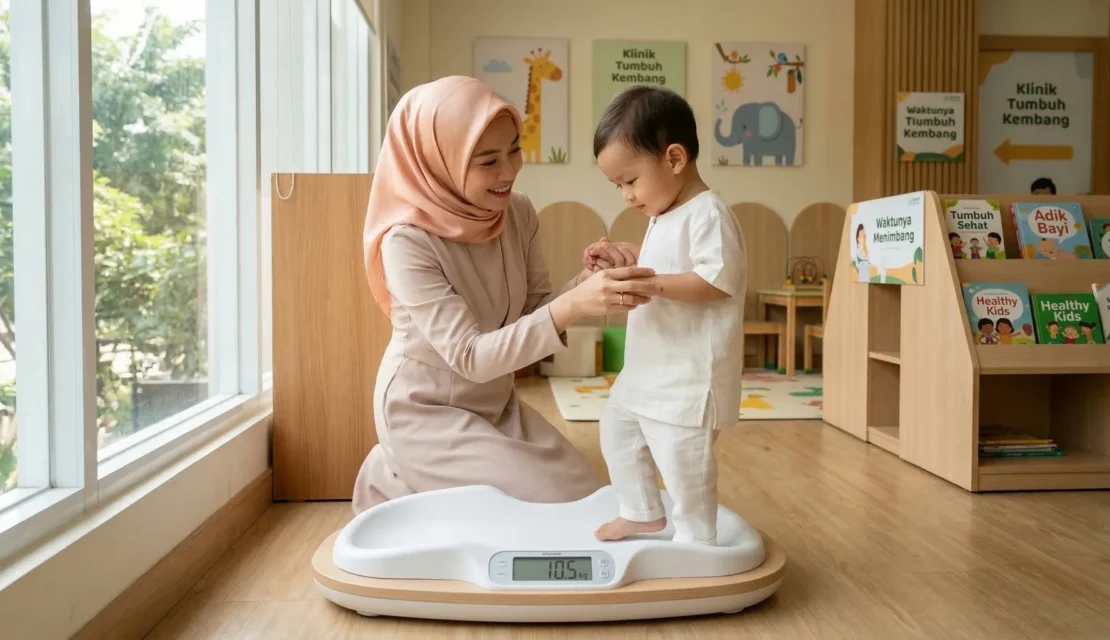
Once you have an accurate weight, you plot it on the ideal child weight chart by finding your child’s age along the bottom and the weight along the side, then marking where these intersect. This shows you which percentile your child falls into.
The ideal child weight chart typically shows lines for different percentiles: the 5th, 10th, 25th, 50th, 75th, 90th, and 95th percentiles. Where your child falls doesn’t matter nearly as much as whether they’re following their own consistent trajectory on the ideal child weight chart.
Some children naturally track along the 10th percentile line, meaning they’re lighter than 90 percent of children their age. If they consistently follow that line, they’re growing fine. The ideal child weight chart becomes concerning only when growth rate changes significantly.
Understanding Percentiles on the Ideal Child Weight Chart
Percentiles on an ideal child weight chart can be confusing, so let’s clarify. If your child is on the 50th percentile, that means their weight is right in the middle, 50 percent of children their age weigh more, and 50 percent weigh less.
Being on the 10th percentile doesn’t mean your child is unhealthy, it just means they weigh less than 90 percent of children their age. Being on the 90th percentile means they weigh more than 90 percent of children their age. Both are healthy as long as the child is tracking along a consistent line on the ideal child weight chart.
What Different Percentiles on the Ideal Child Weight Chart Mean:
- 5th percentile: Child weighs more than 5% of children same age
- 10th percentile: Child weighs more than 10% of children same age
- 25th percentile: Child weighs more than 25% of children same age
- 50th percentile: Child weighs more than 50% of children same age (median)
- 75th percentile: Child weighs more than 75% of children same age
- 90th percentile: Child weighs more than 90% of children same age
- 95th percentile: Child weighs more than 95% of children same age
4. Factors Affecting Your Child’s Position on the Ideal Child Weight Chart
Your child’s position on an ideal child weight chart is influenced by various factors beyond just age. Understanding these factors helps you interpret the chart correctly and avoid unnecessary worry.
Genetic Influence on the Ideal Child Weight Chart
Genetics is perhaps the single biggest factor influencing where your child falls on an ideal child weight chart. If both parents are naturally small, their child is likely to be smaller and track along a lower percentile on the ideal child weight chart, which is completely healthy.
Similarly, if parents are naturally larger, their children will likely be larger and track along a higher percentile on the ideal child weight chart. The ideal child weight chart is designed to account for this natural variation, and there’s no “better” percentile to be on.
When your child’s position on an ideal child weight chart doesn’t match up with what you’d expect based on family patterns, that’s when it might be worth discussing with your pediatrician. Otherwise, genetics is doing exactly what it should be doing.
Nutrition and Feeding Impact on the Ideal Child Weight Chart
What and how much your child eats directly affects where they fall on an ideal child weight chart. Children who are breastfed, formula-fed, or eating solid foods can show different growth patterns, all of which can be healthy.
The WHO ideal child weight chart actually includes breastfed children, which is important because breastfed babies sometimes grow slightly differently than formula-fed babies, but both patterns are healthy. If your child is well-fed, active, and developing normally, their position on the ideal child weight chart reflects healthy nutrition.
Sometimes children go through periods of slower weight gain when they’re focused on other developmental milestones. A toddler learning to walk or talk might gain weight more slowly while their energy goes into those developmental areas. The ideal child weight chart helps distinguish between normal variation and actual concerning patterns.
Activity Level and Development’s Role in the Ideal Child Weight Chart
More active children often weigh less and track lower on an ideal child weight chart than less active peers. This is healthy, as activity supports good physical development and appropriate body composition.
As children develop more coordination and independence, their activity level typically increases, which can affect where they fall on an ideal child weight chart. The ideal child weight chart accounts for these changes as normal developmental variation.
5. When to Be Concerned About Your Child’s Position on the Ideal Child Weight Chart
Most of the time, if your child is tracking along a consistent line on the ideal child weight chart, everything is fine. But there are situations where the ideal child weight chart might indicate something worth discussing with your pediatrician.
Red Flags on the Ideal Child Weight Chart
If your child’s weight suddenly drops percentiles on the ideal child weight chart, that’s worth investigating. For example, if your child has been tracking along the 50th percentile and suddenly drops to the 20th percentile, there might be something affecting their nutrition or health.
Similarly, if your child suddenly starts climbing percentiles on the ideal child weight chart in ways inconsistent with family patterns, that might also warrant discussion with your healthcare provider. Sudden changes in the ideal child weight chart trajectory, in either direction, are worth paying attention to.
If your child falls below the 5th percentile on the ideal child weight chart or above the 95th percentile, your pediatrician might want to monitor growth more closely. This doesn’t necessarily mean something is wrong, but it warrants professional observation to ensure your child stays healthy.
Normal Variation on the Ideal Child Weight Chart
It’s completely normal for children to occasionally show small variations on the ideal child weight chart month to month. Children don’t grow in perfectly straight lines, sometimes they gain more one month, less the next. The ideal child weight chart shows longer-term patterns, not short-term fluctuations.
Illness, stress, developmental spurts, and seasonal variation can all cause temporary changes in weight that don’t reflect a true change in growth pattern. The ideal child weight chart is most useful when you’re looking at growth over months and years, not day to day or week to week.

6. Supporting Healthy Growth Beyond the Ideal Child Weight Chart
While the ideal child weight chart is useful for tracking growth, true health involves much more than just a number on a chart. At Apple Tree Pre-School BSD, we believe healthy development means physical growth alongside emotional, social, and cognitive development.
Nutrition Beyond the Numbers
Supporting healthy growth means ensuring your child gets balanced nutrition with plenty of fruits, vegetables, whole grains, protein, and healthy fats. Good nutrition supports not just weight, but brain development, immune function, and overall wellbeing.
Offering regular meal times, limiting sugary drinks and snacks, and creating positive experiences around food all support healthy nutrition. The ideal child weight chart will show the results, but the real work happens in what you’re feeding your child and how you’re approaching mealtimes.
Movement and Activity for Healthy Growth
Children need regular physical activity to develop strong muscles and bones, and to maintain a healthy body composition. The ideal child weight chart might show your child is growing, but physical activity determines the quality of that growth.
Encouraging outdoor play, dancing, sports, and free exploration helps children develop coordination and confidence while burning energy naturally. This supports healthy growth in ways the ideal child weight chart reflects but extends far beyond it.
Overall Health Monitoring Beyond the Ideal Child Weight Chart
Beyond the ideal child weight chart, healthy development includes hitting developmental milestones, having good energy and mood, getting adequate sleep, and showing interest in learning and play. These factors together paint a much fuller picture of health than weight alone.
Regular check-ups with your pediatrician allow them to track your child’s growth using the ideal child weight chart while also observing overall development and health. This professional perspective is invaluable for peace of mind.
FAQ About the Ideal Child Weight Chart
Q: What if my child falls outside the ranges on the ideal child weight chart?
A: If your child is healthy, active, developing normally, and following their own consistent growth pattern on the ideal child weight chart, being outside the typical ranges is often fine. Genetics and individual variation mean some healthy children naturally fall outside average ranges.
Q: How often should I check my child against the ideal child weight chart?
A: Most pediatricians track growth during well-child visits, usually every few months for young children. Unless your doctor recommends more frequent monitoring, checking monthly or every few months is appropriate when using an ideal child weight chart at home.
Q: Can the ideal child weight chart be used for all ethnicities?
A: The WHO ideal child weight chart was specifically designed to be applicable across diverse populations worldwide, including Asian children. It’s more universally relevant than older charts based on specific Western populations.
Q: My child seems to have gained weight more quickly lately. Is that bad according to the ideal child weight chart?
A: Not necessarily. Children sometimes experience growth spurts where they gain weight or height more quickly. The ideal child weight chart is most concerning if there’s a sudden, dramatic change rather than gradual increases.
Q: Should I put my child on a diet if they’re above the ideal weight on the ideal child weight chart?
A: Generally, restrictive diets are not appropriate for young children. If your pediatrician has concerns about your child’s weight based on the ideal child weight chart and overall health, they’ll discuss appropriate nutrition and activity, not restriction.
Q: How does the ideal child weight chart change as my child gets older?
A: The WHO publishes ideal child weight charts for children from birth through age five. As children enter school age and beyond, different growth charts become more appropriate, and height becomes increasingly important alongside weight.
Understanding Your Child’s Healthy Growth Journey
The ideal child weight chart is a helpful tool for tracking growth and identifying any changes that might need attention, but it’s just one piece of understanding your child’s overall health. What matters most is that your child is growing consistently in line with their own genetic patterns while developing emotionally, socially, and cognitively.
At Apple Tree Pre-School BSD, we support healthy development in all its forms, not just physical growth. Our programs are designed to nurture well-rounded development where children grow smart and happy, playing actively, learning joyfully, and developing confidence alongside physical growth.
If you’ve been worrying about whether your child’s weight is “right,” we hope this look at the ideal child weight chart and WHO standards helps you feel more confident. Most children are growing exactly as they should be, even if it doesn’t match what you imagined or what you see in other families.
We believe children thrive best in environments where their individual growth and development are honored and celebrated. If you’d like to explore how our programs support your child’s overall development, we’d love to chat.
Send us a WhatsApp message or give us a call at +62 888-1800-900 to learn more about our programs and how we support healthy, happy child development.
Come play and learn with other children, because healthy growth means thriving in every way possible! 💚🌟✨





Be the first to write a comment.