Your child hasn’t gone to the bathroom in three days. They’re cranky, their tummy hurts, and meal times have turned into a battle because they don’t want to eat. You’ve tried warm drinks, tummy massages, and every gentle trick you know, and you’re still sitting here googling at midnight with one eye open, hoping someone out there has a real answer.
If this sounds like your week, you are in very good company. Constipation in kids is one of the most common digestive issues parents deal with during the toddler and preschool years, and it is also one of the most fixable. The good news is that in the majority of cases, the solution doesn’t live in a pharmacy. It lives in your kitchen and in your daily routine.
Here at Apple Tree Pre-School BSD, based in the Educenter BSD Building in BSD City, we work closely with families every single day and we know how much this kind of thing weighs on a parent’s mind. A child who is uncomfortable and backed up is a child who can’t sleep well, eat well, or enjoy their day fully, and that affects the whole family. We believe that informed, confident parents raise healthier and happier children, so let’s walk through this together, practically and without alarm, because most of the time, a few consistent changes make a world of difference.
Understanding Constipation in Kids: What’s Actually Going On
Before we talk about solutions, it helps to understand what constipation in kids actually looks like and why it happens in the first place. A lot of parents assume their child is constipated simply because they haven’t gone every day, but children’s bathroom schedules vary enormously. Some go daily, some go every two to three days, and both can be completely normal.
The real signs of constipation in kids are slightly different from just infrequent visits to the bathroom.
Watch out for these signs:
- Hard, dry, pellet-like stools that are painful or difficult to pass
- Your child visibly straining, turning red, or crying during a bowel movement
- Complaints of tummy ache or bloating, particularly around the lower abdomen
- Soiling accidents in a child who is already toilet trained, often caused by loose stool leaking around a hard blockage
- Loss of appetite or a general reluctance to eat
- Your child actively holding it in, crossing legs, stiffening up, because they are afraid it will hurt
If you’re seeing several of these signs together, constipation in kids is almost certainly what you’re dealing with, and the approaches below are exactly where to start.
Why Constipation in Kids Happens So Often at This Age
The toddler and preschool years are a perfect storm for digestive disruption. Children this age are notoriously picky eaters, which means the fibre-rich fruits, vegetables, and whole grains that keep digestion moving are often the exact foods being pushed to the edge of the plate. They also frequently don’t drink enough water, partly because they are too busy and too distracted to stop and drink, and partly because water is simply less exciting than everything else in life.
On top of the dietary factors, this age group is also navigating toilet training, which introduces its own complications. Some children develop a fear of the toilet, particularly if they have experienced a painful bowel movement in the past. The body’s instinct to avoid pain is strong, and once a child starts holding it in, the stool becomes harder and drier over time, which makes the next attempt even more uncomfortable. It becomes a cycle that can be genuinely hard to break without some intentional intervention.
Changes in routine, starting school, travel, illness, or even a new sibling can also trigger constipation in kids because stress and anxiety have a very real effect on the digestive system, even in young children.
Diet Changes That Help Relieve Constipation in Kids
Food is absolutely the first and most powerful place to start. The digestive system responds to what it’s fed, and the right dietary adjustments can produce noticeable results within a few days.
Add More Fibre, But Do It Gradually
Fibre is the single most important dietary factor in preventing and relieving constipation in kids. It adds bulk to the stool and helps it move through the intestine more easily. The challenge is that many children’s favourite foods, white rice, white bread, crackers, plain noodles, are low in fibre, while the high-fibre foods are often the ones meeting the most resistance at the dinner table.
Here are some genuinely child-friendly high-fibre options to work into meals:
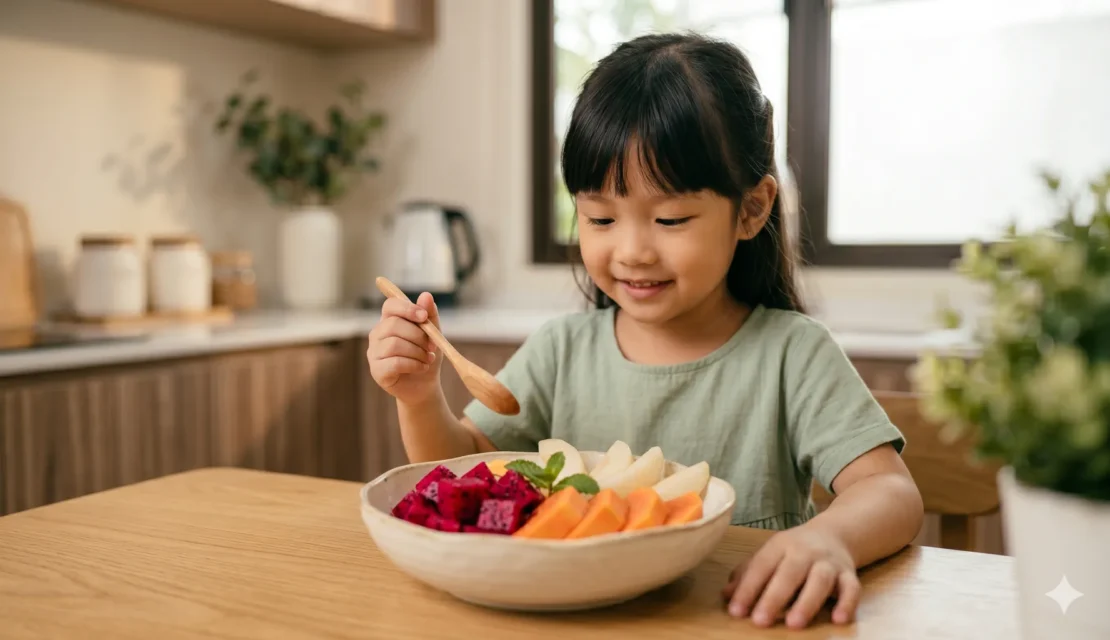
- Fruits: Pears, apples with skin on, prunes, kiwi, berries, and mangoes are all excellent. Prunes in particular are remarkably effective for constipation in kids and can be offered as a small snack or blended into a smoothie if your child objects to the texture.
- Vegetables: Broccoli, sweet potato, carrots, and peas are all high in fibre and easy to prepare in ways that most children will accept. Roasting vegetables often makes them sweeter and more appealing than steaming.
- Whole grains: Switching from white rice to a brown rice blend, or from white bread to wholegrain, makes a meaningful difference without requiring a dramatic change in what you cook.
- Legumes: Lentils, chickpeas, and edamame are fibre powerhouses that can be snuck into soups, stews, and pasta dishes without much fuss.
One important note: increase fibre gradually rather than all at once. A sudden large increase in fibre without adequate water intake can actually make constipation worse temporarily, so build it up slowly over a week or two.
Water Is Non-Negotiable
Fibre needs water to do its job properly. Without enough fluid intake, increased fibre can actually create harder, bulkier stools rather than softer ones. Getting children to drink enough water is genuinely one of the underrated challenges of parenting, but it matters enormously for digestive health.
Practical strategies that actually work:
- Offer water consistently throughout the day, not just at meals. Keep a small cup or water bottle visible and accessible at all times.
- Try infusing water with a slice of cucumber, a few berries, or a squeeze of lemon to make it more interesting without adding sugar.
- Warm soups and broths count toward fluid intake and are often well-received by young children.
- Diluted coconut water is a good option in the Indonesian context and is naturally hydrating.
- Limit sugary drinks and especially milk intake to reasonable amounts. Excessive cow’s milk consumption, more than 500ml per day, is a commonly overlooked contributor to constipation in kids.
Foods to Pull Back On
Just as important as what to add is what to reduce. Some foods that are very common in young children’s diets actively contribute to constipation and are worth cutting back, even if they are difficult to remove entirely.
- Refined white flour products, white bread, crackers, plain pasta
- Unripe bananas (ripe bananas are fine and can actually help)
- Excessive dairy, particularly large amounts of cheese and cow’s milk
- Processed snack foods that are high in salt and low in fibre
- Fast food eaten frequently
You don’t need to eliminate these entirely, but reducing the proportion they take up in your child’s diet while increasing the fibre-rich alternatives makes a very real difference.

Lifestyle Changes That Make a Lasting Difference
Diet gets most of the attention when it comes to constipation in kids, but lifestyle factors are equally important and sometimes more so. These changes cost nothing and carry benefits that go well beyond digestive health.
Physical Activity Keeps Things Moving, Literally
The digestive system responds directly to physical movement. When children are active, their intestines are stimulated, and stool moves through the system more efficiently. When children are sedentary, everything slows down, including digestion.
Toddlers and preschoolers should be getting at least three hours of physical activity spread throughout the day. This doesn’t have to be structured exercise. It can be running in the garden, dancing to music in the living room, playing at the park, or bouncing on a trampoline. The key is regular, joyful movement as a normal part of the day rather than something that only happens occasionally.
Establish a Toilet Routine After Meals
The gastrocolic reflex is a natural biological process where eating stimulates movement in the colon. This is why many people feel the urge to use the bathroom shortly after a meal. You can use this to your advantage by establishing a calm, consistent habit of having your child sit on the toilet for five to ten minutes after breakfast or dinner.
This doesn’t need to be forced or stressful. Keep it light and relaxed. Let them bring a book or a small toy. The goal is simply to create a regular window of opportunity and to help their body establish a rhythm.
Make sure the toilet setup is comfortable for young children. A footstool under their feet so they are in a slight squat position, rather than dangling in the air, makes a genuine physical difference to how easily they can pass a stool. This is not a small detail.
Address the Emotional Side of the Issue
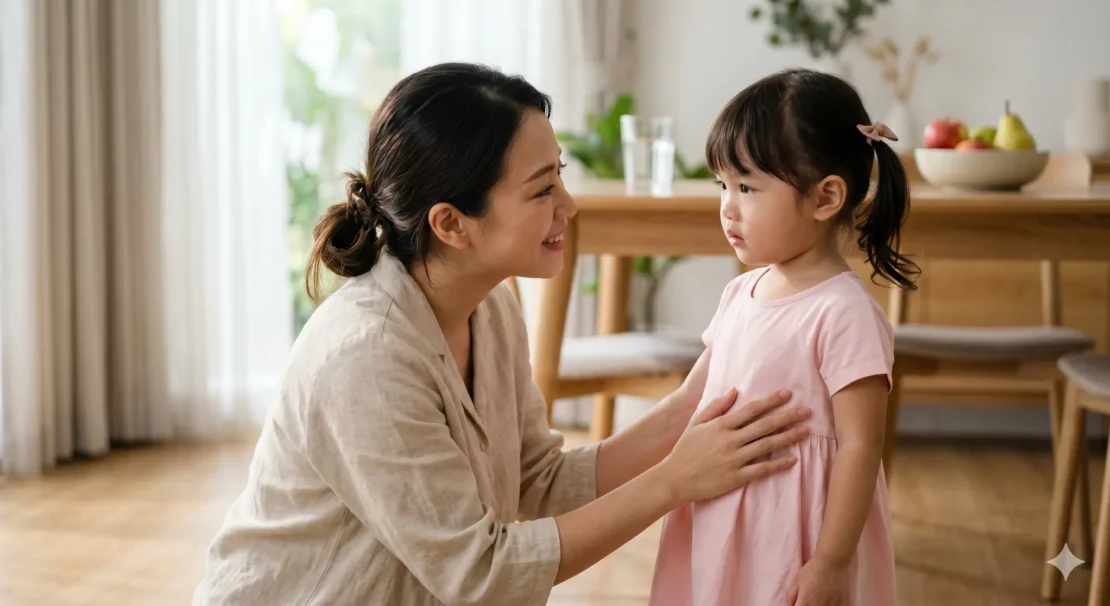
If your child has experienced a painful bowel movement, they may have developed a real fear of the toilet that is now making constipation in kids worse. This is very common and completely understandable from the child’s perspective, even if it is incredibly frustrating from yours.
Never force, rush, or express frustration during toilet time. The more relaxed and pressure-free the experience, the faster the fear cycle breaks. Some families find that a small sticker reward for simply sitting on the toilet, regardless of outcome, helps rebuild positive associations. Others find that reading a particular favourite book only during toilet time creates something to look forward to.
If the fear is significant and the withholding has been going on for a while, it is absolutely worth speaking to your paediatrician, because more targeted support may be helpful.
When to See a Doctor About Constipation in Kids
Most cases of constipation in kids respond well to the dietary and lifestyle changes above within one to two weeks. However, there are some circumstances where medical advice should be sought promptly rather than waiting.
Speak to your doctor if:
- Your child has not had a bowel movement in more than a week
- There is blood in the stool or on the toilet paper
- Your child is experiencing significant pain, vomiting, or fever alongside constipation
- The constipation has been going on for a month or more without improvement
- Your child is losing weight or has stopped growing normally
Your doctor may recommend a short course of a gentle laxative to clear the backlog before dietary changes can take full effect. This is entirely normal and not a sign that you’ve done anything wrong. Sometimes the system simply needs a reset before it can respond to new habits.
A Happy Tummy Starts With a Happy Day
Here is something we genuinely believe at Apple Tree Preschool BSD: a child’s physical health and their emotional world are inseparable. Children who are active, engaged, well-nourished, and emotionally settled simply thrive better in every way, including digestively.
Our days at Apple Tree, located in the Educenter BSD Building, are designed to give children exactly the kind of rich, physically active, socially warm experience that supports whole-child health. Through our Singapore curriculum, children move, play, create, and connect in ways that build healthy bodies and happy minds together.
When your child’s days are full of movement, laughter, good food, and genuine engagement, so many of the stress-related triggers for constipation in kids simply don’t take hold the way they might otherwise.
If you’d love to find out more about how we support children’s health and happiness every day, take a look at our programs for children from 18 months through to age 6.
You’ve Got This, and We’ve Got You
Dealing with constipation in kids is nobody’s idea of a good time, but it is very much a solvable problem. More fibre, more water, more movement, a consistent toilet routine, and a calm, pressure-free approach to the bathroom are the five pillars that will make the biggest difference for most families.
Be patient with the process and patient with your child. Change takes a little time, but the results, a comfortable, happy, regular little person, are absolutely worth the effort.
And if you’re looking for a school community that supports your family’s wellbeing journey every step of the way, we’d love to welcome you.
Register now and come play and learn with other children at Apple Tree Preschool BSD! Chat with us on WhatsApp or call us directly at +62 888-1800-900. We’re always happy to hear from you!




Be the first to write a comment.