

If you have ever watched your child burst into tears because the banana broke the “wrong” way, or because someone else got the blue cup, you already know that building child resilience is not some fancy parenting buzzword. It is real, it matters, and it starts surprisingly early. At Apple Tree Pre-School BSD, located in Educenter bsd, we often remind parents that resilience is not about raising children who never cry, never struggle, or somehow glide through life like tiny motivational speakers. It is about helping you raise a child who can feel big emotions, recover from setbacks, and keep going with confidence.
That matters because childhood is full of small storms. A toy breaks. A friend says no. A worksheet feels hard. A game does not go their way, which, as many of us know, can feel like a full constitutional crisis at age four. These moments may look small to us, but to children, they are often the training ground for emotional strength.
The good news is that resilience is not something a child either has or does not have. It can be taught, modelled, and strengthened every day, both at home and at school.
Building Child Resilience Starts with Understanding What It Really Means
When people hear “resilience,” they sometimes imagine a child who is tough, quiet, and unaffected by disappointment. That is not actually what we want. A resilient child is not emotionless. A resilient child feels things fully, but learns how to move through those feelings in a healthy way.
Resilience is not about avoiding tears
Children do not become resilient by being told not to cry. They become resilient when they learn that emotions are safe, temporary, and manageable. If your child feels sad, frustrated, shy, or disappointed, that is not a failure. That is practice.
Building child resilience means teaching you and your child that hard feelings do not need to be feared. They need to be understood.
Emotional resilience grows through everyday moments
You do not need a dramatic life lesson to teach resilience. In fact, most of it grows in very ordinary situations. It happens when your child loses a turn, spills a drink, cannot zip a jacket, or has to try again after getting something wrong.
Those little moments are where emotional muscles get built. Not glamorous, perhaps, but very effective.
Why Some Children Struggle More with Setbacks
Every child has a different temperament. Some bounce back quickly. Others feel everything deeply and need more time. Neither type is “better,” by the way. The dramatic child may also be your most empathetic one, which is lovely and exhausting in equal measure.
Temperament plays a big role
Some children are naturally cautious, sensitive, or easily overwhelmed. They may need more reassurance when plans change or when something does not go as expected. This does not mean they are weak. It usually means they feel deeply and need help learning how to handle that depth.
A big part of building child resilience is respecting your child’s nature while still helping them stretch.
Adults can accidentally make resilience harder
We say this gently, because we have all done it. Sometimes adults rush in too fast, fix problems too quickly, or over protect children from any discomfort. It comes from love, of course, but it can send the message that your child cannot cope without rescue.
Other times, adults go too far the other way and dismiss feelings with phrases like “You are fine” or “It is not a big deal.” The problem there is simple. If your child feels big feelings and hears that they should not, they may feel even more alone.

Simple Ways to Start Building Child Resilience at Home
The encouraging part is that resilience does not require a grand parenting overhaul. It grows through simple, repeatable habits. You are probably already doing some of them.
Let your child experience manageable frustration
This one is important. A child cannot build resilience if every challenge is removed before they feel it. That means it is okay for your child to struggle a little while putting on shoes, solving a puzzle, or waiting for a turn.
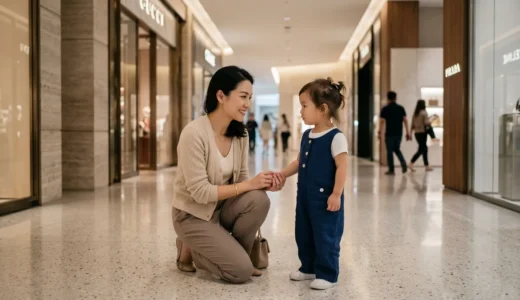
You can stay close without taking over. Try saying:
- “This is tricky, but I know you can keep trying”
- “Take your time, you are figuring it out”
- “Do you want help, or do you want one more try first?”
That kind of support teaches confidence without creating dependence.
Name feelings without panic
When your child is upset, your calm voice becomes their guide. You do not need a perfect speech. Simple language works beautifully.
You might say:
- “You are feeling really disappointed”
- “That was frustrating, wasn’t it?”
- “You wanted it to go differently”
- “It is okay to feel upset, we can handle this together”
This helps your child learn that emotions can be named, survived, and soothed.
Praise recovery, not perfection
Parents often praise success, which is lovely, but resilience grows when you also notice recovery. Did your child calm down faster than usual? Try again after giving up? Ask for help instead of falling apart? Those are the moments to highlight.
For example:
- “You were upset, but then you took a breath and kept going”
- “I noticed you tried again after it did not work”
- “You felt sad, but you stayed with it”
That is building child resilience in real time.

Habits That Strengthen Emotional Resilience Over Time
Resilience is easier to build when your child’s daily life feels safe, predictable, and connected. Children cope better when their basic emotional needs are met consistently.
Routines give children emotional security
A child with regular sleep, meals, and predictable transitions usually handles stress better than a child who is constantly overtired or rushed. It sounds obvious, but it matters hugely.
Helpful foundations include:
- consistent bedtime and wake up routines
- enough time for play and movement
- calm transitions before and after school
- limited overstimulation from screens
- regular connection with parents and caregivers
These basics do not solve everything, but they make everything easier.
Stories and play are powerful tools
One of our favourite ways of building child resilience is through stories, pretend play, and conversation. Children often understand emotional lessons better when they are wrapped inside a story than when they arrive as a lecture.
You can ask simple questions like, “What could this character do now?” or “What would help them feel brave again?” Through play, children rehearse recovery, problem solving, and emotional expression without even realising it.
How School Helps with Building Child Resilience
Children spend a huge part of their early years learning how to be with other people, manage disappointment, and try again after setbacks. That is why the school environment matters so much.
At Apple Tree Pre-School BSD, we believe resilience grows best in a place where children feel safe, seen, and supported. Through our Singapore curriculum, children explore English, Mathematics, Chinese, Creativity, Social Studies, Science, Bahasa, Moral, Music, Physical Education, and Phonics while also learning life skills that matter just as much, like patience, confidence, cooperation, and emotional regulation.
In the classroom, resilience often grows through small social moments. Waiting for a turn. Sharing materials. Trying a new activity. Speaking up after making a mistake. These are not side lessons. They are central to healthy development.
Many families who visit our programs tell us they are not only looking for academics. They want a learning environment that helps their child become emotionally strong, socially confident, and genuinely happy. We understand that deeply, and it shapes everything we do.
You can also find us at the Educenter BSD Building, right in the heart of the BSD community, which makes it easier for families looking for a nurturing preschool close to home.
Strong Hearts Grow One Small Moment at a Time
Building child resilience is not about raising a child who never struggles. It is about raising a child who learns, little by little, that struggle is survivable. With your support, your child can learn to face disappointment, recover from mistakes, and step back into the world with courage.
We would love to support you on that journey. If you are looking for a preschool that values emotional growth just as much as academic progress, Apple Tree Preschool BSD may be the right place for your family.
Chat with us on WhatsApp or call us at +62 888-1800-900 to learn more. Register now, and come play and learn with other children in a warm environment where resilience, confidence, and joy grow together.




Be the first to write a comment.