If you are worried about a child eating too much rice, you are definitely not the only parent staring at a plate and wondering how the chicken, vegetables, and fruit somehow got ignored while the rice disappeared first. At Apple Tree Preschool BSD, near Educenter bsd, we hear this concern all the time from families who want their children to eat well without turning every meal into a debate worthy of national television. Rice is comforting, familiar, and deeply rooted in everyday Indonesian family life, but when it starts becoming the star, the backup singer, and the whole band, it may be time to rebalance the plate.
The good news is that you do not need to ban rice or start serving mysterious health food that nobody asked for. Most children can learn to enjoy a more balanced diet when meals stay familiar, pressure stays low, and parents make steady, simple changes. The goal is not to fight rice. The goal is to help your child see that rice is one part of a meal, not the entire event.
Why a Child Eating Too Much Rice Is So Common in Indonesia
Rice is more than food in many Indonesian homes. It is comfort, culture, routine, and in some households, almost a legal requirement for calling something a proper meal. Many children grow up hearing that they are not truly full unless they have eaten rice, so it makes perfect sense that they reach for it first.
For young children, rice also has other advantages. It is soft, familiar, easy to chew, and rarely surprising. Compared with vegetables that look suspiciously green or protein that needs more chewing, rice is the safe and dependable friend on the plate.
Why children naturally choose rice first
There are a few reasons this pattern becomes so strong:
- Rice feels familiar and predictable
- It is easy to eat quickly
- Parents may serve larger portions of rice than other foods
- Vegetables and proteins may feel less interesting or harder to chew
- Children often copy the family eating pattern around them
None of this means rice is bad. It just means that when a child eats too much rice and too little of everything else, they may miss out on the balance their growing body needs.
Child Eating Too Much Rice Can Miss Out on Key Nutrition
Rice gives children energy, and that matters. Active preschoolers run, jump, climb, ask twelve thousand questions before lunch, and somehow still have energy left to sing loudly in the car. They absolutely need carbohydrates.
Still, when rice takes up most of the plate, other important nutrients can get pushed aside. Children also need protein for growth, healthy fats for brain development, and vitamins and minerals from vegetables, fruit, eggs, fish, tofu, tempeh, and other whole foods.
What a more balanced plate can offer
A varied meal helps support:
- Stronger growth and muscle development
- Better concentration and steady energy
- Healthy digestion
- Immune support
- More stable eating habits over time
In other words, rice is helpful, but rice cannot do every job on its own. Even rice deserves a team.
How to Balance Meals Without Making Rice the Enemy
When parents realise their child is eating too much rice, the first impulse is sometimes to cut it down suddenly. That usually backfires. Young children tend to cling harder to familiar foods when they feel pressured or restricted.
A gentler approach works much better. Keep rice on the plate, but start adjusting the portions and surrounding foods so the whole meal feels more balanced and inviting.
Start by changing the plate, not the lecture
Children rarely respond well to speeches about nutrition. They respond much better to what they see, what feels normal, and what is offered consistently.
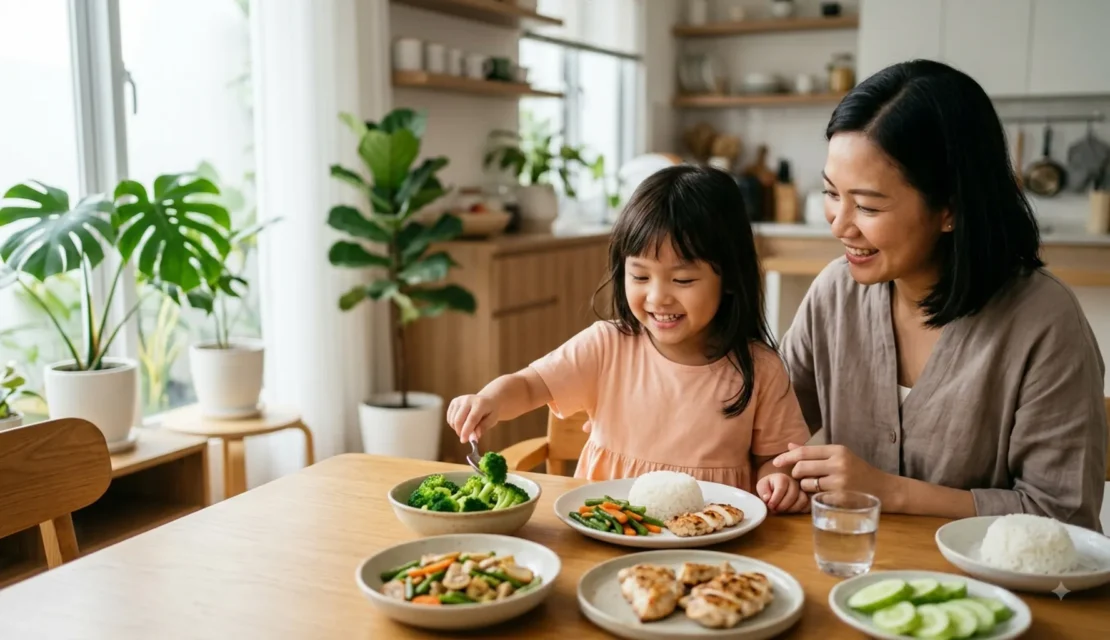
A simple balanced plate might include:
- A smaller scoop of rice
- One source of protein, such as egg, chicken, fish, tofu, or tempeh
- One or two vegetables
- Fruit on the side or after the meal
You do not need perfection at every meal. You just want your child to start seeing that rice shares the plate with other foods, rather than taking over like an overly confident houseguest.
Serve protein and vegetables in child friendly ways
Sometimes the issue is not the food group. It is the form. A child who ignores spinach may eat it in an omelette. A child who refuses fish may accept it in a soft rice ball, soup, or patty.
Try familiar, gentle options like:
- Egg and vegetable fried rice with more egg than usual
- Tempeh cut into smaller crispy pieces
- Chicken soup with soft carrots and potatoes
- Tofu cubes in mild broth
- Corn fritters with grated vegetables
The goal is to make other foods feel approachable, not to transform dinner into a nutrition experiment that frightens everybody.
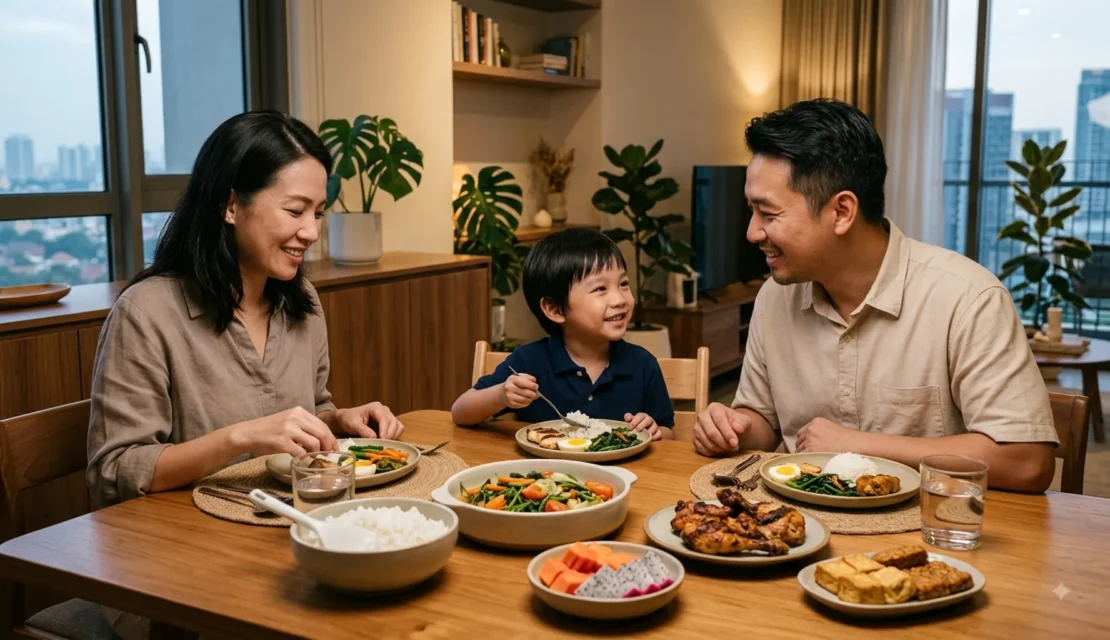
Child Eating Too Much Rice Often Needs Better Mealtime Structure
Sometimes children eat too much rice simply because it is the fastest and easiest thing available. If they arrive at the table tired, distracted, or very hungry, they may fill up on the first familiar food they can manage quickly.
That is why mealtime structure matters more than many parents realise. A calm table, reasonable snack timing, and consistent routines can help children explore the rest of the meal more willingly.
Watch snack timing and milk intake
If your child drinks a lot of milk or eats frequent snacks, they may arrive at meals wanting only quick comfort food. Rice often becomes that comfort choice. Try spacing snacks well enough that your child comes to meals with a healthy appetite.
This does not mean letting children become desperate and ravenous. It just means making room for proper meals to do their job.
Offer meals family style when possible
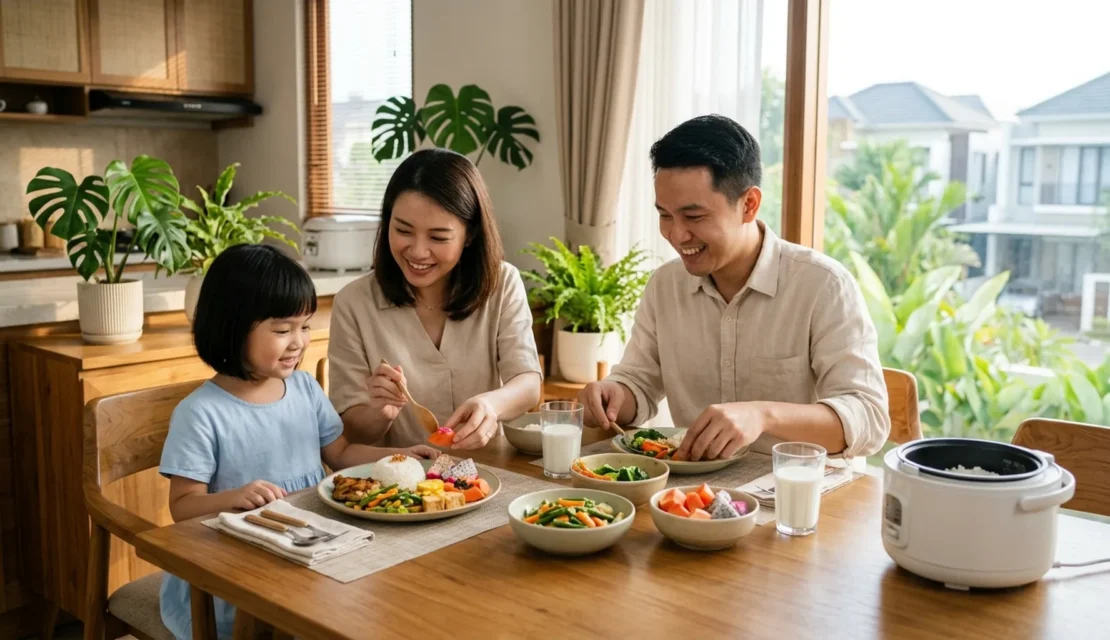
Children often eat better when they can see the options and feel involved in choosing. A simple family style approach can help them feel more curious and more in control.
You might place rice, vegetables, and protein in serving bowls and say, “Let us build your plate together.” A child who helps choose the tempeh may be more likely to eat the tempeh. This is one of childhood’s more charming loopholes.
Helping Children Accept More Than Rice Takes Repetition
If your child has been heavily focused on rice for a while, do not expect one improved dinner to solve everything by Thursday. Food acceptance usually builds slowly. Repetition matters a great deal.
Children often need many exposures to the same food before it becomes familiar enough to try. That means your child may ignore the carrots today, poke them tomorrow, and finally taste them next week. Slightly maddening, yes, but completely normal.
Keep pressure low and exposure steady
A helpful approach looks like this:
- Keep serving small portions of non rice foods regularly
- Avoid forcing bites
- Let your child see you enjoying the same foods
- Praise curiosity, not just eating
- Stay calm if progress is slow
When food stops feeling like a battle, children become more open over time. The long game wins here.
Building Healthy Food Habits at School and at Home
At Apple Tree Preschool BSD, we believe children build strong habits best when school and home work together. Food routines, independence, curiosity, and confidence all grow through daily experiences, not one dramatic lecture over lunch. That is why we encourage balanced habits that help children grow smart and happy together with parents.
If you would like to learn more about our programs, we would be delighted to show you how we support the whole child through nurturing routines, joyful learning, and everyday life skills. Our location in the Educenter BSD Building also makes things easier for many busy families in BSD, and honestly, easier routines are a gift.
Small Plate Changes, Big Long Term Wins
If you are raising a child eating too much rice, take heart. This is a very common pattern, and it can improve with small, steady changes that respect both your child’s development and your family’s food culture. You do not need to remove rice from your home. You just need to make sure it shares the stage with the many other foods your child needs.
We would love to support your family with a warm preschool environment where healthy habits, confidence, and joyful routines grow together. Chat with us on WhatsApp or call +62 888-1800-900 to learn more.
Register now, and come play and learn with other children.




Be the first to write a comment.