When you picture a great school day for young children, you probably do not imagine them sitting still for hours with serious faces and tiny folded hands. You probably picture movement, laughter, questions, paint on sleeves, and a lot of joyful noise, which is exactly why preschool classroom activities matter so much in the early years. At Apple Tree Pre-School BSD, right here in Educenter bsd, we see every day that active learning helps children absorb more, enjoy more, and grow in ways that feel natural instead of forced.
Many parents ask us how children actually learn best at preschool. The short answer is, they learn by doing. When children can touch, move, sing, sort, build, pretend, and explore, they stay engaged much longer, and the learning sticks in a way that worksheets alone simply cannot match.
Why Preschool Classroom Activities Matter So Much
The best preschool classroom activities are not random games to fill time. They are carefully designed experiences that build language, motor skills, focus, confidence, and social development all at once. To a child, it may look like fun, and honestly, that is the magic part, because meaningful learning should feel exciting.
In our classrooms, we use active learning to support the Singapore curriculum through English, Mathematics, Chinese, Creativity, Social Studies, Science, Bahasa, Moral, Music, Physical Education, and Phonics. Children are far more likely to remember a concept when they have experienced it with their whole body and mind. That is why active learning often brings out the best in even the shyest little learners.
What active learning looks like in preschool
Active learning means children are involved, not just watching from the sidelines. They are asking questions, making choices, trying ideas, and learning from the results. Sometimes that result is brilliant, and sometimes it is a block tower falling down for the fourth time, which is still excellent learning, even if it does not look very glamorous.
Here are some qualities we look for in effective preschool classroom activities:
- They invite children to participate fully
- They match the child’s developmental stage
- They build more than one skill at a time
- They encourage curiosity and confidence
- They leave room for creativity and problem solving
10 Preschool Classroom Activities That Make Learning Come Alive
These preschool classroom activities are creative, practical, and wonderfully effective for helping children stay active while learning important early skills.
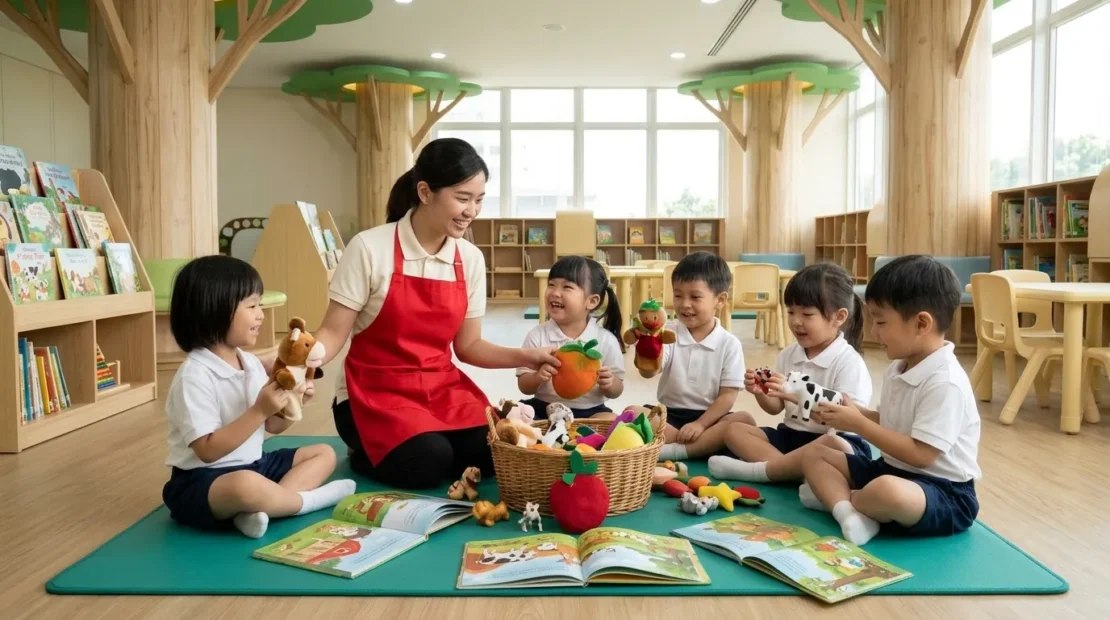
1. Story basket exploration
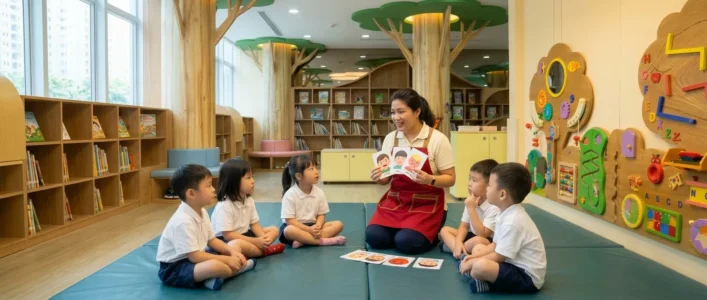
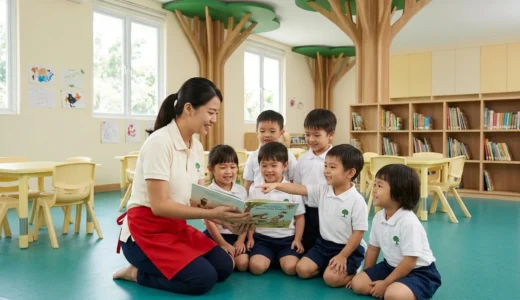
A story basket includes props related to a book, such as animal figures, fabric, puppets, or objects connected to the characters. After reading together, children use the items to retell the story in their own words. This strengthens listening, memory, sequencing, and language skills.
We love this activity because it helps children move from hearing a story to owning it. You can often tell when a book has really landed, because suddenly everyone wants to be the tiger, the farmer, or the very dramatic lost duck.
2. Alphabet treasure hunt
In this activity, children search the classroom for hidden letters or objects that begin with certain sounds. Once they find them, they match the letter to a board, say the sound aloud, or place it in a word group. It turns phonics into something active and playful.
This is one of those preschool classroom activities that looks simple but works beautifully. Children are moving, observing, and connecting sounds to symbols without feeling like they are doing something overly formal.
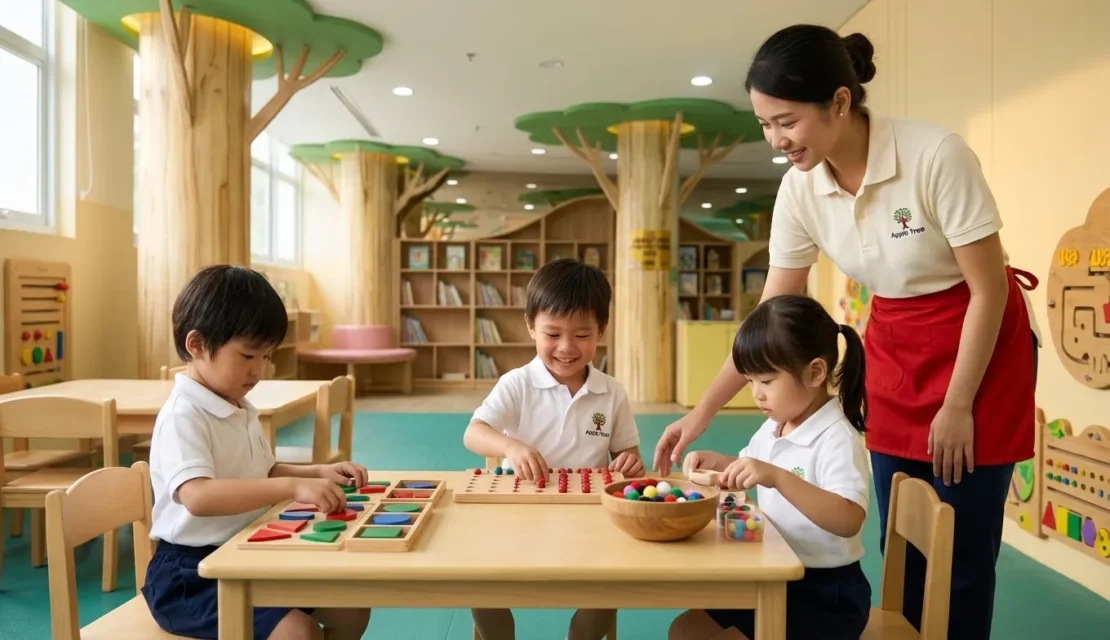
3. Counting with movement stations
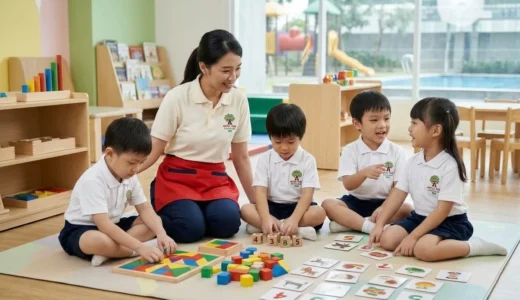
Math gets much more exciting when children can jump, clap, toss, or hop as they count. At movement stations, children complete tasks such as hopping five times, sorting three red balls, or building a tower with seven blocks. This makes early numeracy feel physical and memorable.
It also helps children who learn better through movement, which is a lot of preschoolers, to be honest. Sitting still is not always a sign of understanding, especially at age four.
4. Sensory tray discovery
Sensory trays filled with rice, sand, water beads, scoops, letters, or themed objects give children a chance to explore with their hands while developing fine motor control and focus. Teachers can add academic goals too, such as finding sight words, counting items, or sorting by size and texture.
Children are naturally curious, so sensory work pulls them in right away. Yes, it can get a little messy, but preschool and spotless floors are not always best friends, and we have made peace with that.
5. Role play corner activities
Pretend play areas like a mini market, home kitchen, doctor clinic, or post office are excellent for social and language growth. Children take turns, solve problems, and practice real life vocabulary while acting out familiar situations. This helps them build confidence and communication skills.
Role play is one of the richest preschool classroom activities because it supports emotional and social learning too. Children process their world through pretend play, and sometimes they reveal exactly how they think adults sound, which can be both useful and humbling.
How Preschool Classroom Activities Support Whole Child Development
The real strength of preschool classroom activities is that they do not teach just one thing at a time. A child might be painting, but they are also learning patience, grip control, color vocabulary, and self expression. That layered learning is exactly what makes preschool such an important stage.
6. Music and rhythm games
Clapping patterns, action songs, and simple instruments help children develop listening skills, memory, coordination, and timing. Music also supports language development because children hear patterns, repetition, and sound differences very clearly.
We often find that children who are quiet during circle time suddenly shine during music activities. Give a child a rhythm stick and a catchy song, and they may transform into the most enthusiastic performer in the room.
7. Nature based sorting and science play
Leaves, stones, flowers, seed pods, and twigs can become fantastic learning tools. Children can sort by color, size, shape, or texture, and teachers can guide discussions about seasons, living things, and observation skills. Science becomes much more meaningful when children can touch what they are learning.
This type of activity also encourages slower, more thoughtful attention. In a busy world, there is something refreshing about watching children become completely fascinated by a leaf.
8. Art invitations with open ended materials
Instead of asking every child to make the same craft, we love offering paper, glue, buttons, paint, recycled materials, and markers so children can create freely. Open ended art gives them the chance to plan, choose, experiment, and express ideas in their own way.
These preschool classroom activities build creativity and decision making, which are skills children need far beyond preschool. It also sends a lovely message, your ideas matter here.
9. Cooperative building challenges
Children work in pairs or small groups to build something with blocks, cups, magnetic tiles, or cardboard. The goal might be to make a bridge, a house, or a tower that can hold a toy. Activities like this develop teamwork, communication, and early engineering thinking.
They also teach children how to handle differing opinions, which can be a very big deal when two five year olds both feel deeply committed to entirely different tower designs.
10. Circle time question games
Question games during circle time encourage children to think, speak, and listen to one another. Prompts like “What would you pack for a rainy day?” or “How can we help a sad friend?” build vocabulary, reasoning, and empathy. Children learn that their ideas have value.
This is one of the most powerful preschool classroom activities because it creates a sense of community. Children begin to understand that learning is not only about knowing the answer, but also about sharing, wondering, and growing together.
Where Active Learning Feels Right From The Start
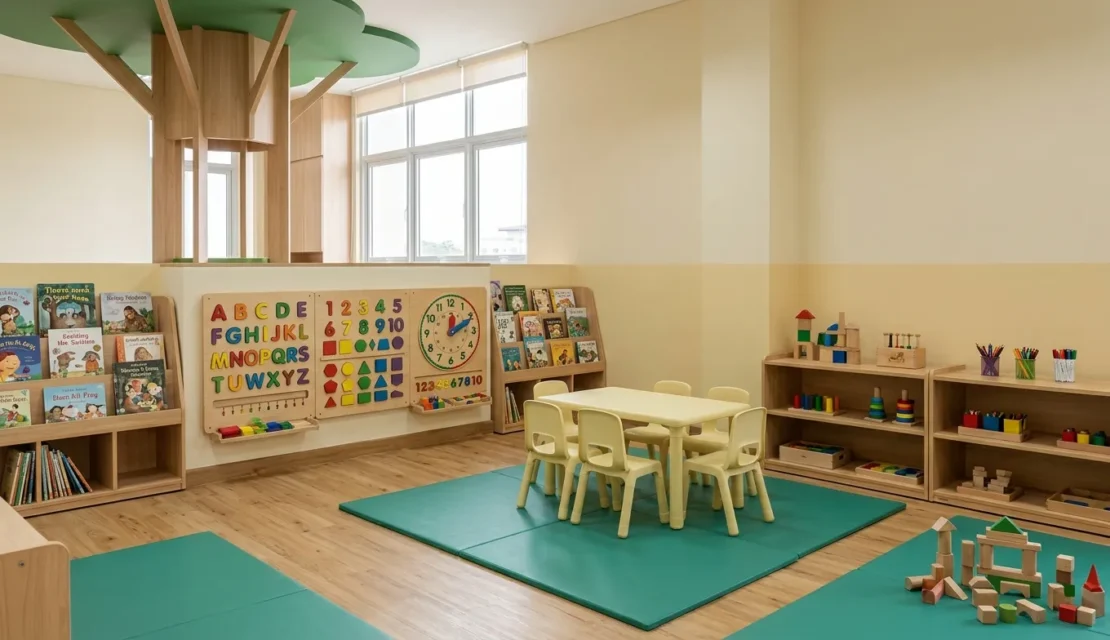
When you choose a preschool, it helps to look beyond the classroom decorations and ask how children actually spend their day. Are they exploring, talking, moving, and engaging with ideas in meaningful ways? At Apple Tree, we design learning experiences that support the whole child, with class sizes that allow children to be guided with care, from 12 children in our Toddler classes, 16 in Pre Nursery, and 20 in Nursery, Kindergarten 1, and Kindergarten 2.
If you are curious about how these preschool classroom activities come to life across different age levels, you can explore our programs. Every stage is planned to help children grow smart and happy together with parents, which is a mission we take very seriously, even on days when someone proudly wears two different shoes to school.
Let The Learning Be Joyful
The best preschool classroom activities do more than keep children busy. They build confidence, curiosity, social skills, problem solving, and a genuine love of learning that can last well beyond the preschool years. When children are given space to move, create, imagine, and participate, they do not just learn better, they grow better too.
If you would like your child to experience active, joyful learning at Apple Tree Preschool BSD, we would love to meet your family. You can Chat with us on WhatsApp or call us directly at +62 888-1800-900 to ask about registration and class availability. Come play and learn with other children in a place where every little step matters.


Be the first to write a comment.