
If you have started thinking about social media literacy for your little one, you are already asking one of the smartest parenting questions around. These days, even very young children can recognize scrolling, short videos, filters, and the strange magic of a phone that seems more interesting than any toy in the house. At Apple Tree Pre-School BSD, located in the Educenter BSD Building, we often talk with parents who want to raise children who are curious, confident, and tech aware without letting screens quietly take over the family mood.
That balance matters more than ever. Social media can shape how children focus, copy behavior, react to emotions, and understand the world long before they are old enough to judge what they are seeing. The good news is that with guidance, boundaries, and a healthy home routine, you can build strong social media literacy from an early age without turning every screen conversation into a courtroom debate with a three year old.
Social Media Literacy and Why It Matters for Young Children
When we talk about social media literacy, we are not expecting preschoolers to analyze internet trends over breakfast. We are talking about helping children slowly learn that what appears on a screen is not always true, healthy, kind, or suitable for them. It also means helping you, as parents, make intentional choices about what your child watches, when they watch it, and how they talk about it.
Young children are natural imitators. They copy words, facial expressions, tones of voice, and behaviors with remarkable speed. Sometimes this is adorable, and sometimes it means your child suddenly says something dramatic they clearly did not learn from storybooks.
Young children absorb more than we think
A preschool child may not fully understand a video, but that does not mean the video has no impact. Children absorb sounds, tension, excitement, fast pacing, and repeated images even when they cannot explain what they just watched. Their brains are still learning how to process information, manage attention, and regulate emotions.
That is why social media literacy starts with adult awareness. Before children learn to question media, they need adults who question it for them.
Social media is designed to grab attention
Many social media platforms are built to keep people watching for as long as possible. Bright visuals, catchy sounds, fast cuts, and endless scrolling are hard even for adults to resist. So if your child becomes glued to the screen and then melts down when it is time to stop, that is not because you are weak and your child is plotting against bedtime.
It is because the content is doing exactly what it was designed to do. Once you understand that, it becomes easier to set boundaries without feeling guilty.
How Social Media Can Affect Young Children
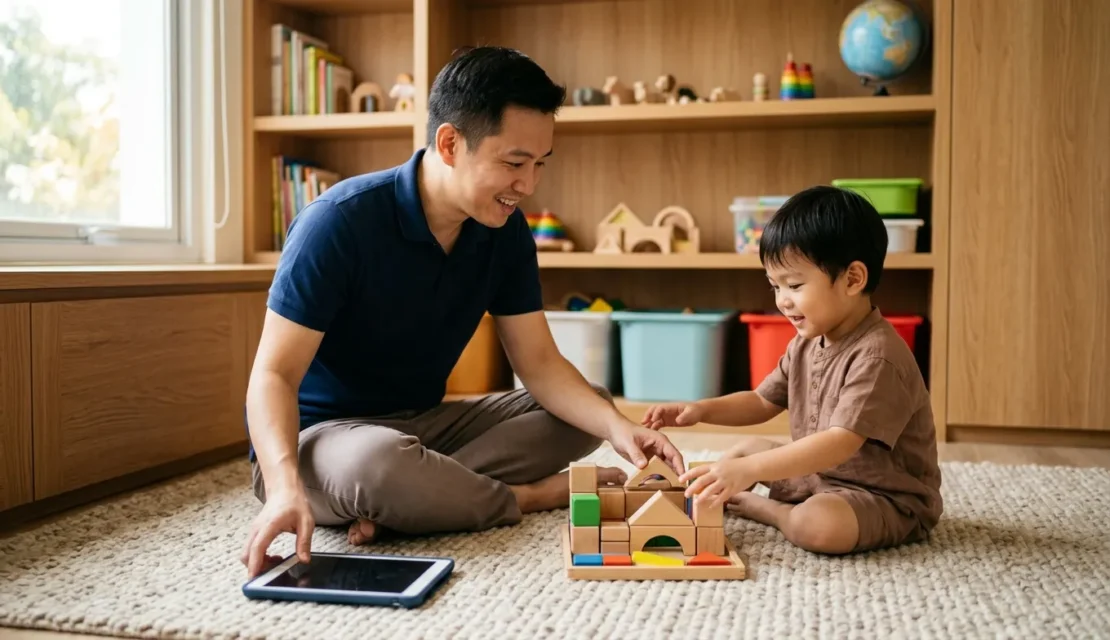
The impact of social media on young children is usually less about one dramatic moment and more about small repeated effects over time. A little here and there can start shaping habits, attention, and expectations in ways parents do not always notice right away.
Attention span can shrink
Fast moving content can make slower paced activities feel less interesting. After watching short, stimulating videos, some children struggle to sit with books, puzzles, open ended play, or even a conversation at dinner. Their brains start expecting constant novelty.
We sometimes see this in class when children are bright and capable but find it hard to stay with one task. They are not lazy, they are simply used to stronger stimulation.
Emotions can become harder to manage
Some content creates emotional overload. Loud sounds, exaggerated reactions, conflict, prank style humor, or visually intense clips can leave young children feeling restless, anxious, or easily frustrated. They may not say, “That media overstimulated my nervous system,” but their behavior says plenty.
Signs can include:
- Irritability after screen time
- Difficulty stopping when asked
- Trouble sleeping
- Increased whining or impulsive behavior
- Repeating phrases or behaviors they do not fully understand
That is why social media literacy includes helping children notice how media makes them feel, not just what it shows them.
Children may copy behavior without context
Young children often imitate before they understand. If they see rude language, risky behavior, or mean jokes presented as funny, they may repeat them without realizing the impact. This can affect how they play, speak to others, and respond when they do not get their way.
We have all had those moments when a child says something oddly grown up and you think, “Well, that definitely did not come from our phonics lesson.”
Social Media Literacy Starts at Home
You do not need to ban every device to raise a thoughtful child. What matters more is how media is introduced, supervised, and discussed at home. Children do best when technology has structure instead of becoming the default babysitter for every tired afternoon.
Be intentional about what your child watches
Not all screen time is equal. A calm educational video watched together is different from endless autoplay clips with random content and no context. Choose media the way you choose food, not everything available is nourishing just because it is easy to grab.
A helpful parent checklist includes:
- Preview content before your child watches it
- Choose age appropriate, slower paced material
- Avoid open ended scrolling platforms for young children
- Watch together when possible
- Turn off devices before overstimulation kicks in
When you are selective, you are already teaching social media literacy in a very practical way.
Talk about media in simple language
Children do not need a lecture on digital culture. They need simple conversations they can understand. If something on screen is unkind, unrealistic, or confusing, say so in calm everyday language.
You can say things like:
- “That is pretend, not real life”
- “That person is not speaking kindly”
- “This video is silly, but we do not copy that at home”
- “Your body looks tired, it is time for a break”
These little comments help children build critical thinking bit by bit.

Management Tips That Actually Work
If social media already has a strong grip on your child’s routine, do not panic. Most families can improve things with steady, realistic changes. The goal is progress, not perfection.
Create screen routines, not random screen moments
Children handle limits better when the rules are predictable. If screens appear anytime boredom hits, children quickly start expecting them everywhere, including meals, car rides, and five quiet minutes before you answer a message.
Try setting clear patterns, such as:
- Screen time only after naps or outdoor play
- No phones during meals
- No screens one hour before bed
- Weekday limits that stay consistent
Children may complain at first, because of course they will, but consistency usually brings calmer results.
Protect the activities that children need most
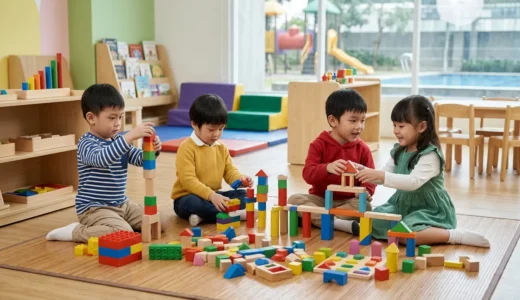
Young children still need play, movement, hands on learning, sleep, stories, and face to face interaction far more than they need digital entertainment. Real world experiences build the skills that screens cannot replace, including communication, patience, creativity, and problem solving.
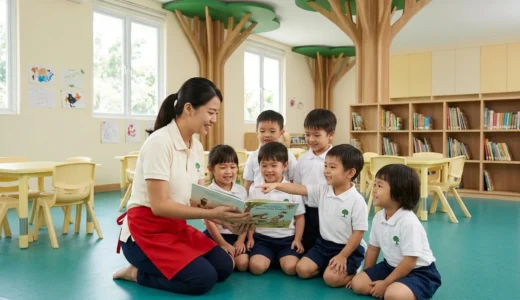
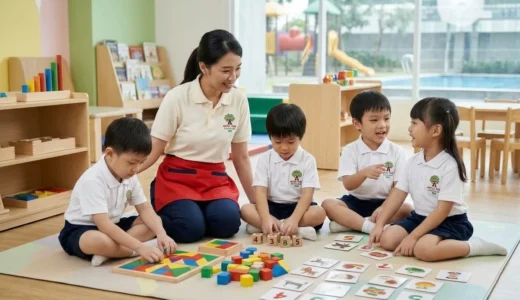
That is one reason many parents explore our programs. In a warm preschool environment, children practice learning through play, conversation, movement, and meaningful routines, which helps balance the fast pace of the digital world.
Model healthy habits yourself
This part is humbling, we know. Children notice when adults say “no more screens” while checking messages every two minutes. You do not need to be perfect, but it helps when your child sees that phones are tools, not permanent body accessories.
Even small habits matter. Putting your phone away during meals, story time, or pick up time tells your child that people come first.
Raising Children Who Can Handle the Digital World
Social media literacy is really about helping children grow up with judgment, balance, and emotional awareness. You cannot control every screen they will one day encounter, but you can shape the habits and values they carry into that world. When children learn to pause, question, and stay connected to real life, they become much better prepared for the digital environment around them.
If you want your child to grow in a caring, playful learning community that supports strong values, communication, and healthy development, we would love to welcome you to Apple Tree Pre-School BSD. You can Chat with us on WhatsApp or call us at +62 888-1800-900 to learn more about our classes and daily routines. Come play and learn with other children, and let us help your little one grow smart and happy together with you.


Be the first to write a comment.