
If your child afraid to ask questions seems confident at home but suddenly goes quiet in class, you are not imagining things. At Apple Tree Pre-School BSD, located in Educenter bsd, we often meet parents who say, “At home, my child asks about everything, from ants to airplanes, but at school, not a word.” That contrast can feel puzzling, but it is actually very common in the early years.
The truth is, curiosity is natural. Fear is learned. A child is not born worrying whether a question sounds silly. Somewhere along the way, they begin to notice reactions, compare themselves to others, and wonder if speaking up is safe.
That is why this matters so much. When children feel free to ask questions, they become more confident learners, stronger communicators, and far more joyful participants in the classroom. When they stay silent, even though they are curious, they can miss out on learning, connection, and confidence.
Why a Child Afraid to Ask Questions Becomes Quiet
A quiet child is not always a child with nothing to say. Very often, it is a child with plenty going on inside, but not enough confidence to let it out. Once we understand the reasons, it becomes much easier to support them well.
Fear of getting the answer wrong
This is one of the biggest reasons a child afraid to ask questions stays silent. Some children worry that their question might sound “wrong,” or that other children already know the answer. Even preschoolers can feel embarrassed, which is a little unfair really, because they are tiny and still figuring out socks.
When a child starts believing that being smart means already knowing everything, they become less willing to ask. They may wait, watch, and hope someone else says it first. Over time, that habit can make them appear less engaged than they really are.
Personality and classroom dynamics
Some children are naturally bold and will ask why the moon follows the car, why fish do not wear jackets, and why lunch cannot be ice cream. Others are more reserved. They may need longer to warm up, more reassurance, and a setting that feels emotionally safe.
A child afraid to ask questions may also be affected by the energy of the room. If the class feels rushed, loud, or highly competitive, a quieter child can easily retreat. This does not mean they are not curious. It usually means they are still deciding whether the space feels safe enough.
Past experiences shape confidence
Children remember more than we think. A dismissive response, a laugh from a classmate, or being interrupted too often can make a child hold back next time. Even well meaning adults can accidentally shut down curiosity by answering too quickly or brushing off repeated questions with, “Because I said so.”
We have seen children bloom simply because someone finally paused, listened, and treated their question like it mattered. Because it did.

How to Help a Child Afraid to Ask Questions at Home
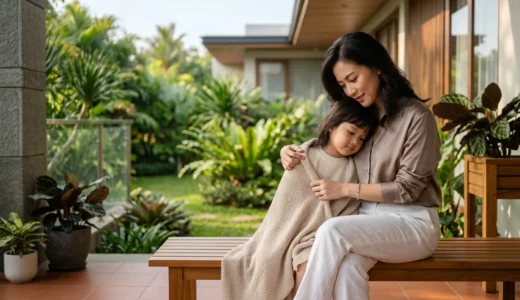
Home is where brave communication often begins. You do not need to turn your house into a mini lecture hall. In fact, please do not. You just need to make curiosity feel welcome.
Respond warmly, even to the endless questions
When your child asks “why” for the fourteenth time before breakfast, it can test the limits of human patience. We understand. But the way you respond teaches your child whether questions are a good thing or an annoying thing.
Try simple responses like these:
- “That is such a good question.”
- “Let’s think about that together.”
- “I am not sure, shall we find out?”
- “I love how you noticed that.”
These responses do something powerful. They show your child that asking is smart, not bothersome.
Let your child see your own curiosity
Children copy what they see. If you model asking questions, wondering aloud, and enjoying the process of finding answers, your child learns that curiosity belongs to everyday life.
You might say, “I wonder why the sky looks pink tonight,” or “I am not sure how that works, let’s check.” That kind of language normalises not knowing. It teaches your child that intelligent people ask questions all the time, and quite honestly, they do.
Give your child the words to speak up
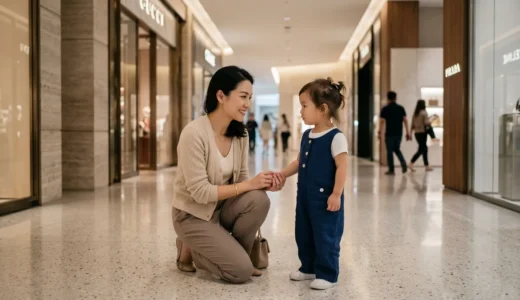
Sometimes a child afraid to ask questions does not need more courage first. They need the sentence starter. Having words ready can make a huge difference in class.
You can practise useful phrases like:
- “Can you help me, please?”
- “I do not understand yet.”
- “Can you say that again?”
- “I have a question.”
- “Why does that happen?”
Role play can help too. Pretend you are the teacher and let your child practise asking. Preschoolers love role play anyway, especially if they get to be in charge for a bit.
What Teachers and Schools Can Do to Build Brave Question Askers
Children do best when home and school work together. A child afraid to ask questions often becomes more confident when adults create an environment where curiosity feels safe, expected, and celebrated.
Make questions part of the routine
When teachers regularly invite questions, pause long enough for children to think, and praise curiosity, children begin to feel that speaking up is part of learning. It stops feeling risky and starts feeling normal.
This can be as simple as saying, “What are you wondering about?” or “Who has a question in their mind?” Those little shifts matter. They open the door for children who might not jump in on their own.
Value the question, not just the answer
In many learning environments, answers get all the attention. But questions are often where the real learning starts. When adults respond positively to thoughtful questions, children learn that curiosity has value of its own.
A child afraid to ask questions needs to feel that their voice is welcome even before they are fully confident. That feeling of safety is often what unlocks everything else.
Why the Right Early Childhood Environment Matters So Much
This is one of the reasons we care so deeply about early education. Confidence does not grow well in spaces where children feel rushed, compared, or overlooked. It grows in places where children feel seen.
At Apple Tree Pre-School BSD, we create a warm learning environment where children are encouraged to explore, speak, wonder, and try again. Through our Singapore curriculum, children engage in English, Mathematics, Chinese, Creativity, Social Studies, Science, Bahasa, Moral, Music, Physical Education, and Phonics in ways that support both academic growth and emotional confidence.
Just as importantly, we know that communication skills are not built through pressure. They are built through trust, repetition, and caring guidance. That is why many families who explore our programs are looking for more than academics. They are looking for a place where their child can feel brave enough to use their voice.
Small Signs That Confidence Is Growing
Progress does not always look dramatic at first. Sometimes it starts quietly. A child who once stayed silent may begin whispering a question to the teacher. Then they may ask at circle time. Then one day, out of nowhere, they raise a hand with the urgency of someone solving the mysteries of the universe.
You may notice signs like these:
- Your child talks more about classroom activities
- They ask for help more easily
- They show less fear around making mistakes
- They start sharing ideas without prompting
- They seem more relaxed and engaged in learning
These are big wins. Confidence is built in small moments, repeated over time.

Where Curious Children Learn to Speak with Confidence
If your child afraid to ask questions has been on your mind lately, please know this is something that can change. With the right support, children learn that questions are not something to hide. They are something to celebrate. And once that shift happens, learning becomes lighter, richer, and much more fun for everyone involved.
We would love to support you and your little one on that journey. If you are looking for a warm, thoughtful preschool environment where curiosity is welcomed every day, Apple Tree Preschool BSD may be the right fit for your family.
Chat with us on WhatsApp or call us at +62 888-1800-900 to learn more. Register now and come play and learn with other children in a place where every question matters.



Be the first to write a comment.