If kindergarten readiness has been floating around in your head lately, you are definitely not the only one doing mental gymnastics at 10 p.m. while wondering whether your child is ready to sit in class, follow routines, and manage without needing you every five minutes. At Apple Tree Pre-School BSD, located in the Educenter BSD Building, we meet many parents who feel excited, proud, nervous, and slightly dramatic all at once, which, honestly, feels very fair. Kindergarten is a big step, but it does not have to feel like a cliff jump when you prepare for it in small, steady ways.
The good news is that kindergarten readiness is not about raising a tiny genius who can read the newspaper and solve math problems before breakfast. It is more about helping your child build the habits, confidence, and emotional skills that make school feel safe and enjoyable. When you know what to focus on, the whole process becomes much more manageable, and yes, you may even enjoy parts of it.
Kindergarten Readiness Starts With Everyday Life
A lot of parents imagine school preparation as worksheets, flashcards, and serious little desks at home. We get it, it looks productive. But in real life, kindergarten readiness often grows through ordinary daily moments like getting dressed, packing up toys, waiting for a turn, and talking about feelings without bursting into tears over the wrong spoon.
Children do best when they learn through routines, play, repetition, and connection with you. That means you do not need a complicated home program. You need practical habits that help your child feel capable, curious, and comfortable in a group setting.
1. Build a Simple Daily Routine
Children thrive on predictability, even when they act like tiny rebels who oppose bedtime on principle. A simple daily routine helps them understand what comes next and makes the transition into a school schedule much smoother.
Try focusing on:
- waking up at a consistent time
- eating meals at regular hours
- having a set bedtime
- including time for play, quiet time, and clean up
When your child gets used to structure at home, classroom routines feel far less overwhelming. This is one of the easiest ways to support kindergarten readiness without turning your house into a military academy.
2. Encourage Independence in Small Tasks
One of the biggest surprises for parents is how much easier school feels when children can do basic things on their own. We are not talking about full adult independence, of course. If your child can put on shoes, wash hands, open a lunch box, and tidy up after an activity, that is already a huge win.
You can start with small responsibilities like:
- putting dirty clothes in the basket
- carrying their own bag
- choosing between two outfits
- putting toys back after playtime
These tasks build confidence and help children feel competent. Kindergarten readiness grows when children believe, “I can do this,” even if “this” is just opening a snack container without declaring war on it.
3. Practice Listening and Following Simple Instructions
In kindergarten, children are often asked to follow one or two step directions. Things like “Please put your crayons away and sit on the carpet” sound simple to us, but for young children, that is real work. Listening is a skill, and like any skill, it improves with practice.
At home, you can make this fun by turning it into games. Ask your child to follow playful instructions such as “Clap two times, then touch your knees” or “Pick up the book and put it on the table.” It feels like play to them, but it quietly strengthens kindergarten readiness in a very useful way.
Social and Emotional Skills Matter Just As Much
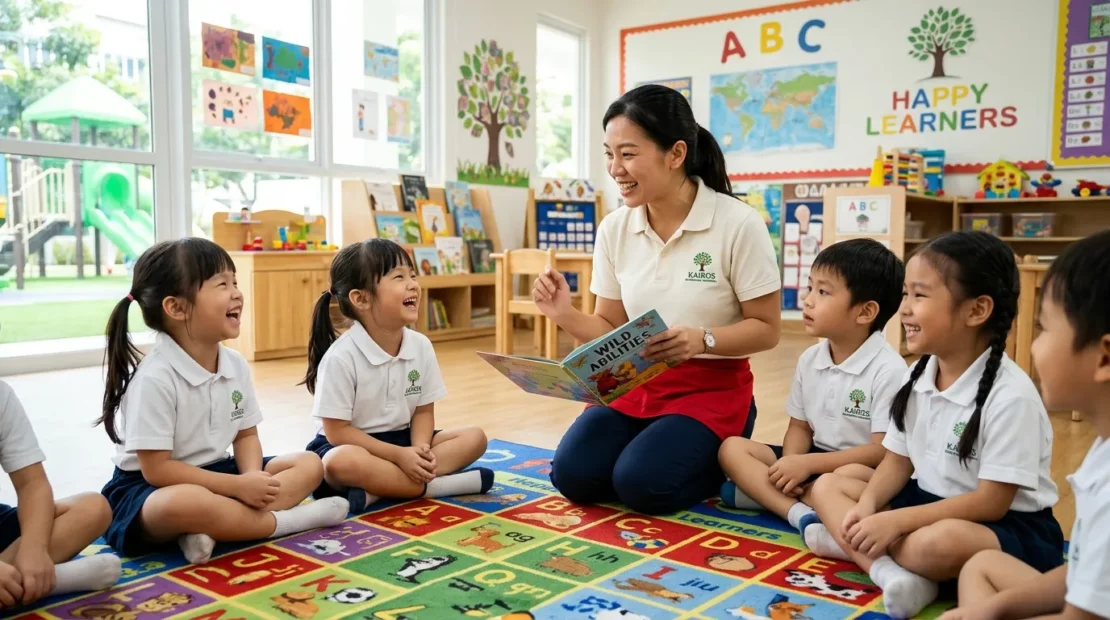
Many parents worry first about letters and numbers, but we often remind families that emotional readiness is just as important. A child who can cope with separation, express needs, and join a group activity is in a much stronger position to enjoy school.
4. Help Your Child Express Feelings With Words
Kindergarten can bring big feelings. Excitement, shyness, frustration, and worry can all show up in one morning, sometimes before you have even finished your coffee. Children who can name their feelings are better able to manage them.
You can support this by using simple phrases like:
- “You look frustrated”
- “Are you feeling nervous?”
- “You seem proud of that”
- “It is okay to miss me, and you will be okay”
When feelings are acknowledged instead of brushed aside, children feel understood. That emotional safety supports kindergarten readiness more than many parents realize.
5. Create Opportunities for Social Play
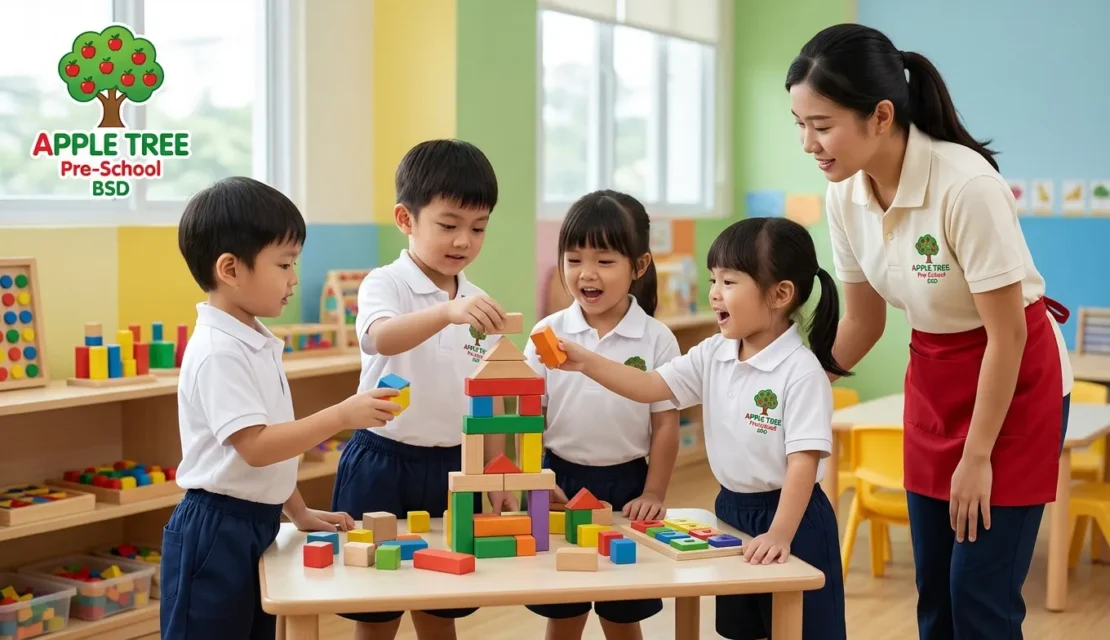
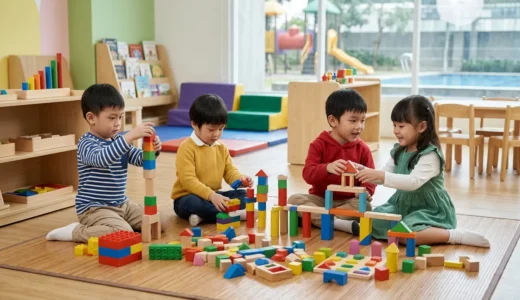
Children do not suddenly become confident in a classroom just because the calendar says it is time. They need practice being around other children, sharing space, waiting, taking turns, and handling little social hiccups. Yes, this includes the very dramatic moments when two children want the exact same red block as if no other toy has ever existed.
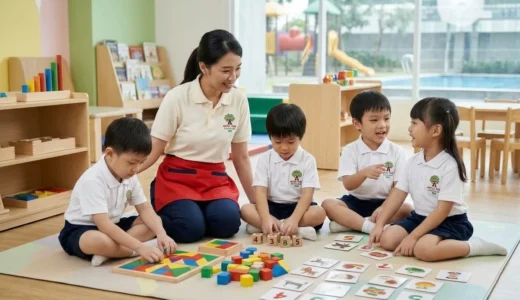
Playdates, small group classes, park visits, and structured preschool environments all help. Through social play, children learn how to join activities, ask for help, and manage peer interactions. These experiences make kindergarten readiness feel less abstract and much more real.
6. Strengthen Attention Through Play Based Learning
You do not need to force long sitting sessions to improve focus. In fact, that often backfires and makes everyone grumpy. Young children build attention best through hands on, engaging activities that match their developmental stage.
Try activities such as:
- puzzles
- building blocks
- sorting objects by color or size
- drawing and coloring
- listening to short stories
- simple craft projects
These activities help children practice staying with a task, solving problems, and finishing what they start. Those are important foundations for kindergarten readiness, and they feel a lot more fun than staring at a worksheet while plotting escape.
Early Learning Should Feel Joyful, Not Stressful
We always tell parents that preparing for school should not steal the joy from childhood. Children learn best when they feel safe, interested, and connected. Pressure can make them anxious, while playful learning helps them grow naturally.
7. Introduce Early Literacy and Numeracy Naturally
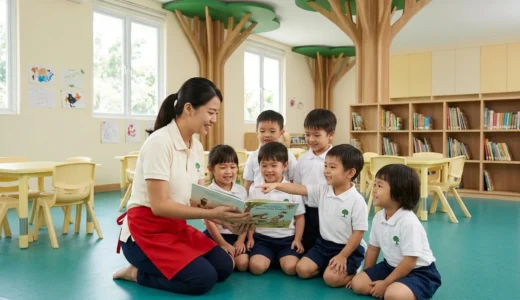
Kindergarten readiness does include early academic exposure, but it should happen in a relaxed and meaningful way. Reading aloud, singing songs, counting snacks, spotting letters on signs, and talking during daily routines all build early literacy and numeracy.
You can weave learning into everyday life by:
- reading one or two books together each day
- counting steps as you walk
- naming shapes around the house
- singing rhymes and phonics songs
- asking simple questions about stories
This kind of learning feels warm and interactive. Children become familiar with language, sounds, numbers, and patterns without feeling pushed too hard.
8. Choose the Right Preschool Environment
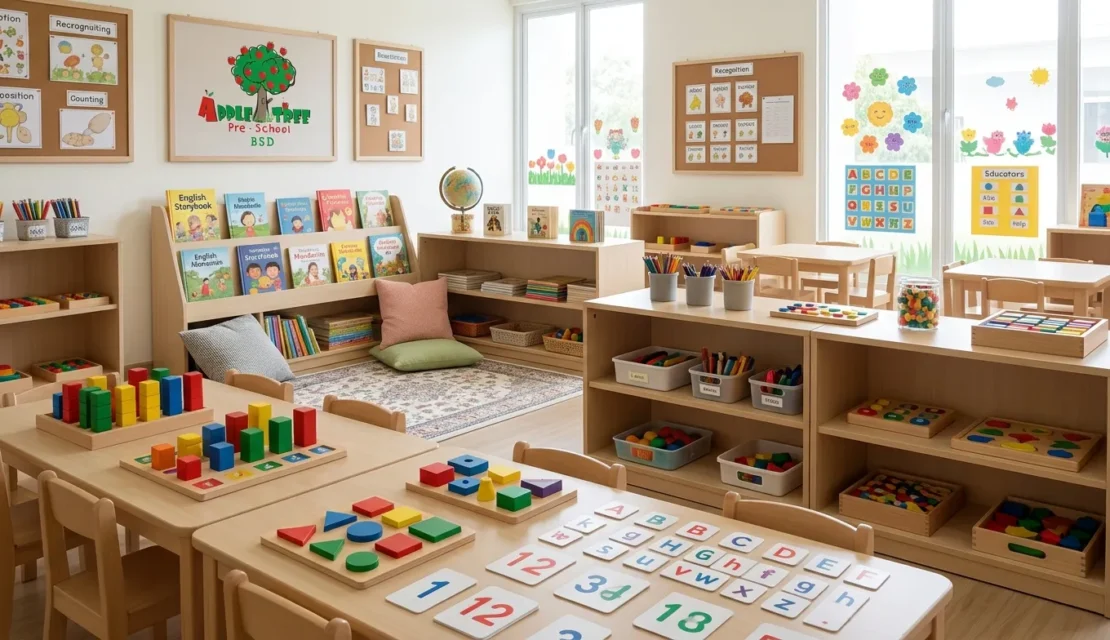
Sometimes the best support for kindergarten readiness is a learning environment that understands young children deeply. A good preschool does not just teach content. It helps children grow socially, emotionally, physically, and academically in a balanced way.
At Apple Tree, we use a Singapore based curriculum and create learning experiences that help children build confidence, communication, independence, and curiosity. Our classes are designed to match each age and stage, so children can grow at a pace that feels right for them. If you would like to explore our programs, you can see options from Toddler through Kindergarten 2 and find the class setting that suits your child best.
When Preparation Feels Gentle, Children Feel Ready
Kindergarten readiness is not about perfection, and that is probably a relief for both you and your child. It is about helping your child feel secure, capable, and excited to enter a new stage of learning. Small routines, simple responsibilities, emotional support, social practice, and playful learning all work together to make that happen.
We have seen again and again that children do wonderfully when they are guided with patience and consistency. They do not need pressure. They need support, encouragement, and adults who believe in them even when they are wearing one sock, refusing breakfast, and insisting that a plastic dinosaur must come to school too.
A Happy Start Can Begin Here
If you are thinking about kindergarten readiness and want a warm, supportive place for your child to grow, we would love to help. At Apple Tree Pre-School BSD, we work closely with parents to help children become smart, happy, confident learners through every stage of early childhood.
You can Chat with us on WhatsApp to ask about registration, class options, and the best fit for your little one. You can also call us directly at +62 888-1800-900. Come learn, play, and grow with us at Apple Tree Preschool BSD.


Be the first to write a comment.