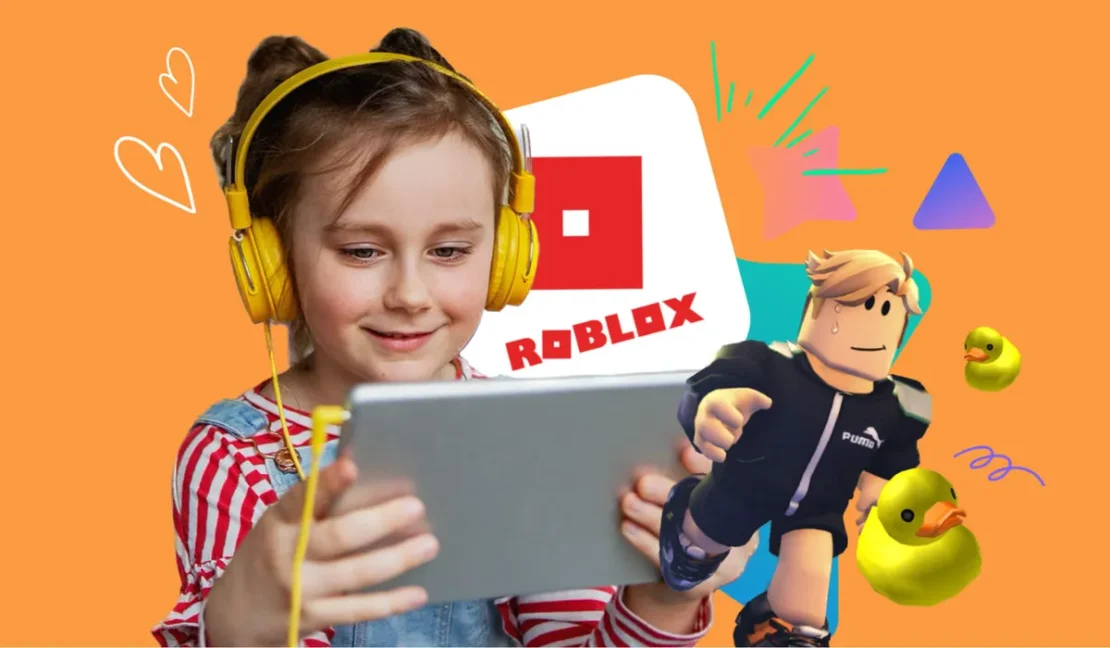
Last Thursday evening, we received a frantic WhatsApp message from one of our Kindergarten 2 parents that really hit home. “Help! My six-year-old has been playing Roblox for three hours straight and completely melted down when I tried to turn it off. He threw himself on the floor, screaming that I was ‘ruining his life’ and that he ‘hates me forever.’ I feel like I’ve lost control of my own house, and honestly, I don’t know what to do anymore.”
If you’re reading this and thinking “that sounds exactly like my house,” you’re definitely not alone in this struggle. At Apple Tree Pre-School BSD, we’ve been hearing similar stories from parents across the BSD community, and the frustration in their voices is heartbreaking. The thing is, when your child is addicted to Roblox, it’s not just about “too much screen time” anymore. It’s about a genuine behavioral pattern that’s affecting your family’s daily life, your child’s development, and everyone’s peace of mind.
Here’s what we’ve learned after working with dozens of families dealing with Roblox addiction: this isn’t about your child being “bad” or you being a “failed parent.” It’s about understanding how these games are specifically designed to be addictive and learning practical strategies that actually work in real Indonesian homes with real Indonesian families.
Understanding Why Children Become Addicted to Roblox
The first thing we need to understand about a child addicted to Roblox is that this platform is fundamentally different from traditional video games. Roblox isn’t just one game, it’s an entire universe of user-created experiences that never ends, never gets “completed,” and constantly provides new content to explore.
At our location in the Educenter BSD Building, we’ve observed that children who struggle with Roblox addiction often have specific personality traits that make them particularly vulnerable. They tend to be creative, social children who love building things and connecting with others. Unfortunately, Roblox exploits these positive traits by providing unlimited creative opportunities and social connections that feel more rewarding than real-world interactions.
The game’s design includes psychological triggers that even adults find hard to resist. The constant notifications, the “just one more game” mentality, and the social pressure to keep up with friends online create a perfect storm for addictive behavior. When children’s developing brains encounter these sophisticated psychological techniques, they simply don’t have the self-regulation skills to resist.
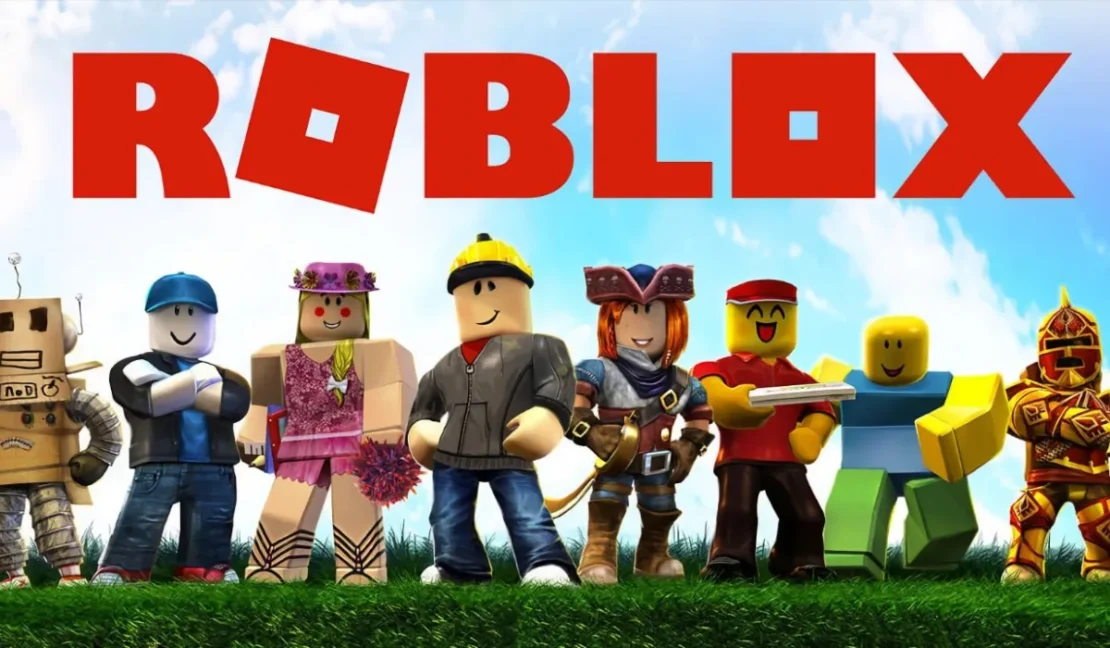
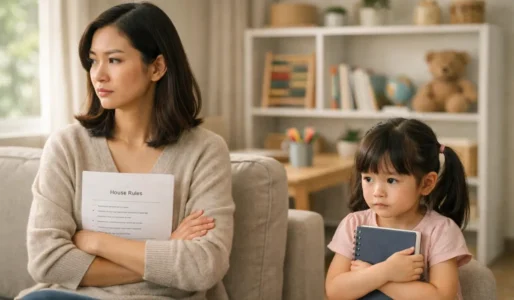
Image Source: pinterest
Recognizing the Signs of Roblox Addiction
Behavioral and Emotional Changes
When a child becomes addicted to Roblox, the changes in their behavior and emotional regulation can be dramatic and concerning. We’ve compiled the most common warning signs that parents should watch for:
Daily Life Disruption:
- Explosive tantrums when gaming time is limited or ended
- Lying about how much time they’ve spent playing or sneaking extra gaming time
- Neglecting basic needs like eating, bathroom breaks, or sleep to continue playing
- Loss of interest in previously enjoyed activities like sports, art, or playing with friends
- Decline in academic performance or difficulty focusing on schoolwork
- Social withdrawal from family activities or real-world friendships
Physical and Sleep-Related Symptoms
Children spending excessive time on Roblox often develop physical symptoms that parents might not immediately connect to gaming addiction. Complaints about headaches, eye strain, or wrist pain from extended device use are common early indicators.
Sleep disruption is particularly concerning because it affects every other area of a child’s development. We’ve heard from parents whose children wake up in the middle of the night to play Roblox, lie in bed thinking about games instead of sleeping, or have nightmares related to gaming content.
Proven Strategies for Breaking Roblox Addiction
Creating Structure and Boundaries
The most successful families we work with don’t try to eliminate Roblox entirely overnight, but instead create structured approaches that gradually reduce dependency while teaching self-regulation skills. Here’s what actually works in practice:
Effective Gaming Limits:
- Implement “earning” systems where Roblox time must be earned through other activities first
- Use physical timers that children can see counting down their remaining time
- Create “gaming schedules” with specific days and times when Roblox is allowed
- Establish “tech-free zones” like bedrooms, dining areas, and study spaces
- Make gaming contingent on completing homework, chores, or family activities first
- Institute “digital sabbaths” where the whole family goes device-free for specified periods
The key to making these boundaries stick is consistency from all caregivers and having clear, logical consequences when limits are exceeded. Children need to understand that gaming privileges are earned through good choices, not automatic rights.
Addressing the Underlying Needs
A child addicted to Roblox is usually getting something important from the experience, whether it’s social connection, creative expression, achievement, or escape from stress. Simply removing the game without addressing these underlying needs typically leads to increased behavioral problems and doesn’t solve the root issue.
Identify what your child loves most about Roblox, then help them find real-world activities that meet those same needs. Children who love the building aspects might enjoy Lego construction, art projects, or helping with home improvement tasks. Those who crave social connection might benefit from structured playdates, team sports, or group activities.
The creative elements that make Roblox appealing can be channeled into real-world building projects, art activities, or even learning basic programming through age-appropriate coding toys and games that don’t have the addictive elements of online platforms.
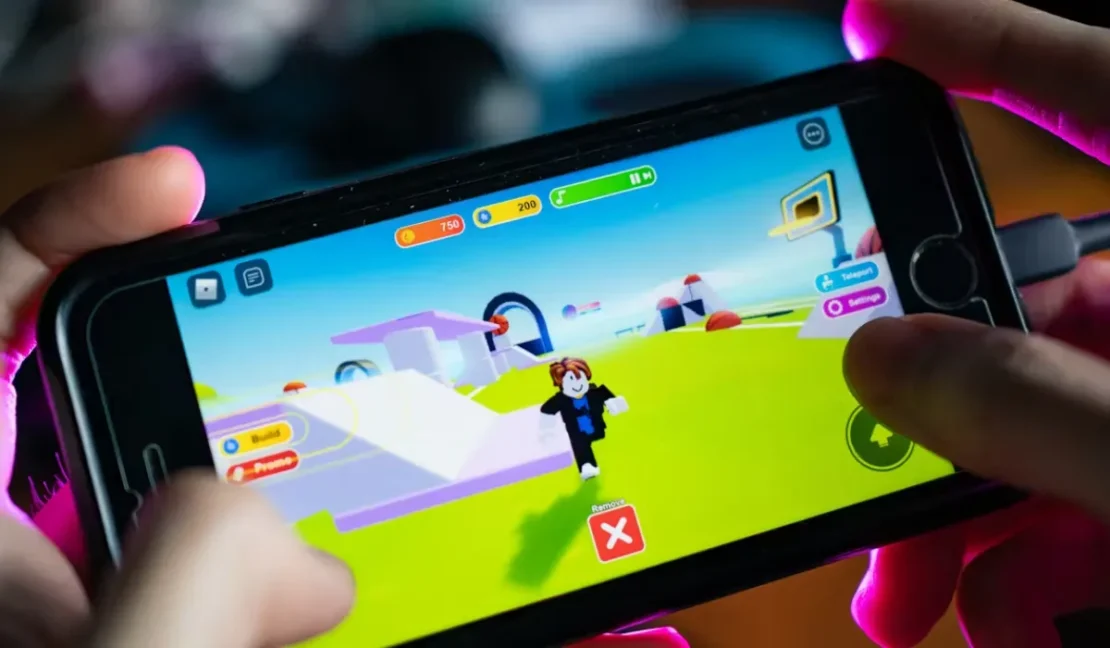
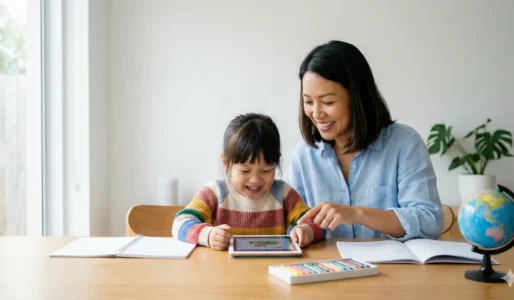
Image Source: pinterest
Alternative Activities That Actually Appeal
Hands-On Creative Projects
Children drawn to Roblox’s creative elements often respond well to hands-on projects that provide similar satisfaction through real-world creation. Building projects using recycled materials, constructing elaborate cardboard cities, or designing and building simple machines can provide the same creative fulfillment.
Art projects that involve multiple steps and visible progress work particularly well for children used to Roblox’s achievement systems. Creating comic books, designing posters for their rooms, or learning new art techniques provide the same sense of skill development and accomplishment.
Cooking and baking projects are especially effective because they combine creativity, following instructions, and immediate reward through something delicious to eat. Even simple activities like decorating cookies or making their own trail mix give children agency and accomplishment in the real world.
Social and Physical Engagement
Many children become addicted to Roblox partly because it provides social interaction in a controlled environment where they feel competent and confident. Replacing this with real-world social opportunities requires some thought and planning, but the benefits are enormous.
Organized activities like martial arts classes, team sports, or group art projects provide social interaction with clear rules and adult guidance. These activities help children develop real-world social skills while getting the connection and camaraderie they seek online.
Physical activities that involve skill progression, like learning to ride bicycles, mastering skateboarding tricks, or playing structured games, can provide the same sense of achievement and progress that makes gaming so appealing.
Long-Term Success Strategies
Breaking Roblox addiction requires patience and consistency, but it’s absolutely achievable with the right approach. The families who are most successful focus on building their children’s capacity for diverse interests and self-regulation rather than just limiting screen time.
At Apple Tree Pre-School BSD, our programs across all age groups are designed to provide the kind of engaging, multi-sensory experiences that help children develop attention skills, creativity, and social competence that make them more resilient against addictive gaming patterns.
Regular routines that include physical activity, creative expression, social interaction, and quiet time help children develop the internal regulation skills they need to make healthy choices about technology use as they grow older.
Is your child struggling with Roblox addiction? We understand how overwhelming and frustrating this challenge can be for families. Our experienced educators specialize in helping children develop healthy relationships with technology while building real-world skills and interests. Send us a WhatsApp message or give us a call at +62 888-1800-900.
Come play and learn with other children, because real-world adventures are infinitely more rewarding than virtual ones! 🌟🎮➡️🏃♂️✨