Last Tuesday during snack time, something fascinating happened that perfectly illustrates the connection between child nutrition brain development and daily learning. Four-year-old Emma, who usually struggles with focus during our math activities, was incredibly alert and engaged after enjoying her morning snack of blueberries and whole grain crackers. She solved puzzles faster, remembered instructions better, and even helped her classmate with a challenging counting game. That’s when it hit me: we weren’t just feeding her body, we were literally fueling her brain for optimal learning.
The relationship between what children eat and how their brains develop is more powerful than most parents realize. At Apple Tree Pre-School BSD, we’ve seen firsthand how proper nutrition transforms not just children’s energy levels, but their ability to learn, focus, and grow emotionally. Child nutrition brain development isn’t just about avoiding junk food, it’s about strategically nourishing the most important organ in your child’s body during its most critical growth period.
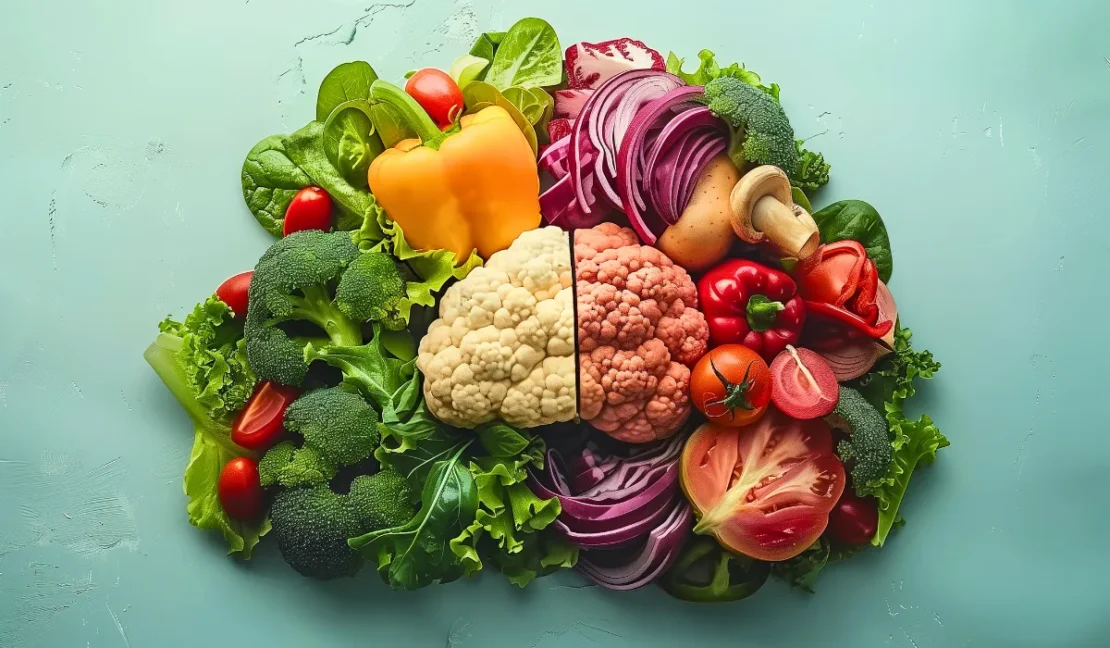
Your child’s brain grows faster during the first six years than at any other time in their life. During this incredible period, the right nutrients act like premium fuel for a high-performance engine. When we understand which specific nutrients support brain development and how to include them in daily meals, we give our children the best possible foundation for lifelong learning and success.
The 12 Essential Nutrients for Optimal Brain Growth
The developing brain requires specific nutrients to build neural pathways, create protective barriers around nerve cells, and establish communication networks that will last a lifetime. During our daily observations at the Educenter BSD Building, we notice that children who maintain consistent nutrition show better learning readiness, improved social skills, and greater emotional stability.
Each nutrient plays a unique role in brain construction, maintenance, and optimal function during these crucial early years. Understanding these twelve essential nutrients helps parents make informed choices about daily meals and snacks that directly support child nutrition brain development.
1. Omega-3 Fatty Acids for Neural Development
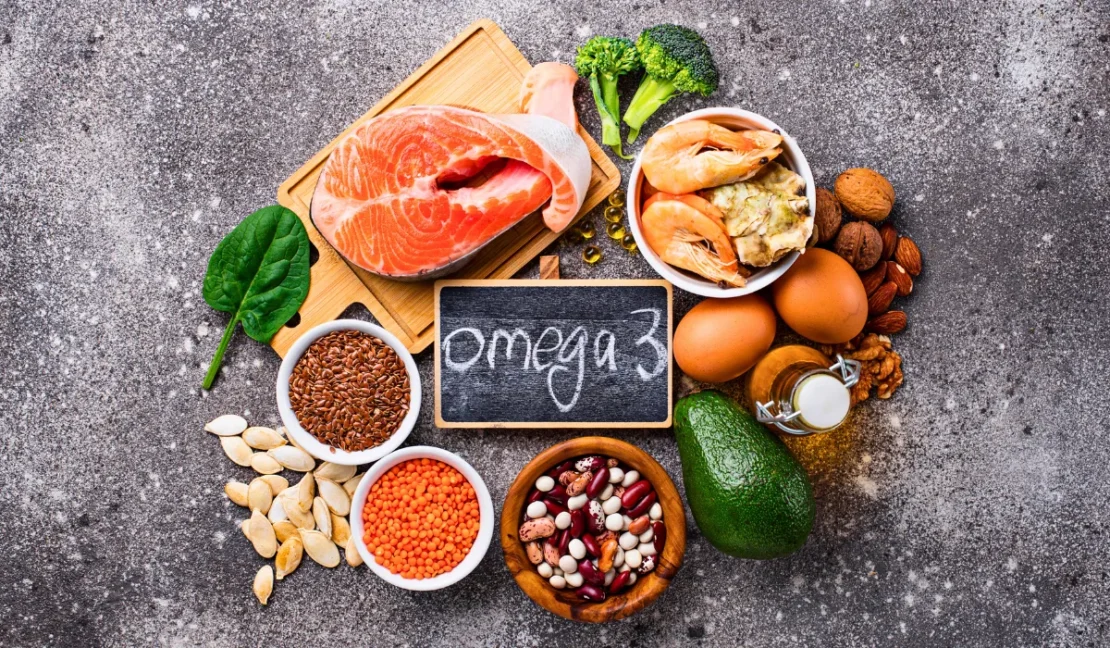
Image Source: Canva
Omega-3 fatty acids, particularly DHA, form the structural foundation of brain cells and directly impact learning ability, memory formation, and attention span. Children who consume adequate omega-3s consistently outperform peers in cognitive assessments and show better emotional regulation skills.
The best sources include fatty fish like salmon and sardines, walnuts, flaxseeds, and chia seeds. For picky eaters, consider omega-3 fortified foods or high-quality supplements designed specifically for children.
We’ve noticed that children in our programs who regularly eat omega-3 rich foods demonstrate improved focus during circle time, better retention of new vocabulary, and enhanced problem-solving persistence.
2. Iron for Cognitive Performance
Iron deficiency remains one of the most common nutritional deficiencies affecting child nutrition brain development, yet it’s easily preventable with proper dietary planning. Iron carries oxygen to brain cells, and even mild deficiency can impact attention, memory, and learning capacity.
Excellent iron sources include lean meats, beans, fortified cereals, spinach, and tofu. Pairing iron-rich foods with vitamin C sources like oranges or strawberries significantly improves absorption rates.
Children with adequate iron levels show better concentration during learning activities, improved memory for new information, and greater persistence when facing challenging tasks.
3. Zinc for Memory Formation
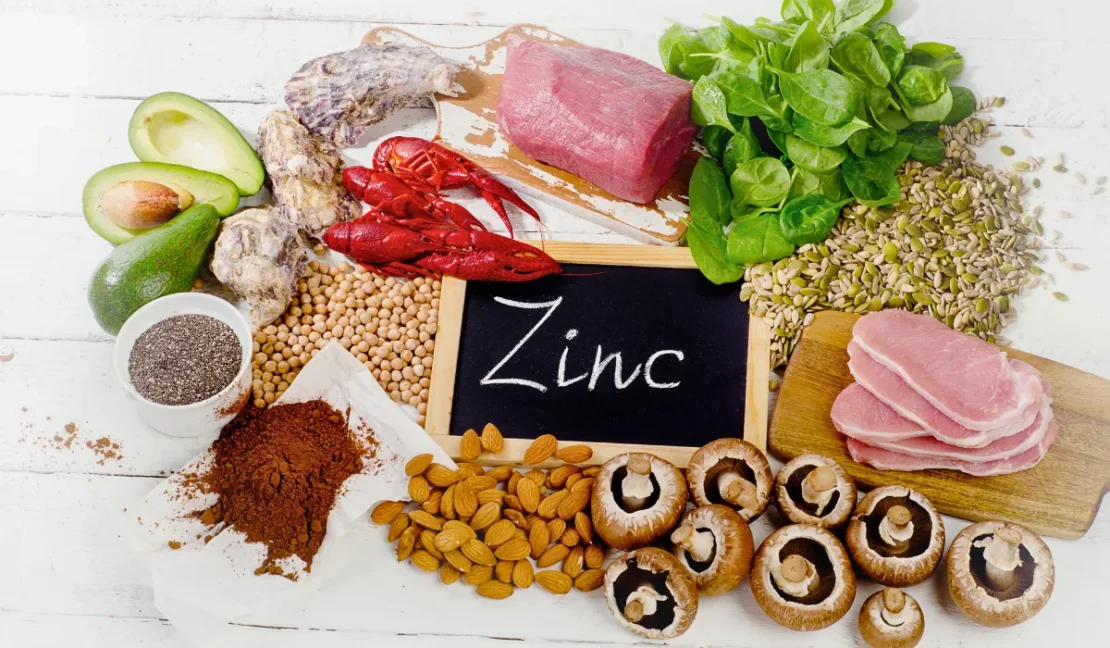
Image Source: Canva
Zinc plays a crucial role in memory formation, learning processes, and overall cognitive development. This essential mineral supports neurotransmitter function and helps maintain healthy communication between brain cells.
Rich zinc sources include beef, pork, chicken, beans, nuts, and whole grains. Dairy products and fortified cereals also provide good amounts of this brain-supporting mineral.
We observe that children with adequate zinc intake demonstrate better memory retention during storytelling activities and show improved ability to follow multi-step instructions.
4. Choline for Brain Cell Development
Choline serves as a building block for brain cell membranes and supports the production of acetylcholine, a neurotransmitter essential for memory and learning. This nutrient is particularly important during rapid brain development periods.
Eggs represent the richest dietary source of choline, followed by fish, meat, and dairy products. Some vegetables like broccoli and cauliflower also contain modest amounts.
Children receiving adequate choline show enhanced memory formation, better attention spans, and improved processing speed during learning activities.
5. Vitamin B12 for Nerve Protection
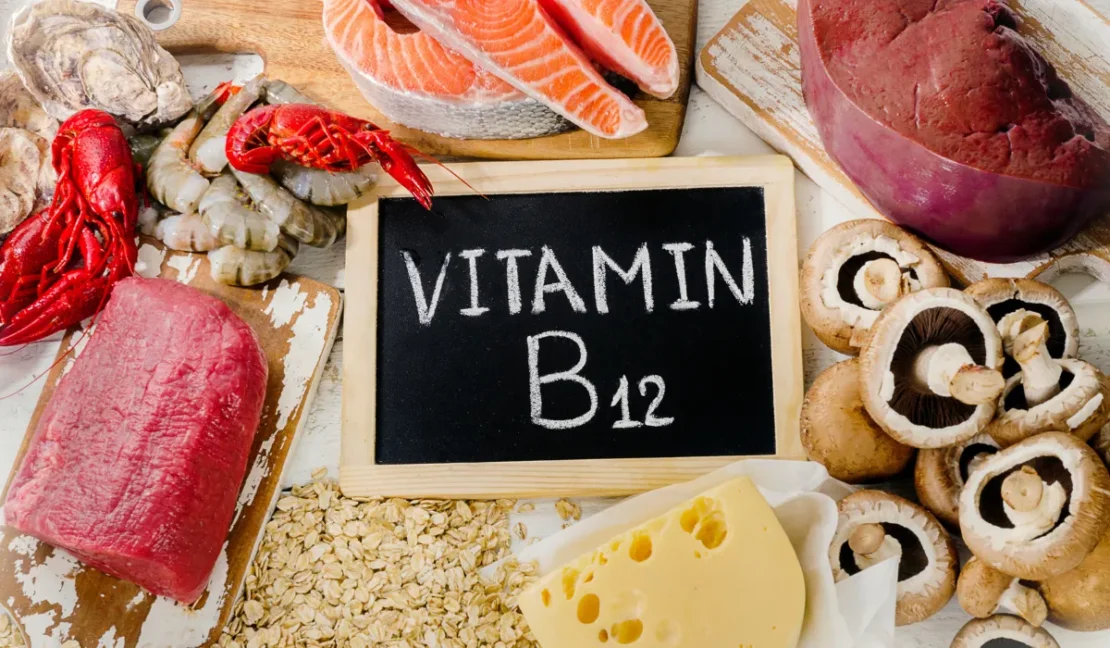
Image Source: Canva
Vitamin B12 supports the protective covering around nerve cells and plays a vital role in brain development and cognitive function. Deficiency can lead to developmental delays and learning difficulties.
Animal products like meat, fish, eggs, and dairy provide the most bioavailable forms of B12. Fortified plant-based foods offer alternatives for vegetarian families.
Adequate B12 levels support better focus, improved memory consolidation, and enhanced overall cognitive performance in young learners.
6. Folate for Neural Development
Folate supports DNA synthesis and is essential for proper neural tube development and ongoing brain growth. This B-vitamin works closely with other nutrients to support optimal child nutrition brain development.
Leafy green vegetables, fortified grains, beans, and citrus fruits provide excellent folate sources. Many breakfast cereals are fortified with this important nutrient.
Children with sufficient folate intake show better language development, improved learning readiness, and enhanced cognitive flexibility.
7. Vitamin D for Brain Growth Regulation
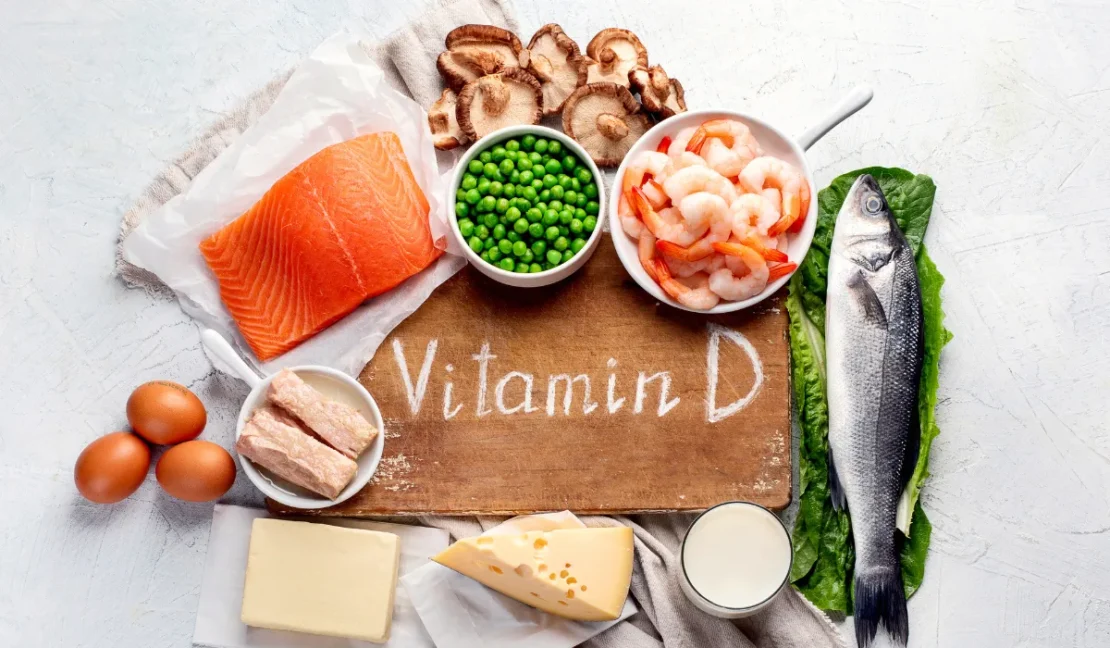
Image Source: Canva
Vitamin D regulates brain cell growth and supports mood stability, making it essential for both cognitive development and emotional well-being. This nutrient also supports the immune system function.
Fatty fish, fortified milk, and brief sun exposure provide vitamin D. Many children benefit from supplements, especially during winter months or in areas with limited sunlight.
Adequate vitamin D levels support better mood regulation, improved attention spans, and enhanced learning motivation in young children.
8. Protein for Neurotransmitter Production
Protein provides amino acids necessary for neurotransmitter production, which enables communication between brain cells. Different amino acids support various aspects of brain function and mood regulation.
Complete protein sources include meat, fish, eggs, and dairy products. Plant-based combinations like beans with rice also provide all essential amino acids.
Children with adequate protein intake demonstrate better focus, improved mood stability, and enhanced cognitive performance throughout the day.
9. Complex Carbohydrates for Brain Energy
Complex carbohydrates supply steady glucose, which serves as the brain’s primary fuel source. Unlike simple sugars, complex carbs provide sustained energy without causing spikes and crashes.
Whole grains, oats, sweet potatoes, and legumes provide excellent complex carbohydrate sources. These foods support consistent energy levels throughout learning activities.
Steady glucose levels from complex carbohydrates support better concentration, improved memory formation, and enhanced learning capacity during school activities.
10. Vitamin E for Brain Protection
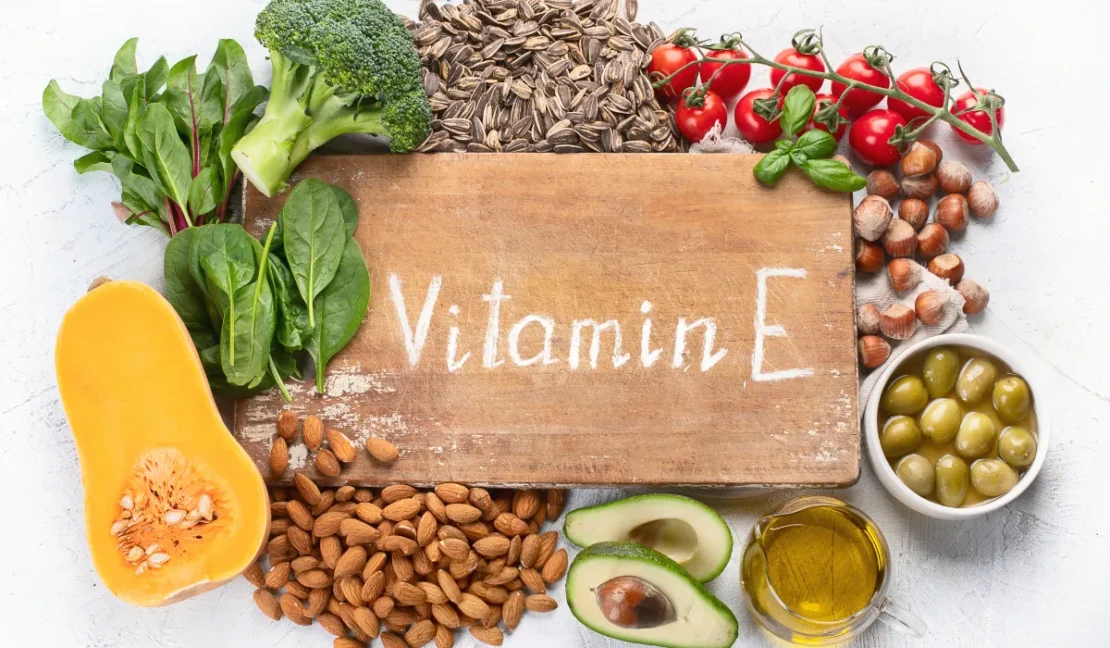
Image Source: Canva
Nuts, seeds, vegetable oils, and leafy green vegetables provide rich vitamin E sources. Fortified cereals also offer this important brain-protecting nutrient.
Adequate vitamin E intake supports better memory retention, improved cognitive flexibility, and enhanced protection against developmental delays.
11. Magnesium for Nerve Function
Magnesium supports nerve function, neurotransmitter activity, and helps regulate mood and behavior. This mineral plays a crucial role in maintaining optimal brain chemistry.
Green leafy vegetables, nuts, seeds, and whole grains provide excellent magnesium sources. Some fruits like bananas and avocados also contain this important mineral.
Children with sufficient magnesium demonstrate better emotional regulation, improved sleep quality, and enhanced focus during learning activities.
12. Vitamin C for Brain Tissue Development
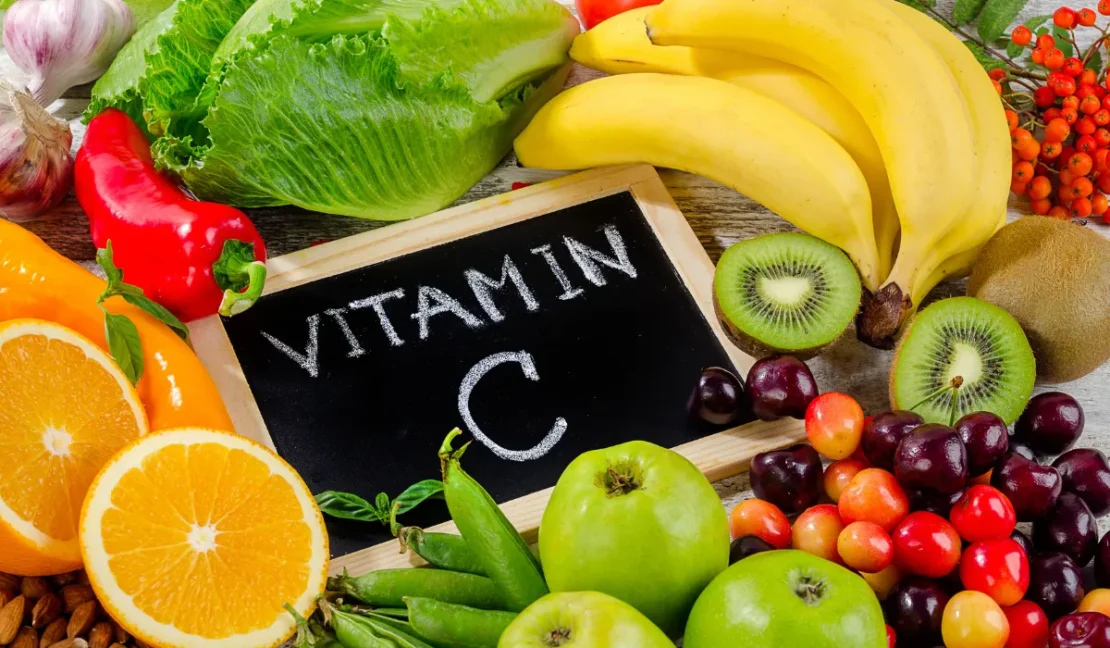
Image Source: Canva
Vitamin C enhances iron absorption and supports brain tissue development while protecting against oxidative stress. This vitamin also supports immune function and overall health.
Citrus fruits, berries, tomatoes, and bell peppers provide abundant vitamin C. Many vegetables like broccoli and potatoes also offer good amounts.
Adequate vitamin C levels support better iron utilization, enhanced cognitive development, and improved overall brain health in growing children.
Addressing Common Feeding Challenges
Many parents worry about picky eating habits interfering with optimal child nutrition brain development, but there are proven strategies for expanding children’s dietary preferences while ensuring adequate nutrient intake.
Offer new foods alongside familiar favorites without pressure or coercion. Research shows that children often need multiple exposures to new foods before accepting them willingly.
Make mealtimes pleasant, social experiences focused on family connection rather than food battles. Positive associations with healthy foods create lifelong eating patterns that support continued brain health.
Supporting child nutrition brain development through proper nutrition gives your children the strongest possible foundation for learning, growing, and thriving. At Apple Tree Pre-School BSD, we understand that healthy bodies support healthy minds, and we work closely with families to ensure every child receives optimal nutrition for brain development.
The investment you make in your child’s nutrition today pays dividends in improved learning capacity, better emotional regulation, and enhanced cognitive development that lasts throughout their academic journey and beyond.
Ready to give your child the nutritional foundation they need for optimal brain development? We’d love to discuss how our comprehensive approach to child wellness supports both nutrition and learning. Send us a WhatsApp message or give us a call at +62 888-1800-900.
Come play and learn with other children, because great minds need great nutrition to reach their full potential! 🧠🍎✨