
Your five-year-old has been begging for weeks to play “that game all his friends are playing.” You finally give in, download Roblox, and figure it’s just harmless fun, like digital Lego or something. Three weeks later, your child is having meltdowns when screen time ends, has racked up $87 in unauthorized purchases for something called “Robux,” and keeps mentioning usernames like “CoolDude2839” who he’s been “chatting with” in the game. Suddenly you’re googling “why is Roblox bad” at 11 p.m., heart sinking as you read article after article about predators, scams, inappropriate content, and addictive design features specifically engineered to keep young brains hooked.
Here’s what many parents don’t realize until it’s too late: Roblox isn’t like the games we grew up with. Understanding why is Roblox bad requires looking beyond the colorful graphics and “educational game” marketing to see the very real risks, from online predators and exposure to inappropriate content to addictive mechanics and financial exploitation. At Apple Tree Pre-School BSD, we’re increasingly hearing concerns from parents about Roblox and other gaming platforms as children as young as four and five become absorbed in these online worlds.
The question isn’t whether Roblox has any redeeming qualities (it does have some creative elements), but whether the very real risks outweigh potential benefits, especially for young children. Ready to understand why is Roblox bad for your child and what you can do about it?
Why is Roblox Bad: Understanding the Real Risks
Before diving into specific concerns, let’s understand what Roblox actually is and why so many parents are asking why is Roblox bad after initially thinking it seemed fine.
What is Roblox and Why is it So Popular?
Roblox is an online gaming platform where users can create and play games made by other users. With over 200 million monthly active users (many of them children), it’s become one of the most popular gaming platforms worldwide. The appeal is understandable: endless games to play, social interaction with friends, creative building opportunities, and it’s free to download.
But here’s the critical part most parents miss: Roblox isn’t actually a game, it’s an unmoderated platform hosting millions of user-generated games and social spaces. Think of it less like a video game and more like social media meets YouTube meets a chat room, all disguised as a kids’ game. This is central to understanding why is Roblox bad, particularly for young children.
At our Educenter BSD Building campus, we see the downstream effects when children spend significant time on Roblox: shorter attention spans, social difficulties, reduced interest in hands-on play, and sometimes concerning behavior changes. The game is designed by adults but the content is created by millions of users with zero qualifications and minimal oversight.
Predatory Behavior and Safety Concerns
The most serious answer to why is Roblox bad is the very real danger of online predators. Roblox’s chat functions, both text and voice, allow strangers to communicate directly with your child. Despite filters and reporting systems, predators regularly use the platform to identify, groom, and exploit children.
Documented cases include adults using Roblox to gain children’s trust, request personal information, convince children to move to other platforms with fewer protections, share inappropriate content, and even arrange real-world meetings. The platform’s young user base makes it an attractive target for those seeking to harm children.
Roblox’s safety measures, while existing, are inadequate. Filters can be bypassed easily, reported accounts often remain active, and the sheer volume of interactions makes comprehensive monitoring impossible. For preschool and early elementary-aged children who lack the judgment to recognize manipulation, this is particularly dangerous.
Inappropriate and Violent Content
Another critical reason why is Roblox bad is the exposure to age-inappropriate content. While Roblox has age ratings and content guidelines, enforcement is inconsistent and user-generated content constantly evades filters.
Content concerns include:
- Graphic violence and gore in many popular games
- Sexual content and inappropriate scenarios
- Horror themes designed to frighten (not appropriate for young children)
- Simulated gambling and other adult activities
- Racist, sexist, and otherwise hateful content
- Drug references and criminal activity glorification
Parents often don’t realize what their children are actually seeing because they’re not watching gameplay closely. A game with an innocent name might contain deeply disturbing content. Children in our Nursery and Kindergarten programs with 20 children each are far too young to process or contextualize this type of content.
Addictive Design and Mental Health Impact
When parents ask why is Roblox bad, they’re often responding to concerning behavior changes in their children. Roblox employs sophisticated psychological techniques designed to maximize engagement, which is a polite way of saying it’s engineered to be addictive.
Addictive features include:
- Variable reward schedules (the same psychological principle behind gambling)
- Social pressure through friends playing together
- Fear of missing out on limited-time events
- Achievement systems that keep children chasing the next level
- Constant notifications pulling children back to the platform
- “Just one more game” design that makes stopping difficult
We see the impact at school: children who can’t focus because they’re thinking about Roblox, social conflicts over in-game events, anxiety when they can’t play, and reduced engagement in real-world activities. The mental health impacts of excessive gaming, including anxiety, depression, social isolation, sleep disruption, and emotional dysregulation, are well-documented.
Financial Exploitation of Children
A significant reason why is Roblox bad relates to money. While the platform is “free,” the business model relies on children spending real money on Robux (in-game currency). The platform is specifically designed to make children want to spend money constantly.
Financial concerns:
- Pressure to buy cosmetic items to fit in socially
- Games designed to be frustrating without purchases
- Limited-time offers creating urgency
- Easy one-click purchasing if payment info is saved
- Children not understanding real money is being spent
- Unauthorized purchases racking up significant charges
Parents regularly report discovering hundreds or even thousands of dollars in charges. While refunds are sometimes possible, the platform’s design intentionally exploits children’s poor impulse control and limited understanding of money.
Impact on Development and Learning
From an educational perspective at Apple Tree, understanding why is Roblox bad means looking at opportunity cost. Every hour spent on Roblox is an hour not spent on activities that actually support healthy development.
What children miss while playing Roblox:
- Physical activity and gross motor skill development
- Creative play with open-ended materials
- Face-to-face social interaction and communication skills
- Reading, which builds literacy and attention
- Hands-on learning experiences
- Family time and bonding
- Sleep (many children play late into the night)
Our comprehensive Singapore curriculum covering English, Mathematics, Chinese, Science, Creativity, Social Studies, Bahasa, Moral education, Music, Physical Education, and Phonics provides genuinely enriching experiences. Screen time, particularly on platforms like Roblox, doesn’t just fail to support development; it actively undermines it by displacing activities that do.
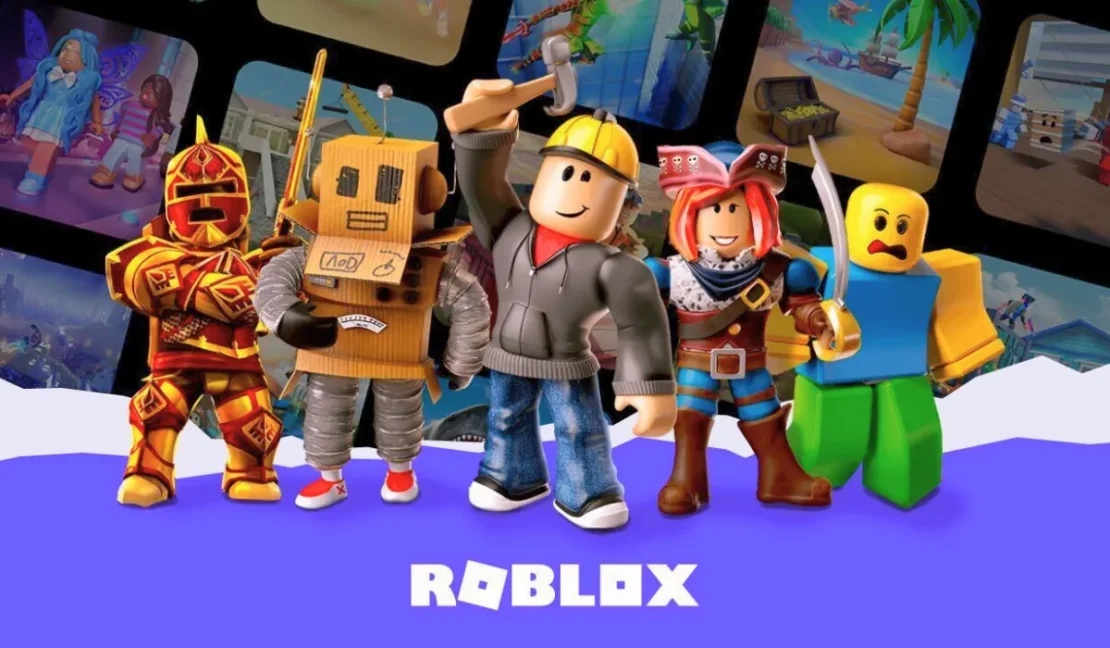
Image Source: Canva
The Social Dimension: Why is Roblox Bad for Relationships
Beyond individual impact, Roblox affects how children relate to others, both online and in the real world.
Online Bullying and Social Cruelty
Roblox’s social features create significant opportunities for bullying. Children exclude others from games, send mean messages, spread rumors, gang up on individuals, scam each other out of items or Robux, and engage in harassment that would be immediately stopped in supervised real-world settings.
Young children lack the emotional maturity and coping skills to handle online social cruelty effectively. In our Moral education curriculum, we teach kindness, empathy, and conflict resolution, but these lessons are undermined when children spend hours in environments where cruelty is common and largely unsupervised.
Displacement of Real Friendships
Another answer to why is Roblox bad is how it changes the nature of friendship. Children start relating to friends primarily through the game rather than through rich, multi-dimensional real-world interactions.
“Playing” together means sitting in separate homes staring at screens rather than the imaginative, physical, creative play that builds deep friendship bonds. Conversations revolve around the game. Children who can’t or don’t play Roblox feel excluded and left out.
We see this play out when children arrive at our programs in the morning: instead of excited greetings and rushing to play together, sometimes children immediately start talking about what happened in Roblox the night before, excluding children whose parents limit the game or don’t allow it.
Family Relationship Strain
Roblox commonly becomes a source of family conflict. Battles over screen time, arguments about purchases, concerns about who children are talking to, and the child’s irritability and mood swings when not playing all strain family relationships.
The child absorbed in Roblox is mentally absent from family time even when physically present. This matters enormously during early childhood when secure attachment and family bonding are developmentally crucial.
Why is Roblox Bad Specifically for Preschool-Aged Children
While Roblox poses risks at any age, it’s particularly inappropriate for preschool and young elementary-aged children.
Developmental Inappropriateness
Children ages 1.5 to 6 (the ages we serve in our Toddler through Kindergarten 2 programs) are in critical developmental stages. They need hands-on exploration, physical movement, face-to-face social interaction, and sensory-rich experiences. Roblox provides none of this.
The cognitive demands of navigating complex game mechanics, reading chat, making quick decisions, and managing social dynamics exceed what young children can handle healthily. The content, even in “age-appropriate” games, is often too mature.
Vulnerability to Manipulation
Preschool and early elementary children are extraordinarily vulnerable to manipulation. They trust easily, have poor stranger danger judgment online, don’t recognize grooming behaviors, can’t distinguish manipulation from genuine friendship, and lack the cognitive skills to identify scams.
This developmental vulnerability is exactly why predators target young children on platforms like Roblox. The question of why is Roblox bad becomes most urgent for this age group because they’re least equipped to protect themselves.
Foundation-Building Years
The years from ages two through six are foundational for virtually everything: language development, social skills, emotional regulation, physical coordination, creativity, curiosity, and learning dispositions. Time spent on Roblox during these precious years is time not spent building these foundational capacities.
At Apple Tree, we see children who’ve had significant screen time exposure starting at ages where hands-on learning and real-world play should dominate. These children often show delays in attention, social skills, language, and creative play compared to peers with limited screen exposure.
What Parents Should Do: Practical Action Steps
Understanding why is Roblox bad is the first step. Here’s what to actually do about it.
For Parents Who Haven’t Allowed Roblox Yet
If you’re reading this before allowing Roblox, the simplest solution is: just don’t. Your child will survive not playing the game “everyone” is playing. In fact, they’ll thrive.
Instead of Roblox:
- Encourage outdoor play and physical activity
- Provide open-ended toys and materials for creative play
- Schedule real-world playdates with friends
- Read books together
- Engage in family activities and projects
- Enroll in enriching programs like those at Apple Tree
When your child says “but everyone plays it,” you can respond: “Different families make different choices about screens and games. Our family chooses activities that don’t have the risks Roblox has.” Then follow through with providing genuinely engaging alternatives.
For Parents Whose Children Already Play
If your child is already playing Roblox and you’re now understanding why is Roblox bad, it’s not too late to make changes, though expect pushback.
Steps to take:
- Have an honest conversation about your concerns
- Set strict time limits (or consider removing it entirely)
- Require supervised play only (you watching actively)
- Disable chat functions completely
- Remove all payment methods from the account
- Check friend lists and block unknown users
- Use parental controls maximally
- Monitor what games your child plays within Roblox
Be prepared: children who’ve been playing Roblox regularly will likely react strongly to restrictions or removal. This is actually evidence of the addictive nature of the platform and confirmation that change is needed.
Managing Social Pressure
One reason parents allow Roblox despite knowing why is Roblox bad is social pressure. “All my friends play” is powerful, both for children and parents who don’t want their kids excluded.
Addressing social concerns:
- Connect with other parents who also limit or don’t allow Roblox
- Facilitate in-person playdates where Roblox isn’t an option
- Help your child develop friendships with children who have similar screen time values
- Teach your child that true friends like them regardless of gaming habits
- Model confidence in your family’s choices
At our programs, we create rich social environments where children build genuine friendships through shared experiences, creative play, and collaborative projects. These friendships don’t depend on gaming platforms.
Offering Compelling Alternatives
Children who’ve been playing Roblox won’t accept void-filling. “You can’t play Roblox anymore, go find something to do” won’t work. You need to provide genuinely engaging alternatives.
Engaging alternatives to Roblox:
- Hands-on building materials: Lego, blocks, construction sets
- Art supplies and creative projects
- Outdoor exploration and nature play
- Sports, dance, or physical activities
- Music lessons or instruments
- Cooking and baking projects
- Science experiments and investigations
- Board games and puzzles
- Reading engaging book series
- Programs offering rich activities (like Apple Tree!)
The transition period will be challenging, but most children eventually become re-engaged with real-world activities once the addictive pull of Roblox is removed.
The Bigger Picture: Screen Time and Early Childhood
The question of why is Roblox bad sits within the larger context of screen time during early childhood, a critical issue for child development.
Screen Time Research and Recommendations
Research consistently shows that excessive screen time during early childhood is associated with attention problems, language delays, reduced social skills, sleep disruption, obesity, and behavioral issues. Major health organizations recommend minimal screen time for young children.
Recommended limits:
- Under 18 months: No screen time except video chatting
- 18-24 months: Very limited, high-quality co-viewed content only
- Ages 2-5: Maximum one hour daily of high-quality content
- Ages 6+: Consistent limits on time and content type
Roblox, with its addictive design and social features, makes adhering to these recommendations nearly impossible. Children don’t play for a limited hour; they want to play for hours and have meltdowns when stopped.
Quality Matters as Much as Quantity
Not all screen time is equal. The difference between 30 minutes of co-viewed educational content and 30 minutes of Roblox is enormous. When considering why is Roblox bad, compare it to genuinely educational screen options: interactive learning apps with parent controls, educational videos co-viewed with discussion, or video calls with distant family.
Roblox offers minimal educational value while maximizing risks and addictive features. Even if you allow some screen time, Roblox shouldn’t be the choice.
The Opportunity Cost
Every minute of childhood is precious and developmentally consequential. In our Creativity, Physical Education, Music, Science, and other programs, we see children deeply engaged in experiences that genuinely build skills, knowledge, confidence, and joy.
Time spent on Roblox is time stolen from these enriching experiences during the brief, crucial window of early childhood when brains are most plastic and development happens most rapidly.
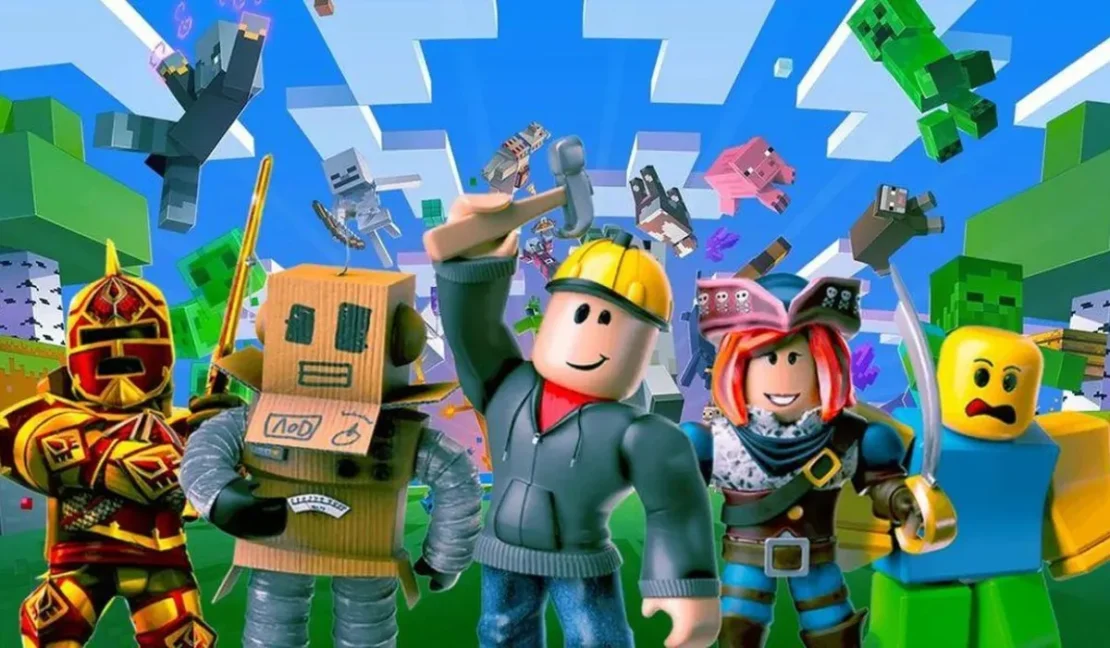
Image Source: Canva
Red Flags and Warning Signs
Parents often ask how to know if Roblox is negatively affecting their child. Here are warning signs that the platform is problematic.
Behavioral Changes
Watch for personality or behavior shifts that coincide with Roblox playing:
- Increased irritability, especially when not playing
- Mood swings and emotional dysregulation
- Defiance and arguments about screen time
- Withdrawal from previously enjoyed activities
- Loss of interest in real-world play and friends
- Secretive behavior about gaming activities
These changes indicate that Roblox is having negative psychological impacts and should be addressed immediately.
Social and Relationship Issues
Monitor how Roblox affects your child’s relationships:
- Declining quality of real-world friendships
- Conversations dominated by game discussion
- Conflict with peers over in-game issues
- Social anxiety when not playing
- Exclusion or bullying related to the game
- Reduced family engagement and bonding
If the game is damaging relationships, it’s time for significant changes or removal.
Physical Health Indicators
Don’t overlook physical signs that gaming has become problematic:
- Sleep issues (trouble falling asleep, staying asleep, or wanting to wake early to play)
- Headaches or eye strain
- Reduced physical activity and fitness
- Weight gain
- Complaints of pain from extended sitting
- Poor posture developing
These physical symptoms indicate excessive playing and need intervention.
Why This Matters at Apple Tree Pre-School BSD
Everything we’ve discussed about why is Roblox bad and its impact on young children connects to our mission at Apple Tree Pre-School BSD. We’re committed to helping children grow smart and happy, and that requires protecting them from influences that undermine healthy development.
Our screen-free environment from Toddler programs (12 children per class) through Kindergarten 2 (20 children per class) provides what young children actually need: hands-on exploration, face-to-face social interaction, creative expression, physical movement, and genuine learning experiences. Our Singapore curriculum covering English, Mathematics, Chinese, Science, Creativity, Social Studies, Bahasa, Moral education, Music, Physical Education, and Phonics engages children’s minds and bodies in ways no screen can replicate.
We partner with families navigating the challenges of raising children in a digital age. At our Educenter BSD Building campus, children experience the joy of real play, genuine friendship, creative expression, and meaningful learning without the risks platforms like Roblox pose.
Concerned about your child’s screen time and ready to provide enriching alternatives? At Apple Tree, we create environments where children thrive through hands-on learning, creative exploration, and joyful engagement with the real world. Discover how we help children grow smart and happy without screens or call us at +62 888-1800-900.
Join our Apple Tree family where real play creates real development! 🍎