You just spent two hours setting up an elaborate craft activity with googly eyes, glitter, construction paper, and enough supplies to stock a small art store. Your four-year-old sits down, makes exactly three glue dots on the paper, announces “I’m bored,” and wanders off to stare at the wall. Meanwhile, the craft supplies mock you from the table, and you’re left wondering why children get bored easily even when you’re trying so hard to keep them entertained. Five minutes later, she’s deeply engaged in an elaborate game involving a cardboard box, two spoons, and an imaginary pet dinosaur that apparently needs to go to the doctor.
Understanding why children get bored easily isn’t just about keeping the peace at home or getting through rainy afternoons without losing your mind. It’s actually about understanding how young brains work, what genuine engagement looks like, and how we might be accidentally making boredom worse with our best intentions. At Apple Tree Pre-School BSD, we see the full spectrum from children who dive deep into activities for extended periods to those who flit from thing to thing like butterflies who’ve had too much sugar.
Here’s the surprising truth: some of what we call boredom is actually developmentally healthy, and our constant efforts to eliminate every moment of it might be part of the problem. Ready to understand why children get bored easily and what actually helps versus what just creates entertainment-dependent kids?
Why Children Get Bored Easily: The Developmental Perspective
Before we can address boredom effectively, we need to understand what’s actually happening in those little brains and why this seems like such a modern epidemic.
The Developing Brain and Attention
One major reason why children get bored easily is simply brain development. The prefrontal cortex, which manages sustained attention, planning, and persistence, develops slowly throughout childhood and isn’t fully mature until the mid-twenties. Young children literally don’t have the brain architecture yet for the kind of sustained focus adults consider normal.
Additionally, children’s brains are wired to seek novelty. From an evolutionary perspective, this makes sense. The child who’s constantly curious, exploring, and investigating learns about the world more thoroughly than the child who contentedly stares at the same thing for hours. So when children get bored easily, their brains are actually doing exactly what they’re supposed to do: seeking new information and experiences.
At our Educenter BSD Building campus across all our programs from Toddler through Kindergarten 2, we design activities with this reality in mind. We know that expecting a two-year-old in our Pre-Nursery class with 16 children to focus like a six-year-old in Kindergarten 2 is neither fair nor realistic.
Boredom vs. Understimulation vs. Overstimulation
Understanding why children get bored easily means distinguishing between different types of “boredom.” True boredom is the state between activities when the brain has capacity but no focus. Understimulation is when activities are too simple or repetitive for the child’s developmental level. Overstimulation is when there’s too much sensory input and the brain shuts down.
All three look like “boredom” on the surface: the child disengages, complains, wanders off. But they require completely different responses. The truly bored child needs something to do. The understimulated child needs a greater challenge. The overstimulated child needs calm and simplicity, not more exciting activities.
We see this play out daily in our Nursery classes with 20 children. What looks like boredom during circle time might actually be overstimulation from too much noise and activity, while what looks like boredom during free play might be a child who’s ready for more complex activities than what’s currently available.
The Creativity Connection
Here’s something fascinating about why children get bored easily: boredom is actually the gateway to creativity and imagination. When children experience that uncomfortable gap of nothing to do, their brains kick into creative problem-solving mode. This is when the cardboard box becomes a spaceship, when elaborate pretend scenarios emerge, when kids invent games with random household objects.
But here’s the catch: this only happens if children are allowed to sit in that boredom long enough for creativity to kick in. If adults immediately swoop in with entertainment every time a child says “I’m bored,” the child never develops the ability to generate their own engagement.
In our Creativity curriculum, we intentionally provide open-ended materials and time for self-directed exploration. The magic happens not when we over-program every moment, but when we give space for children’s own ideas to emerge.
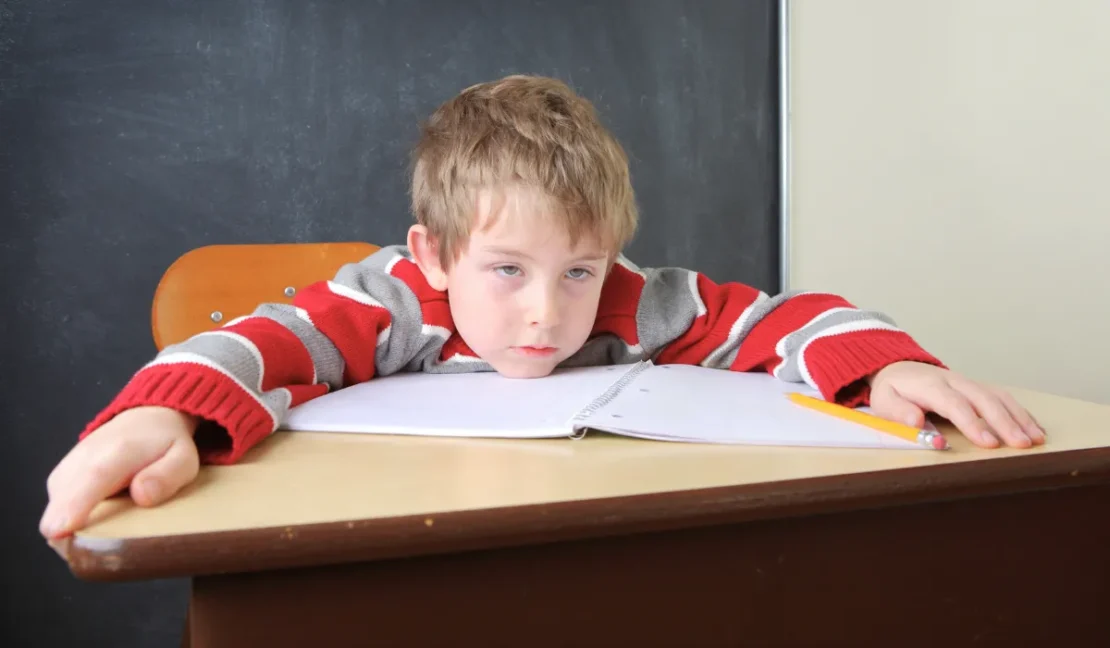
Image Source: Canva
Modern Factors That Make Children Get Bored Easily
While some level of childhood boredom is timeless and developmental, many parents feel that children get bored easily more now than in previous generations. They’re not wrong, and there are specific modern factors at play.
The Overstimulation Paradox
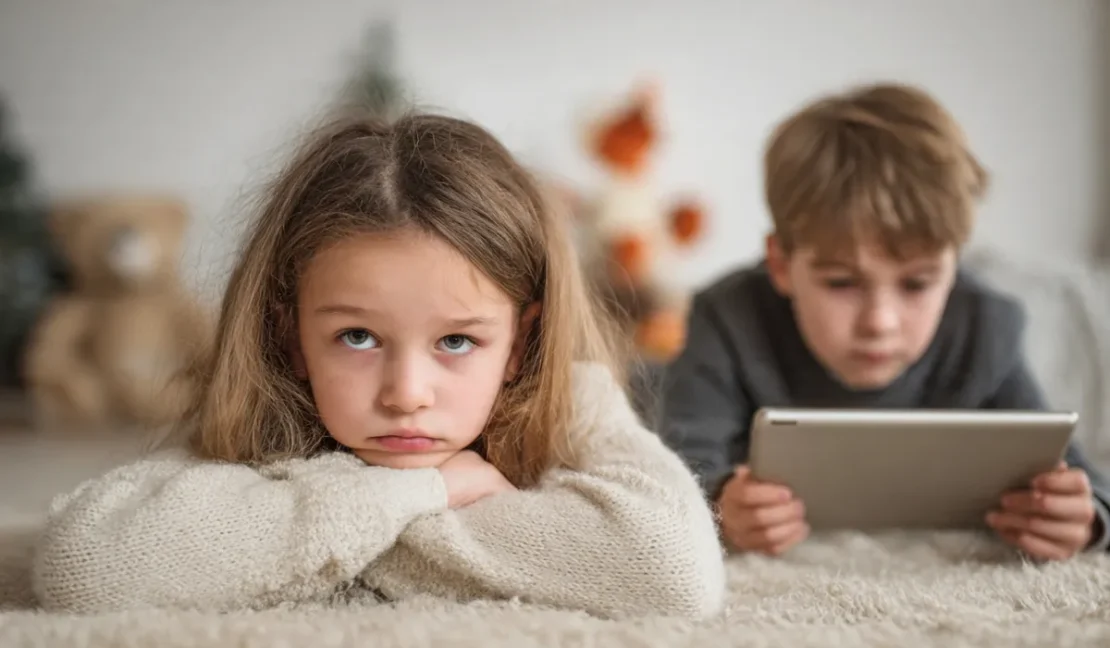
Children today are exposed to unprecedented levels of stimulation: screens with bright colors and constant movement, toys that light up and make noise, busy schedules with back-to-back activities, environments full of visual clutter and sounds. You’d think this would prevent boredom, but it actually makes children get bored easily with anything less stimulating.
When a child’s brain adapts to high-intensity stimulation, normal activities seem painfully dull by comparison. Reading a book or playing with simple toys can’t compete with the dopamine hits from video games and YouTube. The brain recalibrates its baseline, and suddenly everything that isn’t super stimulating registers as boring.
We maintain relatively calm, screen-free environments at Apple Tree for exactly this reason. Our Singapore curriculum covering English, Mathematics, Chinese, Science, Social Studies, Bahasa, Moral education, Music, Physical Education, and Phonics uses hands-on, engaging methods without relying on artificial overstimulation.
The Entertainment Trap
Many well-meaning parents have inadvertently trained children to expect constant entertainment. Every moment gets filled: car rides have screens, waiting rooms have devices, any hint of boredom gets immediately addressed with activities or entertainment. This teaches children that boredom is a problem adults should solve rather than a state they can navigate themselves.
Children raised this way never develop internal resources for self-entertainment. They become dependent on external stimulation and truly don’t know what to do with unstructured time. This is why children get bored easily even in toy-filled playrooms: they’re waiting for someone else to make things interesting rather than generating interest themselves.
In our Toddler programs with 12 children per class, we balance structured activities with free play periods. We resist the urge to over-program every moment because we know children need practice entertaining themselves.
Fewer Opportunities for Free Play
Previous generations of children spent hours in unstructured outdoor play: exploring neighborhoods, inventing games, building forts, creating elaborate pretend scenarios. This type of play builds the exact skills needed to overcome boredom: imagination, creativity, problem-solving, and intrinsic motivation.
Modern children often have less free play time due to safety concerns, scheduling, screen time, and structured activities. When they do have free time, they genuinely don’t know what to do with it because they’ve had less practice. This is a significant reason why children get bored easily today.
We prioritize substantial free play periods in our Physical Education and daily schedules. Children need this practice time to develop self-direction and creative play skills.
Instant Gratification Culture
Technology has created a culture of instant gratification where everything is immediate: answers from Google, videos on demand, messages replied to instantly, deliveries arriving same-day. Children growing up in this environment have less practice with delayed gratification, waiting, or working toward long-term goals.
This instant gratification mindset contributes to why children get bored easily. Activities that require sustained effort or have delayed rewards feel unbearably tedious. The child has no tolerance for the slow build-up that leads to deeper satisfaction.
Our Mathematics and Science curricula involve projects and investigations that unfold over time. Children learn that some of the most satisfying achievements require patience and sustained effort.
Age-Appropriate Expectations About Boredom
Understanding why children get bored easily at different ages requires realistic developmental expectations. What’s normal at two looks very different from what’s normal at six.
Toddlers (Ages 1.5 to 2): Constant Motion
At this age, what adults call boredom is usually just the need for constant novelty and movement. Toddlers have extremely short attention spans, typically 2 to 6 minutes per activity.
What’s normal:
- Flitting rapidly between activities
- Needing frequent changes in stimulation
- Unable to sustain focus for more than a few minutes
- Constant movement and exploration
In our Toddler programs (offered 2x or 3x per week), we work with this reality rather than fighting it. Activities are very short, we offer lots of variety, and we expect children to move between things quickly.
Pre-Nursery and Nursery (Ages 2 to 4): Growing Capacity
Children this age show developing but still limited attention spans, typically 5 to 15 minutes depending on interest level and activity type.
What’s normal:
- Able to engage more deeply with interesting activities
- Still needing frequent changes
- Beginning to show sustained interest in self-chosen activities
- May complain of boredom during transitions or waiting periods
In our Pre-Nursery class with 16 children and Nursery program, we see huge developmental leaps in attention capacity. Children begin engaging in more complex pretend play and can stick with activities longer, especially when they’re intrinsically motivated.
Kindergarten (Ages 4 to 6): Self-Direction Emerging
By kindergarten, children can sustain attention for 10 to 30 minutes on engaging activities and begin showing ability to self-direct during free play periods.
What’s normal:
- Can focus through structured lessons and activities
- Beginning to generate own play ideas and entertainment
- May still complain of boredom but can often problem-solve if encouraged
- Shows preferences and deeper engagement with favorite activities
Our Kindergarten 1 and 2 programs with 20 children each reflect this growing capacity. Children participate in longer lessons, complete multi-step projects, and engage in elaborate self-directed play.
What Actually Helps When Children Get Bored Easily
Now for the practical part: what actually helps versus what makes the problem worse?
Let Them Be Bored Sometimes
This feels counterintuitive and uncomfortable, but it’s crucial. When your child says “I’m bored,” resist the urge to immediately fix it. Instead, try: “Boredom is your brain getting ready to have a good idea. I wonder what you’ll think of?”
Why this helps:
- Builds tolerance for uncomfortable feelings
- Develops internal resourcefulness and creativity
- Teaches problem-solving and self-direction
- Prevents entertainment dependency
The first few times you do this, expect pushback and complaints. But if you hold steady, most children will eventually engage in creative play. This is exactly what we observe when we step back during free play periods rather than constantly directing activities.
Provide the Right Kind of Toys and Materials
If children get bored easily despite having a room full of toys, look at what kind of toys. Electronic toys that do everything for the child, single-purpose toys with one “right” way to play, or character-based toys that dictate the play scenario all limit creativity and lead to faster boredom.
Better choices:
- Open-ended materials: blocks, art supplies, fabric scraps, cardboard boxes
- Natural materials: sticks, rocks, shells, pinecones
- Simple props for pretend play: scarves, baskets, pots and pans
- Construction materials: Lego, magnetic tiles, recyclables for building
- Materials that can become anything the child imagines
Our Creativity and Science programs use exactly these types of open-ended materials. Children engage longer and more creatively when materials can become whatever their imagination dictates.
Reduce Overstimulation and Simplify
If children get bored easily despite constant entertainment, the problem might actually be too much, not too little. Try systematically reducing stimulation.
Simplification strategies:
- Rotate toys rather than having everything out at once
- Create toy-free zones and times
- Reduce screen time significantly or eliminate it temporarily
- Minimize background noise (TV, music)
- Declutter play spaces
- Slow down schedules with more blank time
Many parents report that simplifying actually reduces boredom complaints because children’s brains can finally settle enough to engage deeply rather than being constantly overwhelmed.
Build in Regular Outdoor Time
Outdoor play is remarkably effective at engaging children who get bored easily indoors. Nature provides constantly changing stimulation (weather, light, sounds, living things) without overwhelming the nervous system.
Outdoor play benefits:
- Reduces stress and sensory overload
- Provides appropriate level of novelty and stimulation
- Encourages physical movement which supports attention
- Offers infinite possibilities for creative play
- Naturally engages curiosity and investigation
We incorporate outdoor time daily in our Physical Education program and throughout the schedule. Children who seem restless and bored indoors often transform into deeply engaged explorers outside.
Teach and Model Tolerance for Slow Activities
If children get bored easily with anything that’s not fast-paced and exciting, they need practice with slower activities that build sustained attention.
Activities that build attention tolerance:
- Reading longer books together
- Cooking or baking projects
- Gardening and watching plants grow
- Jigsaw puzzles
- Board games with turns and rules
- Building complex structures
- Art projects that take multiple sessions
The key is staying with the activity even when the child wants to quit, gently encouraging persistence. “Let’s do just one more page,” or “Let’s work for five more minutes and see how much progress we make.”
Create Routines That Include Unstructured Time
If every moment is scheduled, children never learn to manage free time. Build regular unstructured periods into daily routines.
Sample routine structure:
- Morning: structured (breakfast, getting ready)
- Mid-morning: unstructured play time
- Lunch: structured
- Afternoon: mix of structured activity and free play
- Before bed: structured routine
This rhythm gives children both the security of routine and the freedom to develop self-direction skills during unstructured times.
Involve Children in Real Work
Sometimes children get bored easily with “kid activities” because those activities feel meaningless. Involving children in real household tasks and projects often engages them more deeply.
Real work that engages:
- Cooking actual meals (not pretend)
- Gardening and growing real food
- Organizing and cleaning spaces
- Fixing or building things
- Caring for pets or plants
- Helping with genuine household tasks
Children often find these activities fascinating because they’re real, purposeful, and involve contributing meaningfully. The three-year-old who’s “bored” with toys may happily spend 30 minutes helping you fold laundry or wash vegetables.
When Boredom Might Signal Something Else
While most childhood boredom is normal and even healthy, sometimes persistent complaints that children get bored easily might signal underlying issues worth addressing.
Understimulation and Need for Challenge
A bright child who constantly complains of boredom might genuinely be understimulated. If activities are too simple for their developmental level, boredom is appropriate feedback.
Signs of understimulation:
- Masters new skills very quickly
- Shows intense curiosity and asks complex questions
- Creates elaborate, sophisticated pretend play
- Seems frustrated rather than just disengaged
- Shows deep focus when challenged appropriately
The solution isn’t more entertainment but rather more challenging, complex activities that match the child’s abilities.
Difficulty with Unstructured Time Due to Anxiety or Executive Function
Some children who seem bored with free play are actually anxious or lack the executive function skills to initiate and organize self-directed activities.
Signs this might be the issue:
- Thrives with clear structure and expectations
- Becomes anxious or dysregulated during free play
- Doesn’t know how to start activities independently
- Does much better when given specific direction
These children need scaffolding during unstructured time: “You could build with blocks, or play with the dollhouse, or do an art project. Which sounds good?” Gradually, support is faded as skills develop.
Attention Difficulties
Children who genuinely cannot sustain attention due to ADHD or other attention difficulties may appear to get bored easily because they can’t maintain focus long enough to become engaged.
Signs of attention difficulties:
- Can’t sustain attention even on preferred, self-chosen activities
- Constantly in motion even during engaging activities
- Difficulty completing anything
- Attention issues occur across all environments
- Started before age 12 and persist over time
If you suspect attention difficulties rather than typical developmental boredom, discuss concerns with your pediatrician.
Emotional Needs
Sometimes what looks like boredom is actually a bid for connection. The child isn’t bored with activities; they’re seeking interaction with you.
Try: “I notice you’re saying you’re bored a lot. I wonder if you’re maybe wanting to spend some time together?” Often this opens a conversation about the child’s actual need: connection, attention, reassurance.
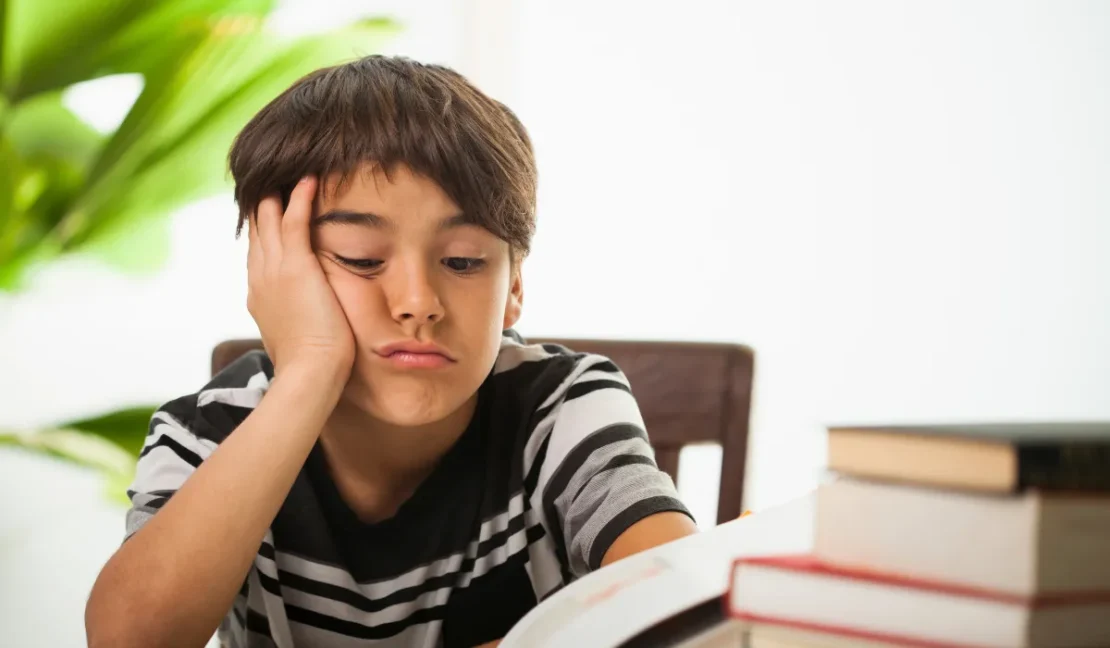
Image Source: Canva
The Role of Screen Time in Why Children Get Bored Easily
We can’t discuss modern childhood boredom without addressing the elephant in the room: screens. The relationship between screen time and why children get bored easily is significant and well-researched.
How Screens Rewire Attention
Digital entertainment provides unnaturally intense stimulation: rapid scene changes, bright colors, constant sound, variable rewards. Children’s brains adapt to this intensity level and recalibrate their baseline for what’s “interesting.”
After significant screen time, normal activities like playing with toys, reading books, or outdoor exploration genuinely register as boring because the brain is now calibrated to much higher stimulation levels. This is a primary reason why children get bored easily in today’s world.
The Instant Gratification Effect
Screens provide instant entertainment with zero effort. Bored? Open an app. This prevents children from developing the tolerance for boredom and the creative problem-solving that emerge when entertainment isn’t instantly available.
Children who rely on screens for entertainment lose practice with generating their own ideas, initiating activities, and finding satisfaction in self-directed play.
Practical Screen Guidelines
We’re not anti-technology, but we do think it needs careful management during early childhood when attention, creativity, and self-direction are developing.
Guidelines that help:
- Minimize or eliminate screens for children under 3
- Limit to 1 hour or less daily for ages 3 to 6
- No screens within 1 hour of bedtime
- No screens during meals or family time
- Co-view when screens are used
- Choose slower-paced, educational content over fast-paced entertainment
- Make screens a special occasion rather than a daily default
Our programs at Apple Tree are entirely screen-free. From English to Music to Mathematics to all subjects, children engage with hands-on, real-world materials. Parents consistently report that after time in our screen-free environment, children engage more deeply in offline activities at home too.
Building Internal Resources Against Boredom
Ultimately, the goal isn’t to eliminate boredom but to help children develop internal resources to navigate it. When children get bored easily but can’t self-direct, they’re missing crucial life skills.
Imagination and Creative Thinking
Children with strong imaginative skills almost never experience true boredom because they can create entire worlds in their minds. A stick becomes a wand, a box becomes a house, and suddenly two hours have passed in deep play.
We cultivate imagination through storytelling, pretend play, open-ended arts, and giving children time and space for their own ideas in our Creativity and English programs.
Problem-Solving Skills
“I’m bored” is actually a problem to solve. Children who can identify: “What do I feel like doing? What materials do I need? How do I set this up?” can overcome boredom independently.
We teach problem-solving explicitly in Science and Mathematics and practice it constantly throughout the day. These skills transfer directly to managing unstructured time.
Self-Awareness and Emotional Regulation
Sometimes children say “I’m bored” when they actually mean “I’m tired,” “I’m lonely,” “I’m anxious,” or “I need to move my body.” Children who can identify their actual needs can address them more effectively.
Our Moral education and Social Studies curriculum includes emotional literacy. Children learn to identify and name feelings, including recognizing when “bored” might actually be something else.
Intrinsic Motivation
Children who’ve learned to find satisfaction in the activity itself rather than needing external rewards or entertainment are resilient against boredom. They can become absorbed in building, creating, investigating, or playing for the joy of the activity.
We build intrinsic motivation by offering choices, following children’s interests, allowing deep engagement without interruption, and celebrating process rather than just product.
Why This Matters at Apple Tree Pre-School BSD
Everything we’ve discussed about why children get bored easily and how to help connects directly to our approach at Apple Tree Pre-School BSD. We’re intentionally creating an environment that builds the exact skills children need to engage deeply and navigate boredom constructively.
Our Singapore curriculum covering English, Mathematics, Chinese, Science, Creativity, Social Studies, Bahasa, Moral education, Music, Physical Education, and Phonics is delivered through engaging, hands-on methods that maintain interest without relying on artificial overstimulation. We use open-ended materials, allow time for deep play, balance structure with freedom, and create calm environments that support sustained attention.
With class sizes from 12 children in our Toddler programs to 20 in Kindergarten, we can observe individual children’s engagement patterns and provide support tailored to each child’s needs. At our Educenter BSD Building campus, we partner with families to help children develop the internal resources that serve them far beyond preschool.
Ready to give your child an environment designed for deep engagement rather than constant entertainment? At Apple Tree, we understand that children who get bored easily often need less stimulation, not more, along with support developing creativity, imagination, and self-direction. Discover how we help children grow smart and happy while building lifelong engagement skills or call us at +62 888-1800-900.
Join our Apple Tree family where boredom transforms into creativity! 🍎