
Have you ever heard your toddler switch between languages in the middle of a sentence or mix up words from different languages? As parents, this can sometimes leave us scratching our heads, wondering if this is something to be concerned about or if it’s just part of the language-learning process. Well, if you’re raising a multilingual child, the phenomenon of language mixing in toddlers is more common than you might think!
At Apple Tree Pre-School BSD, we see this happen all the time, and let us tell you, it’s completely normal. In fact, it’s actually a sign that your child is on the right path when it comes to language development. So, let’s dive into what’s really going on when your toddler mixes languages, what’s normal, and how you can support their growing language skills.
What is Language Mixing in Toddlers?
Language mixing happens when a child uses words or structures from two or more languages in the same sentence or conversation. For example, they might say something like “Mom, I want to go to the toko (store) now” or mix up phrases like “Saya want to eat dinner.” It can sound like a jumble of words, but it’s actually a very natural phase in a multilingual child’s development.
Why Does It Happen?
At Apple Tree Pre-School BSD, we often explain that toddlers who grow up in bilingual or multilingual environments are actively learning two or more languages at the same time. While it may seem like they’re confused, they’re actually processing and connecting both languages in their minds. For young children, switching between languages can feel as natural as switching between toys or activities, and that’s totally okay!
Is Language Mixing Normal?
Yes, it’s perfectly normal! Children in multilingual environments often mix languages as part of their language acquisition process. Here’s why:
1. They’re Still Learning the Rules
When toddlers start learning more than one language, they don’t always know the boundaries between the two languages just yet. They might use the word or structure that feels easiest or most familiar in the moment. This is especially true when they haven’t fully mastered the grammar and rules of either language.
2. They’re Testing Out Language Skills
Kids are like little scientists, experimenting with language. They want to figure out what works and what doesn’t. By mixing languages, they’re trying to see how flexible and adaptable language can be.
3. Language Mixing Often Happens When One Language Is More Dominant
In many cases, children mix languages because one of the languages they’re learning is more dominant than the other. For example, if you speak English at home and your child is also exposed to Bahasa Indonesia at school, they might prefer to use English words when they’re unsure of the Bahasa word for something. It’s a sign that they’re processing both languages, just not always in the most “perfect” way.
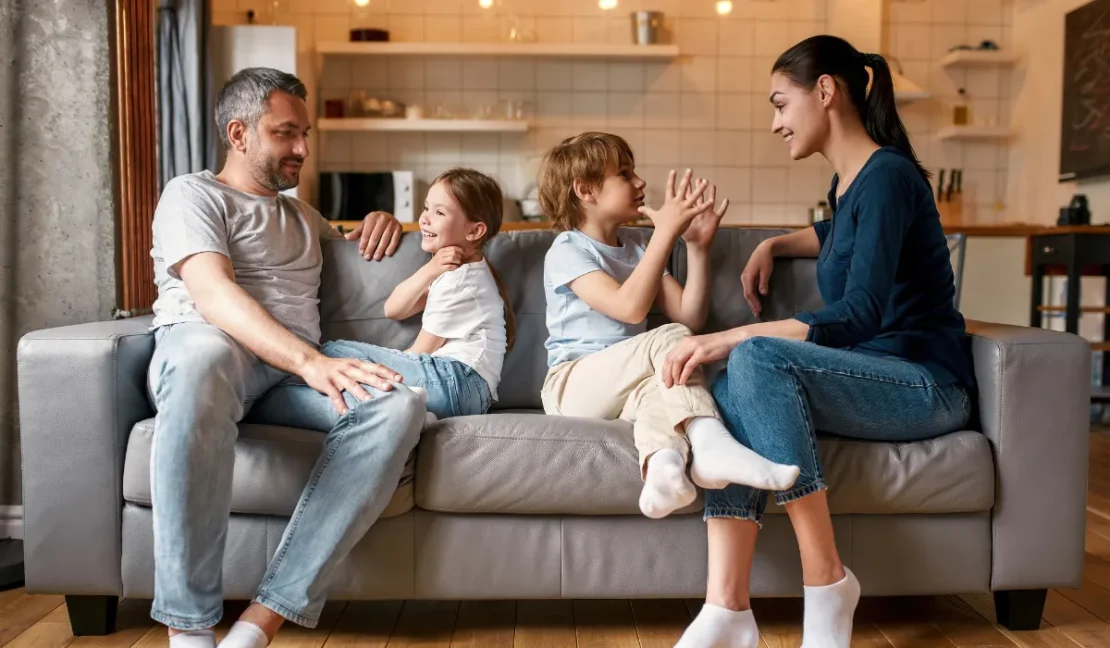
Image Source: Canva
When Should You Worry About Language Mixing?
Language mixing is usually nothing to worry about, but there are a few signs that might indicate there’s something more going on. If your child is mixing languages but showing no understanding or comprehension of either language, or if they’re not speaking in full sentences by age 3, it might be worth seeking advice from a pediatrician or speech therapist.
However, if your child is speaking in both languages, using words from both languages together, and starting to make sense of which language to use in different situations, you’re probably seeing a typical phase of development in multilingual children.
How to Support Your Child When They Mix Languages
Even though language mixing in toddlers is totally normal, you might be wondering how you can help your child develop their language skills in the best possible way. Don’t worry, we’ve got you covered!
1. Encourage Consistent Language Exposure
At Apple Tree Pre-School BSD, we encourage parents to make sure their child gets plenty of exposure to each language in different contexts. Whether it’s reading books, playing games, or simply talking about their day, consistency is key. The more they hear the language used correctly, the better they’ll be able to distinguish when to use each one.
2. Speak Clearly in Each Language
Sometimes, it helps if you and your child’s caregivers speak clearly and consistently in each language. For instance, you might choose to speak one language at home and another in public or school settings. This helps the child understand when and where to use each language, reducing the chances of language mixing in those contexts.
3. Let Them Make Mistakes
Let’s face it, language learning is messy, and kids are bound to make mistakes along the way. Embrace this! Don’t correct your child every time they mix up languages. Instead, acknowledge their effort and encourage their curiosity. The more relaxed you are about it, the more confident they’ll feel about exploring and experimenting with language.
4. Provide Opportunities for Play
Play is a natural way for children to learn, so why not incorporate more language-rich activities? Whether it’s singing songs, telling stories, or doing arts and crafts, giving your child opportunities to engage with language in a fun and interactive way helps reinforce vocabulary and sentence structures in both languages.
Image Source: Canva
When Should You Start Worrying About Language Development?
While language mixing itself isn’t typically a cause for concern, there are a few things to look out for:
- Delayed Speech or Lack of Progress: If your child isn’t using words in either language or seems significantly behind in language development, it could indicate a speech delay.
- No Preference for Either Language: If your child isn’t using words from both languages or seems to be confused all the time, it might be helpful to consult a speech therapist to get some guidance.
At Apple Tree Pre-School BSD, we focus on helping children develop language skills in both their native and second languages by offering a supportive, immersive environment that nurtures their growth at their own pace.
Embrace the Multilingual Journey!
So, when your toddler mixes languages, remember it’s just part of the exciting journey of multilingual development. Language mixing is completely normal, and in many ways, it’s a sign that your child is actively engaging with the world around them. The key is to be supportive and patient, offering plenty of opportunities for language exposure in a relaxed, fun environment.
At Apple Tree Pre-School BSD, we’re here to help guide your child on their journey, fostering language development through creative, engaging activities that help them become confident in both languages.
Register now! Let’s help your child grow smart and happy with our programs.If you have any questions, or would like more information about our programs, feel free to contact us on WhatsApp or call us directly at +62 888-1800-900.