

Yesterday morning, something happened that reminded me why the moment when a child loses interest in studies can feel so heartbreaking for parents. Five-year-old Jake, who used to eagerly participate in our math activities and proudly show off his counting skills, suddenly pushed away his worksheet and declared, “Learning is boring! I don’t want to do this anymore!” His mother’s face fell as she watched from our parent observation area, and I could see the worry and confusion in her eyes.
Here at Apple Tree Pre-School BSD, we encounter this challenge more often than parents realize. The truth is, it’s completely normal for children to go through phases where they seem less motivated about learning, but that doesn’t make it any less concerning when your child loses interest in studies that once excited them.
What’s important to understand is that this loss of interest rarely happens overnight or without reason. Usually, there are underlying factors that we can identify and address, helping children rediscover their natural love of learning. The key is responding with curiosity rather than panic, and understanding that this phase often represents an opportunity for growth rather than a permanent setback.
1. Understanding Why Children Lose Interest in Learning
When a child loses interest in studies, it’s usually their way of communicating that something isn’t working for them in their current learning environment or approach. At our location in the Educenter BSD Building, we’ve learned to see these moments as valuable information rather than simple defiance or laziness.
Common Reasons Behind Learning Disinterest:
- Academic material that’s either too challenging or too easy for their current level
- Learning style mismatches that make information difficult to absorb
- Pressure or anxiety around performance and meeting expectations
- Physical factors like fatigue, hunger, or developmental changes
- Social dynamics that affect confidence and willingness to participate
- Overstimulation from screens reducing attention spans for traditional learning
- Lack of connection between learning activities and their personal interests
Understanding these root causes helps us respond appropriately rather than simply pushing harder with the same approaches that aren’t working.
Developmental Factors That Affect Learning Interest
Children go through natural developmental phases that can temporarily affect their enthusiasm for structured learning activities. What looks like a child loses interest in studies might actually be their brain reorganizing itself for the next stage of development.
Growth spurts, both physical and cognitive, can temporarily disrupt established learning patterns. Children might seem less focused or motivated during these transitions, but this often precedes periods of significant developmental leaps.
Social awareness also develops during preschool years, making children more conscious of peer comparisons and potential embarrassment, which can affect their willingness to take learning risks.
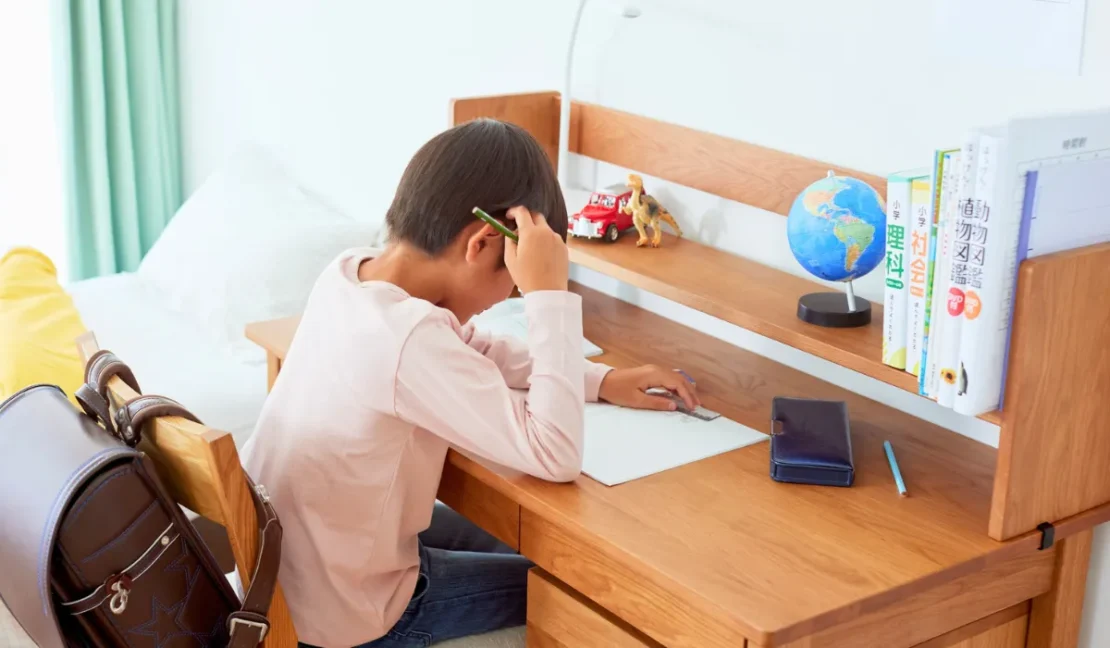
Image Source: Canva
2. Identifying the Root Cause of Academic Disengagement
Before we can effectively help when a child loses interest in studies, we need to become detectives, observing patterns and gathering information about what might be contributing to their changed attitude toward learning.
Watch for timing patterns around when disinterest appears. Does it happen at specific times of day, with certain subjects, or after particular types of activities? These clues help identify whether the issue is related to fatigue, difficulty level, or other environmental factors.
Observing Learning Style Preferences
During our programs, we pay attention to how individual children naturally prefer to engage with information. Some children are visual learners who need to see concepts, while others are kinesthetic learners who need to move and touch to understand.
When a child loses interest in studies, it might be because the teaching approach doesn’t match their natural learning preferences. A child who needs hands-on experiences might seem disengaged during lecture-style instruction, while a visual learner might struggle with purely auditory information.
Emotional factors also play crucial roles. Children who feel stressed, overwhelmed, or inadequate often protect themselves by appearing uninterested rather than risking failure or embarrassment.
3. Creating Engaging Learning Experiences
Once we understand why a child loses interest in studies, we can begin rebuilding their enthusiasm through approaches that match their individual needs, interests, and developmental stage. The goal is reigniting their natural curiosity rather than forcing engagement.
Strategies for Rebuilding Learning Interest:
- Connect new concepts to topics they already love and find exciting
- Incorporate movement and hands-on activities into learning experiences
- Use games, stories, and play-based approaches to make learning feel fun
- Allow children to have choices and input in their learning activities
- Celebrate effort and progress rather than focusing solely on correct answers
- Break challenging tasks into smaller, manageable steps that build confidence
- Create learning environments that feel safe for making mistakes
The key is meeting children where they are emotionally and developmentally, then gradually rebuilding their confidence and enthusiasm for new challenges.
Making Learning Personally Relevant
Children engage more deeply when they can see connections between what they’re learning and their own lives, interests, or goals. If Jake loves dinosaurs, we might use dinosaur counting games, dinosaur-themed story problems, or dinosaur facts to teach various concepts.
Personal relevance also means honoring children’s questions and interests, even when they seem to take us off the planned curriculum path. Following their curiosity often leads back to important learning objectives through more engaging routes.
4. Addressing Emotional Barriers to Learning
Sometimes when a child loses interest in studies, the real issue isn’t academic at all but emotional. Fear of failure, perfectionism, social anxiety, or feeling overwhelmed can all manifest as apparent disinterest or resistance to learning activities.
Building emotional safety around learning means creating environments where children feel comfortable making mistakes, asking questions, and admitting when they don’t understand something. This requires patience and often involves rebuilding confidence that may have been damaged by previous experiences.
Supporting Self-Confidence and Growth Mindset
Children who believe that abilities can be developed through effort and practice are more likely to persist when learning becomes challenging. When we focus on effort, improvement, and learning from mistakes, children develop resilience that serves them throughout their educational journey.
Celebrating small wins and progress helps children see themselves as successful learners, which motivates continued effort and engagement. Even tiny steps forward deserve recognition and encouragement.
Helping children develop internal motivation by connecting learning to their own goals and interests creates more sustainable engagement than external rewards or pressure.
5. Collaborating with Parents for Consistent Support
When a child loses interest in studies, the most effective solutions involve collaboration between home and school environments. Consistent approaches and messages help children feel supported rather than caught between different expectations or methods.
Home-School Collaboration Strategies:
- Share observations about what works and doesn’t work for individual children
- Align approaches to homework, rewards, and learning expectations
- Communicate regularly about progress, challenges, and breakthrough moments
- Support each other’s efforts rather than undermining different approaches
- Focus on the child’s overall well-being rather than just academic performance
Parents and teachers working together create powerful support systems that help children navigate learning challenges more successfully.
Creating Positive Learning Environments at Home
Home learning environments significantly impact children’s attitudes toward education. When families create spaces and routines that support curiosity, exploration, and joy in learning, children are more likely to maintain positive attitudes toward studies.
This doesn’t require expensive materials or formal lessons, but rather attitudes that value questions, effort, and discovery over perfect performance or comparison to others.

Image Source: Canva
6. When to Seek Additional Support
Sometimes when a child loses interest in studies, underlying issues may require professional assessment or intervention. Learning differences, attention challenges, or emotional issues might need specialized support to help children reach their potential.
Signs that additional evaluation might be helpful include persistent struggles despite varied approaches, significant regression in previously mastered skills, or emotional distress around learning activities that doesn’t improve with time and support.
Building Support Networks
Connecting with other parents, educators, and professionals creates networks of support and resources for addressing learning challenges. Sometimes fresh perspectives or different approaches make all the difference for individual children.
Remember that seeking help is a sign of good parenting, not failure. Every child deserves support that matches their unique needs and learning profile.
Understanding what to do when a child loses interest in studies requires patience, observation, and willingness to adjust our approaches based on individual needs. At Apple Tree Pre-School BSD, we believe that every child has natural curiosity and love of learning that can be rekindled with the right support and understanding.
The key lies in seeing temporary disinterest as information rather than defeat, and using that information to create more engaging, appropriate, and joyful learning experiences that honor each child’s unique needs and interests.
Ready to help your child rediscover their love of learning in a supportive, engaging environment? We’d love to discuss how our individualized approach helps children overcome learning challenges and develop confident, enthusiastic attitudes toward education. Send us a WhatsApp message or give us a call at +62 888-1800-900.
Come play and learn with other children, because every child’s natural curiosity deserves to flourish and grow! 🌱📚✨