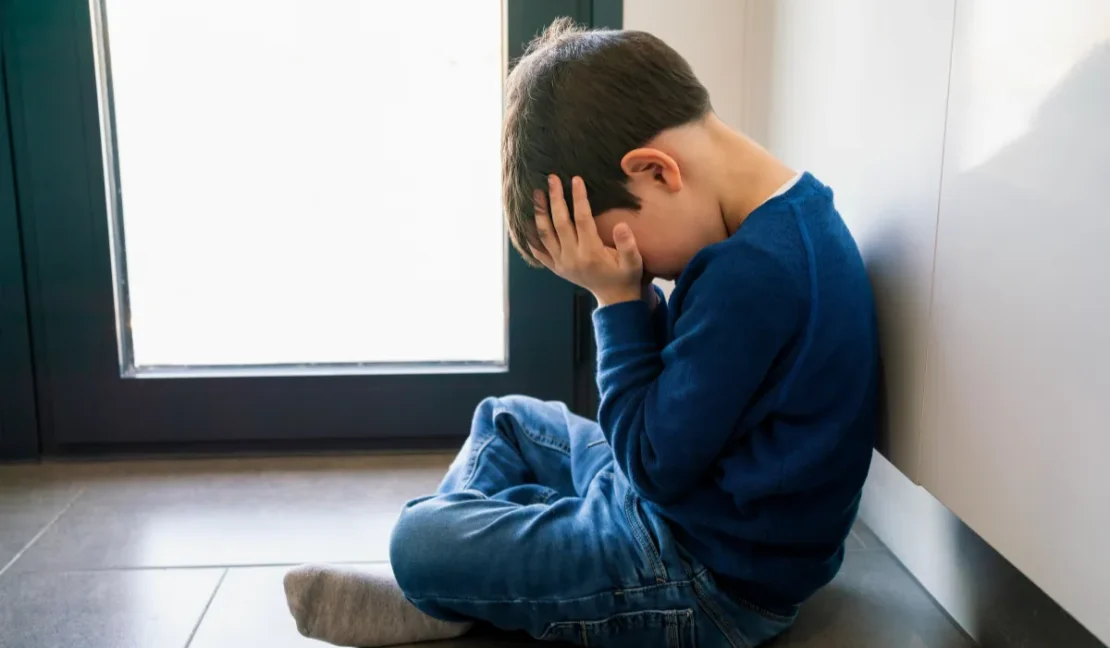
Last week, we noticed that Sarah from our Kindergarten 2 class had been unusually quiet during morning circle time. Instead of her usual enthusiastic participation, she was sitting with her shoulders hunched, barely making eye contact, and flinching whenever other children came near her. When we gently asked if everything was okay, she burst into tears and whispered, “The big kids at my old school said I was stupid and ugly, and now I’m scared it’s going to happen here too.” Our hearts absolutely broke hearing those words from such a bright, wonderful little girl.
If you’ve ever suspected that your child bullied at school help is something you desperately need, you know that sinking feeling in your stomach when you realize your precious little one is suffering. At Apple Tree Pre-School BSD, we’ve supported countless families through bullying situations, and we’ve learned that the impact goes far beyond just “kids being kids.” When children experience bullying, it affects their self-esteem, their willingness to participate in school activities, their sleep patterns, and even their physical health.
Here’s what we’ve discovered through years of working with families dealing with bullying: finding effective child bullied at school help isn’t just about stopping the immediate problem. It’s about building your child’s confidence, teaching them practical skills for handling difficult social situations, and creating support systems that help them feel safe and valued at school.
Recognizing Signs Your Child Bullied at School Help Is Needed
The challenge with bullying situations is that children often don’t directly tell their parents what’s happening. Sometimes they’re embarrassed, sometimes they’re afraid the situation will get worse if adults get involved, and sometimes they don’t even recognize that what they’re experiencing counts as bullying.
At our location in the Educenter BSD Building, we’ve learned to watch for subtle signs that indicate a child might be struggling with bullying at school. These signs can be physical, emotional, or behavioral, and they often appear gradually rather than all at once.
The most common indicators include changes in eating or sleeping patterns, reluctance to go to school or participate in activities they used to enjoy, unexplained injuries or damaged belongings, and significant changes in mood or personality. Children who were once outgoing might become withdrawn, while children who were generally happy might become anxious or irritable.
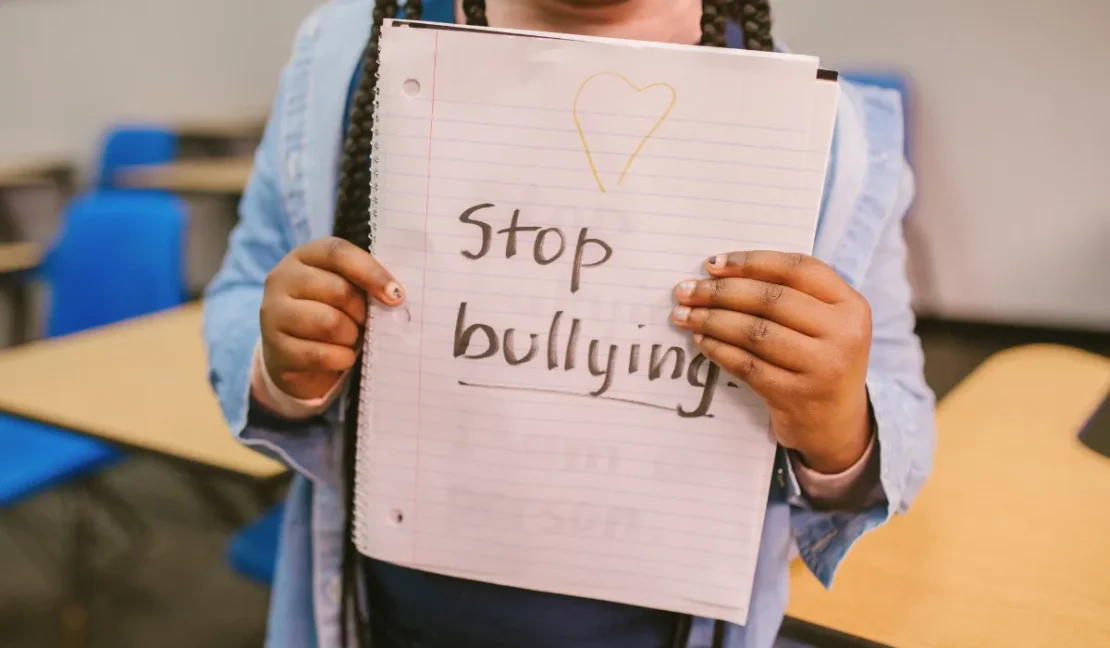
Image Source: Canva
Immediate Steps When You Discover Bullying
Creating a Safe Space for Your Child to Share
When you suspect your child is being bullied, your immediate response sets the tone for how comfortable they’ll feel sharing details and seeking your help in the future. The goal is to create an environment where your child feels heard, believed, and supported rather than judged or pressured.
Essential Response Elements:
- Listen without interrupting or immediately jumping to solutions
- Validate their feelings by acknowledging how difficult and scary the situation must be
- Reassure them that being bullied is never their fault, regardless of the circumstances
- Thank them for trusting you with this information and for being brave enough to share
- Avoid immediately promising specific outcomes or revenge against the bullies
- Focus on gathering information calmly rather than reacting emotionally to what you’re hearing
The way you respond to your child’s initial disclosure about bullying will determine whether they continue to confide in you as the situation develops or feel like they need to handle everything on their own.
Documenting the Bullying Incidents
Once you understand what’s been happening, start keeping detailed records of all bullying incidents, including dates, times, locations, people involved, and specific actions or words used. This documentation becomes crucial if you need to involve school administrators or if the situation escalates.
Take photos of any physical evidence like torn clothing, damaged belongings, or injuries. Keep copies of any written communications with school staff, and follow up verbal conversations with emails that summarize what was discussed and any agreed-upon action steps.
Working Effectively with School Staff
Approaching Teachers and Administrators
When seeking child bullied at school help from educational professionals, the way you present the situation significantly impacts how seriously it’s taken and how quickly effective action happens. The goal is to establish a collaborative partnership with school staff rather than an adversarial relationship.
Effective School Communication Strategies:
- Schedule formal meetings rather than trying to discuss complex bullying situations during brief pickup or drop-off conversations
- Present documented facts rather than emotional reactions or assumptions about motives
- Ask specific questions about school policies and procedures for handling bullying situations
- Request concrete action steps with clear timelines for implementation and follow-up
- Maintain professional, solution-focused communication even when you’re feeling frustrated or angry
- Follow up consistently to ensure promised actions are actually implemented
Remember that teachers and administrators want to create safe learning environments for all students, but they may not be aware of bullying situations that happen outside their direct observation.
Understanding School Policies and Procedures
Different schools have different approaches to handling bullying situations, and understanding your school’s specific policies helps you advocate more effectively for your child. Many schools have formal bullying policies that outline investigation procedures, consequences for bullying behavior, and support services for affected students.
Ask for copies of all relevant policies and familiarize yourself with the process before you need to use it. Some schools have anti-bullying coordinators, counselors, or other specialized staff who handle these situations, while others expect classroom teachers to manage bullying within their regular disciplinary procedures.
Building Your Child’s Confidence and Coping Skills
Teaching Practical Response Strategies
While it’s crucial to address bullying through official school channels, children also need practical skills for handling difficult social situations when adults aren’t immediately available to intervene. Teaching these skills builds confidence and helps children feel more in control of challenging situations.
Practical Anti-Bullying Strategies for Children:
- Practice confident body language including making eye contact, standing up straight, and speaking clearly
- Teach simple verbal responses like “That’s not okay” or “I’m going to tell a teacher” that don’t escalate conflicts
- Role-play walking away calmly from bullying situations and finding trusted adults for help
- Identify safe spaces and trusted adults at school where children can go when they feel threatened
- Discuss the difference between tattling and reporting serious safety concerns
- Practice friendship skills that help children build positive relationships with peers
The goal isn’t to make children responsible for stopping bullying on their own, but to give them tools that help them feel more confident and capable in social situations.
Rebuilding Self-Esteem and Social Confidence
Children who experience bullying often internalize negative messages about themselves and begin to believe they somehow deserve poor treatment. Rebuilding their sense of self-worth requires consistent, patient effort from supportive adults.
Focus on your child’s strengths, talents, and positive qualities through specific, genuine praise for things they do well. Encourage participation in activities where they can experience success and build friendships with children who share their interests.
Consider involving your child in activities outside of school where they can develop new skills and meet different groups of children. Sometimes a fresh social environment helps children rebuild confidence that transfers back to school settings.
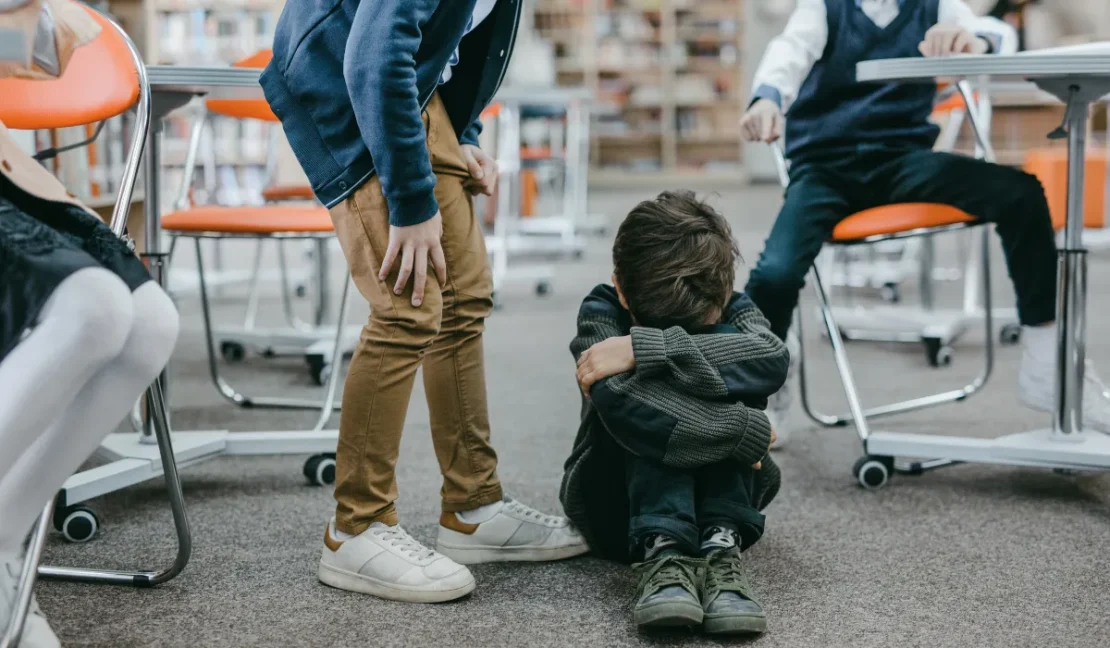
Image Source: Canva
Long-Term Support and Prevention
Preparing Your Child for International School Admission
For families considering international school options, it’s important to understand that bullying can happen in any educational environment, but schools with strong community values and proactive anti-bullying programs provide better protection and support.
Our comprehensive programs at Apple Tree Pre-School BSD across all age groups emphasize social-emotional learning, conflict resolution skills, and inclusive community building that naturally prevents bullying situations from developing. Children who develop strong social skills and emotional intelligence early are less likely to become targets and more likely to stand up for others who are being mistreated.
The Singapore curriculum we follow includes character education and social responsibility components that build empathy, respect for differences, and leadership skills that contribute to positive school climates.
Dealing with bullying situations requires patience, persistence, and collaboration between families and schools. Most importantly, children need to know they have adults who believe them, support them, and will work tirelessly to ensure their safety and well-being.
Is your child experiencing bullying or social difficulties at school? We understand how heartbreaking and frustrating these situations can be for families. Our experienced educators specialize in building social skills, confidence, and emotional resilience that help children navigate challenging social situations successfully. Send us a WhatsApp message or give us a call at +62 888-1800-900.
Come play and learn with other children, because every child deserves to feel safe, valued, and respected!