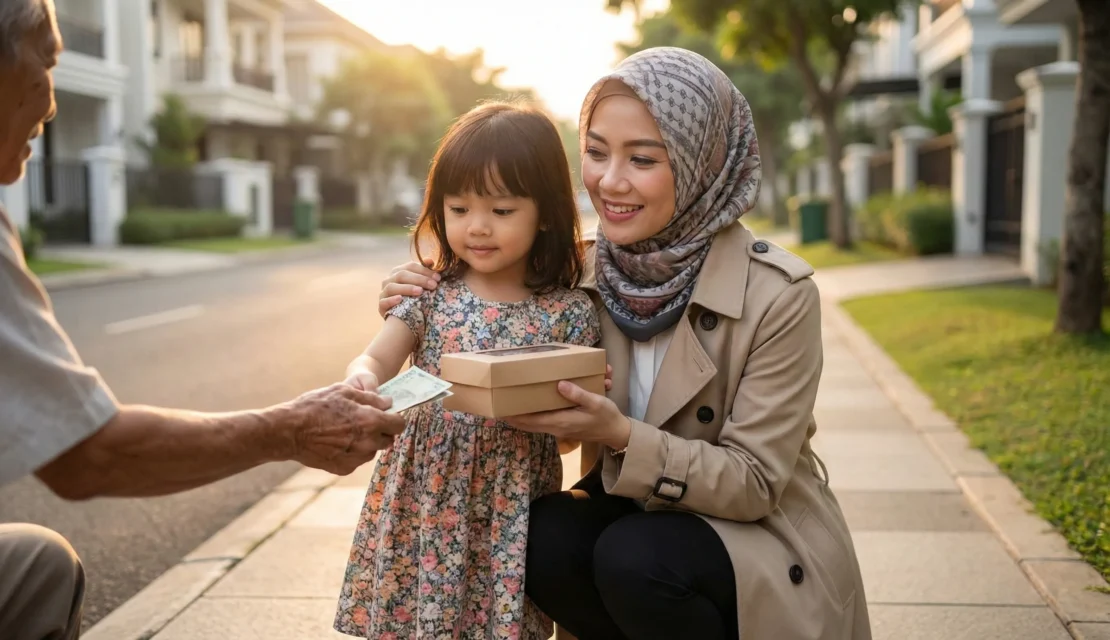
My four-year-old student came up to me last Ramadan holding a crumpled five thousand rupiah note, asking if we could give it to “someone who needs food.” Her mom had been talking about charity at home, and this little girl was ready to hand over her ice cream money to help someone else. That moment of pure generosity, unprompted and genuine, reminded me why teaching kids charity during Ramadan is so powerful. Children have naturally generous hearts, and the holy month provides the perfect opportunity to nurture that instinct into a lifelong value of giving and compassion.
At Apple Tree Pre-School BSD, we incorporate charity lessons throughout the year, but Ramadan brings special opportunities for teaching kids charity in meaningful, age-appropriate ways. Young children might not fully understand abstract concepts like empathy or social responsibility, but they absolutely grasp the concrete act of sharing what they have with others who need it. Teaching kids charity during this blessed month creates lasting impressions that shape their character development far beyond childhood.
The key to successfully teaching kids charity is making it tangible, involving them directly, and connecting giving to their own experiences in ways they can understand. When you teach charity as something joyful rather than obligatory, children develop genuine compassion instead of just going through motions. Let’s explore practical, tested ways of teaching kids charity that work with real children at different developmental stages.
Effective Ways Of Teaching Kids Charity
1. Start With Stories That Illustrate Giving
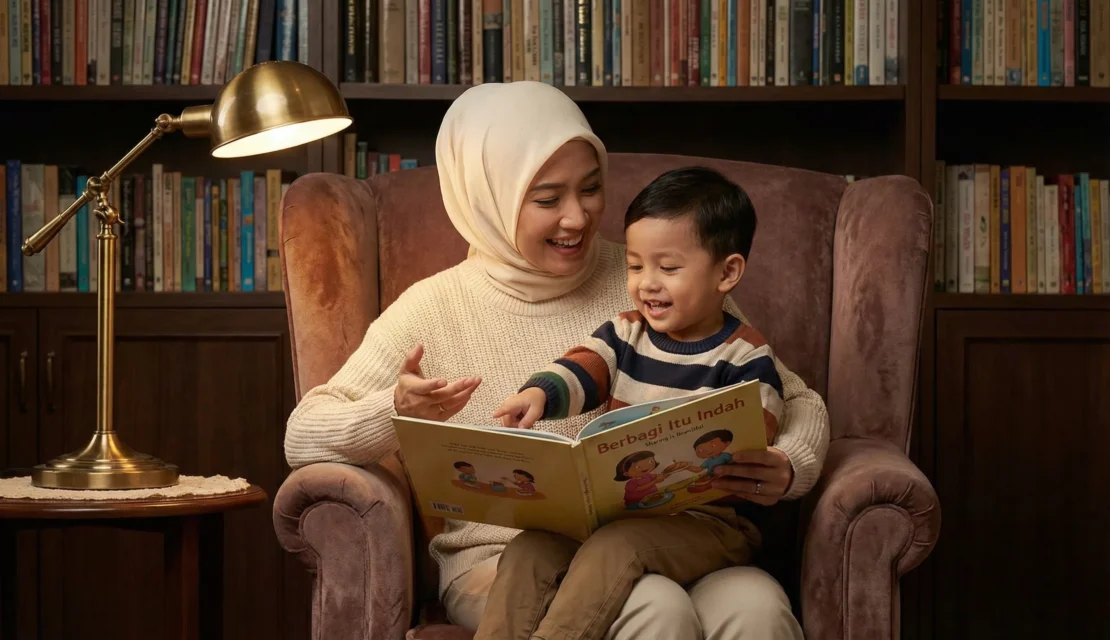
Stories are incredibly powerful tools for teaching kids charity because they make abstract concepts concrete and relatable. Read age-appropriate books about sharing, helping others, and acts of kindness that show characters making choices to give or help. Children’s Islamic books about charity, zakat, and sadaqah during Ramadan work wonderfully, but any story featuring generosity teaches valuable lessons about thinking of others’ needs.
After reading stories about charity, have conversations that connect the narrative to real life. Ask questions like “How do you think that person felt when they received help?” or “What could we do to help someone like that?” These discussions help children process the concept of charity beyond just the story. At Apple Tree Pre-School BSD in the Educenter BSD Building, we’ve found that story-based teaching kids charity lessons stick with children far longer than abstract explanations ever could.
Effective story-based charity lessons:
- Choose books with clear examples of giving and helping others
- Read stories featuring diverse types of charity from money to time to kindness
- Discuss characters’ feelings before and after receiving or giving help
- Connect story scenarios to situations children might actually encounter
- Revisit favorite charity stories multiple times throughout Ramadan
- Let children act out or draw scenes of giving from the stories
2. Create a Family Charity Box or Savings Project
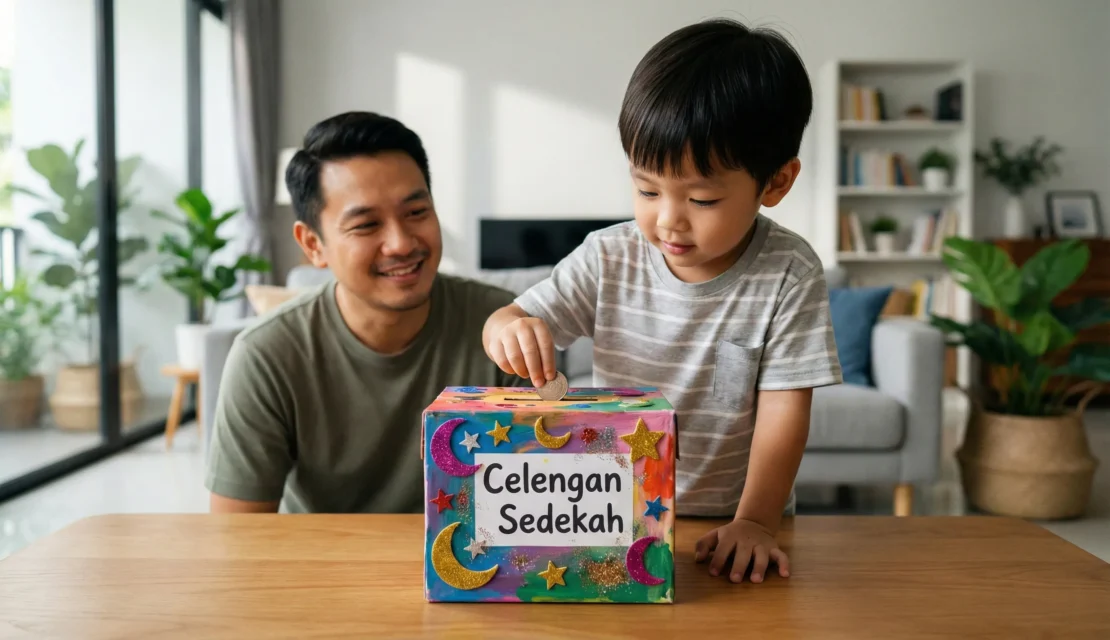
One of the most effective methods for teaching kids charity involves creating a visible, tangible charity collection that children can contribute to throughout Ramadan. Decorate a special box together and place it somewhere prominent where everyone passes daily. Each day, family members can contribute loose change, small bills, or whatever they can spare. Children love watching the box fill up over the month, making the abstract concept of accumulating charity concrete and exciting.
Involve children in deciding where the charity will go at the end of Ramadan. Show them pictures or videos of organizations that help hungry families, provide clean water, support orphans, or assist refugees. When children participate in choosing the recipient of their collected charity, they develop a stronger connection to the impact of their giving. This participatory approach to teaching kids charity helps them understand that their small contributions combine to make real differences in people’s lives.
Steps to create a successful charity box project:
- Let children decorate the charity box with Islamic art, crescents, stars, or their own creative designs
- Place the box in a high-traffic area where family passes multiple times daily
- Establish a daily routine of adding to the box, perhaps after iftar or morning breakfast
- Count the money together weekly so children see progress and practice math skills simultaneously
- Research charity organizations together and let children help choose where money goes
- Take children along when delivering charity if possible so they see the impact firsthand
3. Involve Children in Preparing and Sharing Food
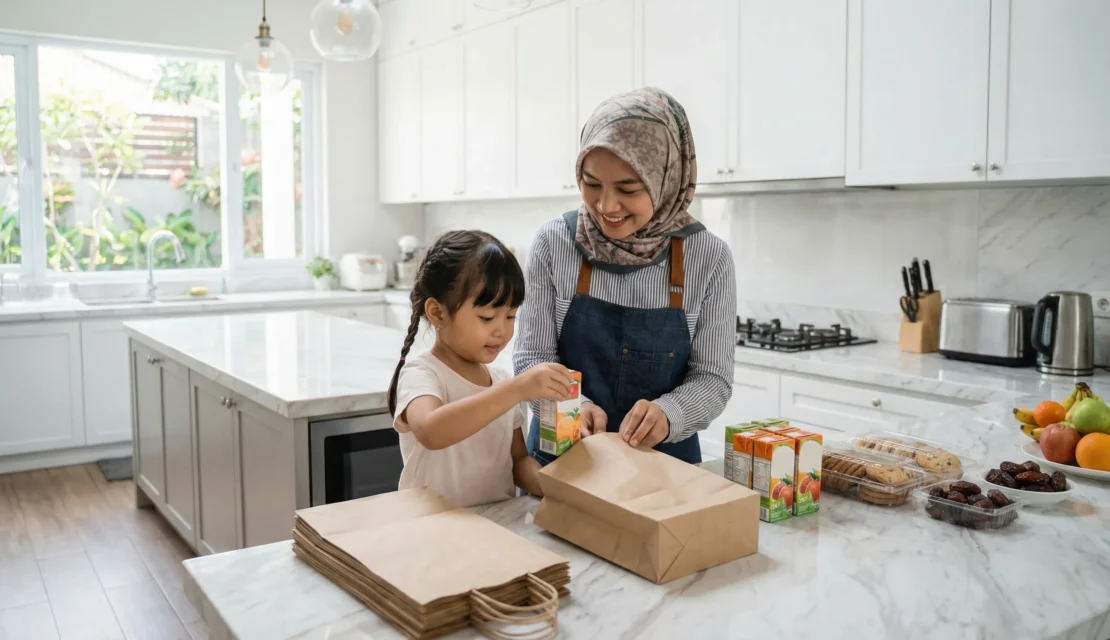
Food-based charity resonates powerfully with young children because food is central to their daily lives and something they understand viscerally. During Ramadan, involve children in preparing simple foods specifically to share with neighbors, mosque visitors, or families in need. Even toddlers can help wash vegetables, stir ingredients, or arrange food on plates. This hands-on participation makes teaching kids charity experiential rather than just theoretical.
Delivering the food together teaches children that charity isn’t just about money but also about time, effort, and thoughtfulness. Talk about how the food you’re preparing will help someone break their fast or provide a meal for a family who might not have enough. Children take enormous pride in food they’ve helped prepare, and knowing it’s going to help someone in need creates positive associations between giving and feeling good.
4. Practice Daily Acts of Kindness
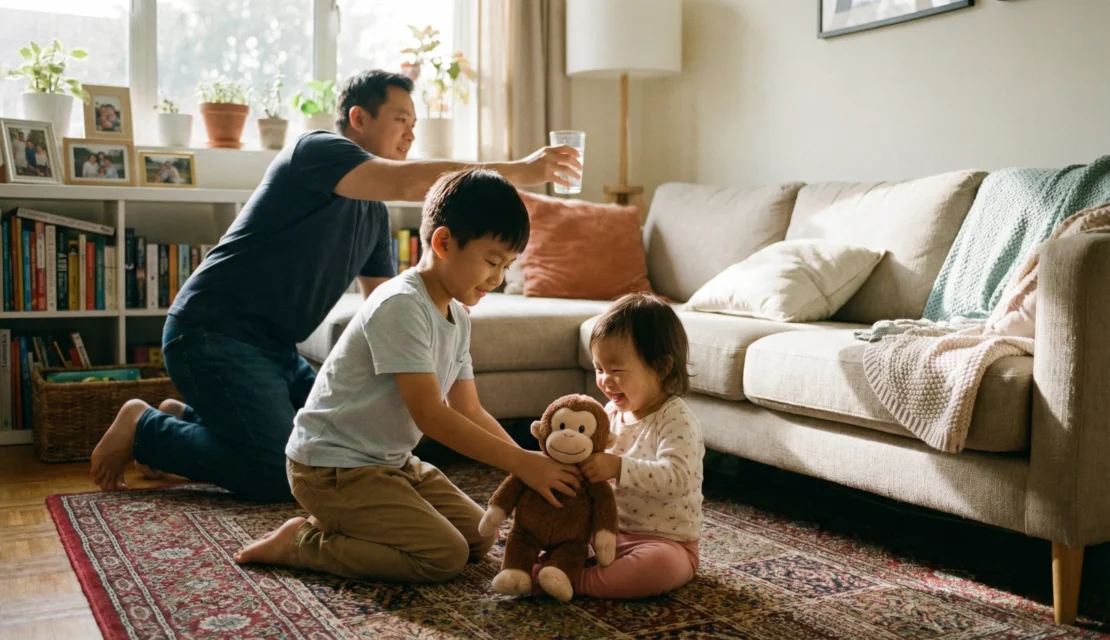
Charity isn’t only about money or food but also about kind actions and helpful behavior. Teaching kids charity through daily acts of kindness makes the concept part of regular life rather than something special that only happens during Ramadan. Create a kindness challenge where family members try to do one kind act daily throughout the month. Kind acts might include helping a sibling, sharing toys, calling grandparents, complimenting someone, or picking up litter.
Keep a visual kindness tracker where children can add a sticker, star, or drawing each time they perform an act of charity or kindness. This visible record helps young children track abstract behavior and feel proud of their generous actions. Teaching kids charity through everyday kindness demonstrates that charity isn’t just about big donations but about consistently thinking of others and acting with compassion in small, daily ways.
Age-appropriate daily kindness ideas:
- Toddlers: Sharing snacks with siblings, giving hugs, helping put toys away
- Preschoolers: Making cards for lonely neighbors, donating outgrown toys, helping set the table
- Kindergarteners: Reading to younger siblings, helping elderly neighbors carry bags, making gifts for family
- All ages: Saying kind words, offering help without being asked, including everyone in play
5. Visit Those in Need Together
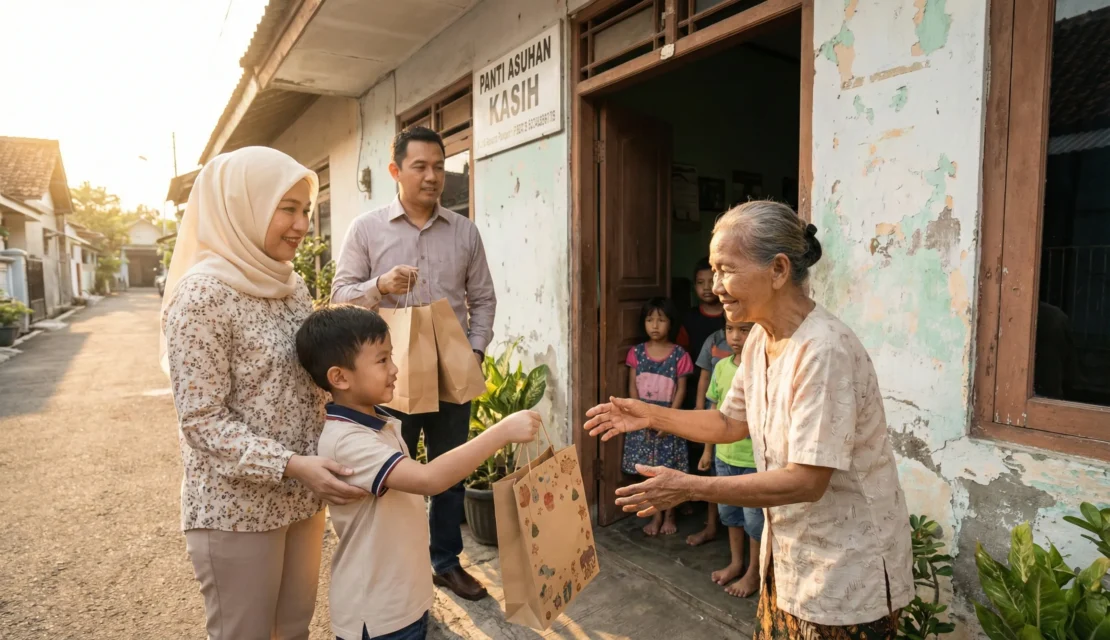
If safe and appropriate, take children along when delivering charity to experience giving firsthand. Visit an elderly neighbor who might be lonely, bring food to a family in need, or volunteer at a community iftar. These direct experiences make teaching kids charity real and memorable in ways that hypothetical discussions never achieve. Children see the faces of people receiving help, observe their gratitude, and understand in concrete terms how charity makes a difference.
Before visits, prepare children with age-appropriate explanations about what they’ll see and why you’re going. Afterward, talk about the experience and answer any questions they have. These real-world charity experiences create lasting memories that shape children’s understanding of compassion, empathy, and social responsibility throughout their lives.
6. Let Children Give Their Own Belongings
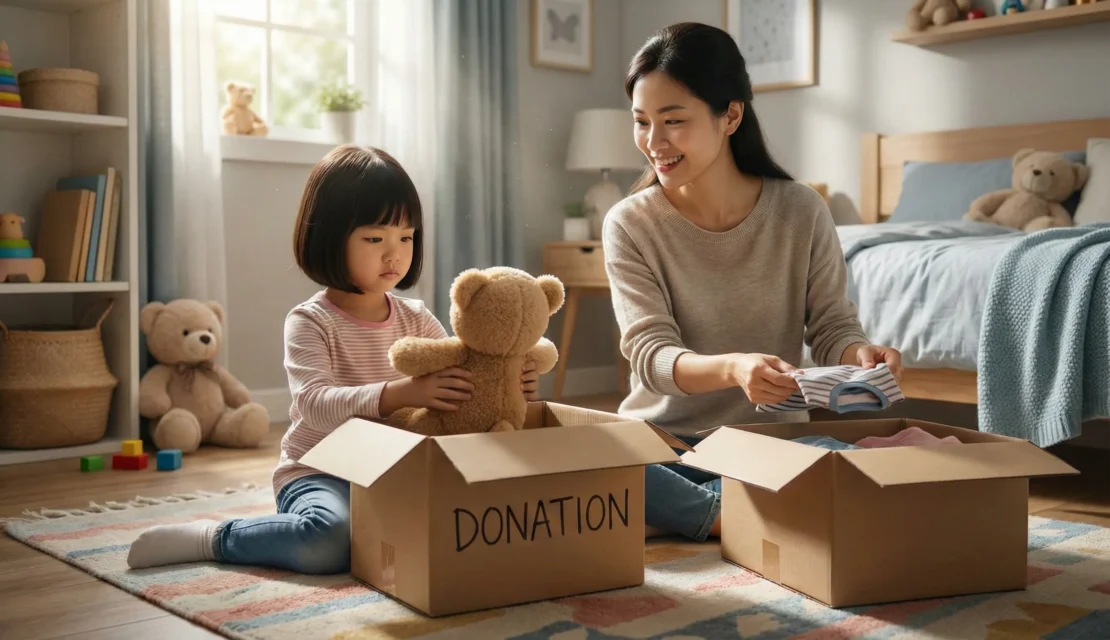
Teaching kids charity becomes most powerful when children give from their own possessions rather than just watching adults give. Help children sort through toys, books, clothes, or other belongings to select items in good condition to donate to children who need them. This process teaches that charity means sacrificing something you value to help others, not just giving away things you don’t want anymore.
Guide children toward generous but reasonable donations. You don’t want them giving away everything or items that were special gifts, but do encourage them to choose things they still enjoy rather than just broken or outgrown items. This balance teaches that charity involves some sacrifice and thoughtfulness about others’ needs. Teaching kids charity through personal giving develops genuine generosity rather than just clearing out clutter.
Helpful Tips For Teaching Kids Charity
Making charity lessons stick requires consistent, positive approaches that meet children at their developmental level. These practical tips come from years of teaching kids charity at various ages and learning what actually works versus what sounds good in theory but falls flat in practice. Remember that teaching values takes time and repetition, so don’t expect instant transformation after one charity activity.
Essential tips to remember:
- Keep charity activities age-appropriate so children can fully participate and understand at their level
- Make giving joyful and positive rather than guilt-based or obligatory in tone and presentation
- Let children have choice and input in charity decisions so they feel ownership rather than just following orders
- Connect charity to children’s own experiences by asking how they’d feel in others’ situations
- Model generous behavior yourself since children learn far more from what they see than what they hear
- Praise specific charitable actions rather than generic “good job” to reinforce the exact behaviors you want
- Be consistent throughout the year, not just during Ramadan, so charity becomes a lifestyle rather than seasonal
- Use visual aids like charts, boxes, or pictures to make abstract charity concepts concrete for young minds
- Share stories of charity from family history or Islamic history to provide inspiring role models
- Focus on the joy of giving rather than emphasizing how much others lack to avoid creating fear or guilt
Building Generous Hearts That Last
Teaching kids charity during Ramadan plants seeds that grow throughout children’s entire lives. The lessons they learn now about thinking of others, sharing resources, and acting with compassion become the foundation for adult values of social responsibility and generosity. When charity becomes part of normal family life rather than something special or unusual, children grow up understanding that caring for others is simply what people do.
We’ve seen at Apple Tree Pre-School BSD how early lessons in sharing, kindness, and helping others shape children’s character development in profound ways. Teaching kids charity isn’t just about the immediate act of giving but about developing empathy, gratitude, and awareness of others’ needs that last forever. The holy month provides intensified opportunities to practice and reinforce these values in focused, meaningful ways that children remember long after Ramadan ends.
Ready to give your child an education that nurtures generosity, compassion, and strong moral character? Teaching kids charity is just one aspect of the values education we integrate throughout our comprehensive curriculum. At Apple Tree Pre-School BSD in the Educenter BSD Building, we help children develop not just academic skills but also the character qualities that make them caring, thoughtful, and generous individuals.We’d love to show you how we incorporate moral education, social awareness, and character development alongside academic excellence in our Singapore-based curriculum. Send us a WhatsApp message or call us at +62 888-1800-900 to learn about our programs for children aged 1.5 to 6 years. Come visit our classrooms and see how we help children grow smart and happy while developing generous hearts and compassionate spirits. Our programs from Toddler through Kindergarten provide the perfect environment where your child can thrive academically, socially, and morally. Register now and give your child the gift of education that celebrates both mind and heart. Ramadan Kareem! 🌙💚🤲