I was sitting in our classroom at the Educenter BSD Building last week when a parent shared her biggest frustration with me. “My daughter will eat chicken nuggets and fries all day long,” she said with a laugh, “but vegetables? She acts like I’m serving her poison.” I could hear the genuine concern underneath her humor. If your child prefers junk food over nutritious meals, you’re definitely not alone in this challenge.
Here’s what we’ve learned at Apple Tree Pre-School BSD after years of working with families. When a child prefers junk food, it’s rarely about being stubborn. Kids gravitate toward fast food because it tastes amazing to young palates. The good news? Helping your child prefer healthier options is totally achievable with patience and the right approach.
We’re going to share strategies that actually work for you. We’ll explore traditional Indonesian dishes your kids will genuinely enjoy. We’ll show you how building healthy eating habits early sets your child up for success later. Let’s talk about why this transition matters and how to make it smooth and stress-free.
Understanding Why Your Child Prefers Junk Food
When a child prefers junk food, there are logical reasons behind this preference. Junk food companies engineer their products to be addictive. They pack foods with salt, sugar, and fat strategically. These ingredients trigger pleasure centers in young brains. Ultra-processed foods also tend to be softer. They require less chewing than whole foods. This appeals to developing palates still learning new textures.
Another reason your child prefers junk food might be simple habit. When fast food becomes part of your routine, kids naturally expect it. They request it regularly because they know it. Marketing also plays a huge role in food preferences. Colorful packaging catches their eyes immediately. Cartoon characters make junk food seem exciting and desirable. Constant advertisements create desire before your child even tastes anything.
Additionally, when a child prefers junk food, limited exposure to healthier alternatives matters significantly. Your child hasn’t learned to appreciate traditional cuisine flavors yet. That’s completely normal and changeable with intentional effort. Social influences matter too when your child prefers junk food. If friends eat fast food at birthday parties, kids want to fit in. Your child seeking control or independence can drive food preferences too. Understanding these reasons helps you address actual issues, not just symptoms.
Why Transitioning from Junk Food Matters for Your Child
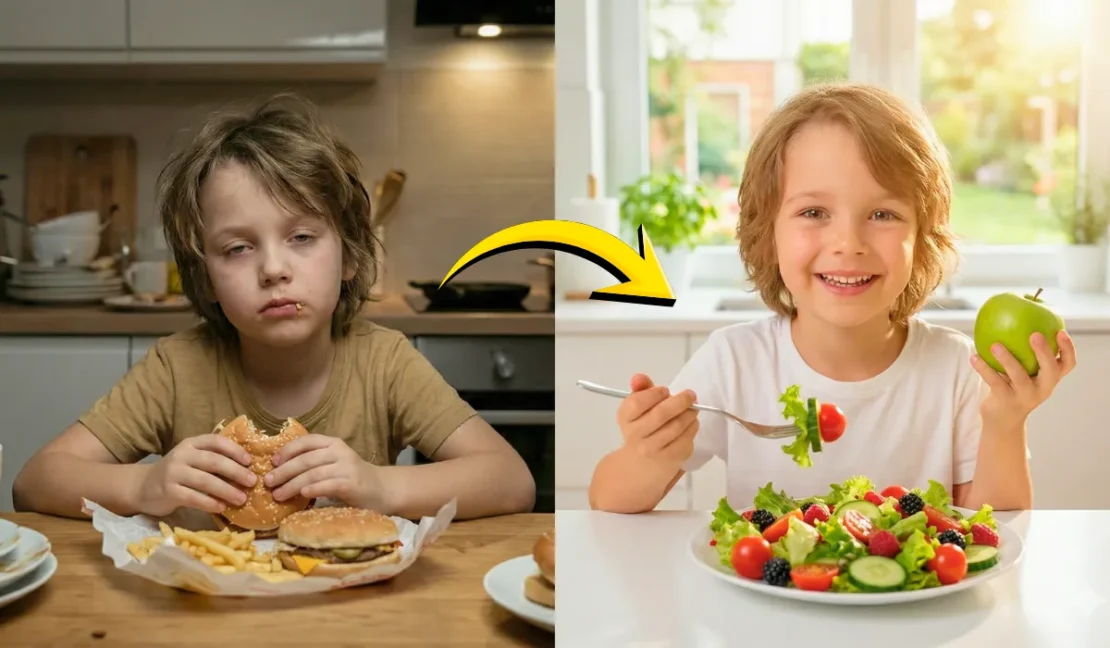
When your child prefers junk food consistently, it affects their energy levels throughout the day. Their concentration in school may suffer without proper nutrition. Long-term health patterns develop from childhood eating habits. The exciting part? Children are incredibly adaptable with the right approach. When you introduce healthy options consistently and positively, they surprise you. Kids often become willing to try new things more easily than you’d expect.
Our approach isn’t about restriction or making your child feel bad. We focus on making nutritious eating feel natural and delicious. We help your family create positive associations with healthy foods. Your child learns that eating well makes them feel amazing. They discover that nutritious food can taste just as good as processed snacks. Building these foundations now changes their relationship with food forever.
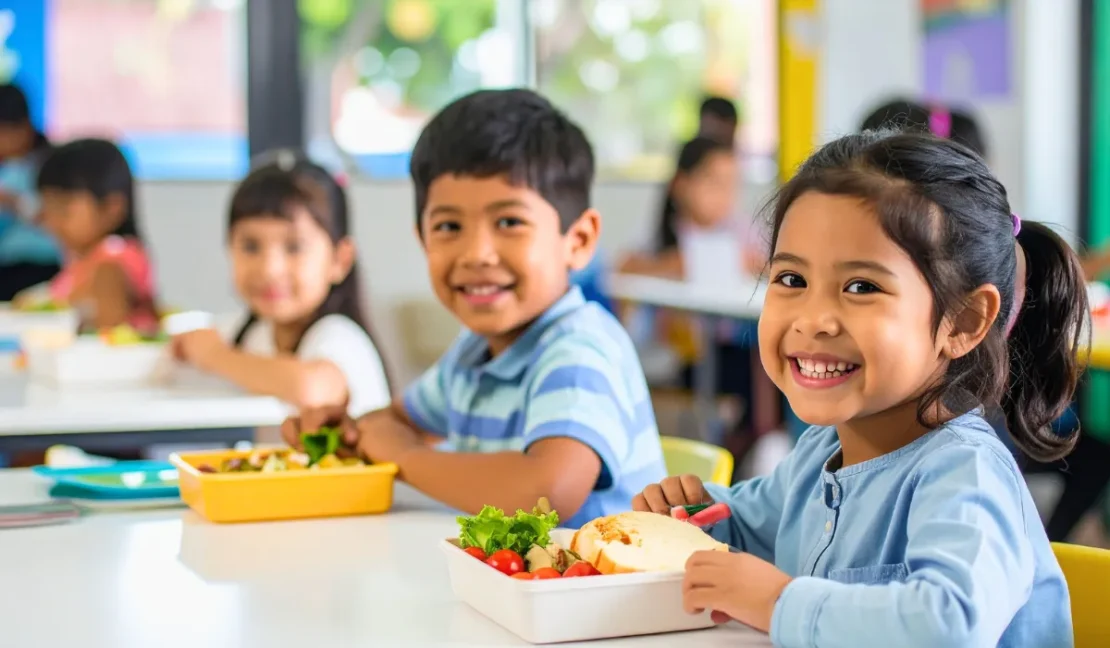
Image Source: Canva
Making Indonesian Food Appealing When Your Child Prefers Junk Food
Indonesia has incredible traditional foods that are naturally nutritious. Yet kids who prefer junk food might initially resist these dishes. The key is introducing Indonesian meals in approachable, fun ways. Don’t force your child to eat something just because it’s healthy. Meet them halfway by making the transition gradual and positive. Your child needs to feel invited to try new foods, not pressured.
Gado-gado is fantastic because you let your child choose toppings. When your child prefers junk food, this interactive aspect makes meals more engaging. Start with just peanut sauce and a few familiar vegetables. Gradually introduce new items as they become more comfortable with the meal. Your child develops confidence and curiosity about new foods naturally.
Soto ayam is another winner for kids transitioning away from processed snacks. It’s warm, comforting, and doesn’t feel like “healthy food” in intimidating ways. The turmeric and spices give it delicious flavor that kids genuinely enjoy. Your child often forgets they’re eating something nutritious when it tastes this good. They stop preferring junk food because they’ve discovered something better tasting.
Perkedel, tahu goreng, and lumpia work wonderfully when made slightly healthier. You can add vegetables subtly without your child noticing them. Never trick your child into eating foods, as this breaks trust. Martabak can be made with healthier fillings using vegetables and lean protein. It still feels special enough to compete with processed alternatives effectively. Rice bowls with colorful toppings let kids build their own meals. This sense of control is incredibly powerful when your child prefers junk food initially.
Here are specific Indonesian dishes that work well with picky eaters:
- Gado-gado with customizable vegetables and peanut sauce for interactive eating experiences
- Soto ayam that’s warming and flavorful without feeling like mandatory “healthy food”
- Perkedel made with potatoes and vegetables for familiar comfort food feelings
- Lumpia with creative fillings that sneak in vegetables completely naturally
- Nasi kuning with colorful mix-ins that make eating feel exciting and fun
- Tahu goreng served with sambal or peanut sauce for appealing dipping texture
- Bakso with broth that’s both nourishing and genuinely kid-approved in taste
Strategies for Transitioning Your Child from Junk Food
When your child prefers junk food, going cold turkey rarely works effectively. This approach often backfires and makes you the bad guy restricting their favorite foods. Instead, a gradual transition works far better for everyone involved. Slowly introduce healthier options while reducing junk food intake over time. Think of it as shifting the balance rather than making dramatic overnight changes. Your child prefers junk food for specific reasons, and respecting that matters tremendously.
One powerful strategy is “food chaining,” which works remarkably well. Take foods your child already enjoys and gradually modify them. If your child prefers junk food like chicken nuggets, start making homemade versions with better ingredients. Then gradually introduce other proteins mixed with the nuggets slowly. Next, transition to whole pieces of chicken with healthy sides. This way, you’re not asking your child to suddenly like something completely new. You’re evolving what they already enjoy into something healthier. This approach works brilliantly because it meets your child where they actually are.
Another effective strategy involves your child in meal planning and preparation. When your child who prefers junk food helps choose vegetables at the market, they gain investment. Assisting with cooking creates excitement about eating their creations. Kids are naturally curious when they feel part of the process. They resist healthier foods far less when involvement happens naturally. Your child becomes a willing participant rather than a reluctant eater. At Apple Tree Pre-School BSD, cooking activities help kids develop healthier relationships with eating overall.
Creating Positive Food Experiences Beyond the Plate
When your child prefers junk food, emotional experience matters as much as nutrition. Family meals are golden opportunities to normalize healthy eating naturally. Eating together without screens creates positive associations with nutritious food. Having conversations during meals strengthens family bonds significantly. Modeling healthy eating yourself shows your child that nutritious food is enjoyable. Your child watches what you eat far more than they listen to advice.
Making mealtimes fun and pressure-free is absolutely essential here. Serve small portions of new foods alongside familiar favorites always. Don’t make a big deal if your child doesn’t eat the new items. Sometimes kids need to see foods multiple times before trying them. This is completely normal, even when your child prefers junk food initially. Celebrate small victories like trying tiny bites or touching food with forks. These moments build confidence and willingness to experiment with new options.
Create a food-positive environment by avoiding restrictive language completely. Never say “that’s healthy so you must eat it” to your child. Avoid saying “junk food is bad” or making kids feel guilty about preferences. Instead, focus on how different foods make our bodies feel amazing. Talk about how nutritious food helps kids play longer and stay energetic. Explain how good nutrition helps skin, hair, and brain development. When your child prefers junk food, reframing the conversation from restriction to empowerment changes everything. You’re not taking away favorite foods, you’re helping them discover amazing new options. They feel better and stronger when eating nutritious meals regularly.
Navigating Social Situations When Your Child Prefers Junk Food
One challenge parents face involves social eating situations. Birthday parties, school events, and family gatherings often feature processed snacks. This can feel defeating when you’re working on transitioning your child away from these options. The reality is that you don’t need to be absolutely perfect here. An occasional treat won’t undo your progress, even if your child prefers junk food. What matters is the overall pattern of what your child eats most days. Occasional indulgences don’t create unhealthy eating patterns at all.
Having conversations with teachers and caregivers creates crucial consistency. Talk with them about your family’s nutrition goals clearly. At Apple Tree Pre-School BSD, we actively support families working on nutrition transitions. We offer healthy snack options and teach children about food choices through our curriculum. When your child prefers junk food and you’re working on change, educators who understand your goals help tremendously. Pack nutritious options for events when possible and practical. Give your child autonomy to choose between healthier alternatives provided. Let them feel some control over their food choices.
Remember that one birthday party won’t reverse your progress significantly. Trying to control every bite your child eats creates unhealthy food relationships later. The goal isn’t perfection, it’s genuine preference development for nutritious options. Your child learns that healthy food feels good and tastes delicious too. When your child prefers junk food less frequently over time, you’ll know strategies are working. Celebrate this progress and keep building on these positive changes.
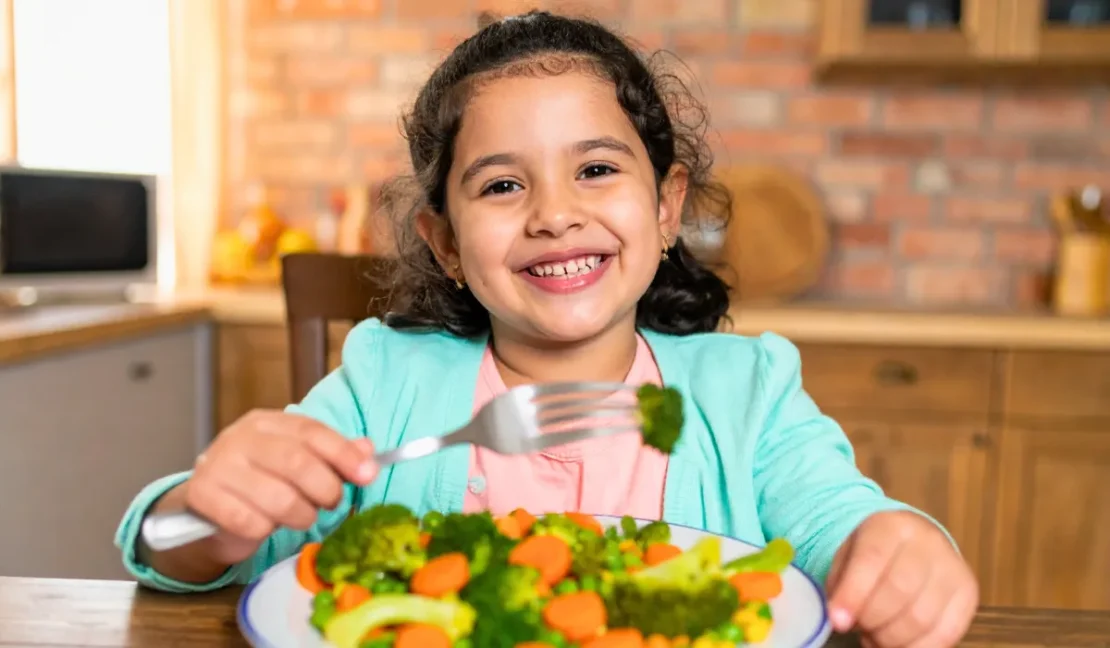
Image Source: Canva
Frequently Asked Questions About Transitioning from Junk Food
Q: My child completely refuses vegetables when they prefer junk food. What should I do?
Start by serving vegetables in familiar preparations your child already enjoys. Mix them into rice or chop them small in sauces they like. When your child prefers junk food, hiding vegetables in familiar foods is valid initially. Gradually make vegetables more visible as your child becomes comfortable.
Q: How long does transition take before my child stops preferring junk food?
This varies by child, but typically four to eight weeks of consistent exposure helps. When your child prefers junk food, taste preferences change gradually over time. Some kids shift faster, while others need more time to adjust. Both approaches are completely normal and expected.
Q: Is it okay serving processed foods sometimes if my child prefers junk food?
Absolutely yes, total restriction usually backfires on you. It creates unhealthy food relationships and forbidden food obsession. When your child prefers junk food, having occasional treats is far healthier psychologically. The key is that processed foods remain occasional, not regular staples.
Q: What if my child prefers junk food and I’m too busy for healthy cooking?
Batch cooking on weekends helps tremendously with busy schedules. Use simple recipes with just a few ingredients to save time. Have pre-cut vegetables available for quick meal preparation. When your child prefers junk food, you don’t need elaborate meals here. Consistent nutritious options matter far more than complexity.
Q: How do I handle my child preferring junk food when extended family keeps offering treats?
Have gentle conversations about your family’s food goals proactively. Offer to bring nutritious dishes to share at gatherings. When your child prefers junk food, you’re not forbidding anything permanently. You’re creating the general pattern at home, which matters most. What happens outside your home is far less important.
Q: My child prefers junk food and I’m worried about judgment from other parents.
Most parents deal with similar challenges to what you’re facing. You’ll find community and support when you open up honestly. When your child prefers junk food, focus on your family’s health journey. Avoid comparing your progress to other families and their choices. You’re doing great work helping your child develop healthy habits.
Building Lasting Healthy Eating Habits for Your Child
When your child prefers junk food currently, it might feel like a long journey ahead. Remember that taste preferences are learned and absolutely changeable. Every time you offer a nutritious option, you plant important seeds. Every family meal eaten together strengthens healthy patterns. Every moment you model healthy eating influences your child’s future choices. Your child’s relationship with food is being shaped right now. The investment you’re making today creates dividends for their entire life.
The beautiful thing about transitioning a child who prefers junk food is timing. It’s never too late to start making changes in your family. Progress happens gradually in ways you might not notice immediately. Suddenly your child will ask for vegetables without any prompting. They’ll try new foods without resistance or complaints. Indonesian cuisine offers incredible flavors and nutrition for your family. Once your child discovers these dishes, they often become genuine favorites. You’re not depriving your child of anything worthwhile here. You’re opening doors to a world of delicious, nourishing options. Your child will feel amazing when eating nutritious meals regularly.
At Apple Tree Pre-School BSD, we believe teaching healthy eating habits helps children grow smart and happy. Our curriculum includes food education, cooking activities, and positive eating experiences. We create environments where children develop healthy relationships with food naturally. We partner with parents like you who want good health for their children. When your child prefers junk food and you’re working toward change, having educator support matters tremendously. We understand your goals and reinforce them consistently at school.
Your Child’s Nutritious Future Starts Today
The journey from junk food preference to nutritious eating happens gradually but surely. Your child will thrive when they discover how good healthy food makes them feel. You’re giving them a gift that lasts their entire lifetime of health and happiness. Start this week with just one strategy, whether that’s involving your child in planning or introducing one new Indonesian dish. Small steps create big changes over time. Your consistency and patience create lasting transformation in your family’s eating habits.
Ready to help your child develop a genuine preference for delicious Indonesian foods? Send us a WhatsApp message or call us at +62 888-1800-900 to chat about nutrition and healthy habits.Come visit our classrooms at the Educenter BSD Building and see how we create positive food experiences for young learners. Our Toddler through Kindergarten programs incorporate food education and cultural cuisine exploration. Register now and give your child the foundation for a lifetime of joyful, healthy eating. Let’s grow smart, happy, and well-nourished children together! 🥘👧💚