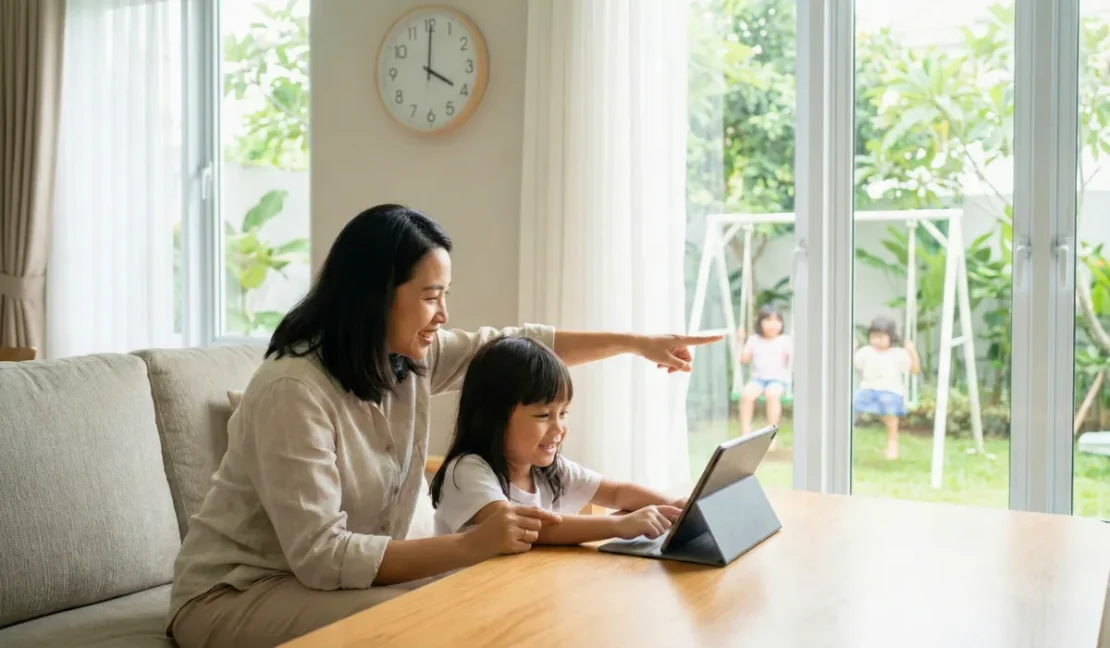
Last month, I noticed something that made my heart sink a little. A four-year-old in our class kept rubbing her eyes and squinting at the board during learning time. When I asked her about it, she casually mentioned that she watches YouTube for two hours every evening at home. My stomach dropped because I knew exactly what was happening. Eye health for kids has become one of the biggest concerns we hear about from parents at Apple Tree Pre-School BSD. That little girl’s tired eyes told a story that millions of kids today are experiencing.
The screens are everywhere now, aren’t they? Tablets during breakfast, phones in the car, television at dinner, and more screens before bed. I get it, life is busy and screens help us keep our children occupied while we handle a thousand other things. But here’s what we’re learning as educators and parents ourselves, the cost to our children’s eye health for kids is becoming impossible to ignore. Your child’s developing eyes are different from yours, and they’re far more vulnerable to screen strain and damage. We need to talk about this openly and honestly because protecting your child’s vision now prevents serious problems down the road.
At Apple Tree Pre-School BSD, we’re committed to supporting healthy eye health for kids from the earliest ages. We’ve researched the best practices, consulted with pediatric optometrists, and seen firsthand how screen habits affect learning and development. The good news is that protecting your child’s eyes doesn’t mean going completely screen-free, which let’s face it, isn’t realistic in today’s world. Instead, it means being intentional, strategic, and consistent about how screens fit into your family’s daily routine. Let’s explore practical strategies that actually work for busy families like yours.
Understanding Screen Exposure and Eye Health for Kids
Eye health for kids starts with understanding what screens actually do to developing eyes. When children stare at screens, they blink significantly less than normal. This reduced blinking means their eyes don’t get the moisture they need to stay comfortable. The blue light that screens emit also strains the eyes differently than natural light does. Your child’s eyes are still developing until around age eight or nine, which makes them extra sensitive to these effects. Knowing this helps you understand why your child’s eye health for kids needs protection right now.
Digital eye strain, also called computer vision syndrome, is becoming more common in children every year. Kids complain about headaches, blurry vision, and tired eyes after extended screen time. These aren’t just inconveniences, they’re warning signs that eye health for kids is being compromised. The muscles that focus your child’s eyes can actually become fatigued from prolonged screen use. When this happens repeatedly, it can contribute to myopia, or nearsightedness, developing in children. Research suggests that excessive screen time is linked to rising rates of myopia in kids worldwide.
Beyond the physical strain, excessive screens affect how your child’s eyes develop naturally. Eyes need to focus on objects at varying distances throughout the day to develop properly. When children spend most of their day looking at screens, they’re not getting this important visual variety. The outdoor play and long-distance viewing that used to be automatic for kids is now optional. Eye health for kids requires that we intentionally bring back distance viewing and outdoor exposure to sunlight. This isn’t about being dramatic, it’s about protecting your child’s long-term vision and eye function.
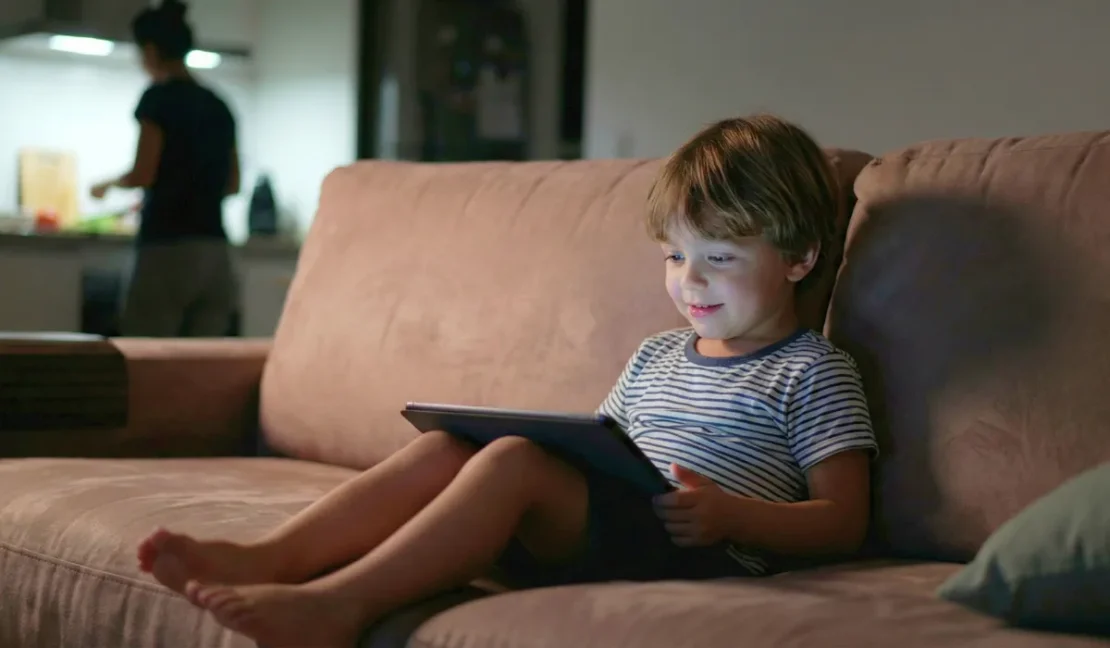
Image Source: Ai
The Real Impact of Screens on Your Child’s Eye Health
When children spend hours on screens daily, the consequences go beyond just tired eyes. Eye health for kids deteriorates because screens force eyes to work harder than they’re designed to. The constant focus on one distance, combined with the brightness and glare, creates perfect conditions for strain. Your child might develop headaches, eye fatigue, or difficulty focusing on other tasks. Some kids even experience temporary blurry vision after extended screen sessions. These symptoms are your child’s eyes sending distress signals that need attention.
The connection between excessive screen time and myopia in children is becoming increasingly clear to eye doctors. Studies from Asia, where screen time is particularly high, show alarming increases in childhood myopia rates. Eye health for kids in these regions has shifted significantly in just the last decade. Children are getting glasses younger and at higher prescriptions than ever before. While some of this is genetic, the environment and habits we create matter tremendously. Protecting eye health for kids means acting now to prevent these trends in our own families.
Blue light exposure is another concern when it comes to eye health for kids. Screens emit significant amounts of blue light, which has a shorter wavelength and higher energy than other visible light. This blue light can penetrate deep into the eye and potentially affect the retina. Eye health for kids is impacted because blue light also disrupts sleep hormones, making it harder for children to fall asleep. This creates a double problem, eye strain during the day and sleep disruption at night. Your child’s overall well-being depends on protecting them from excessive blue light exposure.
Creating Healthy Screen Habits for Better Eye Health in Kids
The foundation of protecting eye health for kids starts with setting clear screen time limits. The American Academy of Pediatrics recommends different limits based on age. For children under eighteen months, screen time should be avoided except for high-quality video chatting. Children two to five years old should have no more than one hour daily of quality programming. Eye health for kids improves dramatically when you stick to these guidelines consistently. Making these limits a family rule removes the daily negotiation and power struggles.
When your child does use screens, the physical setup matters enormously for eye health for kids. Position screens about twenty to twenty-six inches away from your child’s eyes, roughly an arm’s length away. The top of the screen should be at or slightly below eye level so your child looks slightly downward. This positioning reduces strain on the neck, shoulders, and eyes simultaneously. Adjust lighting to reduce glare on the screen, which contributes to eye fatigue. A simple adjustment in how screens are positioned can significantly improve eye health for kids.
The twenty-twenty-twenty rule is your secret weapon for protecting eye health for kids during screen time. Every twenty minutes of screen use, your child should look at something twenty feet away for twenty seconds. This gives the focusing muscles in their eyes a chance to relax. You can make this a game or a habit, whatever works for your family. Taking these regular breaks throughout the day makes an enormous difference in eye health for kids. It’s such a simple strategy, yet most families never hear about it.
Here are key strategies to protect eye health for kids from screen exposure:
- Set clear daily screen time limits based on your child’s age and development
- Position screens at arm’s length away and slightly below eye level for comfort
- Use the twenty-twenty-twenty rule for every twenty minutes of screen time
- Reduce glare and adjust lighting to prevent eye strain during use
- Encourage outdoor play for natural light and distance vision development
- Ensure screens are high quality to reduce eye strain and blue light
- Create screen-free zones like bedrooms and dining tables in your home
- Model healthy screen habits yourself as parents and caregivers
Outdoor Time and Natural Light for Protecting Eye Health in Kids
Sunlight is actually one of the most powerful protections for eye health for kids. Natural light exposure helps regulate dopamine in the eyes, which plays a role in preventing myopia. Children who spend more time outdoors have significantly lower rates of nearsightedness. This isn’t just correlation, research shows a direct protective effect of outdoor time on developing eyes. Eye health for kids improves when they get at least two hours of outdoor time daily. This might sound like a lot, but it includes all outdoor play combined throughout the day.
The distance viewing that happens naturally during outdoor play is crucial for eye health for kids. Looking at trees, sky, and distant objects gives your child’s eyes exactly what they need for proper development. Indoor environments, even large ones, don’t provide the same visual variety and distance. Your child’s eyes evolved to focus on objects at many different distances, and outdoor play provides this naturally. Eye health for kids depends on bringing back this important visual stimulation that screens can’t provide. Making outdoor play a daily habit is one of the best investments you can make in your child’s vision.
Sunlight exposure also affects vitamin D production and overall eye health for kids. Children with adequate vitamin D levels show better eye development and fewer vision problems. The irony is that we’re keeping kids inside using screens, which actually damages the very vision we’re trying to protect through educational content. Eye health for kids improves dramatically when we flip this balance. More time outside playing, exploring, and moving their bodies is exactly what children’s eyes and bodies need.
Nutrition and Sleep’s Role in Protecting Eye Health for Kids
What your child eats directly impacts eye health for kids in ways many parents don’t realize. Nutrients like lutein, zeaxanthin, and omega-three fatty acids protect the retina and support eye development. Vitamin A is absolutely essential for eye function and is found in orange vegetables, dark leafy greens, and eggs. Eye health for kids starts at the dinner table with nutritious food choices. Including these eye-friendly foods regularly helps protect your child’s vision from the inside out.
Sleep is equally important for maintaining eye health for kids. During sleep, your child’s eyes undergo repair and restoration processes. Insufficient sleep reduces these protective functions and increases eye strain the next day. The blue light from screens before bed disrupts the sleep your child needs for eye health for kids. Removing screens from bedrooms and creating screen-free wind-down routines helps children sleep better. Better sleep means better eye health for kids, it’s really that simple.
At Apple Tree Pre-School BSD, we incorporate outdoor play, nutritious meals, and healthy sleep routines into our daily program. These aren’t extras or nice-to-haves, they’re essential components of protecting eye health for kids. We know that when children have outdoor time, healthy nutrition, and good sleep, their eyes develop optimally. Your home can support these same practices to ensure eye health for kids is prioritized every single day.
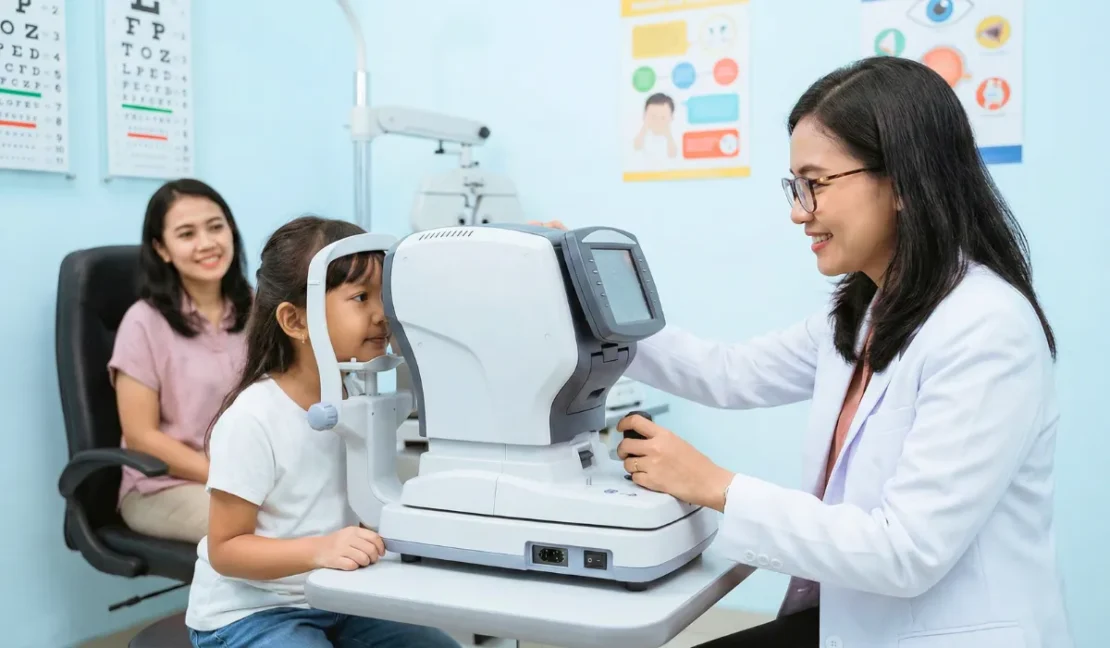
Image Source: Ai
Digital Devices and Blue Light Protection for Eye Health in Kids
If your child must use screens, consider blue light filtering options to protect eye health for kids. Blue light glasses designed for children can reduce the amount of blue light reaching the eyes. Screen protectors and blue light filters on devices can also help minimize exposure. Eye health for kids is protected when you use all available tools to reduce blue light impact. These aren’t complete solutions, but they’re helpful additions to other protective strategies.
The timing of screen use matters greatly for eye health for kids, especially regarding sleep. Using screens after dinner or close to bedtime significantly disrupts sleep quality. Creating a screen curfew at least one to two hours before bed protects both eye health for kids and sleep quality. Making this a family rule removes the temptation and makes enforcement easier. Eye health for kids improves dramatically when bedtime routines are screen-free and calming.
Consider the content your child watches when protecting eye health for kids. High-quality educational content is better than rapidly moving entertainment that strains the eyes. Some shows and games are specifically designed with busy, flashing visuals that stress developing eyes. Eye health for kids is better served by calm, age-appropriate content with minimal flashing or rapid scene changes. Reading books and playing with physical toys provides the same learning benefits without any eye strain at all.
Signs Your Child Might Be Experiencing Eye Strain
Watch for warning signs that indicate problems with eye health for kids from screen use. Frequent eye rubbing, blinking more than normal, or complaints of tired eyes signal eye strain. Your child might squint at the board in class or hold screens very close to their face. Headaches after screen time, particularly above the eyes, suggest eye fatigue. Difficulty focusing on tasks or transitioning from screens to other activities can indicate strain. Eye health for kids is being compromised if you notice any of these signs regularly.
If your child shows these symptoms, it’s time to reduce screen time and increase outdoor play. Consider scheduling an eye exam with a pediatric optometrist to rule out refractive errors. Eye health for kids might require glasses or other interventions that a professional can recommend. Don’t wait to see if symptoms improve on their own, early intervention prevents long-term vision problems. Your child deserves professional evaluation if you’re concerned about their eye health for kids.
Frequently Asked Questions About Eye Health for Kids
Q: Is some screen time okay, or should I eliminate screens completely for eye health for kids?
Complete elimination isn’t realistic for modern families, and eye health for kids doesn’t require it. Quality matters more than zero, so one hour of educational content is better than three hours of random videos. The key is staying within age-appropriate limits and taking regular breaks. Balance screens with outdoor play, physical activity, and other developmental activities.
Q: How can I enforce screen time limits when my child fights me about eye health for kids?
Set clear expectations and consistent consequences before conflicts arise. Frame it as protecting their health, not punishment. Make outdoor play and other activities so appealing that screens become less of a battle. Involve your child in understanding why eye health for kids matters using age-appropriate explanations. Children cooperate better when they understand the reason behind rules.
Q: Will my child’s eye health for kids improve if I reduce screens now, or is damage already done?
Children’s eyes are incredibly resilient and recover quickly from strain when screen time is reduced. Eye health for kids can improve significantly within weeks of lifestyle changes. Starting now prevents further damage and gives your child the best chance at healthy vision development. It’s never too late to make positive changes for eye health for kids.
Q: Does eye health for kids require expensive blue light glasses?
Blue light glasses help but aren’t essential for protecting eye health for kids. Reducing screen time and increasing outdoor play are far more effective and cost-free. If your child must use screens heavily, glasses are a helpful addition, not a replacement for other strategies. Focus first on the free changes, then consider glasses if needed for eye health for kids.
Q: How often should my child have eye exams to monitor eye health for kids?
The American Optometric Association recommends eye exams at least annually for children. More frequent exams may be needed if your child shows symptoms or has risk factors. Starting with a baseline exam before age five helps establish baseline eye health for kids. Regular monitoring catches problems early and prevents vision-threatening conditions.
Q: Can outdoor time really make that much difference in eye health for kids?
Yes, research consistently shows that outdoor time is one of the most powerful protections for eye health for kids. Studies show that children with more outdoor exposure have significantly lower myopia rates. Eye health for kids is profoundly affected by sunlight exposure and distance viewing. Make outdoor time a non-negotiable daily priority for protecting your child’s vision.
Protecting Your Child’s Vision for Life
Eye health for kids is one of the most important investments you can make in their future. Clear vision affects learning, safety, sports participation, and overall quality of life. Taking action now to reduce screen exposure and increase outdoor time pays dividends for years to come. Your child’s eyes are developing right now, and the habits you create today shape their vision health forever. There’s no time like the present to prioritize eye health for kids in your family.
The strategies we’ve discussed work because they address the root causes of vision problems. Reducing screens alone helps, but combining it with outdoor play, good nutrition, and healthy sleep creates powerful protection. Eye health for kids improves when all these factors work together synergistically. You don’t need to be perfect, just intentional and consistent. Small changes made today result in healthier eyes and better vision for your child’s entire lifetime.
At Apple Tree Pre-School BSD, we’re committed to supporting eye health for kids through our daily programs and parent education. Our classrooms in the Educenter BSD Building prioritize outdoor play, screen-conscious learning, and healthy routines. We understand that protecting eye health for kids requires partnership between school and home. Our educators work alongside parents to create the best environment for healthy development in every area, including vision.
Ready to protect your child’s eye health for kids starting today? Choose one strategy from this article to implement this week, whether that’s adding outdoor play time or moving screens out of bedrooms. Small changes create big results over time for eye health for kids. Send us a WhatsApp message or call us at +62 888-1800-900 to discuss your child’s development and how we support healthy habits.Come visit our classrooms at the Educenter BSD Building and experience firsthand how we balance screen-smart learning with outdoor play for eye health for kids. Our programs from Toddler through Kindergarten incorporate these protective practices daily. Register now and give your child an education that protects and nurtures their vision development. Let’s grow children who are smart, happy, and have healthy eyes for life! 👀👧💚