
Last month, something happened during our morning circle time that made me realize just how much the TikTok impact child development conversation needed to happen in our parent community. Three-year-old Sophie was trying to explain a story to her classmates, but instead of using her words, she kept making exaggerated facial expressions and hand gestures I recognized from popular TikTok trends. When I gently asked her to use her “big girl words,” she looked confused and said, “But Miss, this is how people talk!” That moment was my wake-up call about how deeply short-form video content was shaping even our youngest learners’ communication patterns.
Here at Apple Tree Pre-School BSD, we’re having more conversations with parents about screen time, social media exposure, and the subtle ways that platforms like TikTok are influencing child behavior and development. The reality is that TikTok isn’t just entertainment anymore, it’s become a cultural force that’s reshaping how children think, communicate, and interact with their world.
The TikTok impact child development extends far beyond what many parents realize. While the platform wasn’t designed for young children, its influence trickles down through older siblings, parents, and the general cultural atmosphere that surrounds our kids every day. Understanding these effects helps us make informed decisions about our family’s digital habits and protect our children’s healthy development.
Understanding TikTok’s Influence on Young Minds
The format of TikTok, rapid-fire short videos with instant gratification, creates specific patterns in how children expect information to be delivered. At our location in the Educenter BSD Building, we’ve noticed that children exposed to this type of content often struggle with longer attention spans required for traditional learning activities.
The algorithm-driven nature of TikTok means content becomes increasingly engaging and addictive over time. Even when children aren’t directly using the app, they’re absorbing its influence through family members, older children, or cultural references that permeate their environment.
The TikTok impact child development shows up in unexpected ways: children expecting immediate rewards, difficulty with sustained focus, and preference for visual over verbal communication. These patterns can significantly affect school readiness and social skill development.
Attention Span and Learning Patterns
Traditional childhood development relies on gradually building attention spans through storytelling, puzzles, and focused play activities. The TikTok format conditions brains to expect new stimulation every few seconds, making it challenging for children to engage in longer learning experiences.
We’ve observed children who have been exposed to short-form video content struggling with picture books, becoming restless during story time, and seeking constant entertainment changes. Their brains become wired for rapid content switching rather than deep engagement.
This shift affects not just academic learning but also social development, as meaningful conversations and relationships require sustained attention and patience that rapid-content consumption patterns can undermine.
Communication and Social Skills Impact
Children learning communication skills through TikTok-influenced environments often develop different patterns than those engaging primarily through real-world interactions. They might rely more heavily on gestures, facial expressions, or performative behaviors rather than verbal articulation.
The performative nature of TikTok content can lead children to view social interactions as performances rather than genuine connections. We see this when children seem to be “putting on a show” rather than authentically engaging with peers.
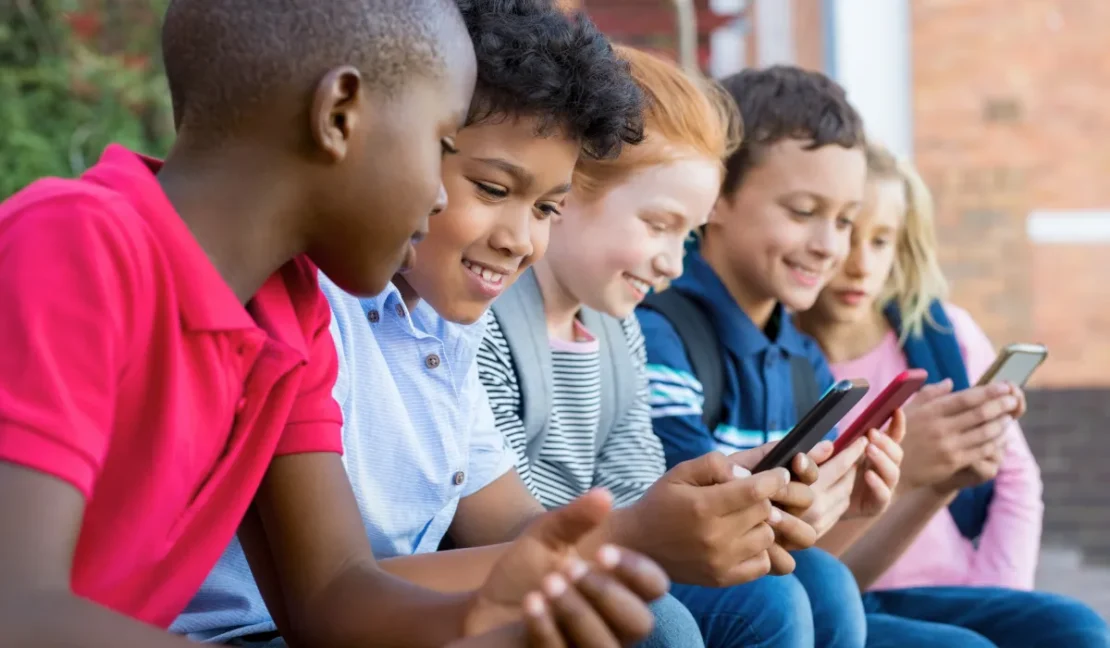
Image Source: Canva
Developmental Concerns for Early Childhood
The TikTok impact child development becomes particularly concerning when it affects foundational skills that children need for school success and healthy social relationships. Early childhood represents a critical window for developing attention regulation, language skills, and emotional intelligence.
Key Developmental Areas Affected:
- Language Development: Reduced verbal communication practice and vocabulary building
- Attention Regulation: Difficulty maintaining focus on single activities for appropriate durations
- Social Skills: Preference for performative interactions over authentic relationship building
- Emotional Regulation: Expectation of constant stimulation and entertainment
- Physical Development: Decreased engagement in active, hands-on learning experiences
Children’s brains are incredibly plastic during early years, meaning both positive and negative influences have lasting impacts on neural pathway development. The rapid stimulation patterns associated with short-form video content can create lasting preferences that interfere with traditional learning approaches.
Language and Communication Development
Natural language development happens through back-and-forth conversations, storytelling, and meaningful interactions with caring adults. The TikTok format often emphasizes visual entertainment over verbal communication, potentially slowing language acquisition.
Children need practice with extended conversations, question-and-answer exchanges, and narrative storytelling to develop strong communication skills. When entertainment comes primarily through rapid visual stimulation, these crucial language practice opportunities diminish.
We’ve noticed that children heavily influenced by short-form content often struggle with explaining their thoughts, following multi-step instructions, and engaging in the type of detailed conversations that support vocabulary growth and critical thinking development.
Setting Healthy Digital Boundaries
Managing the TikTok impact child development requires intentional family strategies that protect childhood while acknowledging the reality of our digital world. Complete isolation from technology isn’t realistic, but thoughtful boundaries can preserve healthy development patterns.
The key lies in balance and intentionality rather than complete restriction. Children need to develop healthy relationships with technology while maintaining strong foundations in real-world skills and relationships.
Creating Tech-Free Learning Environments
Establish regular periods where all family members engage in activities that require sustained attention and face-to-face interaction. Reading together, playing board games, and engaging in creative projects help maintain healthy attention span development.
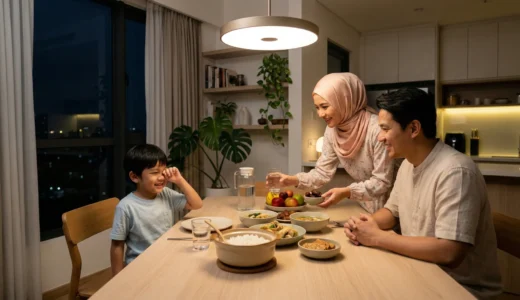
Make mealtimes and bedtime routines completely screen-free to preserve opportunities for conversation and connection. These moments become increasingly important as counterbalances to rapid-stimulation digital content.
Encourage activities that naturally build attention spans, such as puzzles, building projects, art activities, and outdoor exploration. These experiences help maintain neural pathways that support focused learning and deep engagement.
Age-Appropriate Alternatives to TikTok Content
Instead of short-form video entertainment, offer children content specifically designed to support healthy development. Educational programs with slower pacing and interactive elements provide entertainment while supporting learning goals.
Focus on content that encourages active participation rather than passive consumption. Singing videos, movement activities, and programs that ask children to respond or participate help maintain engagement without creating dependency on rapid stimulation.

Image Source: Canva
Supporting Healthy Development in Digital Ages
The TikTok impact child development doesn’t have to be entirely negative if families take proactive approaches to balance digital influence with real-world experiences. Children can learn to appreciate both types of engagement when boundaries are clear and alternatives are appealing.
Our role as parents and educators involves helping children develop healthy relationships with all forms of media while ensuring that foundational developmental needs remain the priority during these crucial early years.
Building Real-World Engagement Skills
Prioritize activities that naturally compete with digital entertainment by being genuinely engaging and fun. Children need to experience the satisfaction that comes from completing challenging projects, solving problems, and building relationships.
Create family traditions and routines that children look forward to and value. These might include cooking together, gardening, sports activities, or creative projects that provide the same sense of accomplishment and joy that digital content offers.
Understanding the TikTok impact child development helps parents make informed decisions about their family’s digital habits while protecting children’s healthy development. At Apple Tree Pre-School BSD, we believe that awareness and intentional action can help children thrive in our digital world while maintaining the deep learning and authentic relationships that support lifelong success.
The goal isn’t to eliminate technology but to ensure that children develop strong foundational skills in attention, communication, and social connection that will serve them throughout their lives. Our comprehensive programs focus on building these essential skills through hands-on learning, meaningful interactions, and developmentally appropriate challenges.
Ready to give your child a strong foundation for thriving in both digital and real-world environments? We’d love to discuss how our approach supports healthy development in today’s complex media landscape. Send us a WhatsApp message or give us a call at +62 888-1800-900.
Come play and learn with other children, because real connections and deep learning never go out of style! 📚🎯✨