
Every parent knows that moment when your little one asks “Is it Maghrib yet?” for the fifteenth time in an hour. We get it, and honestly, we find it both adorable and slightly exhausting. Teaching patience to kids during Ramadan is one of the most valuable gifts you can give them, even if it sometimes tests your own patience in the process.
Here at Apple Tree Pre-School BSD, located in the Educenter BSD Building, we have seen firsthand how Ramadan creates beautiful opportunities for character building. The holy month naturally invites conversations about waiting, self control, and gratitude. Whether your child is attempting their first mini fast or simply learning to wait for iftar with the family, these experiences plant seeds that grow into lifelong virtues.
Why Teaching Patience Matters During Ramadan
Ramadan offers something truly special that regular days simply cannot replicate. The entire household operates on a rhythm of anticipation and reward, making it the perfect classroom for teaching patience to young children. When everyone around them is practicing self control, kids pick up on these cues naturally.
Young children are wired for immediate gratification. Their brains are still developing the prefrontal cortex, which handles impulse control and delayed rewards. This is completely normal, and it is exactly why we need to approach teaching patience with realistic expectations and lots of compassion.
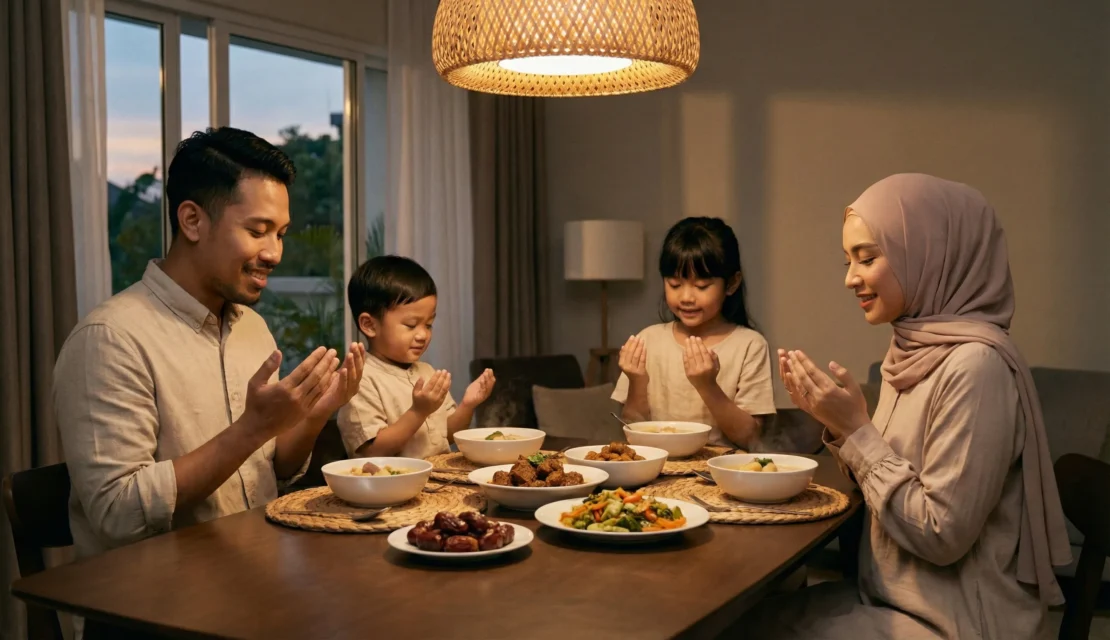
The beautiful thing about Ramadan is that patience becomes visible. Children see adults waiting, praying, and eventually breaking fast together. This modeling is incredibly powerful because kids learn more from what they observe than what they are told.
How To Teach Patience To Kids During Ramadan
Getting practical with patience training does not have to feel like a chore. In fact, we have found that the most effective methods feel more like play than lessons. Here are our favorite approaches that actually work with young children.
1. Start With Small Waiting Exercises
Before expecting your child to wait hours for anything, begin with minutes. We call these “patience practices” and they work wonders for building tolerance gradually.
Step by step approach:
- Start with 2 to 3 minute waiting periods before snack time
- Use a visual timer so children can see time passing
- Celebrate successful waiting with specific praise like “You waited so patiently!”
- Gradually extend waiting periods as your child builds confidence
- Connect these small wins to the bigger picture of Ramadan patience
The key here is consistency. When children experience repeated success with small waits, they develop confidence in their ability to handle longer ones.
2. Create Ramadan Countdown Activities
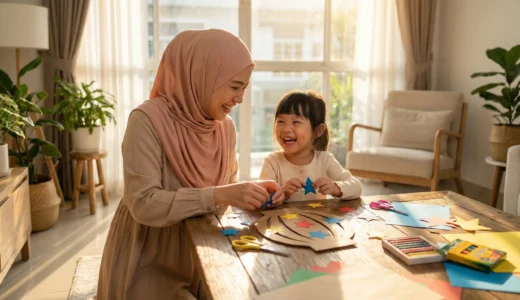
Anticipation can feel overwhelming for little ones, but channeling that energy into creative activities transforms waiting from frustrating to fun. We love using hands on projects that make time tangible.
Activity ideas that build patience:
- Paper chain countdowns where kids remove one link each day
- Ramadan journals for drawing daily reflections
- Good deed charts that track acts of kindness
- Iftar preparation tasks that give children ownership
- Story time featuring books about patience and Ramadan
At Apple Tree Pre-School BSD, we incorporate similar countdown activities throughout our curriculum. Children thrive when abstract concepts like time become something they can touch and manipulate.
3. Use The Power Of Storytelling
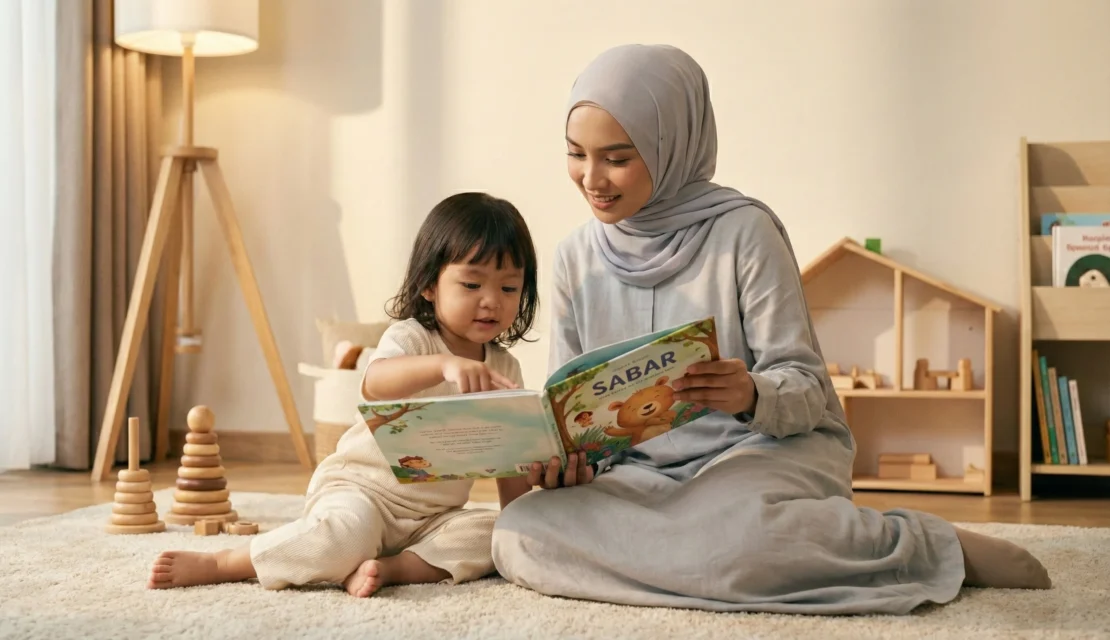
Stories have taught patience to children for thousands of years, and Ramadan provides rich material for meaningful narratives. Whether you share stories from Islamic tradition or simple tales about waiting, storytelling engages children emotionally in ways that lectures never can.
Find books featuring characters who struggle with patience and ultimately succeed. Discuss how the characters felt during difficult waiting moments. Ask your child what they would do in similar situations. These conversations build empathy and self awareness alongside patience skills.
4. Practice Patience Through Play
Games naturally incorporate turn taking and waiting, making them perfect patience teachers in disguise. Board games, building blocks with siblings, and even cooking together all require children to wait their turn and delay gratification.
Games that teach patience naturally:
- Simple board games requiring turn taking
- Puzzle activities that need time to complete
- Gardening projects where children wait for seeds to sprout
- Baking together and waiting for treats to cool
- Hide and seek with extended counting times
The magic happens when children are so engaged in fun that they forget they are learning an important life skill.
5. Model Patience Out Loud
Children need to hear your internal process when you practice patience. Narrate your own waiting moments throughout the day. Say things like “I really want to check my phone, but I am going to wait until after we finish reading together” or “The food is almost ready, I am practicing patience too!”
This verbalization shows children that patience is a skill adults work on as well. It normalizes the struggle and demonstrates healthy coping strategies.
Tips For Teaching Patience During Ramadan
Here are quick, actionable tips you can implement starting today:
- Keep expectations age appropriate. A toddler waiting five minutes deserves the same celebration as an older child waiting an hour.
- Prepare for difficult moments. Have distractions ready for challenging times, especially the hour before iftar.
- Praise the effort, not just results. Acknowledge when your child tries to be patient, even if they struggle.
- Stay calm yourself. Your reaction to their impatience teaches more than any words could.
- Connect patience to purpose. Help children understand why waiting matters in the context of Ramadan and beyond.
The Role Of Community In Building Patient Children
Patience grows stronger when practiced in community. When children see cousins, friends, and classmates also learning to wait, the experience becomes normalized and even enjoyable. Ramadan gatherings provide natural opportunities for children to practice patience together.
At Apple Tree Pre-School BSD, our programs emphasize social emotional learning alongside academics. We believe skills like patience are best developed through positive peer interactions and supportive adult guidance. Our Singapore based curriculum integrates character development into daily activities, helping children build these essential life skills.
Frequently Asked Questions About Teaching Patience To Kids
At what age can children start learning patience? Children as young as 18 months can begin simple waiting exercises. However, keep expectations realistic. Toddlers can manage seconds to minutes, while preschoolers can gradually extend to longer periods.
What if my child has a meltdown while waiting? Stay calm and validate their feelings first. Say something like “Waiting is really hard, I understand.” Then redirect to a coping strategy like deep breaths or a distraction activity.
Should young children fast during Ramadan? We recommend consulting with your pediatrician and religious advisor. Most young children do symbolic mini fasts rather than full day fasting. The focus should be on learning the spirit of patience rather than physical fasting.
How do I handle sibling conflicts about patience during Ramadan? Use these moments as teaching opportunities. Help children verbalize their frustrations and brainstorm solutions together. Shared challenges often strengthen sibling bonds.
Nurturing Patient Hearts This Ramadan
Teaching patience to kids during Ramadan is a journey, not a destination. Every small moment of waiting, every gentle reminder, and every celebrated success builds your child’s capacity for self control and delayed gratification. These skills will serve them throughout their entire lives.
At Apple Tree Pre-School BSD, we partner with parents to nurture happy, capable children who possess both academic skills and strong character. Our warm, supportive environment helps children develop patience, empathy, and resilience through play based learning.Want to learn more about how we support your child’s growth? We would love to welcome your family to our community. Reach out via WhatsApp at +62 888-1800-900 or give us a call. Come play and learn with other children at Apple Tree Pre-School BSD, where patience and joy grow together!