
I remember the night I finally convinced my nephew to sleep alone in his room. He’d been sleeping with his parents for three years straight. My sister thought she’d never get her bedroom back to herself. That first night, he called out maybe twenty times before finally drifting off. But by week two, something magical happened. He actually asked to sleep in his own room. Now he’s the one telling his younger cousin how brave it is.
If your child won’t sleep alone, you’re dealing with one of the most common parenting challenges out there. It feels overwhelming at two in the morning when your little one comes padding into your room for the fifth time. You’re exhausted, they’re confused, and everyone’s frustrated. Here’s the thing though, it’s completely normal for kids to struggle with independent sleep at first. Our role at Apple Tree Pre-School BSD is helping families navigate these exact situations with patience and proven strategies.
The good news? Teaching kids to sleep independently in their own room is absolutely doable with the right approach. We’ve worked with dozens of families in the Educenter BSD Building community who faced this challenge. Most of them saw real progress within two to three weeks using consistent, gentle methods. Your child won’t sleep alone right now, but with our guidance, that’s going to change. Let’s explore why this happens and what actually works to help your child feel confident and secure sleeping independently.
Why Your Child Won’t Sleep Alone in Their Own Room
When your child won’t sleep alone, it’s important to understand the root causes first. Kids develop sleep anxiety for very real developmental reasons. Around age two or three, children become more aware of separation from parents. This awareness isn’t something they’re doing to frustrate you, it’s actually a sign of normal development. Your child won’t sleep alone partly because they’re still figuring out that you’ll come back.
Fear of the dark plays a huge role when a child won’t sleep alone. Darkness feels scary and unknown to young children’s developing brains. They can’t yet understand that nothing changes just because the lights go off. Loud noises or shadows might feel threatening to them in the dark room. Additionally, if your child won’t sleep alone, they may have built up strong habits sleeping with you. Breaking those habits takes time, patience, and consistent effort from you. The longer a child sleeps with parents, the harder independent sleep becomes for them.
Emotional attachment and security needs drive much of this behavior too. Your child won’t sleep alone partly because being near you feels safe and comforting. Separation literally feels dangerous to their developing sense of safety. Sometimes kids who won’t sleep alone have experienced changes or stress in their lives. New siblings, moving houses, or parental separation can trigger sleep regression. Understanding what’s behind your child’s resistance helps you respond with compassion rather than frustration.
Understanding Your Child’s Sleep Independence Anxiety
Your child won’t sleep alone because their brain hasn’t yet learned that nighttime separation is safe. Babies sleep with parents for survival reasons historically and evolutionarily. Modern children still have these instincts hardwired into their brains. When your child won’t sleep alone, they’re listening to ancient survival programming. This isn’t stubbornness, it’s biology meeting modern parenting expectations. Recognizing this shift helps you approach the situation with understanding.
Sleep independence is a gradual developmental milestone, not something kids suddenly master. Every child develops at their own pace with different timelines. A child won’t sleep alone until they feel emotionally ready and secure enough. Pushing too hard before they’re ready often backfires and increases anxiety. That’s why gentle, consistent approaches work better than forcing independence suddenly. Your patience during this transition actually teaches your child that they can trust the process.
Establishing independent sleep helps your child develop confidence and resilience beyond just bedtime. When your child won’t sleep alone initially, working through this teaches coping skills. They learn that they can handle mild discomfort and overcome it. These lessons carry forward into other areas of their life. Building independence at bedtime creates a foundation for other independent skills later. Your child gains confidence knowing they can do hard things with parental support.
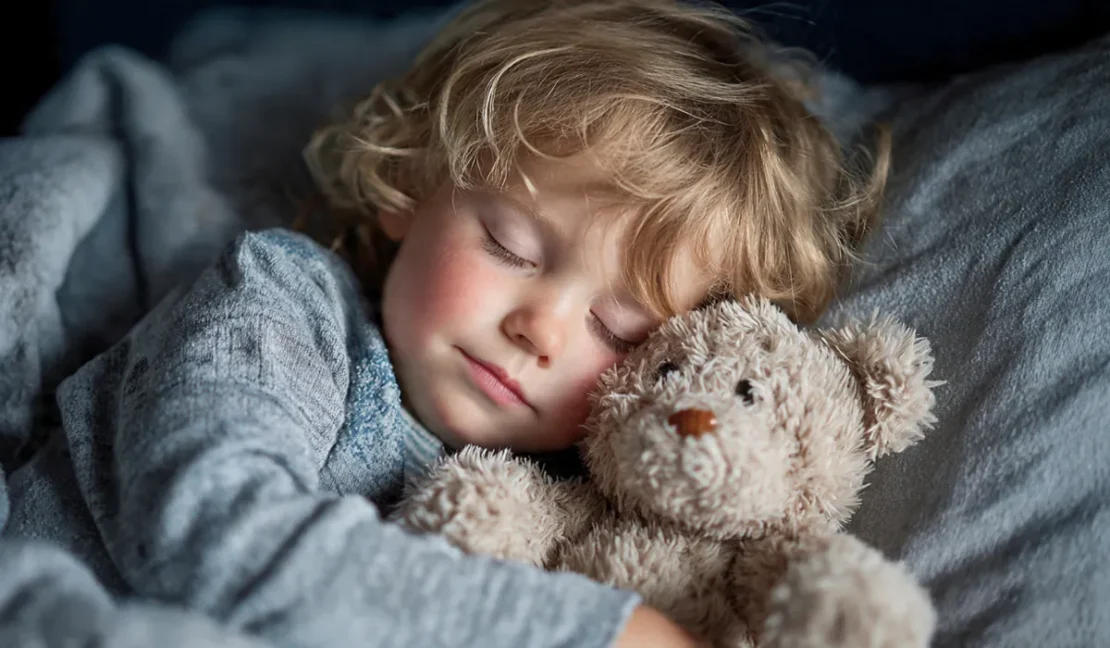
Image Source: Canva
Creating the Right Environment Before Your Child Sleeps Alone
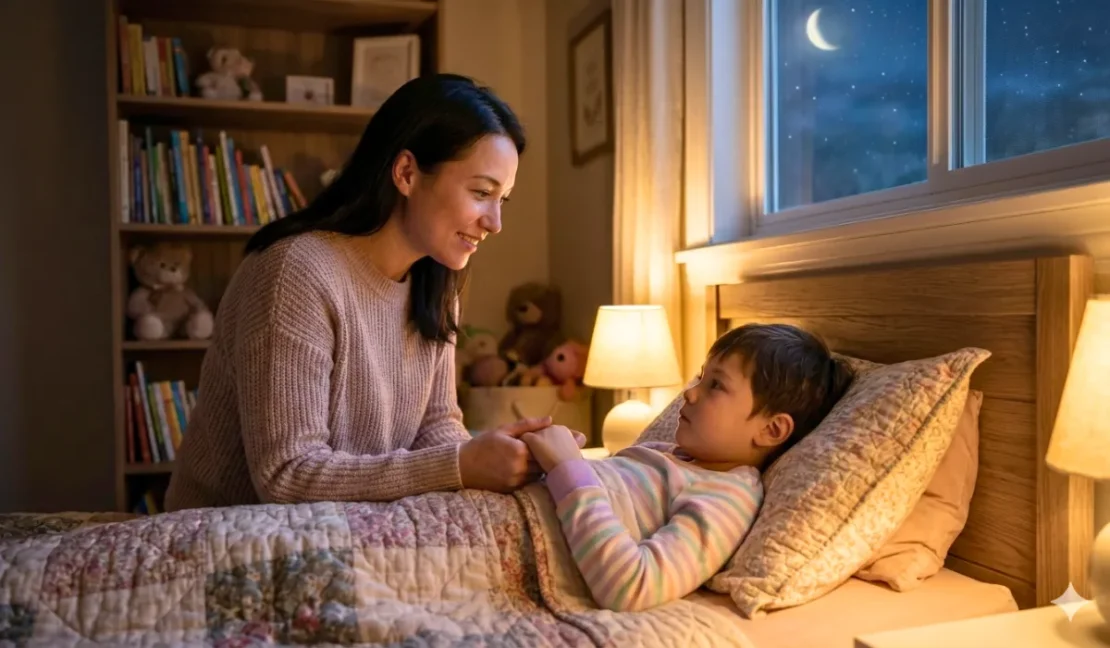
When your child won’t sleep alone yet, the bedroom environment matters tremendously. Make the room feel safe, comfortable, and inviting rather than scary or cold. Use soft lighting, familiar toys, and cozy bedding to create warmth. Let your child help decorate their room so they feel ownership of the space. A child who’s invested in their room feels more excited about spending time there. This simple step can shift their attitude from resistance to curiosity.
Temperature, noise levels, and air quality all affect whether your child will sleep alone peacefully. Keep the room cool, dark, and quiet for optimal sleep conditions. White noise machines help mask household sounds that might startle sleeping children. Blackout curtains prevent early morning light from waking them unnecessarily. Your child won’t sleep alone well if the environment feels uncomfortable or threatening. Taking time to perfect the room setup shows your child this space is meant for restful sleep.
Nightlights and soft music can help when your child won’t sleep alone initially. Choose dim, warm lighting rather than bright bulbs that feel harsh. Playing gentle lullabies or nature sounds creates a soothing atmosphere. Some kids benefit from having a comfort item like a stuffed animal or blanket. These objects provide emotional security when you’re not physically present. Your child develops positive associations with their room when it feels nurturing and safe.
Here are key environmental elements that help when your child won’t sleep alone:
- Comfortable, age-appropriate bedding that feels soft and secure
- Dim lighting options like nightlights or small lamps with warm bulbs
- White noise machines or soft background sounds for comfort
- Blackout curtains to maintain darkness throughout the night
- Familiar toys or comfort objects for emotional security
- Temperature control to keep the room cool and comfortable
- Minimal distractions like screens, bright posters, or clutter
Building a Consistent Bedtime Routine Your Child Will Accept
When your child won’t sleep alone, a predictable routine becomes your best tool. Children feel safer when they know what to expect and when to expect it. Create a wind-down routine that begins thirty to sixty minutes before sleep time. This routine signals to your child’s brain that sleep is coming next. Consistency matters far more than the specific activities you choose for your routine.
A solid bedtime routine might include bath time, putting on pajamas, reading stories, and cuddle time. Each step should be calm, quiet, and free from stimulating activities. Keep screens off at least an hour before bed, as blue light disrupts sleep hormones. Your child won’t sleep alone easily if they’re still wired from screen time. A relaxing routine helps your child’s brain naturally transition from wakefulness to sleepiness.
Bath time works wonderfully as the first step because warm water naturally relaxes muscles. Reading stories together provides connection time while calming their minds. Soft singing or gentle talking helps your child feel secure and loved. This one-on-one attention before bed actually makes nighttime separation easier. Your child feels emotionally filled up from your presence before you leave the room. This prevents the desperate, clingy behavior that happens when kids feel emotionally empty.
Stories are particularly powerful when your child won’t sleep alone initially. Choose books about brave characters, nighttime adventures, or sleeping independently. Stories like “Franklin in the Dark” or “The Rabbit’s Goodbye” help normalize these feelings. Talking about the story’s characters experiencing similar fears helps your child feel less alone. Your child won’t sleep alone as easily without this emotional preparation and validation through stories.
Gradual Transitions That Work When Your Child Won’t Sleep Alone
When your child won’t sleep alone, jumping straight to sleeping in their own room rarely works. Instead, use gradual transitions that build confidence step by step. Start by having your child nap in their own room with you nearby but not in the bed. This helps them practice independent sleep during daytime when they feel braver. Once naps go well, move bedtime there while you stay in the room initially. Your child won’t sleep alone fearlessly at first, but they’ll begin to build confidence.
The next step involves sitting in a chair in their room while they fall asleep. You’re present for security, but they’re learning to sleep without touching you. Gradually move your chair closer to the door each night over several weeks. This slow distance-building teaches your child that you’re still nearby even from across the room. Your child won’t feel abandoned because they can still hear you and know you’re there. This method works because it respects their anxiety while gently pushing toward independence.
Some families find success using a reward system when their child won’t sleep alone. Offer a sticker chart where sleeping through the night earns rewards. Make sure rewards are small and meaningful to your child specifically. A extra story, special breakfast, or park time motivates kids to keep trying. Celebrate small victories like staying in bed for five minutes longer. Your child won’t sleep alone if they don’t have motivation to try something scary.
Another approach involves having your child sleep in a sleeping bag on your room’s floor initially. This is technically independent sleeping, just in your space. Gradually move the sleeping bag toward the door and eventually to their room. Your child won’t feel completely abandoned while still learning independence. This method works well for anxious kids who need baby steps. The key is moving forward consistently, even if progress feels tiny.
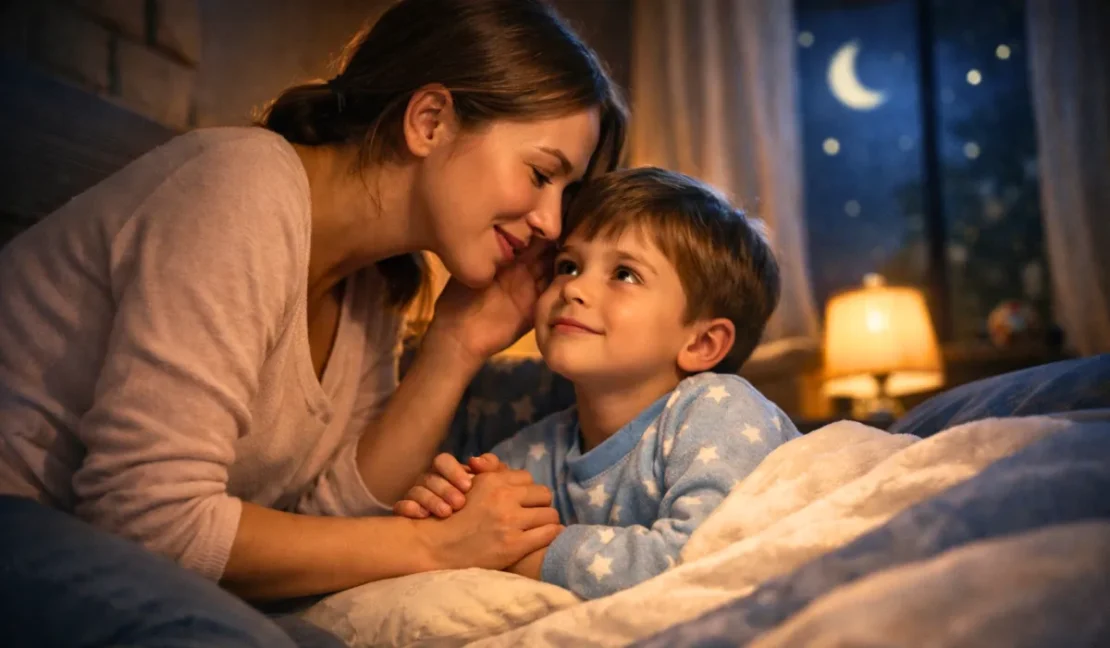
Image Source: Ai
Managing Nighttime Setbacks When Your Child Won’t Sleep Alone
Expect that your child won’t sleep alone perfectly every night at first. Setbacks happen, especially with changes like traveling or starting preschool. A sick night or scary dream might send your child back to your bed. This doesn’t mean you’ve failed or that your progress was lost. Children’s sleep regressions are normal and temporary with the right response. Stay calm and gently guide your child back to their room without anger or frustration.
When your child comes to your bed during the night, resist the urge to let them stay indefinitely. A quick hug, reassurance, and return to their room works better than accepting them into your bed. Your child won’t learn independence if you give in to every nighttime request. However, this doesn’t mean being cold or dismissive of their real fears. Validate their feelings while maintaining the boundary about where they sleep. This balance teaches both security and healthy independence boundaries.
Some nights your child won’t sleep alone no matter what you try, and that’s okay. Maybe they’re sick, scared, or having a rough emotional day. Give yourself grace on these nights and don’t beat yourself up. One or two nights in your bed won’t erase weeks of progress. What matters is gently returning to your sleep independence plan the next night. Consistency over time creates lasting change, not perfection every single night.
Consider what might trigger setbacks for your specific child. Loud noises, changes in routine, or emotional stress can disrupt progress. If your child won’t sleep alone after starting preschool, give them a week to adjust. If scary movies or stories trigger nightmares, avoid them temporarily. Understanding your child’s triggers helps you prevent unnecessary setbacks. Your patience and flexibility during difficult nights actually strengthen your child’s trust in you.
When to Seek Professional Help If Your Child Won’t Sleep Alone
Most children learn to sleep independently with patience and consistent approaches. However, some kids struggle with sleep anxiety that needs professional support. If your child won’t sleep alone after several months of consistent effort, consider consulting a pediatrician. Persistent sleep resistance sometimes indicates anxiety disorders or other underlying issues. A professional can rule out medical causes and provide specialized guidance. There’s no shame in seeking help, it often accelerates progress significantly.
Sleep consultants specialize in helping families when standard approaches aren’t working. They observe your child’s specific sleep patterns and create customized plans. If your child won’t sleep alone and you’ve tried everything, consultation might be worth the investment. Many families find that professional guidance provides fresh perspectives and renewed hope. At Apple Tree Pre-School BSD, we can discuss sleep concerns and provide resources for additional support if needed.
Frequently Asked Questions About Teaching Kids to Sleep Independently
Q: My child won’t sleep alone and shares a room with a sibling. Does this complicate things?
Shared rooms do make independent sleep harder initially. Consider having siblings sleep in separate spaces temporarily during transition. Once your child won’t sleep alone less, siblings can room together again. Some families use a divider curtain to create separation in shared rooms.
Q: How old should a child be before they sleep alone successfully?
Most children develop the capacity for independent sleep around age two to three. However, every child is different in their readiness. If your child won’t sleep alone by age four, professional guidance might help. Don’t force it before they’re developmentally ready, though.
Q: My child won’t sleep alone and we co-slept by choice. Is transitioning necessary?
Co-sleeping is a valid choice many families make intentionally. If you’re happy with it, continuing is fine. If you want your child won’t sleep alone to change, transition works best when you genuinely want the change. Half-hearted efforts confuse kids and create more resistance.
Q: What if my child won’t sleep alone because of separation anxiety?
Separation anxiety is real and requires compassionate handling. Professional support from a child psychologist might help. Pushing too hard typically worsens anxiety rather than resolving it. Work with professionals to address the underlying anxiety while gently building sleep independence.
Q: My child won’t sleep alone and keeps getting out of bed. What do I do?
Stay calm and gently return them to bed each time. Use few words and minimal interaction to avoid rewarding the behavior. Consistency matters far more than any specific technique. Eventually, they’ll tire of the repeated cycle and stay in bed.
Q: Is it too late to teach my older child to sleep alone if they won’t?
It’s never too late, though it gets harder as kids get older. Older children can understand the reasons for change better. Use logic and collaboration more than you would with toddlers. Older kids often respond well to being part of the solution-planning process.
Supporting Your Child’s Sleep Independence Journey
Teaching your child to sleep independently in their own room is a marathon, not a sprint. Your child won’t sleep alone overnight, but with patience and consistency, they will. This journey actually teaches valuable life lessons beyond just sleeping. Your child learns that they can handle scary things with support. They discover that you always come back and they’re safe. These lessons become part of their confidence foundation for life.
Remember that every child’s timeline is different and that’s completely normal. Your child won’t sleep alone at the same pace as their cousin or friend. Comparing timelines only creates unnecessary stress for you both. Focus on your child’s individual progress and celebrate small victories along the way. Progress matters more than speed when building healthy sleep habits and emotional security.
At Apple Tree Pre-School BSD, we understand that sleep affects everything in your child’s day. Well-rested children learn better, play more happily, and handle emotions more effectively. We support families working through sleep transitions with understanding and encouragement. Our educators often see sleep improvements when kids start preschool because of routine and social influences. We’d love to help your family navigate this important developmental milestone together.
Ready to help your child sleep independently in their own room? Start tonight with one small step, whether that’s improving the bedroom environment or establishing a calm bedtime routine. Small changes create big results over time. Send us a WhatsApp message or call us at +62 888-1800-900 to discuss sleep concerns and how our programs support healthy development.Come visit our classrooms at the Educenter BSD Building and see how we create secure, nurturing environments where children thrive. Our Toddler through Kindergarten programs incorporate routines and emotional security practices that support sleep independence. Register now and give your child the confidence to sleep peacefully in their own room. Let’s help your child grow smart, happy, and well-rested together! 🌙👧💚