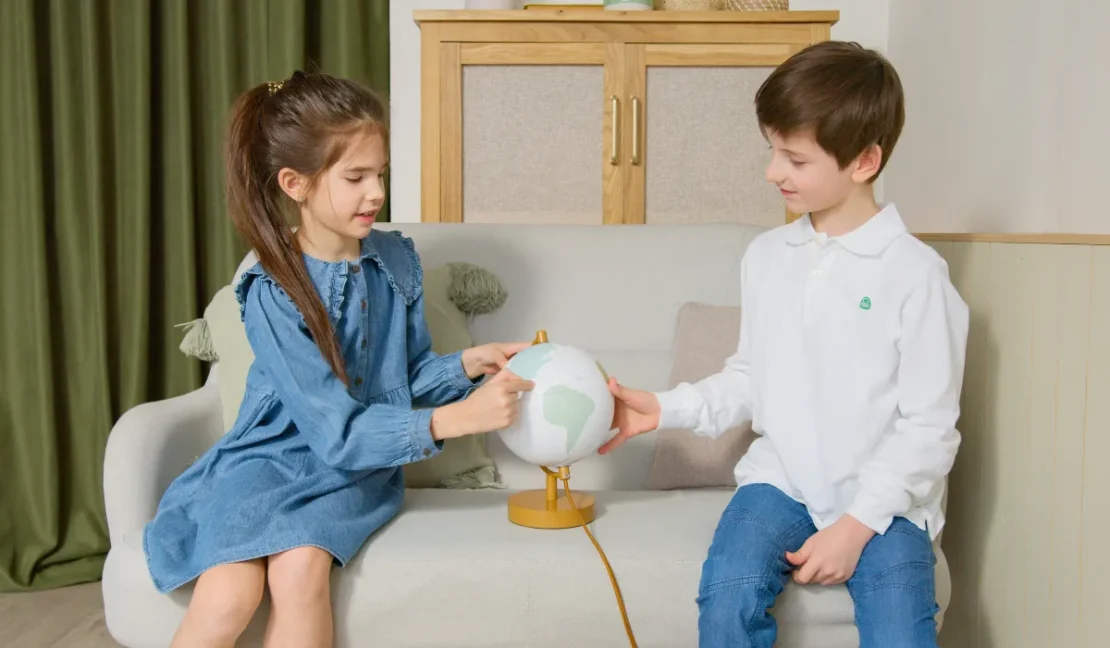
Yesterday afternoon, four-year-old Zara from our Nursery class accomplished something that would make seasoned diplomats proud. When two of her friends argued over who could use the red crayon first, she calmly suggested, “What if Kira uses it for five minutes, then Budi gets it for five minutes, and I’ll help count?” Her natural ability to find win-win solutions and mediate between conflicting parties reminded us once again why diplomatic skills for children are so much more than just “being nice.”
At Apple Tree Pre-School BSD, we witness these beautiful moments of childhood diplomacy daily. Children who learn early how to navigate disagreements, understand different perspectives, and communicate respectfully develop skills that will serve them throughout their lives, from playground interactions to future professional relationships.
Here’s what we’ve discovered about nurturing young diplomats. Children are naturally equipped with many of the qualities that make great diplomatic thinkers, they’re curious about others, quick to forgive, and genuinely interested in fairness. Our job is to help them recognize and develop these instincts while teaching them practical tools for peaceful problem-solving.
Understanding Age-Appropriate Conflict Resolution
Diplomatic skills for children begin with helping them understand that disagreements are normal parts of human interaction, not disasters that need to be avoided. In our classrooms at the Educenter BSD Building, we see conflicts as learning opportunities where children can practice communication, compromise, and creative problem-solving.
Young children approach conflicts differently than adults, often with more emotional intensity but also with greater willingness to forgive and move forward. When three-year-old Ahmad and his friend disagreed about game rules, their argument was passionate but brief, and within minutes they were collaborating on a completely new game they’d invented together.
We teach children that feeling upset during disagreements is perfectly normal and acceptable, but that we have choices about how we express those feelings and work toward solutions. This emotional awareness forms the foundation for all diplomatic thinking and peaceful conflict resolution.
Teaching Calm Communication Under Pressure
One of the most valuable diplomatic skills we can teach children is how to communicate clearly when emotions are running high. We practice simple techniques like taking deep breaths, using “I feel” statements, and asking for clarification when misunderstandings arise.
Role-playing activities help children practice these communication skills in low-pressure situations so they can access them during real conflicts. When children have rehearsed saying “I feel frustrated when…” or “Can you help me understand why…” they’re more likely to use these tools during actual disagreements.
We also teach children the power of active listening, helping them understand that truly hearing what others are saying often resolves conflicts more effectively than arguing back. When children learn to repeat what they’ve heard before responding, misunderstandings decrease dramatically.
Building Empathy Through Perspective-Taking
Diplomatic skills for children rely heavily on the ability to understand and appreciate different viewpoints, even when those perspectives differ from their own. We practice this through storytelling activities where children consider how different characters might feel about the same situation.
“Walking in someone else’s shoes” becomes a literal activity in our classroom as children physically switch positions during conflicts and try to explain the situation from their classmate’s perspective. This simple exercise often leads to breakthrough moments where children suddenly understand why their friend acted in a particular way.
We encourage children to ask questions like “How do you think Maya felt when that happened?” or “Why might Ravi have made that choice?” These questions help children move beyond their own immediate reactions to consider broader contexts and different emotional experiences.
Image Source: Canva
Negotiation Skills That Work for Young Minds
Teaching children basic negotiation concepts helps them move beyond simple “yes or no” thinking toward creative problem-solving that addresses everyone’s needs. We introduce concepts like compromise, taking turns, and finding alternatives through games and guided practice.
The art of compromise becomes easier for children when they understand that giving up something small might help them gain something more important. When children learn to identify what they really need versus what they might be willing to trade away, they become much more effective negotiators.
We practice brainstorming multiple solutions to common classroom problems, helping children understand that most conflicts have more than two possible outcomes. This creative approach to problem-solving builds flexible thinking and reduces the “my way or your way” mindset that creates deadlocks.
Cultural Sensitivity in Indonesian Context
Teaching diplomatic skills within Indonesian cultural values means emphasizing respect, harmony, and collective well-being alongside individual needs. We help children understand concepts like “gotong royong” and how working together often creates better solutions than competing against each other.
The Indonesian value of maintaining face and showing respect becomes an important part of our diplomatic education. Children learn how to disagree respectfully, express their needs without making others feel bad, and find solutions that allow everyone to maintain dignity.
We also teach children about different communication styles and help them understand that people from different backgrounds might express themselves in various ways. This cultural awareness builds tolerance and helps children become more effective communicators across diverse groups.
Image Source: Canva
Practical Classroom Activities for Diplomatic Development
Our “Peace Table” provides a designated space where children can work through conflicts with guided support. This special area includes visual reminders about good listening, speaking kindly, and working together toward solutions that everyone can accept.
Storytelling activities where children create alternative endings to conflict situations help them practice diplomatic thinking in safe, imaginative contexts. When children can explore different resolution strategies through stories, they build repertoires of peaceful problem-solving approaches.
We use simple mediation training where children learn to help their friends resolve disagreements. These peer mediation skills teach children how to remain neutral, ask helpful questions, and guide others toward mutually acceptable solutions.
Role-Playing International Relations
Age-appropriate simulations of international cooperation help children understand how different groups can work together despite having different needs and perspectives. Our classroom “United Nations” activities let children represent different countries or communities while solving shared problems.
These activities teach children that diplomatic skills work at every level, from individual friendships to global cooperation. When children successfully negotiate classroom agreements about sharing resources or organizing activities, they experience the satisfaction of peaceful problem-solving.
We create scenarios where children must balance individual desires with group needs, helping them understand the complexity of diplomatic decision-making while building skills in compromise and collaborative thinking.
Peer Mediation Training Programs
Teaching children to serve as neutral helpers during their classmates’ conflicts builds advanced diplomatic skills while creating more peaceful classroom environments. We train selected children to ask good questions, remain impartial, and help others find their own solutions.
Children who serve as peer mediators develop enhanced empathy, improved communication skills, and deeper understanding of different perspectives. These experiences often transform children who previously struggled with their own conflicts into skilled peacemakers who can help others.
The ripple effects of peer mediation training extend throughout our classroom community as children learn that conflicts can be resolved peacefully and that everyone has the potential to contribute to harmonious relationships.
Diplomatic skills for children provide essential tools for navigating relationships, resolving conflicts peacefully, and building bridges across differences. At Apple Tree Pre-School BSD, we believe that children who learn early how to communicate respectfully, understand different perspectives, and work collaboratively toward solutions develop capabilities that will serve them throughout their lives.
The goal isn’t to eliminate all conflicts but rather to help children see disagreements as opportunities for growth, learning, and deeper understanding. When children master basic diplomatic skills, they become peacemakers who can contribute positively to their families, communities, and eventually the wider world.
Our comprehensive programs integrate social-emotional learning naturally throughout the curriculum, ensuring children develop strong interpersonal skills alongside academic knowledge and creative abilities.
Ready to raise a confident peacemaker who can navigate conflicts with wisdom and grace? We’d love to show you how our approach develops children who can communicate clearly, understand others deeply, and find creative solutions to challenging problems. Send us a WhatsApp message or give us a call at +62 888-1800-900.
Come play and learn with other children, because tomorrow’s peacemakers are today’s thoughtful communicators! 🕊️🤝✨