It’s 8 AM on a Saturday, and you’re picking up toys for the third time today. Your little one is happily playing with more blocks while you’re on your hands and knees like Cinderella before the ball. Sound familiar? You love your child to bits, but deep down, you’re wondering when they’ll actually help out instead of creating more chaos.
Here’s the thing: teaching children responsibilities home doesn’t have to feel like pulling teeth. In fact, when done right, it can be surprisingly fun and way less stressful than doing everything yourself. At Apple Tree Pre-School BSD, we’ve spent years watching how children develop independence and responsibility, and we’ve learned a thing or two about making it work.
The secret? It’s not about nagging or bribing. It’s about turning children responsibilities home into something that feels natural, achievable, and yes, even exciting for them. Ready to transform your little ones from mess-makers into helpful family members? Let’s dive in!
Why Teaching Children Responsibilities Home Matters
Before we get into the how, let’s talk about the why. Because honestly, some days it feels easier to just do everything yourself, right?
Building Confidence and Independence
When children master age-appropriate tasks at home, something magical happens. They stand a little taller, smile a little bigger, and suddenly want to do more. We see this transformation every day at our Educenter BSD Building campus.
Miss Sarah often tells parents, “When a three-year-old successfully puts their snack wrapper in the bin, they don’t just learn about tidying up. They learn ‘I can do things by myself.’ That confidence? It’s gold.”
Children responsibilities home aren’t just about getting help with chores. They’re about building capable, confident humans who believe in their own abilities.
Developing Essential Life Skills
Let’s be real, nobody wants their 25-year-old calling home asking how to do laundry, right? The foundation for life skills starts way earlier than you think.
When you teach children responsibilities home early, you’re setting them up for success. Simple tasks like putting dirty clothes in the hamper or setting the table might seem small now, but they’re building blocks for bigger skills later.
Strengthening Family Bonds
Here’s something we’ve noticed: families who work together actually enjoy each other more. When everyone pitches in, there’s less resentment, more teamwork, and honestly, more time for fun stuff.
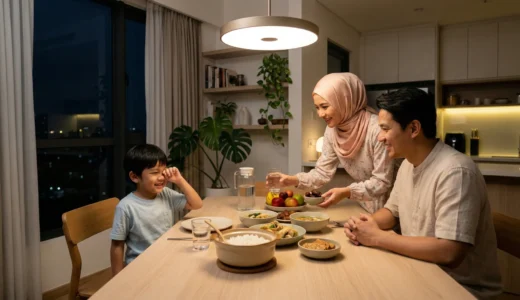
One parent told us, “Ever since my kids started helping with dinner prep, mealtime became our favorite part of the day. We chat, we laugh, sometimes we make a mess, but we’re together and everyone feels included.”
Teaching Respect and Empathy
Children responsibilities home also teach kids that families are teams. When your little one sees you’re tired and offers to help, or when they notice their sibling needs assistance, that’s empathy in action.
At Apple Tree, our Singapore curriculum emphasizes not just academic excellence but character development through Social Studies and Moral education. We’ve found that children who have responsibilities at home tend to be more considerate and aware of others’ needs.
Image Source: Canva
Age-Appropriate Children Responsibilities Home
The key to success? Matching tasks to your child’s developmental stage. Expecting a two-year-old to fold laundry perfectly is setting everyone up for frustration.
Toddlers (1.5 to 3 Years)
Yes, even the tiny humans can help! At this age, children responsibilities home should be super simple and fun.
Perfect tasks for toddlers:
- Putting toys in a basket (make it a game: “Can you throw the blocks in the box?”)
- Placing dirty clothes in the hamper
- Helping feed pets under supervision
- Wiping up small spills with a cloth
- Carrying their own small backpack
In our Toddler classes with 12 children per group, we practice these skills daily. You’d be amazed at how proud a two-year-old looks when they successfully tidy up their play area!
Preschoolers (3 to 5 Years)
This is when things get really fun. Preschoolers are capable of way more than most parents realize, and they actually love helping at this age.
Great responsibilities for this age:
- Making their bed (it won’t be perfect, and that’s okay!)
- Setting the table with unbreakable items
- Helping sort laundry by colors
- Watering plants
- Putting groceries away in low cabinets
- Preparing simple snacks like spreading butter
- Tidying their room with guidance
Miss Emma from our Nursery class says, “Four-year-olds are at that sweet spot where they think chores are cool. Use this window! By six, the novelty might wear off a bit.”
Early Elementary (5 to 7 Years)
By Kindergarten age, children responsibilities home can expand significantly. These kids are ready for more complex, multi-step tasks.
Appropriate tasks include:
- Making simple breakfast (cereal, toast)
- Helping prepare dinner ingredients
- Taking out trash
- Folding and putting away their clothes
- Vacuuming their room
- Caring for pets more independently
- Helping younger siblings
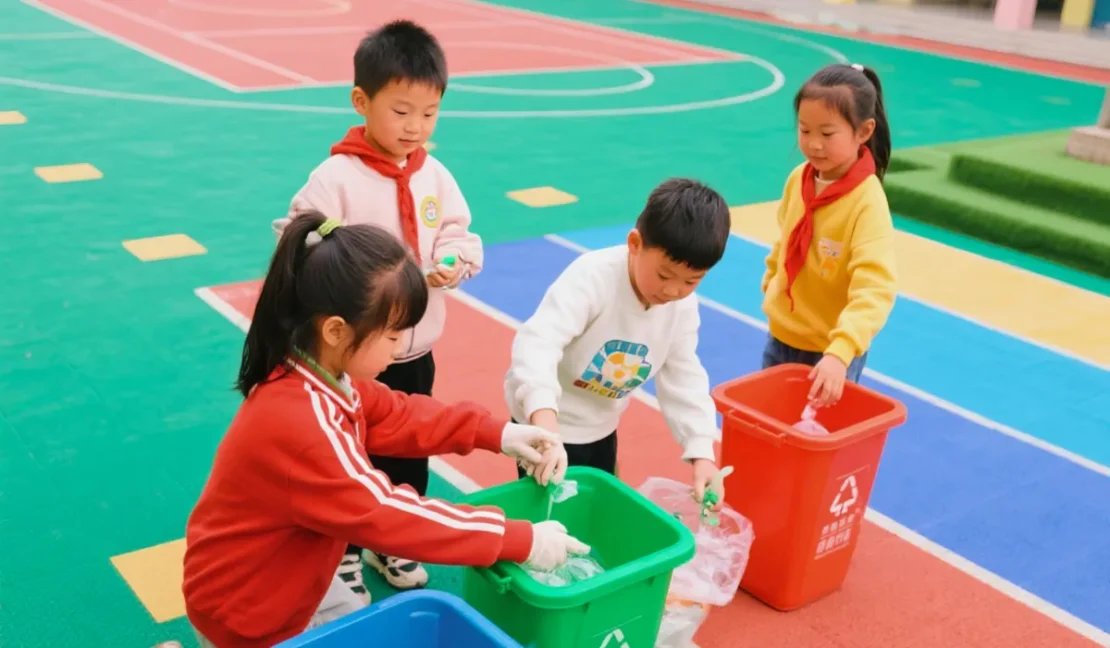
In our Kindergarten 1 and 2 programs at Apple Tree, children learn responsibility through daily classroom jobs. We rotate roles so everyone gets a turn being the “line leader,” “snack helper,” or “book organizer.”
How to Introduce Children Responsibilities Home Successfully
Alright, you’re convinced it’s important. But how do you actually get your child on board without World War III breaking out?
Start Small and Celebrate Wins
Don’t overhaul your entire household system overnight. Pick one simple responsibility to start with, something you’re confident your child can master.
When they do it? Celebrate! Not with huge rewards or prizes, but with genuine appreciation. “Wow, you remembered to put your shoes away! That helps our family so much. Thank you!”
Positive reinforcement works way better than nagging. Trust us, we’ve seen it in action with hundreds of kids.
Make It Fun, Not a Punishment
Here’s a parenting trap we see often: using chores as punishment. “You misbehaved, so now you have to clean your room!” This creates a negative association with children responsibilities home.
Instead, try these fun approaches:
- Turn cleaning up into a race: “Can we get all the toys away before the song ends?”
- Create silly songs for different tasks
- Use fun tools (colorful dustpans, kid-sized brooms)
- Let them “teach” a stuffed animal how to help
At Apple Tree, we incorporate Music and Creativity into even routine tasks. Clean-up time in our Pre-Nursery classes includes a catchy song, and suddenly 16 three-year-olds are eagerly tidying!
Use Visual Aids and Routines
Young children thrive on structure and visual reminders. A chart with pictures showing their daily responsibilities can work wonders.
Create a simple morning routine chart:
- Get dressed (picture of clothes)
- Brush teeth (picture of toothbrush)
- Make bed (picture of bed)
- Put pajamas away (picture of drawer)
You can add stickers when tasks are completed, but the real reward should be the sense of accomplishment, not just the sticker.
Do It Together First
Don’t just tell your child to do something and walk away, especially when it’s new. Work alongside them, showing exactly how it’s done.
“Let’s make your bed together! First, we pull up the sheet. Can you grab that corner? Great! Now the blanket…”
Gradually reduce your involvement as they master the task. This scaffolding approach is central to how we teach at Apple Tree, whether it’s in Mathematics, Science, or life skills.
Be Patient with Imperfection
This is the hard one for many parents. Your child’s “made” bed will look like a lumpy disaster. The table they set will have forks in weird places. The floor they swept still has crumbs.
That’s okay. Actually, it’s more than okay, it’s expected and healthy.
Resist the urge to redo it in front of them or criticize their effort. Remember, you’re teaching children responsibilities home for the long game, not for Instagram-perfect results today.
Miss Linda always reminds parents, “A child who feels their effort is never good enough will stop trying. A child who feels proud of their progress will keep improving.”
Common Challenges and Solutions
Let’s get real about the obstacles you’ll face when teaching children responsibilities home.
“I Don’t Want To!”
The resistance is real, folks. Even the most enthusiastic helper has off days.
Try this:
- Offer limited choices: “Would you like to pick up blocks first or books first?”
- Connect to their interests: “Your superhero action figure needs his home clean, can you help him?”
- Set a timer: “Let’s see what we can tidy in just five minutes!”
- Join them: “Let’s do this together!” is way more effective than “Go do this now!”
Sibling Arguments About Fairness
“That’s not fair! She always gets the easy job!” Sound familiar?
Create a rotation system where everyone tries different responsibilities. Use a chart so it’s visible and “official.” When it’s written down, there’s less room for argument.
Also, acknowledge that different ages mean different capabilities. Explain that when the younger one gets older, they’ll have more responsibilities too.
Inconsistency (From Parents!)
Here’s an uncomfortable truth: often, the biggest obstacle to teaching children responsibilities home is us. We forget to enforce it, we’re too tired, or we’re rushing and it’s faster to just do it ourselves.
Set yourself up for success. Put reminder notes, use phone alarms, or pair responsibilities with existing routines. After breakfast = put dishes in sink. After bath = hang up towel. Creating these automatic connections helps everyone remember.
“I’m Too Busy/Tired”
Some days, you genuinely are too busy or tired. That’s life. But if this becomes the daily excuse, children responsibilities home will never stick.
Prioritize the most important ones. Maybe on crazy days, you just focus on putting dirty clothes away and brushing teeth. On calmer days, you add more.
Remember, you’re not aiming for perfection. You’re aiming for progress.
Building Responsibility Beyond Chores
Children responsibilities home go beyond just physical tasks. There are other important areas to develop.
Emotional Responsibility
Teaching children to recognize and manage their feelings is huge. In our classes covering Moral education and Social Studies, we emphasize emotional awareness.
Encourage your child to express feelings appropriately: “I’m feeling frustrated” instead of throwing things. This is them taking responsibility for their emotional world.
Social Responsibility
Help your child understand they’re part of a community. This might look like:
- Being kind to classmates
- Taking turns fairly
- Apologizing when they hurt someone
- Including others who feel left out
At our Educenter BSD Building campus, we create a community where every child learns they have a role in making our space positive and inclusive.
Academic Responsibility
As children grow, they can take more ownership of their learning. This includes:
- Packing their own school bag
- Remembering to bring homework
- Asking for help when confused
- Taking care of their books and supplies
In our Kindergarten programs, we gradually increase children’s independence with their learning materials, preparing them for primary school.
The Role of School in Teaching Responsibility
While home is where responsibility foundation is built, school reinforces and expands these skills.
Structured Environment
At Apple Tree Pre-School BSD, our Singapore curriculum provides consistent structure. Children have classroom jobs, follow routines, and learn to care for shared spaces.
With our class sizes ranging from 12 toddlers to 20 kindergarteners, every child gets opportunities to contribute and feel responsible for their classroom community.
Peer Modeling
Something magical happens when children see peers taking responsibility. They want to do it too! “If Emma can do it, I can do it!”
This peer influence is incredibly powerful and something you can’t fully replicate at home.
Teacher Guidance
Our teachers are trained to encourage independence while providing appropriate support. They know when to step in and when to step back, letting children problem-solve on their own.
Miss Clara shared, “Sometimes I watch a child struggle with zipping their jacket for a minute. Every instinct says to help, but I wait. When they finally get it, the pride on their face is worth that minute of struggle.”
Image Source: Canva
Creating a Responsibility-Friendly Home Environment
Your home setup can either support or hinder children responsibilities home.
Make It Accessible
If your child’s clothes are in drawers they can’t reach, they can’t put clothes away independently. If toy storage requires complex organizing, they won’t use it.
Set up your home so your child can actually do what you’re asking:
- Low hooks for coats and bags
- Step stools in bathroom and kitchen
- Toy bins at child height with picture labels
- Dishes and cups in lower cabinets
Designate Spaces
Everything should have a home. When there’s no clear place for items, even adults don’t put things away!
Work with your child to decide where things belong. Let them help create labels or choose bins. When they’re involved in the organizing system, they’re more likely to use it.
Minimize Clutter
The more stuff you have, the more overwhelming tidying becomes. Regularly rotate toys, donate items that aren’t used, and keep only what your family actually needs.
A simpler home makes children responsibilities home feel less daunting for everyone.
Encouraging Responsibility Through Natural Consequences
Sometimes the best teacher is experience. Natural consequences can reinforce children responsibilities home without you being the “bad guy.”
Examples of natural consequences:
- Forgot to pack your toy? You won’t have it at grandma’s house (you don’t run back to get it)
- Didn’t put dirty clothes in hamper? They don’t get washed (you don’t hunt for hidden laundry)
- Left bike outside? It got wet in the rain (you don’t replace it immediately)
This is different from punishment. You’re not angry or making a big deal. You’re simply letting reality teach the lesson.
Of course, use judgment. Natural consequences work for minor things, not safety issues!
Teaching Money Responsibility
As children get a bit older, financial responsibility becomes relevant too. This doesn’t mean you need to start paying for chores (that’s a whole debate!), but you can teach basic concepts.
Consider giving a small allowance and helping your child divide it into categories:
- Spend
- Save
- Give/Share
Let them make choices and experience consequences. Want that toy? You’ll need to save for three weeks. Decided to spend it all on candy? Now there’s nothing left for the toy shop tomorrow.
These early lessons in delayed gratification and financial planning are incredibly valuable.
Balancing Responsibilities with Play and Rest
Here’s something important: childhood shouldn’t be all chores and duties. Balance is key.
At Apple Tree, yes, we teach responsibility through various subjects including English, Mathematics, and Phonics. But we also prioritize play, creativity, music, and physical education. Children need time to just be kids.
At home, after your child completes their responsibilities, there should be plenty of time for free play, creativity, and relaxation. Responsibilities are part of life, not the whole of life.
If your child is stressed, overwhelmed, or showing signs of anxiety about their responsibilities, you might need to scale back. The goal is to raise capable, confident children, not anxious perfectionists.
Celebrating Growth and Progress
Take time to notice and acknowledge how your child grows in responsibility. Maybe create a “responsibility journal” where you jot down milestones.
“Today Emma set the whole table by herself without being asked!”
“This week, Jake remembered to feed the cat every single day!”
These celebrations don’t need to be big. A high-five, a proud smile, or mentioning it to the other parent while your child listens works beautifully.
At Apple Tree, we regularly celebrate children’s growing independence with parents. We share observations like “Your son now packs his own bag after class without reminders!” These moments of pride are so important.
Partner with Us in Raising Responsible Children
Teaching children responsibilities home is a journey, not a destination. Some days will go smoothly, and some days you’ll find cereal in the DVD player (yes, that happened to one of our parents!).
The important thing is consistency, patience, and keeping the big picture in mind. You’re raising future adults who will need to manage homes, jobs, relationships, and their own families. The foundation you’re building now matters.
At Apple Tree Pre-School BSD, we’re passionate about partnering with parents to raise independent, responsible, and confident children. Through our comprehensive Singapore curriculum covering everything from academics to character development, we create an environment where children learn that they’re capable, valued members of their community.
Ready to give your child a strong foundation in both academics and life skills? Our programs from Toddler through Kindergarten 2 at the Educenter BSD Building provide the perfect environment for your child to grow. Come see how we make learning and responsibility fun or call us directly at +62 888-1800-900.
Let’s work together to raise children who are not just smart, but also responsible, confident, and ready for whatever life brings! 🍎