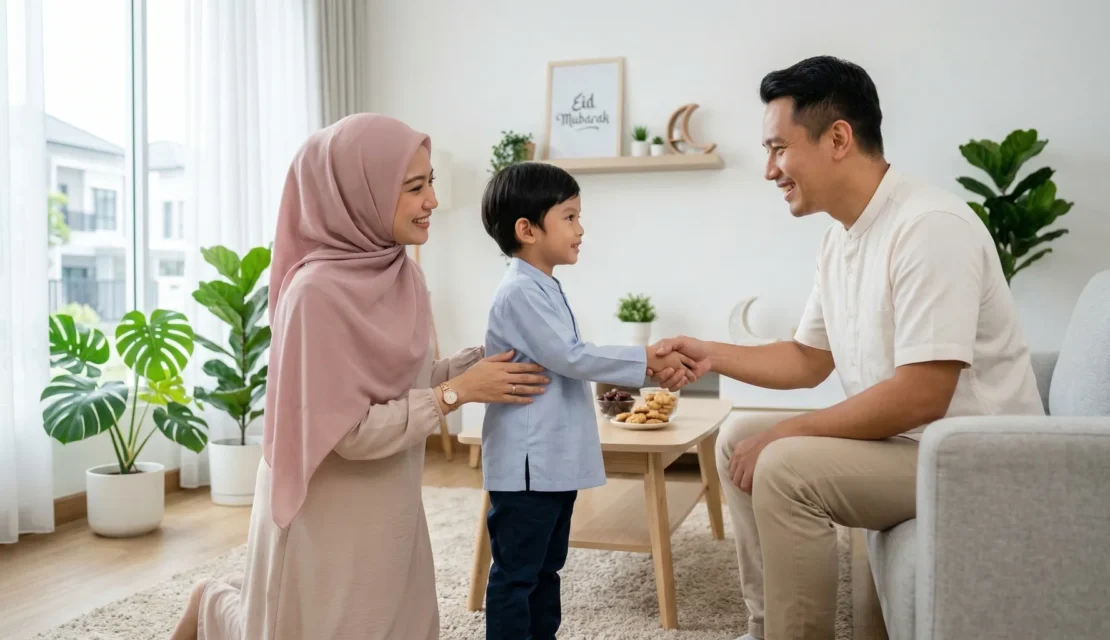
Last Eid, we watched a three year old walk into a relative’s living room like a tiny celebrity. He waved, smiled, and said, “Assalamu’alaikum,” with confidence. Then he immediately asked, “Where are the cookies?” We loved the honesty. We also knew that moment was the perfect time to teach Eid etiquette for kids in a gentle way.
If you are a parent in Indonesia, you know the Eid visit marathon. One house becomes five, then ten, then you lose track. Your child gets excited, tired, and sometimes a little too honest. Eid etiquette for kids helps your child enjoy those visits and helps you avoid awkward moments.
At Apple Tree Pre-School BSD, we love teaching social skills through real life moments. Eid is full of learning opportunities for manners, empathy, and gratitude. Many families in our community at the Educenter BSD Building ask the same question. “How do we teach manners without making Eid stressful?” We believe you can do it with simple routines and playful practice.
This guide will help you teach Eid etiquette for kids in a way that feels natural. You will get practical phrases, easy role play ideas, and gentle reminders. Your child will still feel like a kid. You will still enjoy your coffee, even if it is your third cup.
Why Eid Etiquette for Kids Matters During Family Visits
Eid etiquette for kids is not about creating perfect children. It is about helping your child feel secure in social settings. When kids know what to do, they feel less overwhelmed. They also learn how to show respect in warm, age appropriate ways.
Family visits can feel intense for small children. New faces, loud greetings, and long car rides can drain them fast. Eid etiquette for kids gives your child a simple map. It reduces confusion and prevents big emotional meltdowns.
Good manners also protect your child’s relationships. Relatives often remember the small moments. A greeting, a smile, and a thank you can go a long way. These skills also support school readiness and social confidence.
What Kids Really Learn From Eid Visits
Your child learns more than manners during Eid. They learn belonging, tradition, and how family relationships work. They learn to wait, to share attention, and to handle new environments.
When you teach Eid etiquette for kids, you also teach emotional regulation. You teach them what to do when they feel shy. You teach them what to say when they feel excited. These lessons matter far beyond Eid.
Start With Simple Greetings and Body Language
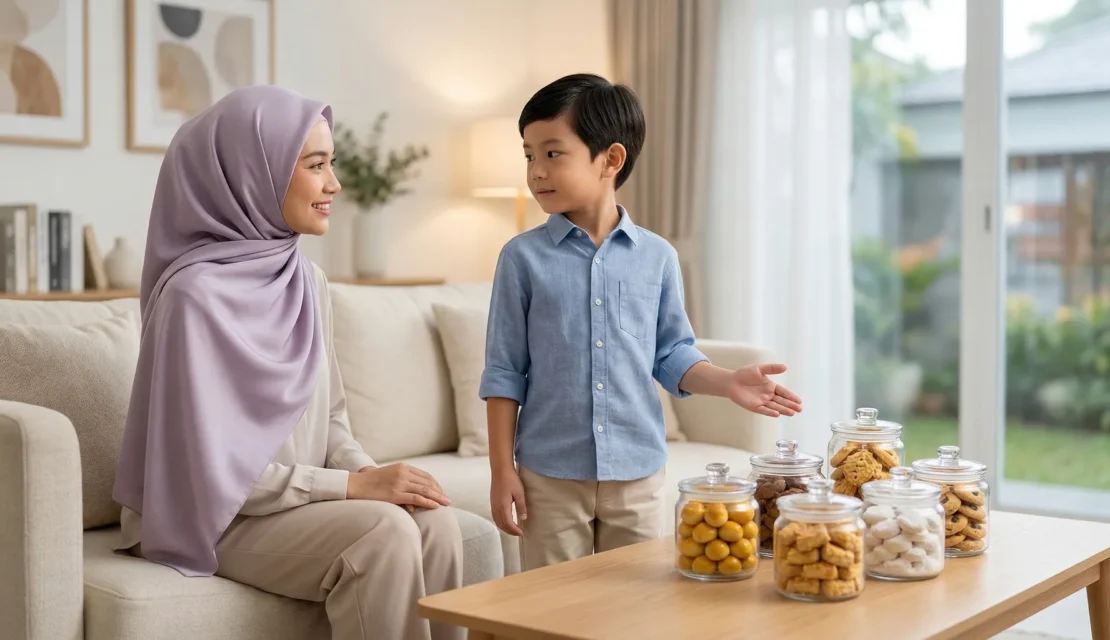
Most Eid etiquette for kids starts at the front door. Greetings set the tone for everything. You do not need a long script. You need a few simple phrases and calm body language.
Teach your child to pause, smile, and greet. A greeting can be in Bahasa or English, depending on your family style. The key is consistency and warmth.
Easy Greeting Scripts You Can Practice
Practice these at home like a little game. Use stuffed animals as “relatives.” Let your child take turns being the host and the visitor.
Here are simple phrases that work well:
- “Assalamu’alaikum”
- “Eid Mubarak”
- “Maaf lahir dan batin”
- “Nice to see you”
- “Thank you for having us”
When your child knows what to say, they feel brave. That confidence is a big part of Eid etiquette for kids.
Teach Respectful Touch and Personal Space
Some relatives love hugs. Some prefer a wave. Some kids love hugs. Some kids freeze like a statue. All of that is normal.
Teach your child a respectful default. A smile and a wave work everywhere. If your family practices salim, teach it gently and explain why.
You can also teach a simple rule. “We ask before hugging.” This keeps your child safe and teaches respect. It also supports Eid etiquette for kids in a modern way.
Help Kids Handle the “Snack Table Temptation”
Let’s be honest. Eid snacks are powerful. Kids spot cookies like hawks. Then they sprint.
Eid etiquette for kids includes learning how to wait and ask nicely. This helps your child and helps your host feel respected.
Teach the Ask, Wait, Say Thanks Routine
You can teach one simple sequence. It works for snacks, toys, and even the TV remote.
Use this routine:
- Ask politely, “May I have some, please?”
- Wait for the answer
- Say, “Thank you”
Keep it light. You can even whisper it like a secret mission. Kids love that.
What to Do If Your Child Grabs Food Anyway
It happens. Do not panic. Do not shame them in front of everyone.
Step in calmly. Say, “We ask first.” Help your child return the item and ask again. This teaches the rule without drama. It is still Eid etiquette for kids, just in real time.
Teach Kids How to Talk to Older Relatives
Some children become silent. Others suddenly become comedians. Both are common.
Eid etiquette for kids includes learning respectful conversation. This does not mean forcing your child to perform. It means helping them respond in simple ways.
Short Answers Are Fine
Many parents worry their child seems “rude” when they answer briefly. In reality, kids have limited social energy. A short answer can still be polite.
Teach simple responses like:
- “I am good, thank you”
- “I like school”
- “I played with my friends”
If your child stays quiet, that is okay too. You can model for them. “He feels shy today, but he is happy to be here.”
Teach Kids Not to Comment on Bodies
This is the funny and dangerous part of Eid. Kids speak the truth with no filter.
A child might say, “Auntie, your belly is big.” Then you want to disappear into the floor.
Teach a simple rule before visits. “We do not talk about bodies.” Give alternatives. “We can say, ‘You look nice.’” This is a key part of Eid etiquette for kids.
Prepare Kids for Gift Giving and Receiving
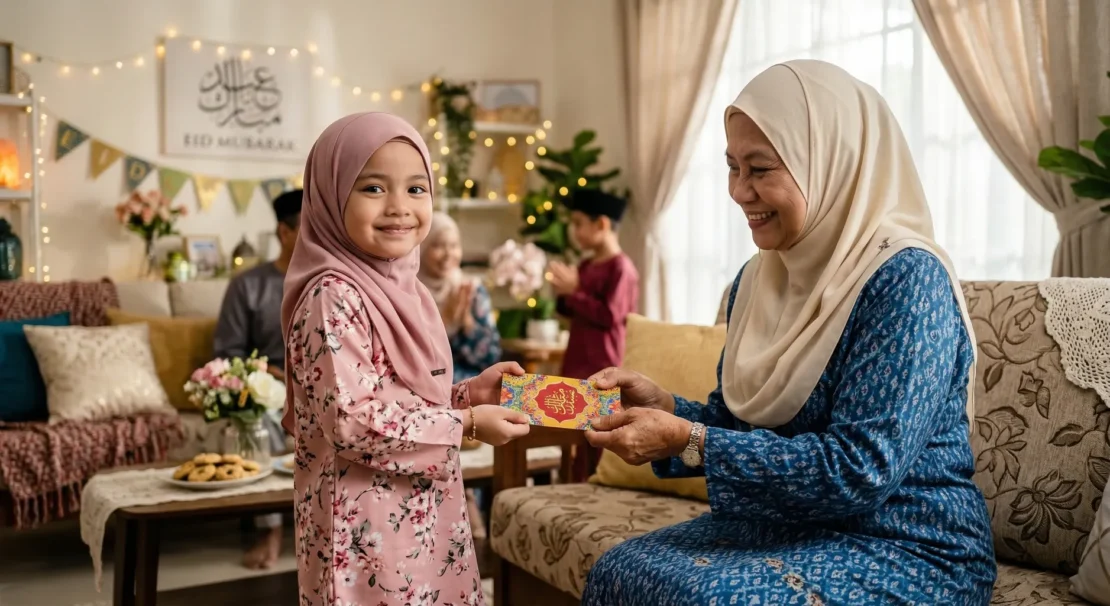
Many families give angpao or small gifts. Kids get excited fast. They may also get disappointed fast.
Eid etiquette for kids helps children receive gifts with gratitude. It also helps them understand that not every house gives gifts.
Teach the Thank You Moment
Practice this phrase at home. Make it automatic.
Teach your child to look at the giver and say:
- “Thank you”
- “Terima kasih”
- “Thank you, I love it”
Even if they do not love it, they can still say thank you. This is an important social skill.
Teach Gentle Behavior With Money Gifts
If your child receives money, they may want to count it loudly. They may want to compare with cousins. That can create tension.
Teach a simple rule. “We put it in our bag.” Then you can count together later at home. This keeps Eid etiquette for kids respectful and calm.
Manage Energy Levels So Manners Stay Strong
Sometimes your child’s manners collapse because their body is done. Hunger, heat, and overstimulation can ruin the best plans.
Eid etiquette for kids works best when you protect their basic needs. Think of it as setting your child up for success.
Create a Mini Survival Kit
You do not need much. You just need smart basics.
Bring:
- Water
- A small snack
- A comfort toy
- A spare shirt
- Wet wipes
When your child feels okay, they behave better. That is not bribery. That is parenting.
FAQ About Eid Etiquette for Kids
What age should we start teaching Eid etiquette for kids?
You can start at age two with greetings and simple routines. Keep it short and playful. Kids learn fast through repetition.
My child gets shy with relatives. Is that rude?
No. Shyness is normal. Support your child with gentle prompts. Let them warm up at their own pace.
How do we correct manners without embarrassing our child?
Use quiet reminders and quick redirection. Avoid long lectures in public. Teach more at home later.
Should we force kids to salim or hug?
No. Teach respectful alternatives like waving. If your family practices salim, guide gently and explain meaning.
Make Eid Visits Easier and Kinder for Everyone
Eid etiquette for kids is really about connection. It helps your child feel confident in social settings. It helps your relatives feel respected and appreciated. It also helps you enjoy the day with fewer stressful moments.
The secret is simple. Practice small scripts, prepare for energy dips, and correct gently. Your child will learn each year. You will see progress faster than you expect.
At Apple Tree Pre-School BSD, we build these social skills every day through play and routine. Our classes help children grow smart and happy with parents. If you want support with social confidence, language, and daily routines, we would love to meet you.Ready to help your child grow in confidence and manners, not just during Eid? Register now, or come play and learn with other children. Send us a WhatsApp message or call +62 888-1800-900.