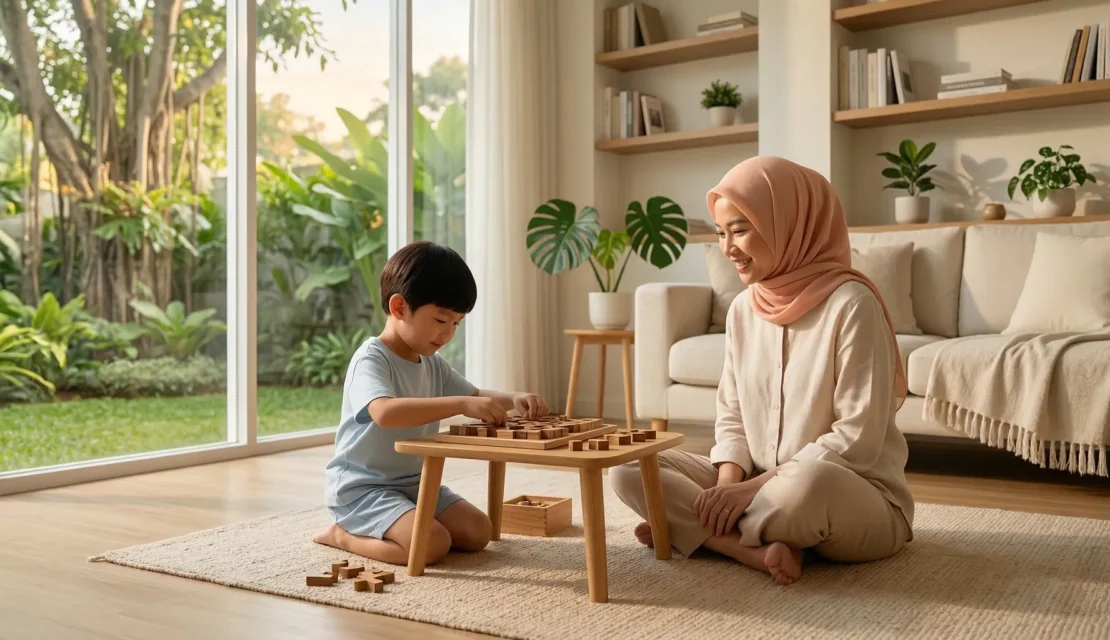
Last month, one mom pulled us aside at pickup and whispered, “My child is so quiet, should I be worried?” She looked like she had just survived a parents’ WhatsApp group chat about “confident kids” and “future leaders.” We smiled because we hear this a lot, and we care deeply about introvert child support. Your child does not need to turn into the loudest kid in the room to thrive.
We see introverted children every day at Apple Tree Pre-School BSD. They often watch first, think deeply, then join in with purpose. They might not jump into the center of the group, but they notice everything. When you understand what introversion really is, you can support your child with confidence and less worry.
This article will help you spot healthy introversion, avoid common mistakes, and build practical routines. You will also learn how we support introverted learners at our school in the Educenter BSD Building. Most importantly, you will leave with introvert child support strategies you can use today.
Understanding Introvert Child Support in Early Childhood
Introversion is not shyness and it is not a problem to fix. Introversion means your child recharges through quiet time and smaller social settings. Extroversion means your child recharges through lots of interaction and stimulation. Both are normal, healthy temperaments.
Introvert child support starts with accepting your child’s natural rhythm. Many introverted kids engage deeply with one friend instead of a big group. They may speak less in class but think more before talking. This can look “slow” to adults, but it often shows strong processing and self control.
Introverted children can still be confident and social. They just prefer different conditions. When adults label them as “too quiet,” kids can internalize that as something wrong. Introvert child support protects your child from that kind of unnecessary pressure.
Introversion Versus Shyness and Anxiety
Shyness often includes fear of judgment. Anxiety includes distress that interferes with daily life. Introversion is more about preference, not fear. Your introverted child may feel fine, even when they stay quiet.
Look for clues in your child’s body language. Do they relax after they settle in. Do they smile while watching. Do they play well once they feel safe. These are healthy signs.
If your child avoids everything and looks distressed often, you may need extra support. Introvert child support still helps here, but professional guidance can be useful too.
What Introverted Kids Do Really Well
Introverted children often show strengths that get overlooked in noisy environments. They may have strong focus, careful thinking, and rich imagination. They may also show empathy, because they observe people closely.
We often see introverted kids build friendships slowly, then keep them strong. They also tend to do well in structured routines, because predictability feels calming. Introvert child support helps you protect these strengths while building social confidence.
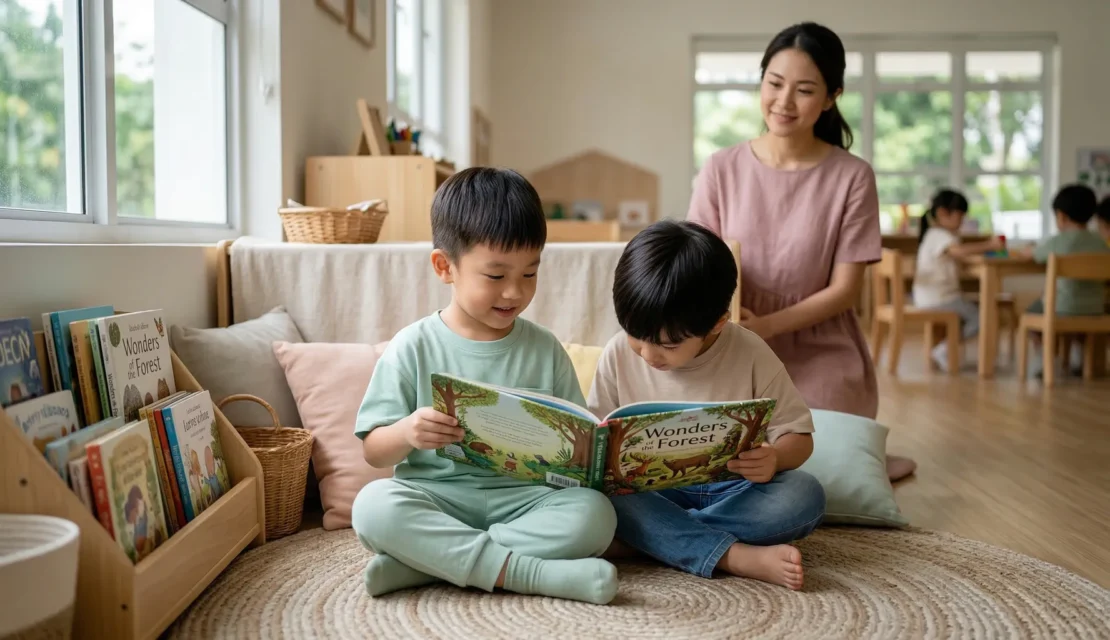
Signs Your Child Might Be Introverted
Some kids talk a lot at home and go quiet at school. Some do the opposite. So we look at patterns, not one moment. Introvert child support becomes easier when you know what to notice.
Here are common signs:
- Your child warms up slowly in new places.
- Your child prefers one or two close friends.
- Your child needs quiet time after busy events.
- Your child watches first before joining play.
- Your child dislikes loud crowds for long periods.
- Your child plays deeply with one activity.
None of these signs mean something is wrong. They simply show how your child’s nervous system manages stimulation.
Why Preschool Can Feel “Too Loud” for Introverts
Preschool is wonderful, but it is also intense. There is noise, movement, sharing, and constant transitions. Introverted kids can handle it, but they may feel tired afterward. That is normal.
At home, your child might “explode” after school. Parents sometimes call it cranky or dramatic. We often see it as decompression. Introvert child support includes giving space for that release, with calm boundaries.
Have questions about how your child handles preschool? Talk to our teachers on WhatsApp and we will be happy to help.
Introvert Child Support at Home
Home can be your child’s recharge station. It should feel safe, predictable, and emotionally warm. You do not need fancy tools. You need a few simple habits that respect your child’s temperament.
Start with your daily transitions. Many introverted kids need a buffer after school. A snack, a quiet corner, and ten minutes of alone time can do wonders. You will often see better mood and better cooperation after that.
You can also build confidence through small social steps. Invite one friend over instead of a big playdate. Go to the playground at quieter times. Let your child choose when to join, without forcing.
The “After School Decompression” Routine
If your child comes home drained, try this routine for introvert child support:
- Keep greetings calm and simple.
- Offer water and a snack.
- Give ten to fifteen minutes of quiet play.
- Ask one gentle question, then pause.
- Move into homework or activities later.
This routine reduces meltdowns and helps your child reconnect with you calmly.
What Not to Say to an Introverted Child
Words stick, especially when kids hear them repeatedly. Try to avoid labels that sound like criticism. Instead of “Why are you so quiet,” try “It’s okay to take your time.” Instead of “Go talk,” try “Would you like me to help you start?”
Introvert child support means you protect your child from shame. When kids feel accepted, they take more healthy social risks. When they feel judged, they hide.
Introvert Child Support at School
A good school environment supports different temperaments. It does not reward only the loudest voices. It gives structure, choice, and emotional safety. That is how introverted kids grow.
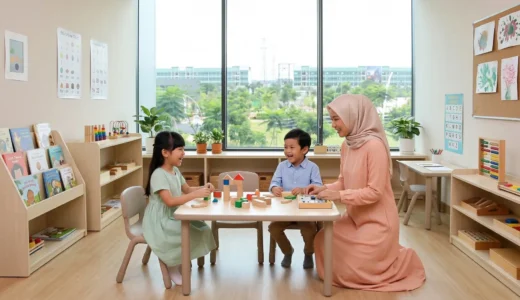
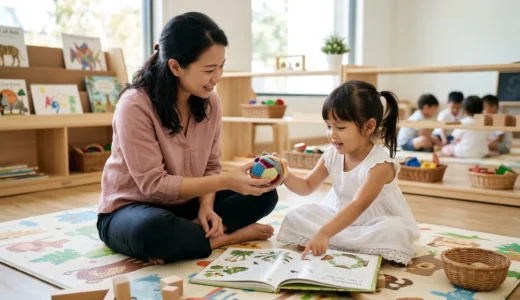
At Apple Tree Pre-School BSD, we use small routines to help introverted kids participate. We offer predictable circle time, clear instructions, and gentle invitations to speak. We also allow children to show understanding in different ways, not only through talking.
We also watch social dynamics closely. Introverted kids can get overwhelmed by pushy peers. Teachers can help by pairing children thoughtfully and teaching respectful play.
Helping Your Child Speak Up Without Forcing
Your goal is not to make your child talk more. Your goal is to help them communicate when it matters. Introvert child support includes teaching simple scripts.
We practice phrases like “Can I play,” “My turn,” and “Stop, I don’t like that.” These short sentences give children power. They reduce the need for adults to step in constantly.
You can practice at home with pretend play. Use dolls or stuffed animals. Keep it fun and short. Your child learns best through repetition with zero pressure.
Building Confidence in an Introverted Child
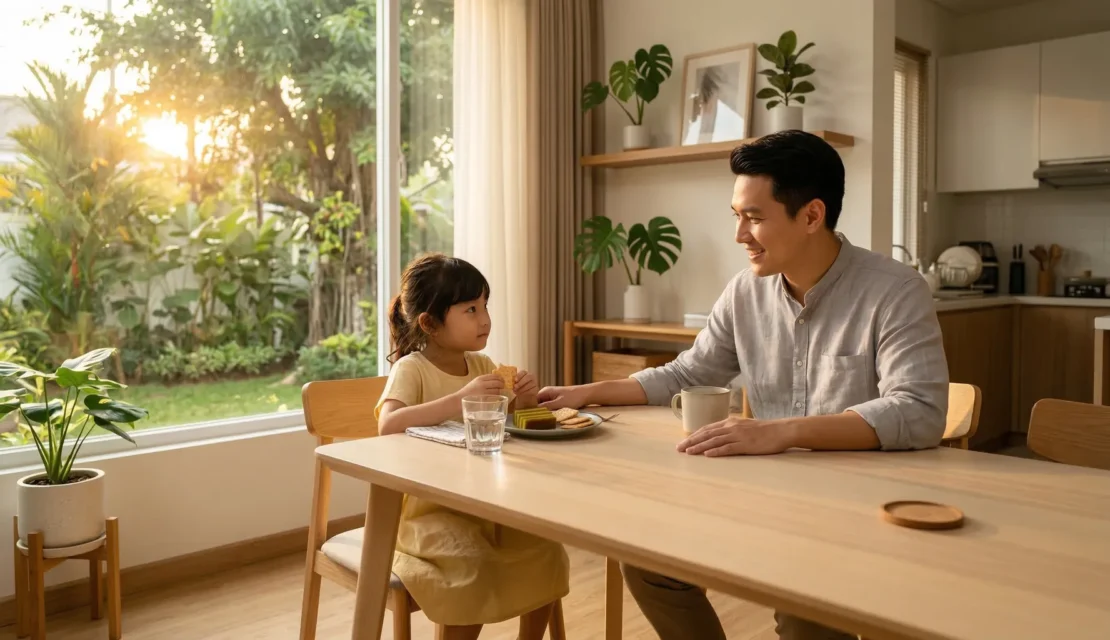
Confidence grows through mastery, not volume. When your child succeeds at something, they carry that belief into social moments. That is why hobbies matter so much for introvert child support.
Let your child choose activities that fit their style. Some introverted kids love art, puzzles, building blocks, or music. Some enjoy sports, but prefer smaller groups. The key is choosing an environment that feels safe.
Praise effort, not personality. Say “You kept trying,” not “You are smart.” This builds resilience. Resilience matters for school, friendships, and life.
FAQ About Introvert Child Support
Is my child introverted or just not confident?
Many introverted kids are confident. They just show it quietly. Look for comfort, curiosity, and steady engagement. If your child plays well after warming up, confidence is likely growing.
Should we push social activities every day?
Not usually. Introvert child support works better with balance. Too many social events can drain your child. Aim for quality over quantity.
Will introverted kids struggle in international school settings?
Not if the school supports different personalities. Many introverted kids thrive with structure and clear expectations. They often do well academically and socially over time.
When should we talk to a professional?
If your child shows intense fear, frequent distress, or avoids most situations, get guidance. You can start with your pediatrician or a child psychologist. Early support helps.
Still have questions? Reach out to us on WhatsApp and our team will guide you.
Helping Your Quiet Child Shine at Their Own Pace
Your child does not need to become someone else. They need you to understand them, protect their energy, and build skills gently. Introvert child support is about creating a life that fits your child’s nervous system. When you do that, confidence grows naturally.
If you want a preschool that respects different personalities, we would love to meet you at Apple Tree Pre-School BSD. Our programs support toddlers through kindergarten with a warm, structured approach. You can also explore our classes here: Apple Tree Pre-School BSD Programs.
Ready to help your child feel safe, seen, and supported?Register now, or come play and learn with other children. Chat with us on WhatsApp or call us at +62 888-1800-900