
Yesterday morning during circle time, something happened that made us realize just how differently children’s minds work compared to adults. We asked our Kindergarten 1 class to remember three simple instructions: put away their backpacks, wash their hands, and sit on the reading carpet. Within thirty seconds, half the children were wandering around looking confused, one was still trying to figure out where his backpack went, and another was proudly announcing that she’d remembered to feed her goldfish at home but couldn’t recall what we’d just asked her to do.
If you’ve ever given your child a simple task only to find them five minutes later doing something completely different with a genuinely puzzled expression, you know exactly what we’re talking about. The thing about improving child memory and focus is that it’s not about children being difficult or not listening, it’s about understanding how their developing brains actually process and retain information. What feels obvious and straightforward to us can feel overwhelming and impossible to remember for a child whose attention and memory systems are still under construction.
Here’s what we’ve learned through years of working with families at Apple Tree Pre-School BSD: improving child memory and focus isn’t about drilling children with memory exercises or forcing them to pay attention for longer periods. It’s about understanding how young brains work best and creating environments, routines, and activities that naturally support memory development and sustained attention.
Understanding How to Start Improving Child Memory and Focus
The first step in improving child memory and focus is understanding that children’s brains are fundamentally different from adult brains, and trying to use adult strategies with young children usually backfires. Children’s working memory, which is the mental workspace they use to hold and manipulate information, is much smaller and less efficient than adults’ working memory.
At our location in the Educenter BSD Building, we’ve observed that children who seem to have “poor memory” or “attention problems” often just need different approaches that work with their developmental stage rather than against it. Young children remember information best when it’s presented in small chunks, repeated frequently, connected to things they already know, and associated with movement or strong emotions.
The key to successful memory and focus development is making information meaningful and manageable for children. A four-year-old can’t remember a five-step sequence of instructions, but they can remember one step at a time if each step is clear, specific, and connected to something they care about. Similarly, children can’t sustain attention on boring tasks for long periods, but they can focus intensely on activities that engage their natural curiosity and interests.

Image Source: Canva
Daily Activities That Boost Memory and Concentration
Simple Memory Games That Work
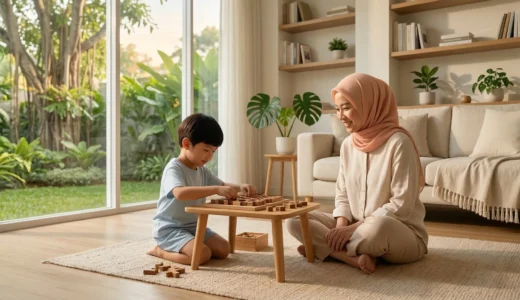
Improving child memory and focus doesn’t require expensive tools or complicated programs. Some of the most effective memory-building activities use simple games and routines that children enjoy and parents can easily incorporate into daily life.
Effective Memory-Building Activities:
- “Memory walks” where children observe and later recall things they saw during neighborhood walks
- Simple cooking activities that require following step-by-step instructions and remembering ingredients
- Storytelling games where children retell favorite stories or create new ones with specific elements
- “What’s missing?” games using familiar household objects or toys
- Rhythm and rhyme activities that use music to help children remember information
- Matching games with increasing levels of complexity as children’s skills develop
The key is starting with activities that are enjoyable and age-appropriate, then gradually increasing complexity as children’s skills develop. Children who associate memory activities with fun and success are more likely to develop strong memory skills and positive attitudes toward learning challenges.
Building Focus Through Structured Play
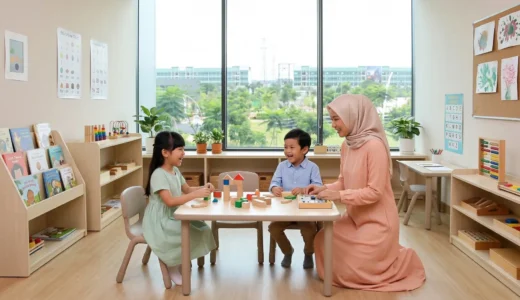
Children develop sustained attention skills through activities that naturally engage their interest while gradually extending their capacity to stay focused. This happens most effectively through structured play activities rather than forced attention tasks.
Focus-Building Play Activities:
- Puzzle activities that start simple and become more complex over time
- Building projects with blocks or Legos that require sustained attention to complete
- Art projects that involve multiple steps and take time to finish
- Nature scavenger hunts that require careful observation and memory
- Simple board games that require following rules and taking turns
- Cooking or baking projects that involve waiting and following sequences
The magic happens when children become so engaged in an activity that they naturally extend their attention span without realizing they’re working on focus skills. This intrinsic motivation to complete interesting tasks builds the neural pathways that support sustained attention in academic and social situations.
Age-Appropriate Memory Enhancement Techniques
For Toddlers and Pre-Nursery Children
Improving child memory and focus for very young children focuses on building the foundation skills that will support more complex memory and attention abilities later. At this age, memory and attention development happens through sensory experiences, repetition, and emotional connection.
Children ages 18 months to 3 years learn and remember through their whole bodies, not just their minds. They need to touch, move, hear, and see information in order to process and retain it effectively. This is why traditional “sit still and listen” approaches don’t work well for toddlers, but active, multisensory experiences can capture their attention and support memory development.
Toddler Memory and Focus Strategies:
- Use songs and rhymes to help children remember routines and information
- Create visual schedules with pictures to support memory for daily activities
- Practice simple “follow the leader” games that require attention and copying
- Read the same favorite books repeatedly to build memory through familiarity
- Use physical movements to accompany learning activities and help with retention
For Nursery and Kindergarten Children
As children develop, we can introduce more sophisticated strategies for improving child memory and focus while still respecting their developmental needs and learning styles. Children ages 3 to 6 can handle slightly more complex memory tasks and longer periods of sustained attention, but they still need concrete, engaging approaches.
This is the age when children can start learning explicit memory strategies like chunking information into smaller pieces, using visual associations to remember facts, and creating simple mental images to support recall. However, these strategies need to be taught through playful, hands-on activities rather than abstract instruction.
Advanced Memory and Focus Techniques:
- Teach simple categorization skills to help organize and remember information
- Use visual storytelling to help children remember sequences and events
- Practice “mindful attention” activities like meditation or yoga designed for children
- Introduce simple planning and organization skills through daily routine management
- Create memory aids like picture schedules and visual reminders for important information
Creating Supportive Environments for Memory and Focus
Physical Environment Setup
The physical environment plays a crucial role in supporting children’s developing memory and attention skills. Children are easily distracted by visual clutter, noise, and environmental chaos, which interferes with their ability to process and retain information effectively.
Memory and Focus-Friendly Environment Elements:
- Organized, clutter-free spaces that minimize visual distractions
- Consistent locations for important items so children can develop spatial memory
- Good lighting and comfortable seating that supports alertness without strain
- Quiet zones designated specifically for focused activities and learning
- Visual cues and reminders that support memory without overwhelming the space
- Easy access to materials children need for independent learning and play
The goal is creating environments that support children’s natural learning processes rather than fighting against them. When children don’t have to work against environmental distractions, they can dedicate more mental energy to building memory and focus skills.
Routine and Structure Support
Consistent routines and predictable structures dramatically improve children’s ability to remember information and sustain attention because they reduce the cognitive load required for daily navigation. When children know what to expect and when to expect it, they can focus their mental energy on learning rather than figuring out what’s supposed to happen next.
Routine Elements That Support Memory and Focus:
- Predictable daily schedules with clear transitions between activities
- Consistent signals and cues that help children remember what comes next
- Regular practice times for memory and attention skills built into daily routines
- Clear expectations and boundaries that children can remember and follow
- Celebration and recognition of memory and focus improvements to maintain motivation

Image Source: Canva
Building Long-Term Cognitive Skills
Preparing Your Child for International School Admission
For families considering international school options, strong memory and focus skills become essential for academic success. International schools often expect higher levels of independence, sustained attention, and information processing than many children have developed through traditional approaches.
Our comprehensive programs at Apple Tree Pre-School BSD across all age groups specifically build the memory and focus skills that children need for academic success in competitive educational environments. The Singapore curriculum we follow emphasizes critical thinking, sustained attention, and information processing skills that naturally support strong memory and focus development.
Children who enter international schools with well-developed memory and attention skills adapt more quickly to academic demands and experience less stress during the transition to more formal learning environments.
Improving child memory and focus is a gradual process that requires patience, understanding, and approaches that work with children’s natural development rather than against it. The most successful families focus on building strong foundations through enjoyable, engaging activities rather than pushing children beyond their developmental capacity.
Ready to help your child develop stronger memory and focus skills? We understand how important these cognitive abilities are for lifelong learning success. Our experienced educators specialize in building memory, attention, and concentration skills through developmentally appropriate, engaging activities. Send us a WhatsApp message or give us a call at +62 888-1800-900.
Come play and learn with other children, because strong minds are built through joyful learning experiences!