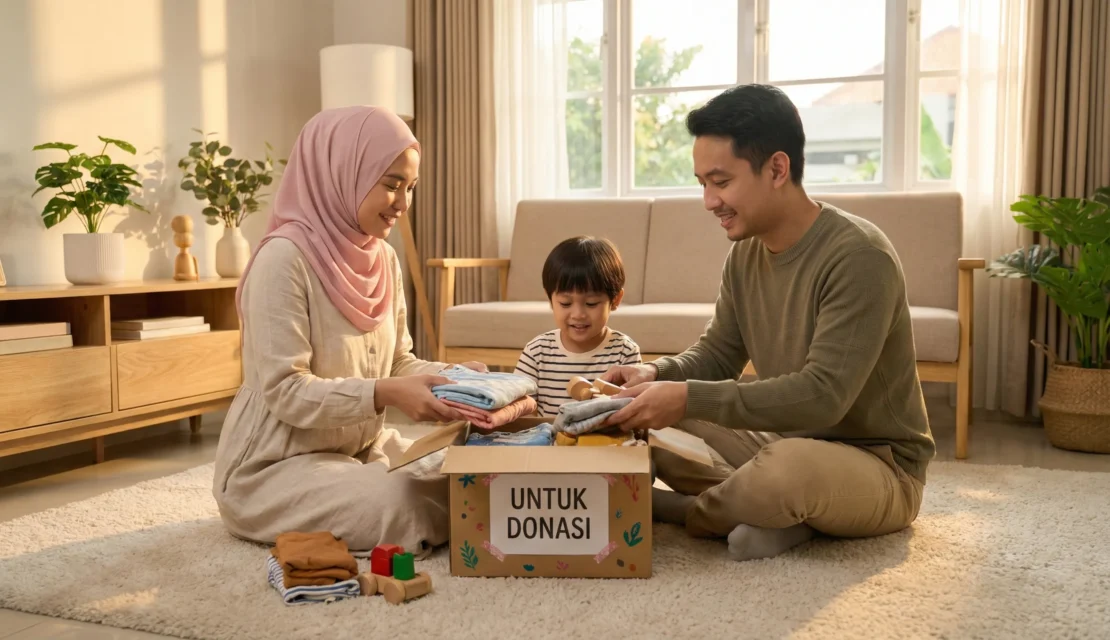
Your preschooler watches you sort through clothes for donation and asks, “Why are we giving our things away?” It is a simple question with a profound answer, and suddenly you realize explaining zakat for kids is trickier than expected. How do you help young minds understand the concept of obligatory giving without overwhelming them with details they cannot grasp yet?
At Apple Tree Pre-School BSD, located in the Educenter BSD Building, we believe that planting seeds of generosity early creates compassionate adults later. Teaching zakat for kids does not require complicated lectures or formal lessons. Instead, it involves simple conversations, hands on experiences, and modeling the behavior you want your children to embrace.
Why Teaching Zakat For Kids Matters
Children are naturally generous when given the opportunity. Watch any toddler offer their beloved snack to a crying friend, and you will see pure, unlearned kindness in action. Teaching zakat for kids builds on this innate generosity by giving it purpose, structure, and spiritual meaning.
When children understand that sharing is not just nice but actually expected and beneficial, they develop a deeper relationship with giving. This foundation shapes their character and prepares them to fulfill this important pillar of Islam when they grow older.
The early years are the perfect time to introduce these concepts because young minds are open, curious, and eager to participate in family traditions. By making zakat understandable and engaging, you set your child up for a lifetime of meaningful giving.
How To Explain Zakat For Kids In Simple Terms
Complex theological explanations will fly right over your preschooler’s head. Instead, use language and concepts they already understand. Here are our favorite approaches that actually work with young children.
1. Use The Sharing Concept They Already Know
Preschoolers understand sharing because they practice it daily with toys, snacks, and attention. Frame zakat as a special kind of sharing that Allah asks us to do.
Simple explanations that work:
- “When Allah gives us many blessings, He asks us to share some with people who have less.”
- “Zakat is like sharing our extra cookies with friends who do not have any cookies.”
- “Allah loves it when we help others, and zakat is one way we can help.”
- “Just like we share toys at school, families share money and things to help people in need.”
Keep explanations short and repeat them often. Children learn through repetition, so do not worry if you need to explain the same concept multiple times throughout Ramadan.
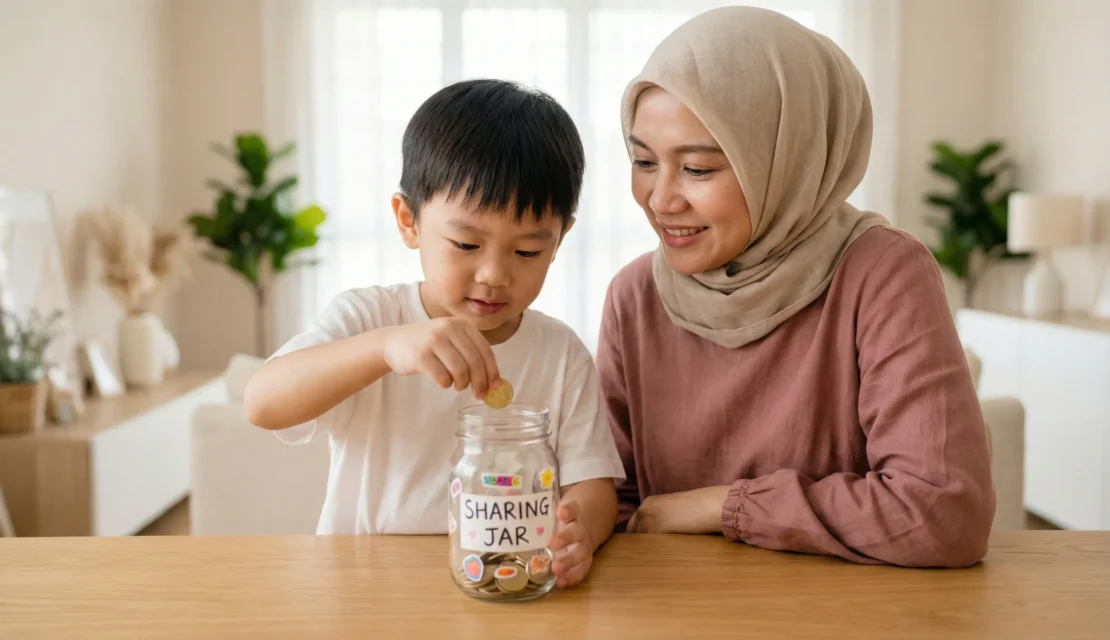
2. Make It Visual With A Sharing Jar
Abstract concepts become concrete when children can see and touch them. Create a special zakat or sharing jar that your child can interact with regularly.
Decorate a clear jar together with stickers, glitter, or paint. Each time your family sets aside money for zakat, let your child drop coins into the jar. Watching the jar fill up helps children visualize their contribution to helping others.
At Apple Tree Pre-School BSD, we use similar visual tools to teach abstract concepts. When children can see their progress, they understand and engage with ideas much more effectively.
3. Read Stories About Generosity And Giving
Stories are incredibly powerful teachers for young children. Books about sharing, helping others, and zakat specifically help reinforce concepts in engaging ways.
Helpful story themes to look for:
- Characters who share with those in need
- Tales about the rewards of generosity
- Stories featuring children helping in their communities
- Islamic picture books about Ramadan and zakat
- Fables about kindness coming back to the giver
After reading, ask simple questions like “How did the character help?” or “How do you think sharing made them feel?” These discussions deepen understanding without feeling like a quiz.
4. Let Them Choose Items To Give
Involving children in the actual giving process makes zakat personal and meaningful. This hands on experience teaches more than any explanation ever could.
Steps to involve your child:
- Walk through their toy collection together and discuss items they no longer use
- Let them choose gently used clothes that no longer fit
- Visit a donation center together so they can see where items go
- Allow them to hand donations directly to recipients when safe and appropriate
- Praise their choices and explain how the items will help other children
When children physically participate in giving, they develop emotional connections to the act of charity. They begin to see themselves as helpers, which becomes part of their identity.
5. Connect Zakat To Gratitude
Help your child understand that zakat comes from a place of thankfulness for what we have. This connection between gratitude and giving creates a healthy relationship with both concepts.
Before discussing what to give, talk about what you have been given. Count blessings together, whether that means toys, food, a warm home, or loving family members. When children feel grateful, giving feels natural rather than like a sacrifice.
6. Explain Who Zakat Helps
Young children are naturally empathetic and respond strongly to understanding that real people benefit from their giving. Use age appropriate language to explain who receives zakat.
Talk about children who do not have enough food for iftar, families who cannot buy new clothes for Eid, or people who need help paying for school. Keep descriptions gentle and hopeful, focusing on how zakat makes things better rather than dwelling on sadness.
Tips For Teaching Zakat To Preschoolers
Keep these guidelines in mind as you introduce this important concept:
- Start simple and build gradually. Do not try to explain everything at once. Introduce one aspect of zakat at a time throughout Ramadan.
- Model generosity daily. Children learn more from watching you than listening to you. Let them see you giving cheerfully.
- Celebrate their giving spirit. Praise efforts enthusiastically. Say things like “Allah is so happy when you share!” or “You are such a wonderful helper!”
- Avoid guilt or pressure. Giving should feel joyful, not obligatory. Never force children to give away items they are not ready to part with.
- Make it a family activity. When everyone participates in zakat together, it becomes a cherished tradition rather than a solitary lesson.
The Lasting Benefits Of Teaching Zakat Early
Children who learn about zakat from a young age develop stronger empathy, better emotional regulation, and deeper spiritual connections. Our programs at Apple Tree Pre-School BSD incorporate character development throughout the curriculum because we see firsthand how early lessons shape lifelong values.
Teaching zakat for kids is really about teaching them who they want to become. Generous children grow into generous adults who contribute positively to their communities.
Frequently Asked Questions About Zakat For Kids
At what age should I start teaching zakat? You can begin introducing simple concepts as early as two or three years old. Focus on sharing and helping others first, then gradually add the Islamic context as understanding grows.
Should young children give from their own money? If your child has a small allowance or money gifts, letting them contribute a portion teaches responsibility. However, the amount matters less than the act of participation.
How do I explain zakat without making my child feel guilty for having things? Frame giving as a blessing and privilege rather than an obligation born from guilt. Emphasize that sharing makes Allah happy and helps us feel good inside.
What if my child does not want to give away their toys? Respect their boundaries while gently encouraging. Start with items they care less about and celebrate small acts of giving. Forced generosity teaches the wrong lesson.
Raising Generous Hearts Together
Teaching zakat for kids plants seeds of compassion, gratitude, and spiritual awareness that blossom throughout their lives. Through simple explanations, hands on activities, and consistent modeling, you can help your preschooler understand and embrace this beautiful pillar of Islam.
At Apple Tree Pre-School BSD, we partner with parents to nurture children who are not only academically prepared but also kind, empathetic, and connected to their values. Our warm, supportive environment helps every child flourish.Want to learn more about how we support character development alongside academic growth? We would love to meet your family and share our approach. Reach out via WhatsApp at +62 888-1800-900 or give us a call. Come play and learn with other children at Apple Tree Pre-School BSD!