Yesterday afternoon, something beautiful happened during our “quiet time” at Apple Tree Pre-School BSD. Five-year-old Maya, who usually bounces around like a pinball machine, sat perfectly still for three whole minutes, just listening to her breathing. When she opened her eyes, she whispered, “Miss, I could hear my heart being happy.” In that moment, we were reminded of something profound: children are natural mindfulness practitioners when given the right tools and gentle guidance.
Here’s what we’ve discovered after years of incorporating mindfulness into our daily routines at the Educenter BSD Building. Young children don’t need complex meditation techniques or philosophical explanations about inner peace. They need simple, playful approaches that help them tune into their bodies, emotions, and surroundings in ways that feel natural and fun.
The beauty of mindfulness for children lies in its simplicity. When we teach children to pause, breathe, and notice what’s happening right now, we’re giving them tools that will serve them for life. These aren’t just strategies for managing big emotions or reducing anxiety, though they certainly help with that. They’re ways of helping children develop self-awareness, empathy, and the ability to find calm in an increasingly busy world.
Understanding Mindfulness for Young Learners
Mindfulness for children doesn’t look like adults sitting cross-legged in silent meditation. It’s much more dynamic, creative, and often involves giggles. At its core, mindfulness is about paying attention to the present moment without judgment, and children are already experts at this when they’re not overwhelmed or overstimulated.
Think about how a three-year-old can become completely absorbed in watching a butterfly or how they notice details that adults miss entirely. That’s mindfulness in action. Our job as educators and parents is to help them recognize and cultivate these natural moments of presence while teaching them how to return to this state when they need it most.
We’ve learned that the most effective mindfulness practices for young children are concrete, sensory-based, and often involve movement. Abstract concepts like “emptying your mind” don’t resonate with four-year-olds, but “breathing like a sleeping bear” or “listening to all the sounds around you like a detective” absolutely does.
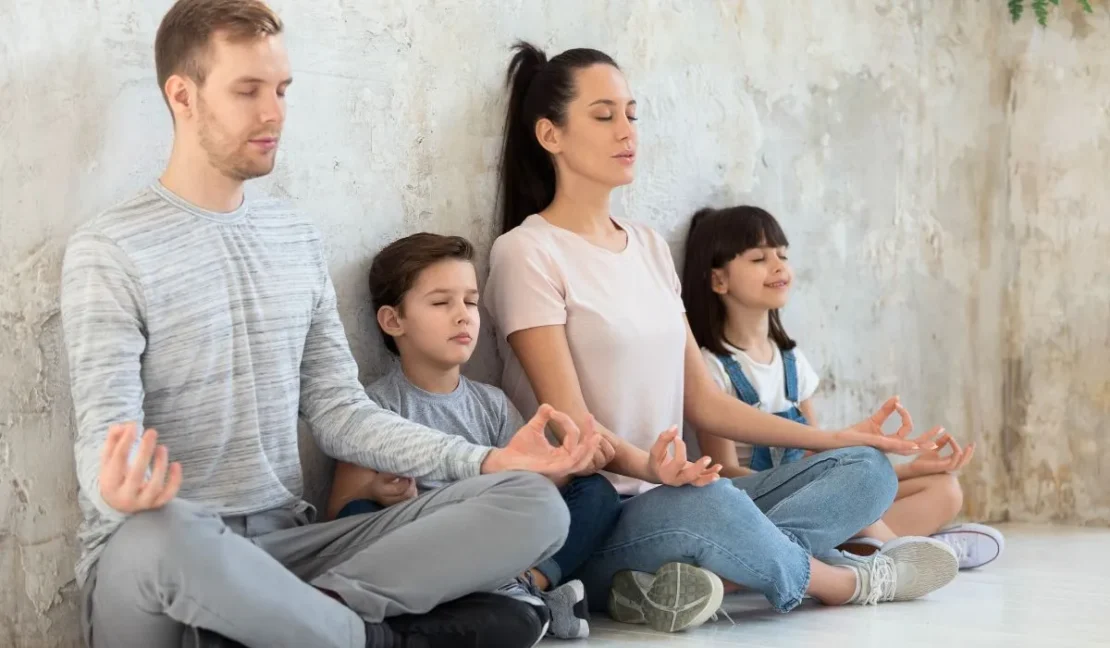
Image Source: Canva
Breathing Games That Actually Work
Animal Breathing Adventures
Children love pretending to be animals, and we’ve discovered that animal-inspired breathing exercises are incredibly effective for teaching breath awareness. Our “bunny breaths” involve quick, gentle sniffs followed by one long exhale, while “snake breathing” involves slow, steady hisses that help children naturally extend their out-breath.
The “bear breath” has become a classroom favorite. Children place their hands on their bellies and breathe slowly and deeply, imagining they’re bears preparing for winter hibernation. This exercise naturally engages their diaphragm and helps them feel the physical sensation of calm, deep breathing.
We often create entire stories around these breathing exercises, with children transforming into different animals throughout a mindful adventure. This narrative approach keeps them engaged while subtly teaching important self-regulation skills.
Rainbow Breathing Visualization
This colorful approach to breath work captures children’s imagination while teaching them to use visualization as a calming tool. Children imagine breathing in different colors, each associated with specific feelings or qualities. Breathing in blue for calm, green for growth, or yellow for happiness gives them concrete images to focus on.
The magic happens when children start using these techniques independently. Last week, we watched a child use “blue breathing” to calm himself after a playground disagreement, demonstrating how these simple tools can become lifelong coping strategies.
Sensory Mindfulness Activities
Mindful Listening Games
Our “sound detective” activities help children develop focused attention while exploring their auditory environment. We start with obvious sounds like a bell or rain stick, then gradually help them notice subtler sounds like air conditioning, distant traffic, or their own heartbeat.
The “listening walk” takes this concept outdoors, where children practice identifying and categorizing different sounds they encounter. These activities naturally develop concentration skills while teaching children to tune into their environment in new ways.
We love the “sound sandwich” activity, where children close their eyes and try to identify layers of sound, from the most obvious to the most subtle. This practice helps develop both attention skills and sensory awareness.
Touch and Texture Explorations
Mindful touch activities help children connect with their sense of feeling while developing present-moment awareness. Our “mystery texture box” contains various materials with different textures, temperatures, and weights that children explore mindfully.
Simple activities like feeling different fabrics, exploring natural materials, or even mindfully touching their own hands help children develop body awareness and sensory mindfulness. These experiences ground them in physical sensations and provide anchors for returning to the present moment.
Movement-Based Mindfulness
Yoga-Inspired Stretches and Poses
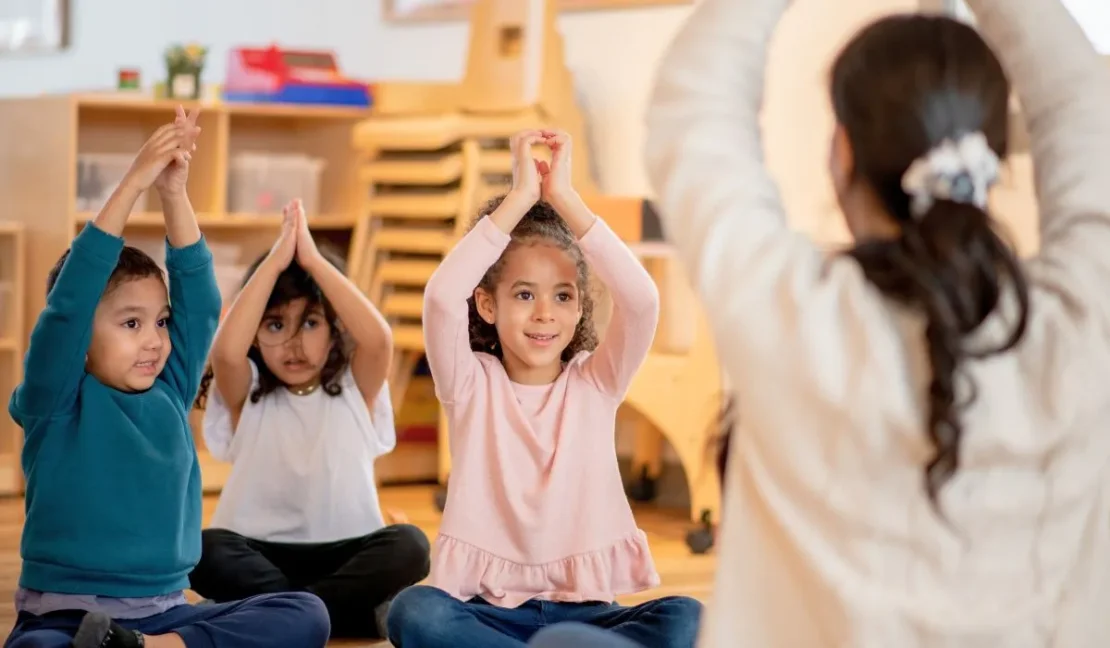
Child-friendly yoga poses provide perfect opportunities for combining movement with mindfulness. Our students love animal poses like “cat-cow stretches” and “downward-facing dog,” which naturally encourage body awareness and breath connection.
We’ve created simple sequences that tell stories, with children moving through different poses while following a narrative. This approach keeps them engaged while teaching them to notice how their bodies feel in different positions and movements.
The key is keeping these activities playful rather than rigid. When children enjoy the process, they’re more likely to internalize the mindfulness aspects and use these tools independently.
Walking Meditation for Little Feet
Teaching children to walk mindfully might sound challenging, but we’ve found that turning it into a game makes it accessible and enjoyable. Our “slow motion walks” have children moving as slowly as possible while paying attention to how their feet feel with each step.
“Gratitude walks” combine movement with appreciation, with children noticing things they’re thankful for as they walk slowly around our outdoor space. These activities develop both physical awareness and positive emotional habits.
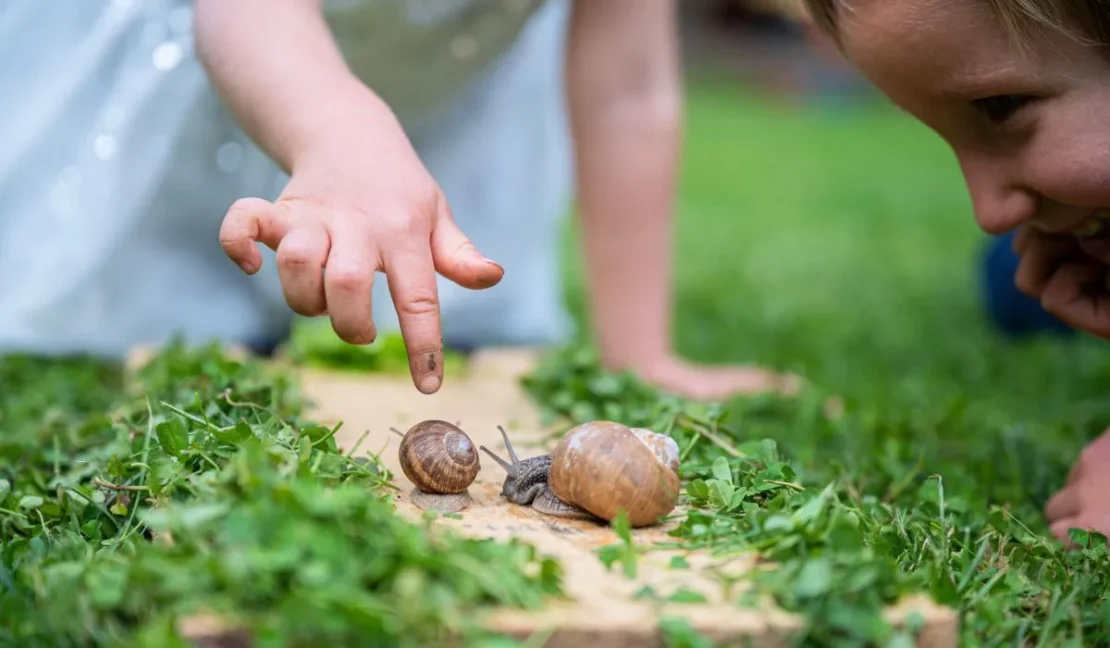
Image Source: Canva
Emotional Awareness Through Mindfulness
Feeling Check-Ins and Body Scans
Simple body scan exercises help children develop emotional intelligence by teaching them to notice physical sensations associated with different feelings. Our “weather report” check-ins have children describing their internal emotional climate using weather metaphors.
We practice “feeling finder” exercises where children scan their bodies to notice tension, relaxation, warmth, or other sensations. This helps them recognize early signs of emotional states and develops self-awareness that supports emotional regulation.
Loving-Kindness for Little Hearts
Age-appropriate loving-kindness practices help children develop empathy and positive emotional habits. We start with sending kind thoughts to beloved pets or favorite toys, then gradually expand to family members and friends.
Our “heart hugs” exercise has children wrapping their arms around themselves while thinking kind thoughts, creating physical and emotional associations with self-compassion and care.
Simple mindfulness exercises for children offer powerful tools for developing emotional regulation, attention skills, and overall well-being. At Apple Tree Pre-School BSD, we’ve witnessed how these practices help children navigate challenges with greater resilience and approach their world with increased curiosity and calm.
The key to successful mindfulness practice with young children lies in keeping activities short, playful, and sensory-based. When children enjoy these experiences, they naturally develop skills that will support them throughout their lives.
Our comprehensive programs integrate mindfulness practices throughout the day, helping children develop self-awareness and emotional skills alongside academic learning.
Ready to help your child discover the power of mindfulness? We’d love to show you how our gentle, playful approach to mindfulness supports happy, confident learners. Send us a WhatsApp message or give us a call at +62 888-1800-900.
Come play and learn with other children, because mindful moments create magical memories!