

We live in a world where technology is a huge part of our lives, and let’s face it, kids today are growing up in a digital environment. From video games to social media, screens are everywhere. But as parents, you might wonder, “When does it go from fun to unhealthy?” The line between leisure and gaming addiction in children can sometimes be blurry. Let’s explore the signs of gaming addiction and what you can do to help your child regain balance.
At Apple Tree Pre-School BSD, located in the vibrant Educenter BSD Building, we understand that technology plays a big role in modern childhood development. But just like with any good thing, moderation is key. If you’re concerned that your child might be spending too much time in front of a screen, we’re here to break down the symptoms of gaming addiction and provide helpful treatment strategies.
What is Gaming Addiction in Children?
Before we get into the signs and treatment, it’s important to understand what gaming addiction in children really is. Simply put, gaming addiction is when a child spends an excessive amount of time playing video games, to the point where it interferes with their daily life, relationships, and overall well-being. While gaming can be fun and even educational, it becomes problematic when it’s done in excess or becomes the child’s main source of engagement.
As digital entertainment becomes more immersive, it’s not surprising that kids can get caught up in it. But when gaming starts to overshadow essential aspects of life like schoolwork, social interactions, or physical activity, it’s a red flag.
Signs of Gaming Addiction in Children
Knowing the signs of gaming addiction is crucial for any parent. It’s easy to think your child is just going through a phase, but it’s important to recognize the symptoms early on so you can take action before things spiral.
1. Obsessive Gaming Behavior
One of the first signs that your child might be developing a gaming addiction is their obsessive focus on gaming. If your child is constantly talking about games, planning when to play next, or showing an intense emotional reaction when they can’t play, it’s a sign that gaming is taking over their thoughts.
What to look for:
- Reluctance to stop playing, even when asked.
- Talking about video games non-stop.
- Constantly checking in on game updates or progress.
2. Decline in School Performance
When gaming takes priority over schoolwork, there’s often a noticeable decline in academic performance. Your child may start skipping assignments, failing to meet deadlines, or struggling to focus on schoolwork because they’re distracted by gaming.
What to look for:
- Declining grades or homework being neglected.
- Increased absenteeism or tardiness.
- Reduced interest in extracurricular activities or hobbies.
3. Withdrawal from Social Interactions
Children with gaming addiction often retreat from social interactions with family and friends. They may prefer to stay in their room playing games rather than engaging in family activities or playing outside with friends.
What to look for:
- Spending long hours isolated while gaming.
- Ignoring calls or invitations to social events.
- Not participating in family meals or outings.
4. Sleep Disruptions
If your child is playing video games late into the night or early morning hours, it can lead to severe sleep disruptions. Gaming addiction can cause your child to become more irritable and exhausted due to a lack of sleep.
What to look for:
- Trouble falling asleep at a reasonable hour.
- Frequent tiredness or irritability during the day.
- Complaints of headaches or other physical symptoms from lack of sleep.
5. Mood Swings and Aggression
Another sign of gaming addiction is mood swings or aggressive behavior, especially if they are asked to stop playing. Children may react negatively when their gaming time is interrupted or when they are forced to take a break.
What to look for:
- Increased irritability or anger.
- Throwing tantrums or acting out when asked to stop playing.
- Heightened aggression towards family members or peers.
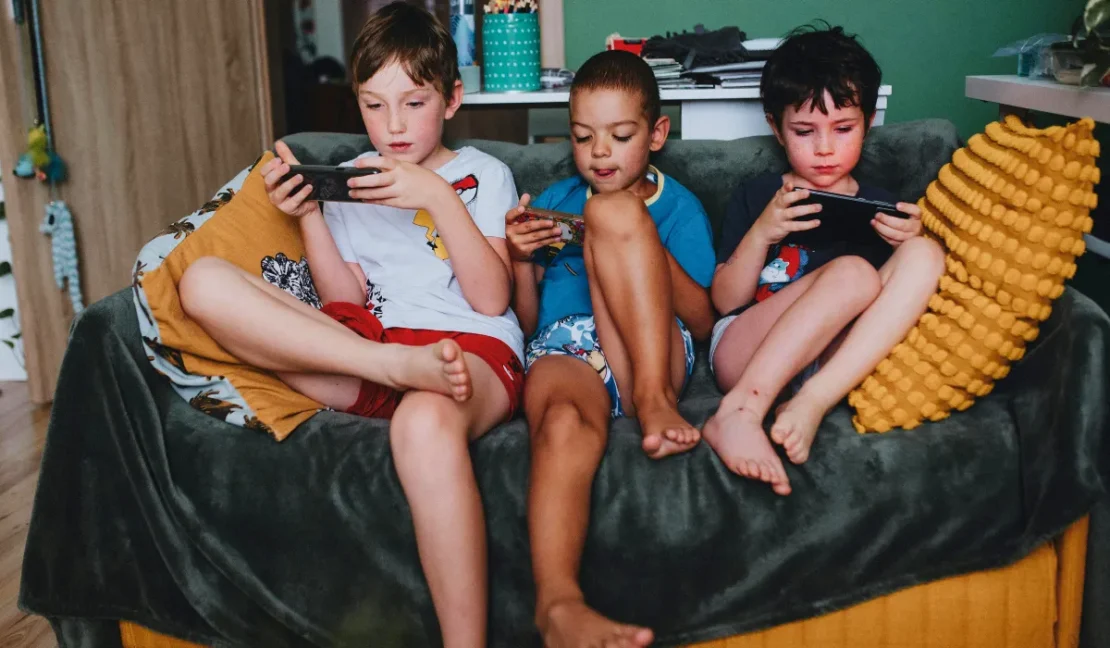
Image Source: Canva
Treatment for Gaming Addiction in Children
Once you recognize the signs of gaming addiction in children, it’s time to take action. While you may feel overwhelmed or unsure of how to help, the good news is that gaming addiction is treatable with the right approach.
1. Establish Clear Limits on Screen Time
The first step is setting clear boundaries around gaming time. Work with your child to set realistic screen time limits and enforce them consistently. The American Academy of Pediatrics recommends no more than one hour of screen time per day for children aged 2 to 5 years old.
Tips for setting limits:
- Use screen time management apps to help you control the amount of time spent gaming.
- Set specific hours during the day for gaming, such as after homework or chores are completed.
- Ensure that screen time doesn’t interfere with sleep, meals, or other important activities.
2. Encourage Physical Activity and Other Hobbies
To break the cycle of gaming addiction, it’s important to engage your child in other activities that don’t involve screens. Physical activity, in particular, is a great way to get your child moving and away from their devices.
Suggestions for alternatives:
- Encourage outdoor play like biking, hiking, or playing sports.
- Introduce creative hobbies such as drawing, building, or cooking.
- Enroll your child in a class or activity they enjoy, like music, dance, or martial arts.
3. Foster Social Interactions
If your child is withdrawing from social interactions, it’s crucial to help them reconnect with their friends and family. Encourage playdates, family game nights, or activities that can be done together to rebuild those relationships.
Ways to promote socializing:
- Arrange family outings or trips.
- Encourage group activities like board games or cooperative sports.
- Limit gaming to group or cooperative games, encouraging social interaction while gaming.
4. Seek Professional Help if Needed
In severe cases, gaming addiction may require professional help. Therapists or counselors can work with both you and your child to address the underlying issues that may be contributing to the addiction. Cognitive-behavioral therapy (CBT) is particularly effective in treating addiction by helping children understand the negative effects of excessive gaming and develop healthier coping mechanisms.
When to seek help:
- If gaming is seriously affecting your child’s mental health.
- If your child refuses to cooperate with screen time limits or becomes violent when gaming is restricted.
- If you notice other signs of distress, such as anxiety or depression.
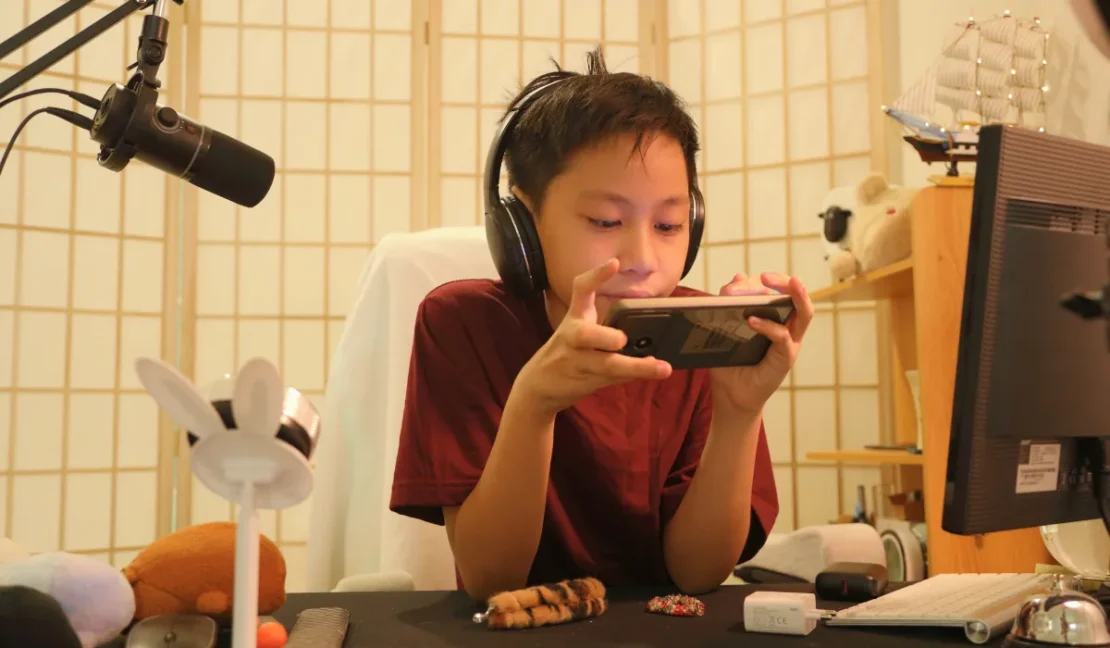
Image Source: Canva
Take Action Now: Help Your Child Overcome Gaming Addiction
The earlier you address gaming addiction in children, the better the outcome. It’s important to approach the situation with empathy and understanding, while setting clear boundaries and offering support.
At Apple Tree Pre-School BSD, we provide a balanced learning environment where children can explore both digital and non-digital activities. Our curriculum emphasizes creativity, physical activity, and social interaction, helping children develop a healthy relationship with screen time.
Register now! Join us in creating a balanced and healthy environment for your child, where fun, learning, and personal growth happen every day!
If you have any questions or need guidance on managing gaming time at home, feel free to contact us on WhatsApp or call us directly at +62 888-1800-900.