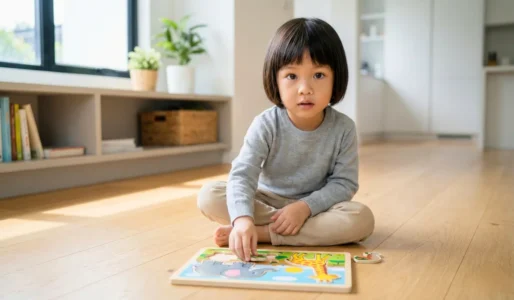

Three-year-old Arya in our Pre-Nursery class delivered the most adorable cultural mashup yesterday when he proudly announced, “Miss, saya want to main with my friends!” His seamless blend of Bahasa Indonesia and English had everyone smiling, but more importantly, it showcased something beautiful about bilingual child development. He wasn’t confused or struggling, he was confidently navigating between two languages like a tiny linguistic superhero.
This is the reality we celebrate every day at Apple Tree Pre-School BSD. Indonesian families raising children who can master both Bahasa Indonesia and English aren’t just giving their kids a language advantage, they’re opening doors to enhanced cognitive development, cultural understanding, and future opportunities that monolingual children simply don’t have access to.
Here’s what we’ve discovered after years of supporting bilingual families in the BSD community. Raising bilingual children isn’t about choosing one language over another or worrying that your child will be “confused.” It’s about embracing the incredible gift of multilingual thinking and creating environments where both languages can flourish naturally and joyfully.
The Science Behind Bilingual Brain Development
The research on bilingual child development keeps getting more exciting, and what we’re learning aligns perfectly with what we observe in our classrooms at the Educenter BSD Building. Children who grow up with two languages don’t just have double the vocabulary, they develop enhanced executive function, better problem-solving skills, and increased mental flexibility.
Bilingual children’s brains literally develop differently, creating stronger connections between different regions and building what researchers call “cognitive reserve.” This means they’re better at multitasking, switching between different concepts, and thinking creatively about solutions to problems. When four-year-old Maya seamlessly translates a story from English to Indonesian for her grandmother, she’s not just showing off language skills, she’s demonstrating advanced cognitive processing.
The critical period for bilingual development extends much longer than many parents realize. While it’s true that children acquire languages most easily during early childhood, the benefits of bilingual education continue throughout the preschool years and beyond. Our experience shows that children who maintain consistent exposure to both Indonesian and English through age six develop the strongest bilingual foundations.
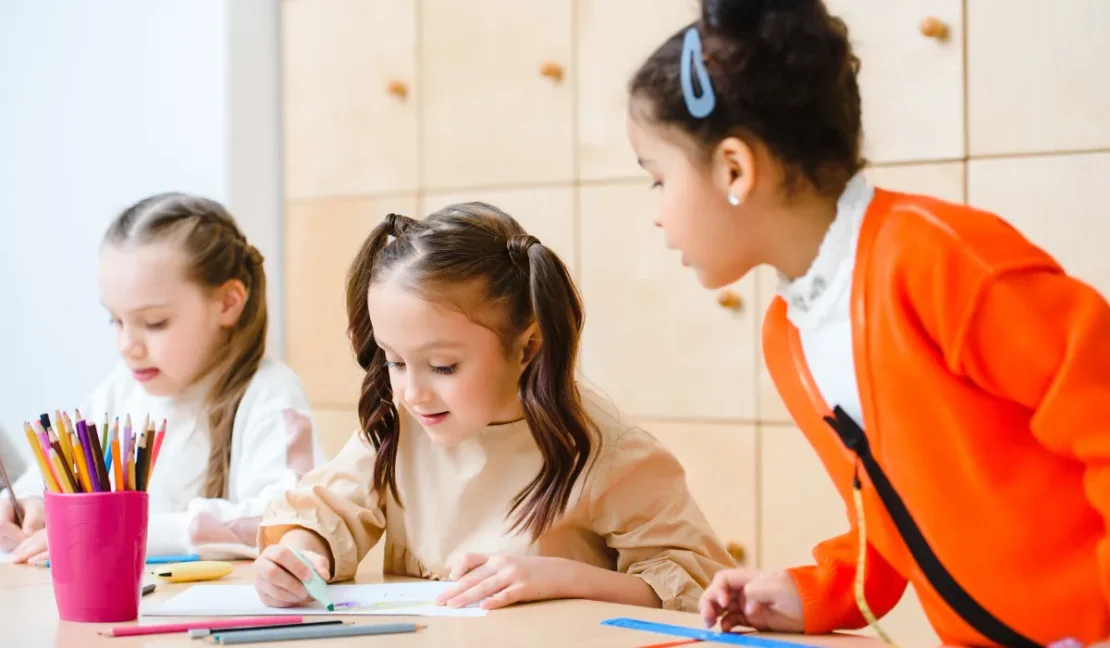
Image Source: Canva
Navigating Indonesian Cultural Values in English Learning
One of the most beautiful aspects of bilingual child development in Indonesian families is how children learn to honor cultural values while expanding their global perspectives. We see children who can express traditional Indonesian concepts of respect and community in English, creating bridges between cultures that enrich both languages.
The concept of “sopan santun” doesn’t translate directly to English, but bilingual children learn to carry these values into their English interactions, creating a unique cultural-linguistic identity that’s authentically Indonesian and globally fluent. This cultural code-switching is actually a sophisticated skill that demonstrates advanced social and linguistic intelligence.
We’ve noticed that children who maintain strong connections to Indonesian cultural practices while learning English tend to be more confident in both languages. They understand that languages aren’t just communication tools, they’re vehicles for cultural expression and identity formation.
Practical Strategies for Home Language Development
Creating Natural Language Exposure Opportunities
The key to successful bilingual child development lies in making both languages feel natural and necessary in daily life. We encourage families to designate specific times, activities, or even rooms for each language, creating consistent patterns that help children understand when and how to use each language appropriately.
Storytelling in both languages opens incredible opportunities for vocabulary development and cultural transmission. When grandparents share Indonesian folktales while parents read English bedtime stories, children receive rich linguistic input that supports both languages while connecting them to their cultural heritage.
Music and songs provide particularly powerful vehicles for language learning because rhythm and melody help children remember vocabulary and pronunciation patterns. Indonesian lullabies and English nursery rhymes each offer unique linguistic structures that support different aspects of language development.
Building Vocabulary Through Daily Routines
Daily routines offer countless opportunities for reinforcing both languages in authentic, meaningful contexts. Mealtimes become vocabulary lessons when children learn the Indonesian names for traditional foods alongside English descriptions of colors, textures, and flavors.
We encourage families to narrate daily activities in both languages, helping children build parallel vocabularies for common actions and objects. “Kita sedang menyikat gigi” followed by “We are brushing our teeth” reinforces the same concept while building linguistic connections.
Cooking traditional Indonesian dishes while discussing ingredients in English creates perfect bilingual learning opportunities. Children learn cultural traditions while expanding their English vocabulary with concrete, hands-on experiences that make both languages meaningful and memorable.
Image Source: Canva
Supporting Bilingual Development in Educational Settings
Our bilingual approach at Apple Tree Pre-School BSD integrates both Indonesian and English naturally throughout the day, supporting children who come from bilingual households while introducing monolingual children to the benefits of multilingual thinking.
During our Bahasa Indonesia lessons, we celebrate the beauty and complexity of the Indonesian language while showing children how different languages can express similar ideas in unique ways. This metalinguistic awareness, the ability to think about language itself, is one of the greatest gifts of bilingual education.
We’ve structured our Singapore-based curriculum to honor both languages, ensuring that children don’t feel they need to choose between Indonesian cultural identity and English academic success. Instead, they learn that both languages strengthen and enrich each other.
Balancing Academic Language Skills
Academic language development in both Indonesian and English requires intentional support and scaffolding. We help children develop literacy skills in both languages while understanding that the timeline and progression might differ between languages depending on home support and exposure levels.
Reading comprehension strategies work across languages, so children who learn to make predictions and connections in Indonesian stories can apply those same skills to English texts. This transfer of learning strategies is one of the most powerful advantages of bilingual child development.
Writing development in both languages often progresses at different rates, and that’s completely normal and expected. Some children develop stronger academic English while maintaining conversational Indonesian, while others show the opposite pattern. Both paths are valid and valuable.
Addressing Common Bilingual Parenting Concerns
Many Indonesian parents worry that focusing on English will diminish their children’s connection to Indonesian language and culture. Our experience shows exactly the opposite, children who develop strong bilingual skills often become more interested in exploring and preserving their cultural heritage, not less.
The temporary language mixing that many bilingual children display isn’t confusion, it’s evidence of sophisticated linguistic processing. When children create sentences that blend Indonesian and English, they’re demonstrating advanced understanding of how languages work and experimenting with communication strategies.
Some families worry about academic performance, wondering if bilingual development might slow down learning in either language. Research consistently shows that while bilingual children might have slightly smaller vocabularies in each individual language compared to monolingual peers, their total vocabulary across both languages is significantly larger, and their cognitive advantages more than compensate for any temporary vocabulary gaps.
Bilingual child development offers Indonesian families incredible opportunities to give their children cognitive advantages, cultural connections, and global perspectives that will serve them throughout their lives. At Apple Tree Pre-School BSD, we’re committed to supporting families on this beautiful journey of multilingual growth and cultural celebration.
The goal isn’t perfection in both languages, but rather confidence, curiosity, and joy in exploring how languages connect us to different communities and ways of thinking. When children feel proud of their bilingual abilities and cultural identity, they develop into confident global citizens who can navigate between worlds with ease and authenticity.
Our comprehensive programs honor Indonesian cultural values while building strong English foundations, creating the perfect environment for bilingual development and cross-cultural understanding.
Ready to give your child the gift of bilingual confidence and cultural pride? We’d love to show you how our unique approach supports both Indonesian and English development while celebrating the rich cultural heritage that makes bilingual children so special. Send us a WhatsApp message or give us a call at +62 888-1800-900.
Come play and learn with other children, because bilingual minds create bridges between cultures and open doors to infinite possibilities! 🌍📚✨