


Two weeks ago, something happened during our afternoon pickup at Apple Tree Pre-School BSD that made every parent in earshot go completely quiet. A mom was sharing how she’d overheard her seven-year-old daughter chatting away happily to someone while playing an online game, saying things like “Oh, you live near Jakarta too? That’s so cool! What school do you go to?” When the mom investigated further, she discovered her daughter had been regularly talking to a complete stranger who claimed to be “another kid” but was asking increasingly personal questions.
The silence that followed was deafening because we all realized the same thing: this could happen to any of our children. The reality is that kids talking to strangers online has become one of the most pressing safety concerns for modern parents, and it’s happening right under our noses in ways we never anticipated. What used to be a simple rule about “don’t talk to strangers” has become infinitely more complicated in the digital age.
Here’s what we’ve learned from working with families navigating online gaming safety: protecting children from online strangers isn’t about being paranoid or taking away all their fun. It’s about understanding how predators operate in gaming environments and teaching children practical skills to protect themselves while still enjoying the positive aspects of gaming.
Understanding the Risks of Kids Talking to Strangers Online
The challenge with online gaming is that it creates environments where kids talking to strangers online feels completely normal and even encouraged. Many games are designed to be social experiences where players communicate, collaborate, and build friendships. For children, this can feel like the most natural thing in the world, especially when the strangers present themselves as fellow kids.
At our location in the Educenter BSD Building, we’ve had countless conversations with parents who discovered their children had been sharing personal information, photos, or even arranging to meet people they’d met through gaming platforms. The scary part is how quickly these relationships can develop and how skilled predators have become at gaining children’s trust.
Online predators specifically target gaming platforms because children are relaxed, having fun, and more likely to let their guard down. They understand exactly how to present themselves as peers, use gaming terminology that makes them seem credible, and gradually build trust before requesting personal information or suggesting offline contact.
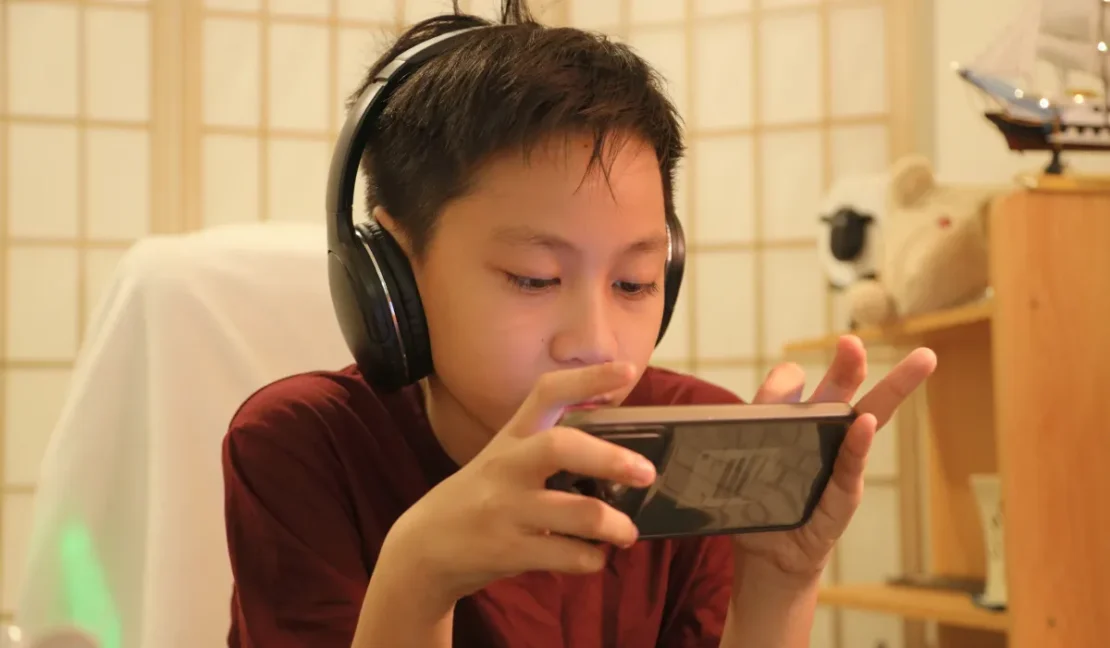
Image Source: Canva
Common Gaming Platforms Where Strangers Target Children
Popular Games with Chat Features
Understanding which platforms present the highest risks helps parents make informed decisions about their children’s gaming activities. Here are the gaming environments where kids talking to strangers online poses the greatest concern:
High-Risk Gaming Platforms:
- Roblox: Extremely popular with young children, features extensive chat functions and private messaging
- Minecraft: Multiplayer servers often have unrestricted chat features and voice communication
- Fortnite: Voice chat capabilities and friend request systems that connect players globally
- Among Us: Real-time chat during games creates intimate conversation opportunities
- Discord: While not a game itself, many children use this chat platform to communicate while gaming
Moderate-Risk Platforms:
- Mobile games with social features like messaging or friend systems
- Educational gaming platforms that include communication tools
- Streaming platforms where children can interact with viewers through comments
Red Flag Behaviors from Online Strangers
Children need to learn to recognize warning signs that an online gaming partner might not be who they claim to be. We teach families to watch for specific behaviors that indicate potential danger.
Adults posing as children often make mistakes that trained children can spot. They might use outdated slang, reference pop culture from the wrong generation, or demonstrate gaming skills that seem too advanced for their claimed age. They also typically try to move conversations away from the game itself toward personal topics like family, school, or location.
Practical Safety Strategies for Online Gaming
Creating Safe Gaming Environments
The most effective approach to protecting children from online strangers involves creating multiple layers of safety rather than relying on any single strategy. Here’s what actually works in real families:
Essential Safety Settings:
- Turn off all chat features in games whenever possible
- Use family-friendly servers with active moderation when chat is necessary
- Set up parental controls that limit who can contact your child
- Review and approve all friend requests or gaming contacts before acceptance
- Keep gaming devices in common family areas where conversations can be monitored
Communication Guidelines:
- Never share real names, ages, locations, school names, or family information
- Don’t share photos or personal details even if the person seems trustworthy
- Never agree to meet someone from online gaming in real life
- Report any inappropriate behavior or uncomfortable conversations immediately
- Always tell parents about requests for personal information or secret communication
Teaching Children to Recognize Manipulation
Children are naturally trusting and often don’t recognize when adults are using psychological manipulation to gain their confidence. We need to explicitly teach them about common tactics that online predators use to build relationships with potential victims.
Predators often use flattery, special attention, and gift-giving within games to make children feel special and chosen. They might offer rare game items, special access to exclusive content, or excessive praise for gaming skills. Teaching children that these tactics are warning signs helps them maintain appropriate skepticism about online relationships.
Another common manipulation tactic involves creating artificial urgency or secrecy. Predators might say things like “Don’t tell your parents about our friendship, they wouldn’t understand” or “I need you to send me that information right now or something bad will happen.” Children need to understand that legitimate friendships never require secrecy from parents.
Building Open Communication About Online Safety
Creating Safe Spaces for Discussion
The most important protection we can provide children is creating family environments where they feel comfortable reporting uncomfortable or confusing online interactions without fear of punishment or losing gaming privileges.
Many children don’t report concerning online interactions because they’re afraid their parents will take away their gaming privileges entirely. We need to reassure children that reporting suspicious behavior will be met with support and problem-solving, not automatic punishment. This requires parents to manage their own emotional reactions and respond constructively rather than panic when children bring them concerning information.
Regular check-ins about online gaming experiences should feel normal and non-threatening rather than like interrogations. Ask open-ended questions about who they played with, what they talked about, and whether anything made them feel uncomfortable. These conversations should happen routinely, not just when parents suspect problems.
Teaching Appropriate Response Skills
Children need specific scripts and strategies for handling uncomfortable situations with online strangers rather than just general warnings about being careful. We practice specific phrases and responses they can use when someone asks inappropriate questions or makes them feel uncomfortable.
Simple responses like “I don’t share personal information online,” “I need to ask my parents about that,” or “I only play games, I don’t chat about personal stuff” give children concrete tools for handling difficult situations. Role-playing these scenarios helps children feel more confident about using these responses when they’re actually needed.
Monitoring and Technology Solutions
Effective Parental Controls
While technology solutions aren’t sufficient on their own, they provide valuable backup protection when combined with education and open communication. Most gaming platforms offer parental control features, though they vary significantly in effectiveness and ease of use.
Router-level filtering can provide additional protection by blocking access to certain types of gaming platforms or limiting gaming to specific times of day. However, tech-savvy children often find ways around these restrictions, which is why education and communication remain the most important protective factors.
Consider using family safety apps that monitor gaming communications and alert parents to potentially concerning conversations. These tools work best when children understand they’re being used for safety rather than surveillance, and when parents use the information to start conversations rather than impose punishments.
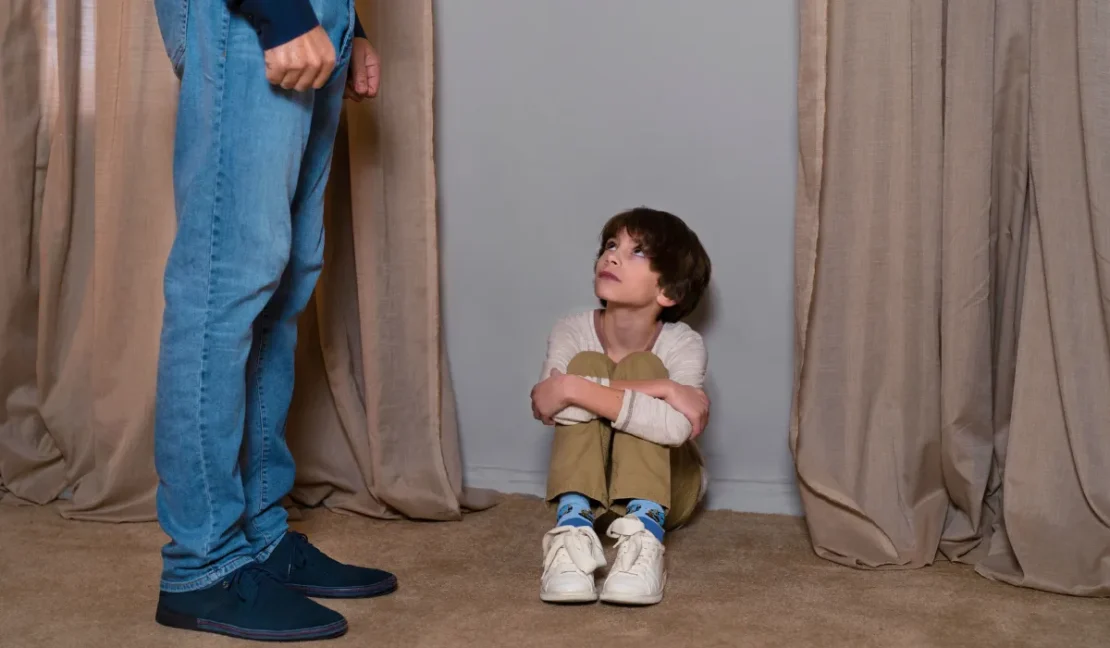
Image Source: Canva
Building Long-Term Digital Citizenship
Protecting children from online strangers in gaming is part of the broader goal of raising digitally literate, safety-conscious kids who can navigate online spaces independently as they mature. The skills they learn about recognizing manipulation, setting boundaries, and seeking help when needed will serve them throughout their digital lives.
At Apple Tree Pre-School BSD, our programs across all age groups emphasize critical thinking, communication skills, and personal safety awareness that naturally translate to online environments. Children who develop strong real-world social skills and safety awareness are better equipped to recognize and avoid online dangers.
Concerned about keeping your child safe while gaming online? We understand how overwhelming online safety can feel for parents. Our experienced educators specialize in building critical thinking skills, safety awareness, and communication abilities that help children navigate both real-world and digital environments safely. Send us a WhatsApp message or give us a call at +62 888-1800-900.
Come play and learn with other children, because real-world friendships are always the safest kind!