
Six-year-old Adeline from our Kindergarten 2 class recently aced her international school interview with a confidence that left the admissions team thoroughly impressed. When asked about her favorite subject, she didn’t just say “English,” she explained how she loves creating stories because “words are like building blocks that make pictures in people’s minds.” That articulate, thoughtful response perfectly demonstrates what preparing your child for international school admission really achieves: developing confident, well-rounded learners who can express themselves clearly and think critically about their world.
At Apple Tree Pre-School BSD, we’ve guided countless families through successful international school transitions, and we’ve learned that preparation goes far beyond academic readiness. The children who thrive in international school environments are those who’ve developed strong communication skills, cultural awareness, and the confidence to engage with diverse learning opportunities.
Here’s what we’ve discovered about truly preparing children for international school success. It’s not about cramming advanced academics or drilling test-taking strategies. Instead, preparing your child for international school admission means nurturing curious, adaptable learners who can communicate effectively, think independently, and embrace new challenges with enthusiasm and resilience.
Understanding International School Expectations
International schools look for students who demonstrate readiness for rigorous, globally-minded education that emphasizes critical thinking, creativity, and cross-cultural understanding. In our experience at the Educenter BSD Building, we’ve seen how our Singapore curriculum naturally aligns with these expectations by fostering analytical thinking and multicultural awareness from an early age.
Academic foundation remains important, but international schools place equal emphasis on social-emotional development, communication skills, and cultural competency. Children who can collaborate effectively, express their ideas clearly, and show genuine curiosity about different cultures and perspectives stand out during admission processes.
The assessment process typically includes informal observations, structured activities, and conversations that reveal children’s thinking processes, social skills, and learning attitudes. Schools want to see how children approach new challenges, interact with peers, and communicate their thoughts and feelings.
International schools particularly value students who demonstrate intrinsic motivation and joy in learning rather than those who simply follow instructions or memorize information. Children who ask thoughtful questions, make connections between different subjects, and show genuine enthusiasm for exploration typically excel in these environments.
Academic Readiness Standards
While international schools don’t expect incoming students to be academic superstars, certain foundational skills significantly support successful transitions. Strong phonetic awareness, basic mathematical reasoning, and age-appropriate literacy skills provide essential building blocks for more advanced learning.
English language proficiency becomes crucial since most international schools use English as the primary language of instruction. However, schools look for communication competence and willingness to engage rather than perfect grammar or extensive vocabulary. Children who can express their needs, share their ideas, and participate in conversations demonstrate the language readiness schools seek.
Critical thinking skills often matter more than specific academic knowledge. Schools want students who can analyze information, make connections, and approach problems from multiple angles. When children can explain their reasoning and consider different perspectives, they show intellectual readiness for international education.
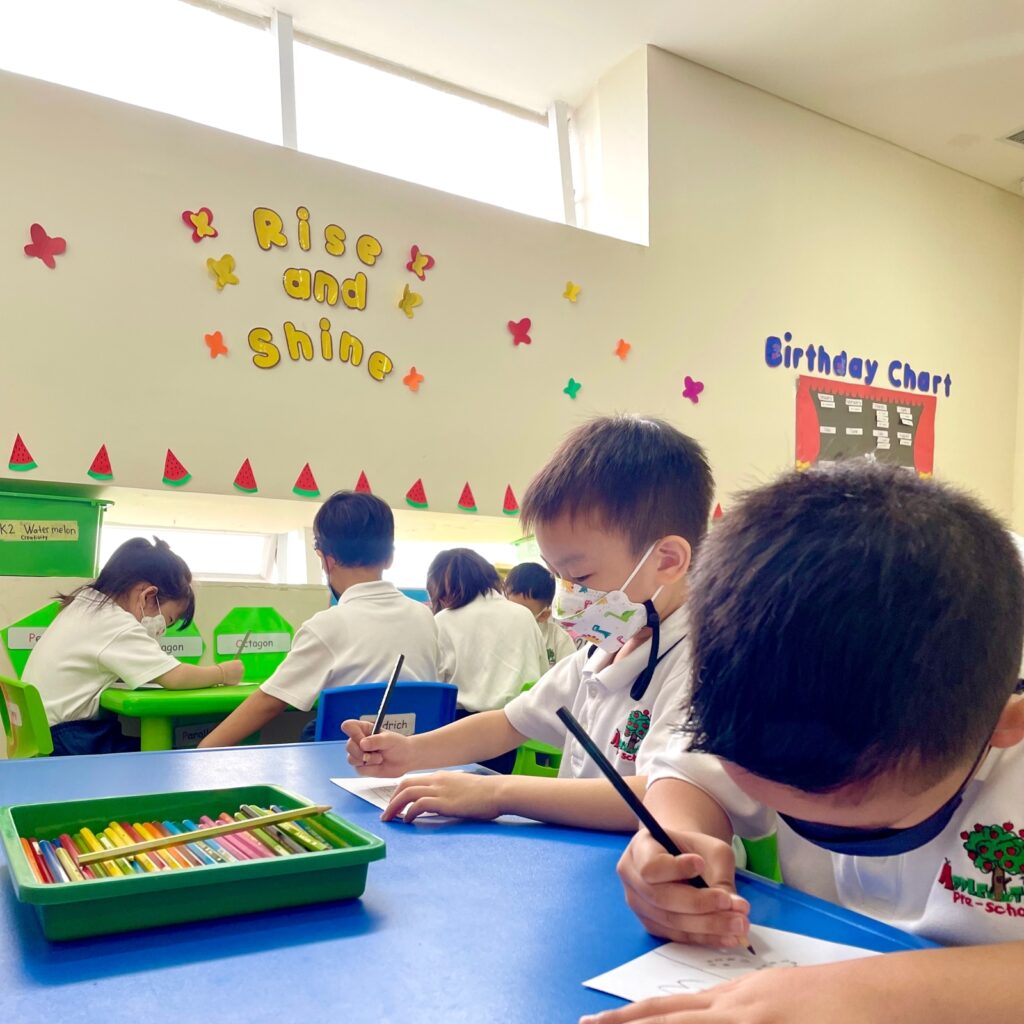
Social and Emotional Development Indicators
International schools highly value students who demonstrate emotional intelligence, empathy, and social competence. Children who can recognize and manage their own emotions while understanding others’ feelings typically adapt more successfully to diverse classroom environments.
Independence and self-advocacy skills become essential as children navigate more complex academic and social demands. Students who can ask for help when needed, take responsibility for their belongings, and manage basic self-care tasks show readiness for international school expectations.
Adaptability and resilience particularly matter in international school contexts where children encounter different teaching styles, cultural perspectives, and academic challenges. Schools look for students who approach new situations with curiosity rather than anxiety and can recover from setbacks with appropriate support.
Building Essential Communication Skills
Preparing your child for international school admission requires developing both verbal and non-verbal communication competencies that support success in multicultural environments. We focus on helping children articulate their thoughts clearly, listen actively to others, and express themselves confidently in various social situations.
Storytelling abilities demonstrate language development, creativity, and organizational thinking that international schools highly value. Children who can narrate personal experiences, describe their interests, and explain their reasoning show communication readiness that extends beyond basic conversational skills.
Questioning skills reveal intellectual curiosity and engagement that international schools actively seek. When children ask thoughtful questions about new information, seek clarification when confused, and show genuine interest in learning more, they demonstrate attitudes that predict academic success.
We also emphasize non-verbal communication awareness, helping children understand how body language, facial expressions, and personal space considerations affect social interactions across different cultural contexts.
Developing Cross-Cultural Competence
International schools expect students to engage respectfully with peers from diverse backgrounds, making cultural sensitivity and global awareness crucial preparation areas. We help children develop appreciation for different traditions, languages, and perspectives while maintaining pride in their own Indonesian heritage.
Language learning attitudes become particularly important as most international schools encourage multilingual development. Children who show curiosity about different languages and comfort with linguistic diversity adapt more easily to international school environments.
Understanding and respecting different customs, celebrations, and family structures helps children navigate the multicultural communities they’ll encounter in international schools. We practice these skills through classroom activities that explore various cultural traditions and perspectives.
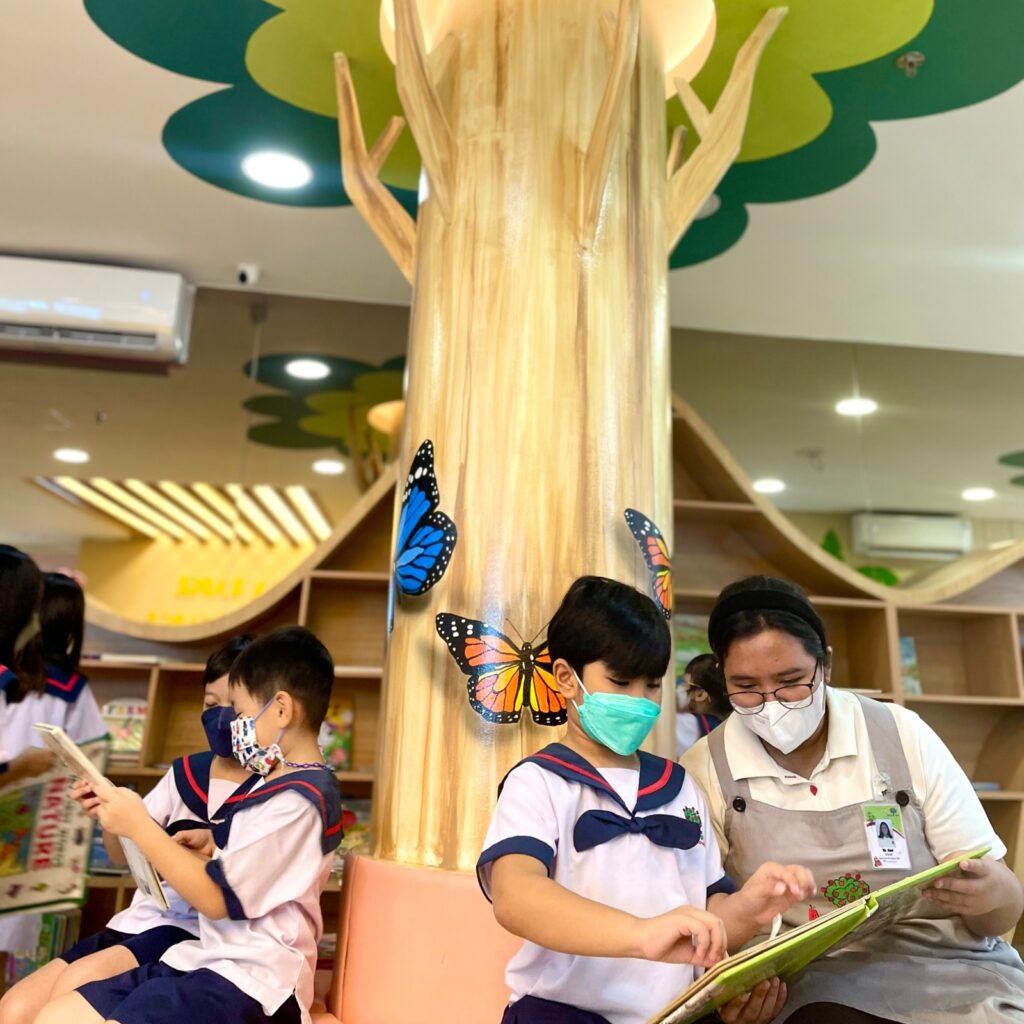
Strategic Academic Foundation Building
Our Singapore curriculum provides excellent preparation for international school academic expectations by emphasizing conceptual understanding, problem-solving strategies, and interdisciplinary connections. Children develop mathematical reasoning, scientific inquiry skills, and literacy competencies that transfer seamlessly to international school contexts.
Project-based learning experiences help children develop research skills, presentation abilities, and collaborative competencies that international schools value highly. When children can plan investigations, gather information, and share findings with others, they demonstrate academic readiness beyond basic subject knowledge.
Creative expression through art, music, and dramatic play supports the well-rounded development that international schools seek. Children who can express themselves through multiple mediums and appreciate aesthetic experiences show the cultural literacy that enhances international education.
Assessment and Portfolio Preparation
Many international schools use portfolio-based assessments that showcase student growth and learning processes rather than single test scores. We help families document children’s development through work samples, photos, and reflection pieces that demonstrate progress over time.
Practice with different assessment formats helps children feel comfortable with various evaluation approaches they’ll encounter in international schools. Exposure to hands-on activities, verbal explanations, and creative demonstrations builds assessment confidence.
Understanding how to present their best work and reflect on their learning helps children succeed in international school environments that emphasize metacognition and self-assessment. We teach children to think about their thinking and articulate their learning processes.
Interview and Interaction Readiness
International school admission processes often include informal interviews or play-based observations where children interact with school staff and potential classmates. We help children develop the social confidence and communication skills needed for these interactions.
Practicing conversation skills, appropriate greetings, and polite interaction helps children feel comfortable during school visits and assessment activities. Role-playing different scenarios builds confidence while maintaining authentic personality expression.
Teaching children to ask their own questions about potential schools helps them become active participants in the admission process rather than passive subjects of evaluation. This engagement demonstrates the intellectual curiosity international schools value.
Preparing your child for international school admission involves developing the whole child rather than focusing solely on academic achievement. At Apple Tree Pre-School BSD, we understand that successful international school candidates are confident communicators, curious learners, and culturally aware individuals who approach new challenges with enthusiasm and resilience.
The goal isn’t to transform your child into someone different but rather to nurture their natural abilities while building essential skills for success in diverse, academically rigorous environments. When children develop strong foundations in communication, critical thinking, and cultural competence, they’re prepared not just for admission but for thriving throughout their international school journey.
Our comprehensive programs align perfectly with international school expectations while honoring Indonesian cultural values, creating ideal preparation for families considering international education options.
Ready to give your child the strong foundation they need for international school success? We’d love to show you how our holistic approach develops confident, capable learners who excel in diverse educational environments. Send us a WhatsApp message or give us a call at +62 888-1800-900.
Come play and learn with other children, because international school readiness starts with confident, curious, and culturally aware young learners! 🌍📚✨