

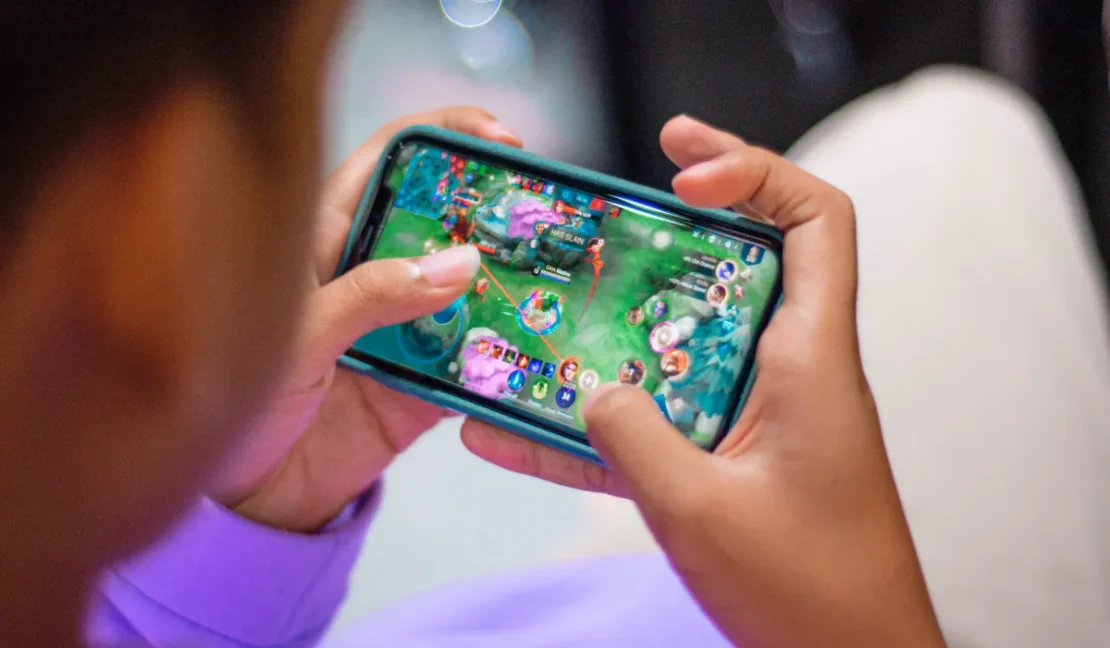
Yesterday afternoon, during pickup time at Apple Tree Pre-School BSD, we overheard a conversation that stopped us in our tracks. A frustrated mom was telling another parent, “I can’t get him away from that Mobile Legends game! He’s only five years old, but he throws complete tantrums when I try to take the phone away. I’m starting to wonder if I’ve created a monster.” The exhaustion in her voice was heartbreaking, and honestly, it’s a conversation we’re hearing more and more often.
Here’s the thing about mobile gaming and young children: what starts as a harmless way to keep them quiet during long car rides or restaurant visits can quickly spiral into something much more consuming. Mobile Legends addiction in kids is becoming a real concern for parents across Indonesia, and if you’re struggling with this issue, you’re absolutely not alone in feeling overwhelmed and unsure about how to handle it.
We’ve been working with families dealing with gaming concerns for several years now, and we’ve learned that addressing mobile gaming addiction isn’t about being the “mean parent” who takes everything away. It’s about understanding why these games are so compelling to young minds and creating healthier alternatives that actually satisfy the same needs.
Understanding Mobile Legends Addiction in Young Children
The first step in addressing mobile legends addiction kids face is understanding why these games are so incredibly appealing to developing minds. Game developers spend millions of dollars researching how to make their products as engaging as possible, using psychological principles that even adults struggle to resist.
Mobile Legends and similar games provide instant gratification through bright colors, exciting sounds, and immediate rewards for simple actions. For young children whose brains are still developing impulse control and delayed gratification skills, these games can feel almost irresistible. The game provides a constant stream of small victories and progress markers that trigger dopamine releases, creating genuine addiction-like patterns.
At our location in the Educenter BSD Building, we’ve observed that children who spend excessive time gaming often show changes in behavior, attention span, and social interaction. They may become more irritable, have difficulty focusing on non-digital activities, and struggle with real-world problem-solving that doesn’t provide immediate feedback and rewards.

Image Source: The National News
Recognizing Warning Signs of Gaming Addiction
Physical and Behavioral Changes
Children developing unhealthy relationships with mobile games often show predictable patterns that parents can learn to recognize early. Here are the key warning signs to watch for:
Daily Behavior Shifts:
- Sleep disturbances: staying up late to play or waking up early to game before school
- Appetite changes: rushing through meals or refusing to eat to return to gaming
- Physical complaints like headaches, eye strain, or tired hands from extended device use
- Increased irritability and mood swings when not gaming
- Difficulty transitioning away from devices when asked
- Loss of interest in previously enjoyed activities like outdoor play or family time
Social and Academic Impact
While our youngest students at Apple Tree Pre-School BSD aren’t yet dealing with formal academic pressures, we do see how excessive screen time affects their ability to engage in classroom activities, follow multi-step directions, and interact appropriately with peers.
Children experiencing mobile gaming addiction often struggle with activities that require sustained attention without immediate rewards. They may have difficulty sitting through story time, completing art projects, or engaging in imaginative play that doesn’t involve screens.
Social skills can also suffer when children become more comfortable interacting with games than with real people. We’ve noticed that children with excessive gaming habits sometimes struggle with turn-taking, sharing, and cooperative play because games don’t require these same negotiation and compromise skills.
Creating Healthy Technology Boundaries
Setting Clear Limits and Expectations
The most successful families we work with establish clear, consistent boundaries around gaming that everyone in the household understands and follows. Here’s what actually works in real families:
Daily Structure That Works:
- Set specific gaming windows: for example, 30 minutes after lunch and 30 minutes before dinner
- Create “device-free zones” like bedrooms, dining areas, and car rides
- Establish earning systems where gaming time is earned through other activities
- Use visual timers or apps that children can see counting down their remaining time
- Implement “gaming curfews” with no screens 1-2 hours before bedtime
- Make gaming contingent on completing non-negotiable activities like meals, hygiene, and family time
The key is consistency from all caregivers. When rules change depending on which parent is in charge or what kind of day everyone is having, children quickly learn to test boundaries and negotiate exceptions, which undermines the entire system.
Implementing Gradual Reduction Strategies
Going “cold turkey” and completely eliminating gaming often backfires spectacularly with young children, leading to massive meltdowns and power struggles that make everyone miserable. Instead, successful families typically use gradual reduction strategies that help children adjust more easily.
Start by documenting current gaming time for a few days to establish a baseline, then begin reducing by 15-30 minutes every few days until you reach your target amount. Provide extra support and engaging alternatives during these transition periods to help children adjust to the changes.
Prepare children for transitions by giving warnings: “Gaming time ends in 10 minutes, then we’re going to do puzzles together.” This helps them mentally prepare for the change rather than being caught off guard when the timer goes off.
Image Source: Astig PH
Alternative Activities That Actually Engage
Hands-On Learning Experiences
The challenge with mobile gaming addiction is that many traditional activities feel boring and understimulating compared to the high-intensity, fast-paced gaming experience. The solution isn’t to make everything as exciting as video games, but to help children rediscover the satisfaction of slower-paced, hands-on activities.
Building projects using blocks, Lego, or recycled materials provide the same problem-solving satisfaction as games while developing fine motor skills and spatial reasoning. Art projects that involve mixing colors, experimenting with textures, or creating multi-step masterpieces can provide the same sense of progression and achievement.
Cooking together is particularly effective because it combines multiple steps, provides immediate sensory feedback, and results in something delicious to enjoy. Even simple activities like making sandwiches or mixing pancake batter give children agency and accomplishment in the real world.
Social and Physical Alternatives
Mobile games often provide a sense of connection and achievement that children crave. Replacing gaming time with activities that meet these same needs through real-world experiences is crucial for successful transitions away from excessive screen time.
Organize playdates that involve specific activities rather than just “free play.” Structured activities like treasure hunts, simple cooking projects, or collaborative art projects provide the guided interaction that helps children build social skills while having genuine fun.
Physical activities that involve skill development and visible progress can be particularly appealing to children used to gaming achievements. Learning to ride bicycles, mastering playground equipment, or practicing simple ball games provide real-world skill progression that satisfies the same need for growth and mastery.
Building Long-Term Healthy Habits
Addressing mobile legends addiction in kids requires more than just limiting current gaming time. It’s about helping children develop intrinsic motivation for diverse activities and building their capacity for delayed gratification and sustained attention.
Our comprehensive programs across all age groups are designed to provide the kind of engaging, multi-sensory learning experiences that help children develop attention skills, social competence, and creative thinking abilities that make them more resilient against addictive gaming patterns.
Regular routines that include physical activity, creative expression, social interaction, and quiet time help children develop the internal regulation skills they need to make healthy choices about technology use as they grow older.
Concerned about your child’s relationship with mobile gaming? We understand how challenging this issue can be for families, and we’re here to help. Our experienced educators know how to engage children in activities that provide the same satisfaction and achievement as gaming while building crucial developmental skills. Send us a WhatsApp message or give us a call at +62 888-1800-900.
Come play and learn with other children, because real-world adventures are the best game of all! 🎮➡️🌟✨