
I watched my five-year-old nephew stare at an empty cardboard box for what felt like forever. Then something clicked inside his head. He flipped it upside down, cut a few holes, added some markers, and suddenly he had built a spaceship. No instructions. No adult telling him what to do. Just pure, creative problem-solving happening right before my eyes.
That moment perfectly captures what design thinking kids can accomplish when we give them space to explore. Design thinking kids approach problems differently than we expect. They don’t just accept things as they are. They ask questions, experiment, fail, try again, and innovate. They’re natural designers even when they don’t know the term yet.
Here at Apple Tree Pre-School BSD, we’ve noticed something remarkable about design thinking kids. They’re happier, more confident, and genuinely excited about learning. They tackle challenges with creativity instead of frustration. They believe problems have solutions they can discover themselves. This mindset changes everything about their approach to school and life.
The truth is, design thinking kids aren’t born geniuses or special in some magical way. They’ve simply learned to think like designers from an early age. They’ve practiced approaching problems creatively. They’ve experienced the freedom to experiment and fail safely. They’ve discovered their own capability to create solutions.
At the Educenter BSD Building, we’re passionate about nurturing design thinking kids through our Singapore curriculum. We believe every child has creative problem-solving potential inside them. Design thinking kids become confident, capable learners who shape their own futures. That’s why we’ve woven design thinking approaches throughout our programs for ages 1.5 through 6.
What Is Design Thinking for Kids Really About
Design thinking kids approach learning as if they’re solving real-world puzzles. Design thinking kids ask “What if?” instead of accepting “That’s just how it is.” They observe carefully, imagine possibilities, experiment with solutions, and learn from results. This isn’t about making things look pretty, though that’s part of it. Design thinking for kids is fundamentally about creative problem-solving.
The five stages of design thinking kids go through are straightforward. First comes empathy, where design thinking kids understand the problem deeply. Next is definition, where they clearly articulate what they’re trying to solve. Then ideation happens, where design thinking kids brainstorm wild possibilities. Prototyping comes next, where they build something tangible. Finally, testing lets design thinking kids see what actually works.
When we introduce design thinking kids to these stages young, something magical happens. They start seeing themselves as problem-solvers rather than problem-receivers. Design thinking kids develop agency. They understand they can influence their world through creative thinking. This confidence ripples into every area of their lives.
Empathy: The Foundation of Design Thinking Kids
Design thinking kids begin by understanding others’ needs and perspectives deeply. Empathy is where design thinking kids learn to ask real questions. Instead of assuming they know the answer, design thinking kids observe and listen first. They notice what frustrates people, what makes them happy, what they wish existed.
For young design thinking kids, empathy starts simply. They notice when a friend feels sad. They see when something doesn’t work smoothly. They ask why things are the way they are. We nurture this natural curiosity because it’s the root of all good design thinking kids practices.
Definition: How Design Thinking Kids Frame Problems
Design thinking kids can’t solve problems well if they don’t understand them first. Definition is where design thinking kids get specific about what they’re actually trying to solve. Instead of “This toy is boring,” design thinking kids learn to say “This toy doesn’t have enough ways to change what it does.”
This might sound simple, but it transforms everything for design thinking kids. Suddenly their problem becomes solvable. Instead of a vague complaint, they have a specific challenge. Design thinking kids with clear problem definitions generate better solutions naturally.
Ideation: Where Design Thinking Kids Let Imagination Flow
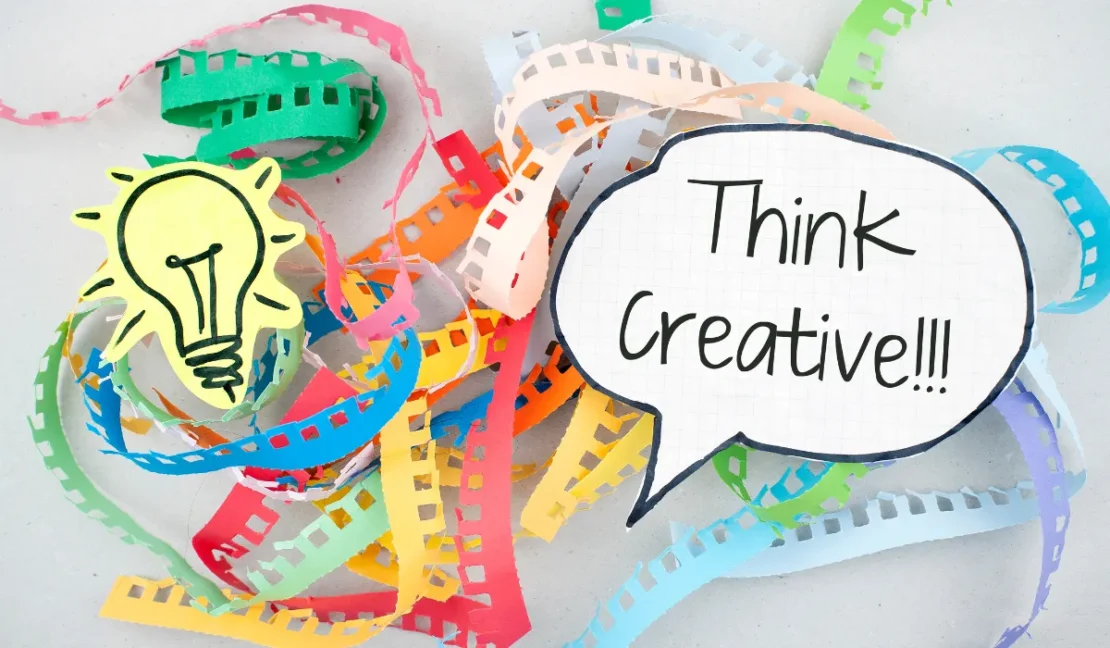
Ideation is the fun part where design thinking kids brainstorm wildly. This is where we tell design thinking kids that no idea is too silly or impossible. Design thinking kids who feel free to imagine generate creative possibilities adults never consider. They combine ideas in unexpected ways. They suggest solutions that seem impossible until you think about them.
We protect ideation fiercely in our programs because it’s where design thinking kids’ confidence grows. We never criticize ideas during brainstorming. We celebrate wild thinking. We show design thinking kids that crazy ideas sometimes spark the best solutions.
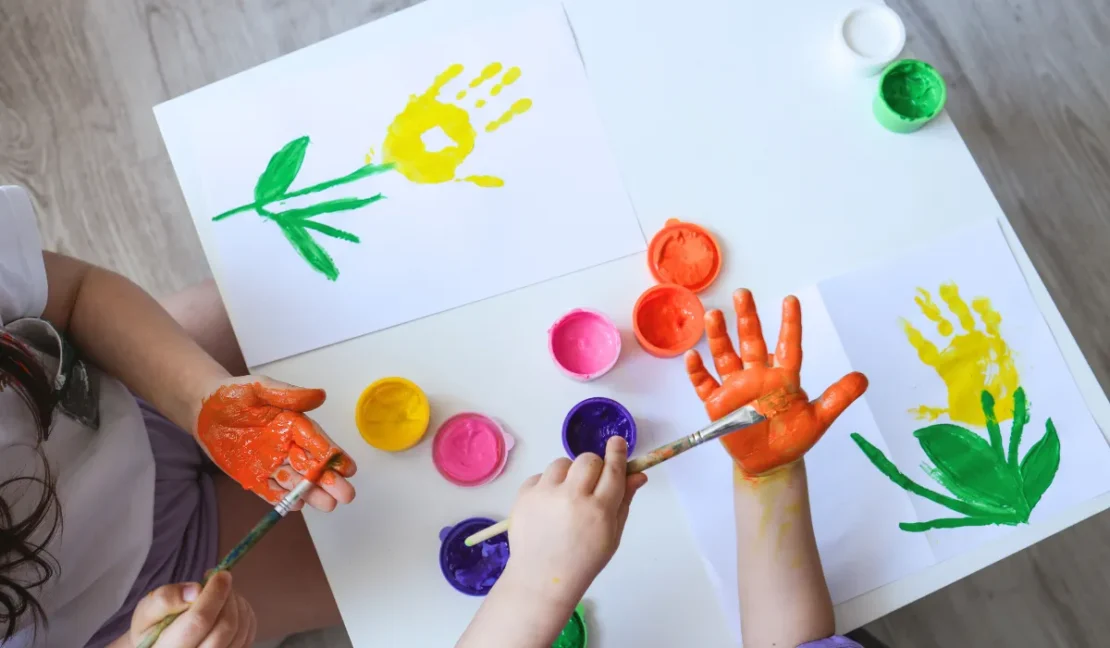
Image Source: Canva
How Design Thinking Kids Learn Best Through Prototyping
Prototyping transforms design thinking kids from thinkers into makers. Design thinking kids take their ideas and build something real with whatever materials exist. This could be blocks, clay, cardboard, or art supplies. Design thinking kids prototype because building makes thinking visible.
When design thinking kids prototype, they discover problems they didn’t anticipate. Their first attempt rarely works perfectly, and that’s exactly the point. Design thinking kids learn that failure isn’t final. It’s information. It’s feedback telling them what to adjust next.
Building Confidence Through Experimentation in Design Thinking Kids
Design thinking kids who build prototypes develop remarkable confidence. They see their ideas become real. They prove to themselves they can create solutions. Even when something doesn’t work first try, design thinking kids who’ve prototyped know they can revise and improve.
This experience is completely different from traditional learning where right answers matter most. Design thinking kids in maker environments learn that iteration beats perfection. They’re willing to try, fail, adjust, and try again. This resilience serves them beautifully in every future challenge.
Testing and Learning From Results in Design Thinking Kids
Testing is where design thinking kids’ solutions meet reality. Design thinking kids test their prototypes and observe what happens. Does it work? Does it solve the problem they identified? Does someone actually want to use it? Design thinking kids gather this feedback and decide what comes next.
Testing teaches design thinking kids that their ideas matter and can improve. They’re not waiting for a teacher to grade them. Design thinking kids are discovering through genuine experimentation what works and what doesn’t. This feels completely different to children.
Key Stages of Design Thinking Kids Should Experience:
- Empathy: Understanding problems through others’ perspectives and needs
- Definition: Clearly stating what problem needs solving specifically
- Ideation: Brainstorming wild possibilities without judgment or limits
- Prototyping: Building something tangible to test ideas physically
- Testing: Trying solutions and gathering real feedback for improvement
- Iteration: Revising based on what they learned and testing again
Why Design Thinking Kids Succeed in Modern Education
Today’s world demands problem-solvers, not just test-takers. Design thinking kids are exactly what modern education and workplaces need. Design thinking kids think creatively about challenges. They collaborate with others to generate solutions. They’re comfortable with ambiguity and change. They bounce back from failure quickly.
These aren’t skills you memorize from textbooks. Design thinking kids develop these capabilities through practice. They need opportunities to experiment, fail safely, and try again. They need environments where asking questions matters more than knowing answers immediately.
Design Thinking Kids Build Stronger Collaboration Skills
Design thinking kids naturally become better collaborators. When children work through design thinking projects together, they share ideas. Design thinking kids listen to each other’s perspectives. They combine their thinking into something better than any individual could create alone.
This collaboration isn’t forced group work where one student does everything. Design thinking kids genuinely need each other’s contributions. Each perspective, each idea, each person’s unique thinking strengthens the final solution. Design thinking kids learn that working together makes them stronger.
Design Thinking Kids Develop Real-World Problem Solving
Design thinking kids aren’t solving fake problems from textbooks. They’re tackling real challenges they care about. Maybe design thinking kids notice the classroom gets messy during snack time, so they design a better system. Maybe design thinking kids realize the outdoor play area needs improvement, so they sketch solutions.
When design thinking kids solve problems that genuinely matter, learning sticks. They remember because they cared. They developed solutions because the problem was real to them. Design thinking kids who experience this understand learning’s actual purpose.
How We Nurture Design Thinking Kids at Apple Tree
At Apple Tree Pre-School BSD, design thinking kids is central to our approach with every age group. Our Singapore curriculum weaves design thinking throughout. We don’t teach design thinking kids as a separate subject. We make it how we teach everything.
In our Toddler programs, design thinking kids start with exploration and sensory play. We provide open-ended materials and observe how they experiment. In Pre-Nursery, design thinking kids get more complex challenges. We introduce simple problem-solving games and building activities.
By Nursery and Kindergarten levels, design thinking kids tackle real classroom challenges. We guide them through the stages of design thinking. We help them observe, define problems, brainstorm ideas, build prototypes, and test solutions. Our teachers facilitate rather than direct because that’s what design thinking kids need.
Our small class sizes make design thinking kids work possible. We have only 12 children per Toddler class, 16 in Pre-Nursery, and 20 in Nursery through Kindergarten 2. This means every design thinking kid gets genuine attention. Our teachers observe each child’s thinking. They ask questions that push design thinking kids toward deeper understanding. They celebrate creative attempts, not just successful results.
Frequently Asked Questions About Design Thinking Kids
Q: Isn’t design thinking kids just another trendy education buzzword?
Design thinking kids methods have solid research behind them. They’re used successfully in companies like Google and Apple. Design thinking kids develop skills modern careers require. It’s not trendy, it’s essential preparation for your child’s future.
Q: Will design thinking kids slow down academic progress?
Actually, design thinking kids strengthen academic skills. Children thinking creatively about problems develop stronger critical thinking. Design thinking kids in math learn concepts deeper through problem-solving. Design thinking kids who write for real purposes develop better writing skills naturally.
Q: Can all children develop design thinking skills?
Absolutely. Every child has creative potential inside. Design thinking kids approaches work for every learner. Some design thinking kids are verbal, others visual. Some work best alone, others in groups. Design thinking kids frameworks adapt to every learning style.
Q: How can I support design thinking kids at home?
Ask your child questions instead of giving answers. Let design thinking kids experiment with materials and building supplies. Celebrate creative thinking and attempt trying new things. When design thinking kids face problems, resist solving immediately. Ask “How might we solve this?” and let them lead.
Q: What if my child isn’t naturally creative or confident?
Design thinking kids confidence grows through practice and supportive environments. Your child might surprise you. Many design thinking kids who seemed shy become confident designers when given safe space. Confidence comes from experiencing success and having adults believe in them.
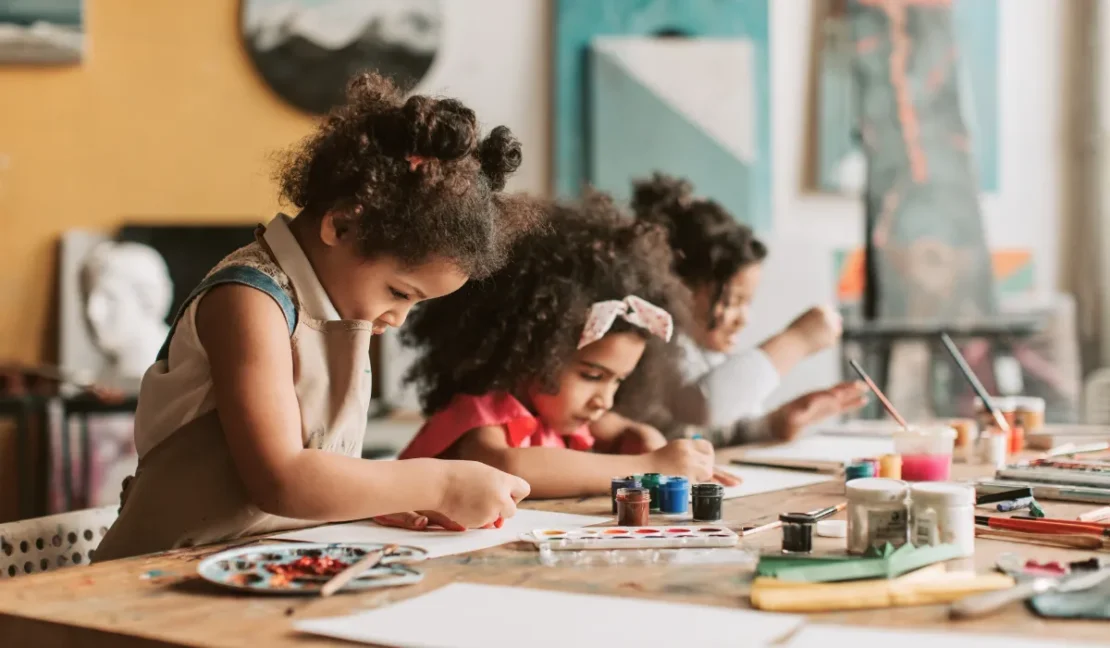
Image Source: Canva
Developing Design Thinking Kids in Your Family Today
Design thinking kids aren’t special children born with extra creativity. They’re kids who’ve practiced thinking like designers. They’ve learned that problems invite solutions they can discover themselves. They’ve experienced adults believing in their capability to create.
You can start nurturing design thinking kids right now at home. Give your child open-ended materials and time to experiment. Ask questions that spark curiosity instead of providing answers. Celebrate creative thinking and brave attempts. Let design thinking kids fail in safe ways. Show them their thinking matters.
Imagine your child approaching challenges with confidence and creativity. Picture design thinking kids who believe they can solve problems. Envision your child becoming someone who thinks about how to improve things around them. This is the future design thinking kids experience.
At Apple Tree Pre-School BSD, we’re dedicated to nurturing design thinking kids through our programs at the Educenter BSD Building. We create environments where design thinking kids thrive. We facilitate exploration, experimentation, and creative problem-solving daily. We help your child discover their innovative capability.Ready to nurture design thinking kids in your child? Come visit our classrooms and see design thinking kids in action. Watch how our children explore, experiment, and innovate. Experience our approach to developing confident, creative problem-solvers. Send us a WhatsApp message or call us at +62 888-1800-900 to learn more about how we develop design thinking kids. Register your child for our Toddler, Pre-Nursery, or Kindergarten programs today. Give your child the gift of creative confidence and problem-solving skills they’ll use for life! 🚀🎨✨