
Last month, something happened during our science exploration time that perfectly illustrates why understanding gifted child education is so crucial for parents and educators. Four-year-old Emma was supposed to be learning about floating and sinking with the other children, but instead, she was conducting her own experiment about water displacement, asking complex questions about why the water level changed differently with various shaped objects. While her classmates were happily splashing and giggling, Emma was developing theories that most adults would find impressive.
Here at Apple Tree Pre-School BSD, we encounter gifted children regularly, and we’ve learned that recognizing and supporting these exceptional young minds requires a delicate balance of challenge, understanding, and patience. Gifted child education isn’t about pushing children beyond their years or creating little academic robots, it’s about nurturing their natural curiosities and abilities while ensuring they develop socially and emotionally alongside their intellectual gifts.
What many parents don’t realize is that giftedness can look quite different from what popular culture suggests. The quiet child who asks profound questions might be just as gifted as the one who reads at age three. Understanding these nuances helps us provide appropriate support that honors each child’s unique potential while keeping them happy, balanced, and excited about learning.
1. Recognizing Early Signs of Giftedness
Identifying gifted children requires looking beyond traditional markers like early reading or advanced math skills. At our location in the Educenter BSD Building, we’ve learned that giftedness manifests in various ways, often appearing as intense curiosity, unusual problem-solving approaches, or exceptional memory for specific topics.
Common Early Indicators of Giftedness:
- Asking complex questions that go beyond surface-level understanding
- Showing intense focus and persistence on topics of interest
- Demonstrating advanced vocabulary and communication skills
- Making unusual connections between seemingly unrelated concepts
- Displaying heightened sensitivity to environmental stimuli or emotions
- Exhibiting perfectionist tendencies or frustration with their own limitations
- Learning new concepts with remarkable speed and minimal repetition
The key is recognizing that gifted child education needs begin early, often before children enter formal schooling, when their rapid development might be mistaken for normal variation rather than exceptional ability.
Understanding Different Types of Giftedness
Giftedness doesn’t always look like the stereotypical image of a child reading encyclopedias or solving complex mathematical equations. Some children show creative giftedness through artistic expression, storytelling, or innovative problem-solving approaches that surprise adults with their originality.
Others demonstrate leadership giftedness, naturally organizing play activities, mediating conflicts between peers, or showing unusual empathy and understanding of social dynamics. These children often become the ones others gravitate toward during group activities.
Intellectual giftedness might appear as exceptional memory, rapid learning, or the ability to grasp abstract concepts that typically develop much later. These children often seem to think several steps ahead of their age-mates.

Image Source: Canva
2. Creating Appropriate Educational Challenges
Once we recognize giftedness, the next step in effective gifted child education involves providing appropriate intellectual challenges without overwhelming young children or pushing them beyond their emotional development. This balance requires careful observation and flexible approaches to learning.
During our programs, we’ve found that gifted children often need depth rather than acceleration. Instead of moving them to advanced grade-level material, we provide opportunities to explore their interests more thoroughly and from multiple perspectives.
Strategies for Challenging Gifted Minds:
- Offer open-ended projects that allow for creative exploration and personal interest
- Encourage questioning and provide resources for independent investigation
- Create opportunities for peer interaction with similarly motivated learners
- Integrate advanced concepts into age-appropriate activities and play
- Allow flexible pacing that honors both rapid learning and processing time
- Provide choices in how children demonstrate their learning and understanding
The goal is nurturing intellectual growth while maintaining joy in learning and appropriate social development with peers.
Balancing Advanced Learning with Age-Appropriate Development
One of the biggest challenges in gifted child education is remembering that intellectual advancement doesn’t necessarily correspond with emotional or social maturity. A five-year-old who reads chapter books might still need help managing frustration or sharing toys with friends.
We focus on supporting the whole child, recognizing that gifted children often experience asynchronous development where different abilities mature at dramatically different rates. This understanding helps us provide appropriate support across all developmental areas.
Social skills development becomes particularly important for gifted children who might struggle to relate to age-peers or feel different from other children. Creating opportunities for connection and belonging supports their overall well-being.
3. Supporting Social and Emotional Development
Gifted child education must address the unique social and emotional needs that often accompany exceptional abilities. Many gifted children experience heightened sensitivity, perfectionism, or feelings of being different from their peers, which can impact their overall happiness and adjustment.
We’ve noticed that gifted children often have intense emotional responses to injustice, environmental issues, or global problems that might not concern typical age-mates. These concerns, while showing advanced moral reasoning, can create anxiety or sadness that requires supportive understanding.
Addressing Perfectionism and High Expectations
Many gifted children develop perfectionist tendencies that can actually hinder their learning and emotional well-being. When tasks become challenging, they might experience frustration or anxiety that interferes with their ability to persist and learn from mistakes.
Teaching gifted children about growth mindset, the value of effort over innate ability, and the importance of mistakes in learning helps them develop resilience and maintain joy in challenging themselves intellectually.
We also work with families to ensure that high expectations remain supportive rather than pressuring, helping children understand that their worth isn’t tied to their performance or achievements.
4. Working with Families to Support Gifted Children
Effective gifted child education requires strong partnerships between educators and families, as parents often feel uncertain about how to support their exceptional children without overwhelming them or creating unrealistic expectations.
Family Support Strategies:
- Provide resources and information about gifted development and characteristics
- Offer guidance on finding appropriate extracurricular activities and learning opportunities
- Support families in advocating for their children’s educational needs
- Help parents understand asynchronous development and its implications
- Connect families with other parents of gifted children for support and shared experiences
- Encourage balance between intellectual pursuits and childhood play
Parents of gifted children often need reassurance that their child’s intense interests, unusual questions, or advanced abilities are normal variations of giftedness rather than causes for concern.
Creating Learning-Rich Home Environments
Families can support gifted child education by creating home environments that encourage exploration, questioning, and independent learning. This doesn’t require expensive materials or formal lessons, but rather attitudes that value curiosity and provide resources for following interests.
Simple strategies like having diverse books available, encouraging questions, visiting museums or libraries, and allowing time for unstructured exploration can significantly support gifted children’s development.
5. Nurturing Creativity and Innovation
Gifted child education should emphasize creativity and innovative thinking alongside academic advancement. Many gifted children show exceptional creative abilities that deserve cultivation and support through various artistic and imaginative outlets.
We provide opportunities for creative expression through art, music, dramatic play, creative writing, and invention activities that allow children to explore their ideas and express their unique perspectives.
Encouraging Risk-Taking and Exploration
Gifted children often benefit from environments that encourage intellectual risk-taking, where they feel safe to explore unusual ideas, ask challenging questions, and pursue interests that might seem advanced or different from their peers.
Creating cultures of curiosity where all questions are valued and exploration is encouraged helps gifted children develop confidence in their abilities while maintaining their natural love of learning.
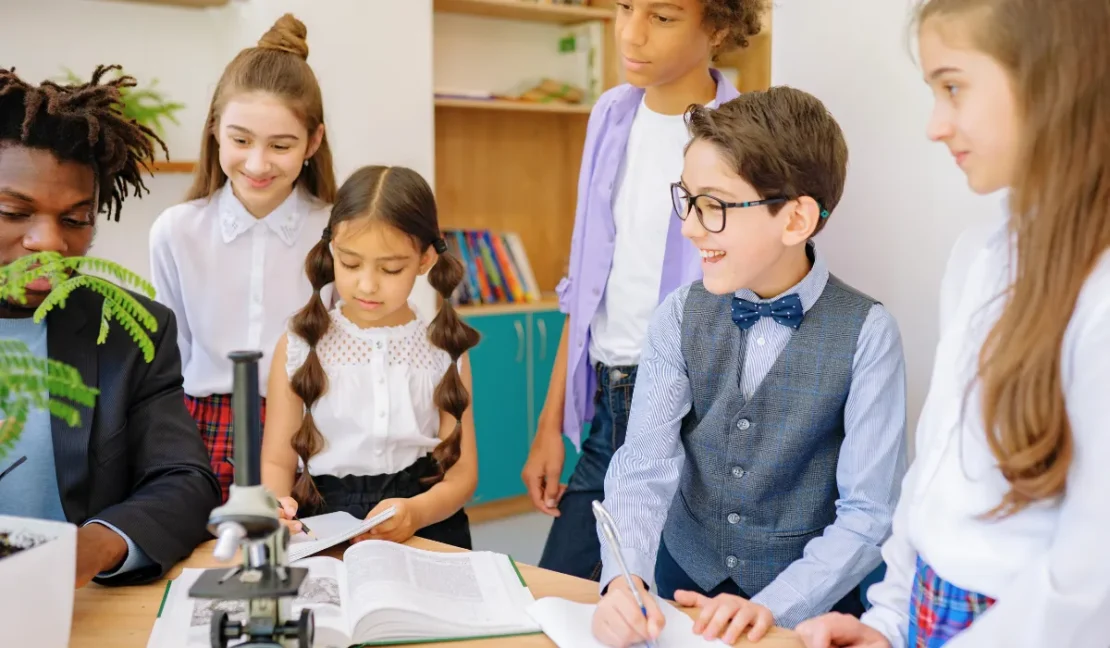
Image Source: Canva
6. Long-Term Educational Planning and Advocacy
Understanding gifted child education involves thinking ahead about educational pathways, potential challenges, and advocacy needs that may arise as children progress through school systems that might not be designed for exceptional learners.
Long-Term Planning Considerations:
- Research educational options that support gifted learners effectively
- Develop advocacy skills for communicating children’s needs to educators
- Consider acceleration, enrichment, or specialized program options
- Monitor social and emotional development alongside academic progress
- Maintain focus on developing intrinsic motivation and love of learning
- Plan for potential challenges like underachievement or social difficulties
Early identification and appropriate support create foundations for lifelong learning, creativity, and personal fulfillment for gifted individuals.
Building Networks and Resources
Connecting with other families, educators, and organizations focused on gifted education provides ongoing support and resources for navigating the unique journey of raising and educating exceptional children.
Professional development for educators and access to specialized training helps ensure that gifted children receive appropriate support throughout their educational experiences.
Recognizing and nurturing gifted children requires understanding, patience, and specialized approaches that honor their exceptional abilities while supporting their overall development. At Apple Tree Pre-School BSD, we believe that gifted child education should challenge minds while nurturing hearts, creating confident, creative, and caring individuals who can make meaningful contributions to their communities.
The key lies in recognizing giftedness in its various forms, providing appropriate challenges and support, and maintaining focus on the whole child rather than just their exceptional abilities.
Ready to discover and nurture your child’s unique gifts in a supportive, challenging environment? We’d love to discuss how our individualized approach supports gifted learners while maintaining joy in learning and healthy development. Send us a WhatsApp message or give us a call at +62 888-1800-900.
Come play and learn with other children, because every exceptional mind deserves the opportunity to flourish and shine! 🌟🧠✨