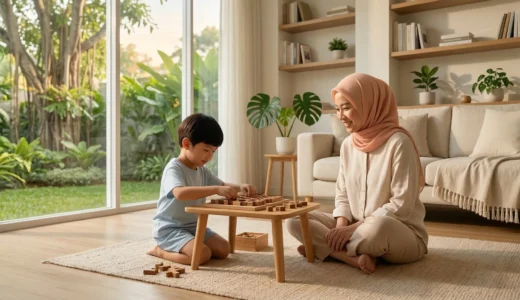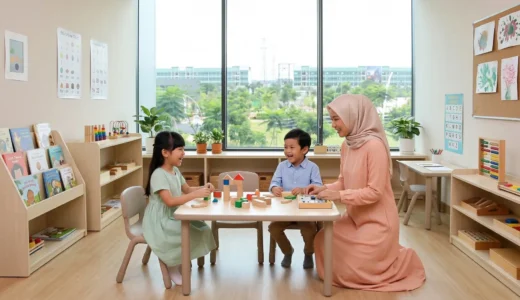
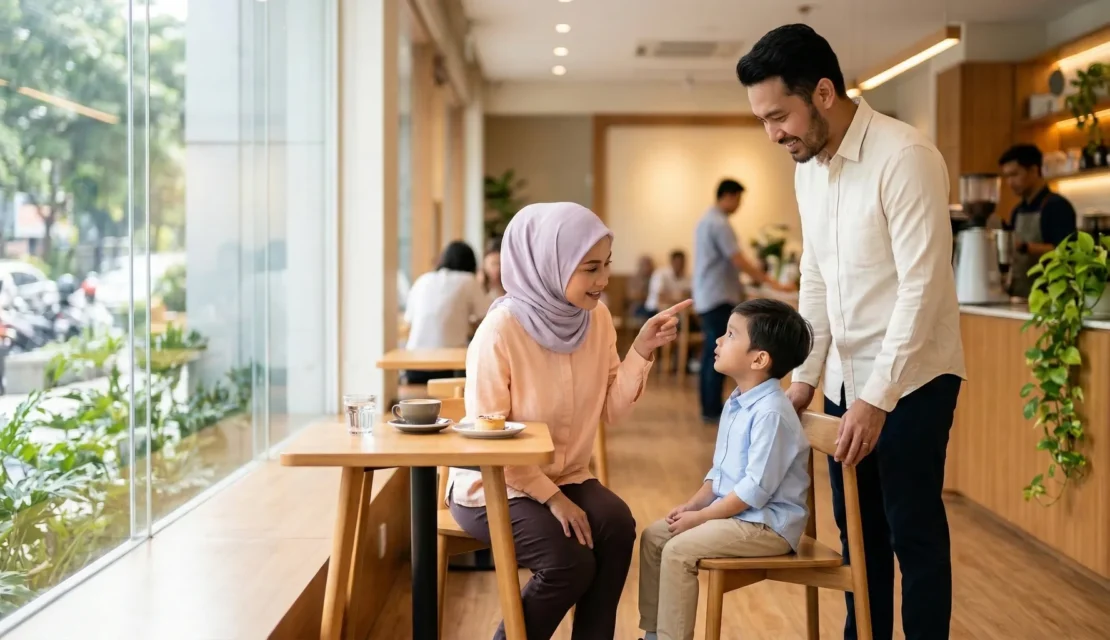
We know that dining out, school events, or community gatherings can feel tricky when fasting is part of daily life. When our families face these moments, we want to respond with warmth, understanding, and practical guidance. This article offers a gentle, friendly approach to teaching children how to respect fasting people in public. It draws on our experiences at Apple Tree Pre-School BSD and the supportive environment of the Educenter BSD Building.
Our goal is simple: help you navigate these moments with calm, confidence, and a little bit of joy. We’ll share ideas that fit naturally into daily life, from home routines to preschool contexts. And yes, we’ll weave in ideas that respect Indonesia’s rich culinary traditions while helping children understand fasting and different customs. If you’re ready, let’s start with why this topic matters.
Why This Matters for Families and Schools
Respecting fasting people in public is more than a polite nod during Ramadan or other fasting periods. It’s about nurturing empathy, cultural awareness, and social harmony in children from a young age. When we model respectful behavior, children learn to pause, consider others, and choose kind words over hard judgments. At our school and in our community, we see these moments as opportunities to build character, not just compliance.
In classrooms, we integrate discussions about meals, cultural practices, and shared spaces. We point out how different families observe fasting, why some foods are avoided, and how we can support friends who are fasting. This creates a learning environment where every child feels included and respected. Our approach aligns with the Singapore curriculum we use, which emphasizes social-emotional learning alongside academics. You can read more about our approach at the Educenter BSD Building and in our programs.
How Children Learn to Respect Fasting People
Teaching children to respect fasting people in public starts with understanding their developmental stage. Young children absorb social norms through everyday experiences, stories, and guided practice. They learn to use polite language, recognize feelings, and respond with curiosity rather than judgment. We’ve found that when children are given clear expectations and simple explanations, they rise to the occasion with enthusiasm.
Here are some guiding ideas we’ve found useful across our programs:
- Model respectful behavior in real moments, not only during formal lessons.
- Use simple, age appropriate language to explain why some people fast.
- Validate feelings when children are curious or confused, then offer gentle, accurate information.
- Reinforce inclusive language and inclusive actions during meals and celebrations.
- Provide opportunities for role play and storytelling that reflect diverse food practices.
- Celebrate small successes to reinforce positive associations with empathy and cultural awareness.
Practical Steps You Can Take at Home
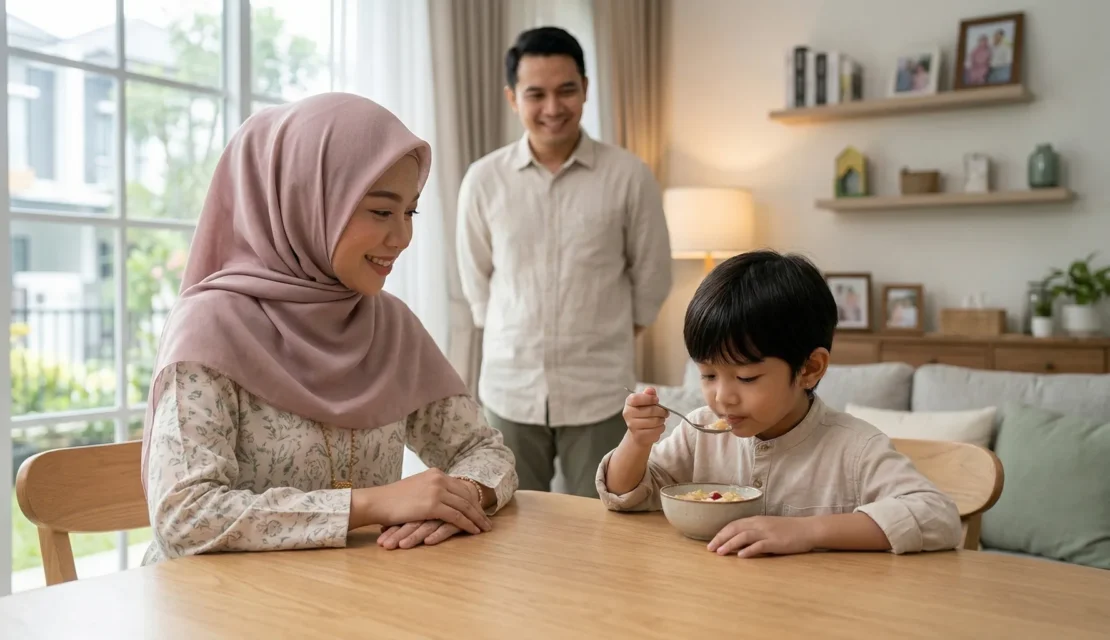
In this section we offer a concrete, easy to follow set of steps you can try with your child. We’ve kept this section compact on purpose so you can apply the ideas quickly in daily life.
- Start with a simple family conversation about fasting
- Read a short story or watch a kid friendly video about Ramadan or other fasting traditions
- Explain in age appropriate terms why some people fast
- Practice polite responses when someone mentions fasting or food restrictions
- Create a respectful dining routine at home that honors your guests and family members
- Celebrate small acts of empathy during meals with praise and a hug
We know every family is busy, so choose the steps that feel most natural for you and your child. If you want more ideas or a guided plan, our programs provide extra support and practical activities that you can adapt at home.
Creating Inclusive Experiences in Public Settings
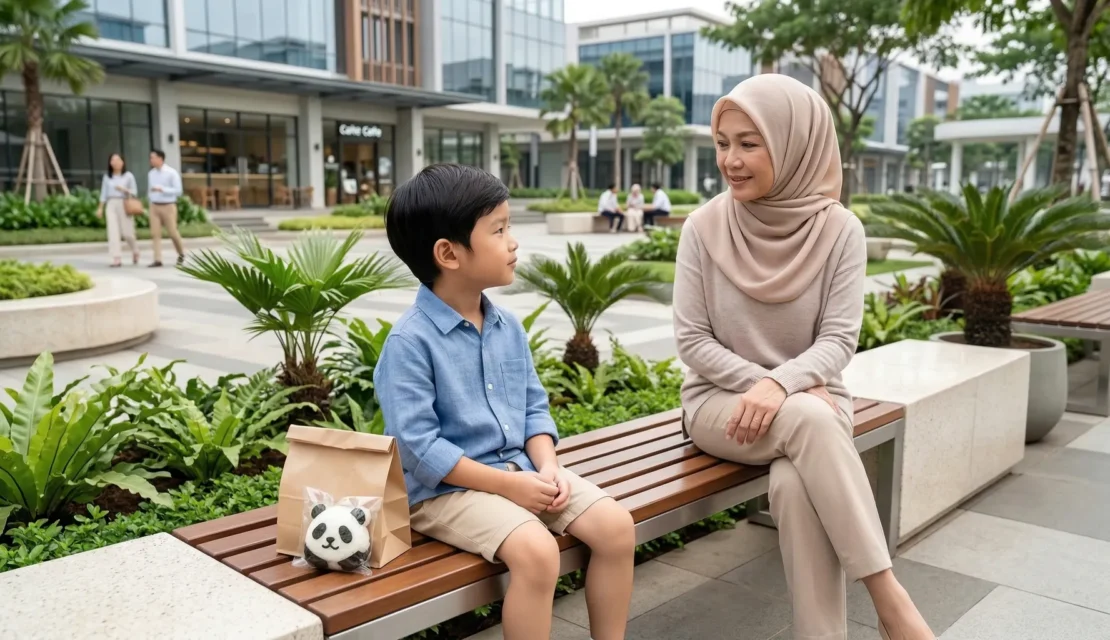
Public settings can be lively and busy, which makes it easy for a child to feel overwhelmed. We focus on helping children navigate these spaces with confidence, care, and respect for others’ needs. In our classrooms and in community events, we offer simple scripts and prompts that children can use when they encounter fasting friends.
We also encourage families to bring these conversations into everyday life. For instance, when you attend family gatherings or community events, you can point out how different families observe meals and how everyone can participate in a respectful, inclusive way. We support these discussions in our meals, during field trips, and in our after school programs.
The Role of the School and Community
We believe schools and families share the responsibility to nurture respectful attitudes toward fasting people. Our Singapore curriculum guides our approach, but the real power comes from the daily practice of kindness and curiosity. We partner with families, teachers, and community leaders to ensure messages around fasting and food culture are consistent.
Our classrooms at the Educenter BSD Building provide a safe space for children to ask questions, explore new ideas, and practice respectful language. We also collaborate with parents through workshops and conversations that reinforce positive messages at home. You can learn more about our programs and how we support families in this joint mission by visiting our pages and the Educenter BSD Building.
Conclusion
Teaching kids to respect fasting people in public is a journey built on small, thoughtful steps. We encourage you to start with one small conversation today. You will see how a simple change in language and routine can create a ripple effect of empathy and understanding in your family and community.
At Apple Tree Pre-School BSD we support families every day with practical strategies that fit real life. If you want more support, our programs are designed to guide you through this transition with care and respect. We invite you to explore our offerings at the Educenter BSD Building and see how our approach can support your child’s growth.
Educenter BSD Building provides a vibrant community that values inclusive practice. You can also learn about our approach by visiting https://www.appletreebsd.com/ and https://www.appletreebsd.com/our-classes/ for more details.Ready to start your journey with us? Send a WhatsApp message or call +62 888-1800-900. Register now and let us help your family grow with love, respect, and joyful learning. Let’s walk this path together and build a brighter, more inclusive future for our kids. 🌙👶💚