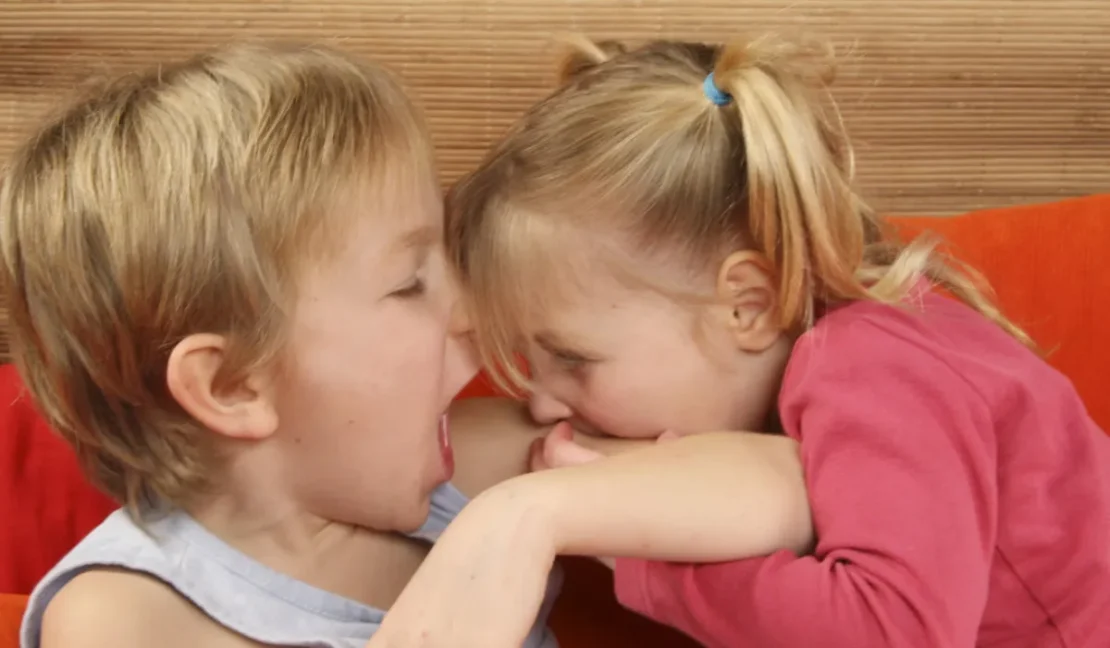
I remember sitting in our office at the Educenter BSD Building when a worried parent rushed in with that all-too-familiar concerned expression. “My son keeps biting other children at daycare,” she said, almost apologetically. “Am I doing something wrong?” That conversation stuck with me because I realized so many parents struggle with toddler biting other children and feel genuinely confused about what to do. The truth is, toddler biting other children is completely normal developmental behavior, and you’re definitely not alone in facing this challenge.
Here’s the thing about toddler biting other children: it’s one of those parenting moments that can make you feel like you’re failing, when actually your little one is just learning how to interact with the world. At Apple Tree Pre-School BSD, we work with dozens of families navigating this exact situation every single year. We’ve learned that understanding why toddlers bite, recognizing the triggers, and responding thoughtfully makes all the difference. The good news is that toddler biting other children is a phase, not a permanent personality trait, and there are proven strategies that actually work.
When you’re dealing with toddler biting other children, it helps to know that most kids between 18 months and 3 years go through this phase. Your frustration is completely valid, but so is your child’s need to learn better ways of expressing themselves. We’re going to walk you through why this happens, what you can do about it, and how professional preschool environments help manage toddler biting other children effectively. Let’s dive in together.
Understanding Why Toddler Biting Other Children Happens
Toddler biting other children can happen for so many different reasons that it helps to think like a detective for a moment. Your child isn’t trying to be mean or aggressive, even though it feels that way when you hear about another parent complaining. When we see toddler biting other children in our classrooms, we’ve learned to look for the real cause hiding beneath the behavior. Understanding the “why” behind toddler biting other children is absolutely crucial for addressing it effectively.
Sometimes toddler biting other children happens simply because their mouths are exploring everything around them. Babies naturally mouth objects, and as toddlers grow, they’re still discovering how their teeth feel and work. Other times, toddler biting other children occurs because your little one is frustrated, overwhelmed, or doesn’t have the words to express what they need. Maybe they’re teething and their gums are sore, so they bite down on whatever is nearby, including other kids. It’s also possible that toddler biting other children happens because they’re overstimulated, tired, or haven’t learned better ways to get attention or express their big emotions.
The environment matters too when addressing toddler biting other children. Crowded spaces, too many transitions, or inadequate supervision can trigger the behavior. Some toddlers bite other children when they’re excited and don’t know how to channel that energy appropriately. Others might bite when they feel threatened or defensive. Your child’s temperament, developmental stage, and what’s happening in their world all play a role in toddler biting other children.
How to Stop Toddler Biting Other Children at Home
Creating strategies at home is your first line of defense when dealing with toddler biting other children. You need to stay calm when you discover that your toddler has bitten someone, even though that’s easier said than done when you’re embarrassed or frustrated. The moment you react with big emotions, your toddler might bite again just to see that reaction, so managing your own emotions is part of solving toddler biting other children behavior.
When toddler biting other children happens in your home, respond immediately and clearly. Get down to your child’s eye level, use a firm but not angry voice, and say something like, “Biting hurts. We don’t bite our friends.” Keep it simple because toddler biting other children usually involves kids who can’t process long explanations. After you address toddler biting other children, redirect your child to something else to do. Sometimes toddlers bite because they’re bored or don’t know what else to do, so offering an alternative activity helps prevent toddler biting other children from becoming a habit.
Here are some practical strategies for managing toddler biting other children at home:
- Identify triggers that lead to toddler biting other children, whether it’s hunger, tiredness, overstimulation, or lack of attention
- Offer chewing alternatives like teething toys, rubber toys, or crunchy snacks when toddler biting other children seems imminent
- Practice labeling emotions so your toddler learns words instead of resorting to biting, reducing toddler biting other children incidents
- Give your child lots of positive attention throughout the day so toddler biting other children doesn’t become their way of getting noticed
- Establish predictable routines that help prevent the stress that triggers toddler biting other children
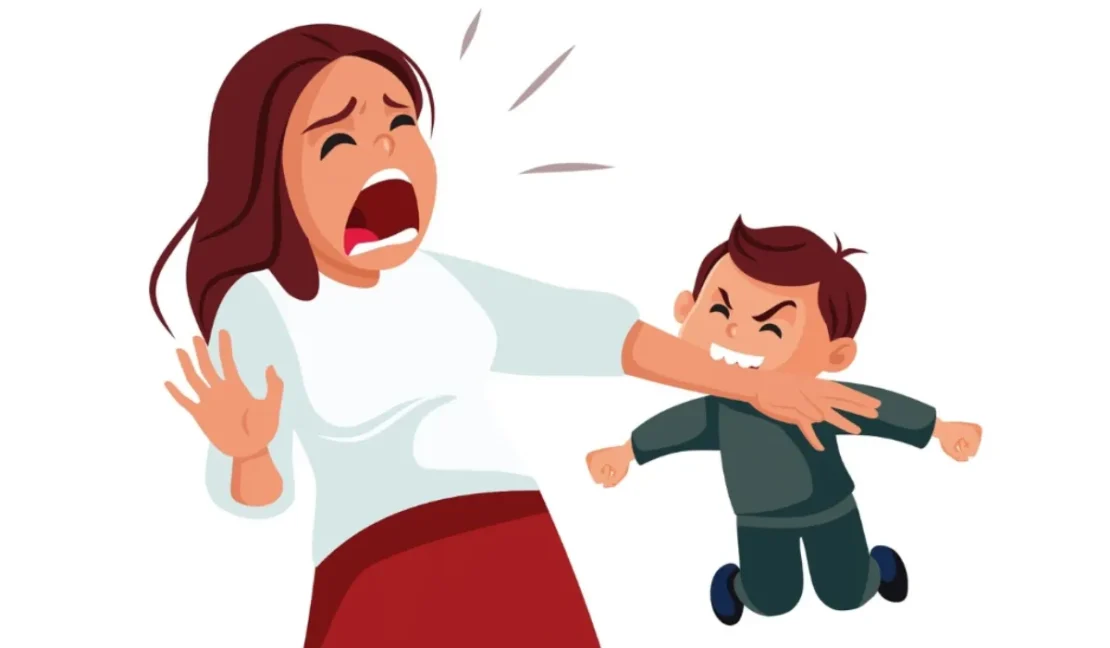
Image Source: Canva
Addressing Toddler Biting Other Children Through Teaching and Communication
Teaching your toddler empathy and appropriate social skills is essential when dealing with toddler biting other children. At this age, your child is just beginning to understand that other people have feelings, so you’ll need to help them make that connection. When toddler biting other children happens, you might say, “Look, your friend is crying because biting hurts. Let’s help them feel better by being gentle.” This approach helps your toddler understand the consequence of their actions in a way that addresses toddler biting other children thoughtfully.
Communication with your daycare provider is absolutely crucial when managing toddler biting other children. You need to know if toddler biting other children is happening at school and understand the context. Does your toddler bite most when they’re frustrated, tired, or playing? Does toddler biting other children happen more with certain kids or in certain situations? The more information you have about toddler biting other children, the better strategies you can develop together with your childcare providers. At Apple Tree Pre-School BSD, we keep detailed notes about behavior patterns including toddler biting other children so parents have a complete picture.
Teaching alternatives to toddler biting other children takes patience and repetition. Show your child what to do instead: “When you want that toy, use your words. Say ‘my turn’ or ask an adult.” Practice this repeatedly because toddler biting other children won’t disappear overnight. Celebrate every time your child uses words instead of teeth, because positive reinforcement works better than punishment when addressing toddler biting other children. Your consistent response to toddler biting other children, combined with your child’s growing language skills, will gradually reduce incidents.
Why Professional Preschools Help With Toddler Biting Other Children
Experienced educators understand toddler biting other children in ways that make a real difference. When you enroll your child in a quality preschool, you’re getting trained professionals who see this behavior all the time and know how to handle toddler biting other children without judgment. These educators don’t panic or shame your child, which actually helps address toddler biting other children more effectively than emotional reactions do.
Professional preschools have systems in place specifically designed to manage toddler biting other children. They watch for triggers, redirect before toddler biting other children happens when possible, and respond consistently when it does occur. They also have experience identifying when toddler biting other children is part of normal development versus a sign that something else is going on. The structured environment of a quality preschool naturally reduces many triggers that cause toddler biting other children, like boredom and overstimulation.
At Apple Tree Pre-School BSD, our Singapore curriculum includes social-emotional learning that directly addresses toddler biting other children and other challenging behaviors. Our classrooms are designed with appropriate group sizes, plenty of engaging activities, and trained staff who understand child development. We work with parents as partners when dealing with toddler biting other children, communicating regularly and celebrating progress together. Our approach treats toddler biting other children as a teaching opportunity rather than a behavior problem.
When Toddler Biting Other Children Needs Extra Attention
Most cases of toddler biting other children resolve naturally as kids develop language and emotional regulation skills. However, sometimes toddler biting other children persists beyond age three or becomes more intense, which might signal that something else is happening. If your child is biting frequently despite consistent responses, if toddler biting other children causes injuries, or if you notice other concerning behaviors alongside toddler biting other children, it’s worth consulting your pediatrician or a child development specialist.
Occasionally, toddler biting other children can indicate sensory needs, anxiety, or developmental delays that benefit from professional support. If toddler biting other children happens alongside difficulty with transitions, extreme reactions to sensory experiences, or delayed speech, talk with your doctor. The good news is that professionals can help identify what’s driving toddler biting other children and create a targeted plan. There’s absolutely no shame in seeking help with toddler biting other children, it just means you care about your child’s development and want to support them effectively.
Frequently Asked Questions About Toddler Biting Other Children
Q: Is toddler biting other children a sign of aggression?
No, toddler biting other children is usually exploration, frustration, or communication, not aggression. Young toddlers don’t have the same understanding of social harm that older kids do. Toddler biting other children is developmentally normal, though it still needs to be addressed.
Q: Should I bite my toddler back to teach them how it feels?
Absolutely not. Biting your child back teaches toddler biting other children through physical punishment, which is confusing and ineffective. Kids learn better through clear communication and consistent consequences.
Q: How long does toddler biting other children usually last?
Most toddler biting other children behavior decreases significantly between ages two and three as language improves. By age four, most children have moved past toddler biting other children entirely, especially with consistent intervention.
Q: What should I do if my toddler bites me?
Respond the same way you would if toddler biting other children happened: calmly, clearly, and with a firm “we don’t bite.” Offer alternatives and redirect. Don’t make it an intense emotional moment, which can make toddler biting other children more likely to happen again.
Q: Will my child’s preschool ban them because of toddler biting other children?
Good preschools understand that toddler biting other children is normal development. They work with families on strategies rather than excluding children. However, if toddler biting other children doesn’t improve with intervention, they might recommend working with specialists.
Q: Can teething cause toddler biting other children?
Yes, teething can be a factor, though it’s rarely the only cause of toddler biting other children. If your child is teething, offer teething toys and appropriate snacks to help. But remember toddler biting other children often has emotional or communication causes too.
Image Source: Canva
Moving Forward With Toddler Biting Other Children
Dealing with toddler biting other children can feel isolating and stressful, but remember you’re navigating something almost every parent faces. The fact that you’re reading this and seeking solutions shows you’re taking your child’s development seriously. Toddler biting other children isn’t a reflection of your parenting, it’s a reflection of your child’s developmental stage and communication needs. With consistency, patience, and support from professionals, your child will absolutely move beyond this phase.
The combination of strategies at home, communication with your daycare, and professional support from experienced educators creates the best environment for addressing toddler biting other children. Your child needs you to stay calm, respond consistently, teach alternatives, and believe in their ability to learn better ways of expressing themselves. Toddler biting other children is temporary, but the skills you’re teaching during this phase last a lifetime.
At Apple Tree Pre-School BSD, we’re here to support your family through every developmental stage, including the challenging moments involving toddler biting other children. Our experienced educators understand child development, communicate openly with parents, and create environments where children thrive. We’d love to chat with you about your concerns, share strategies we’ve found effective with toddler biting other children, and help your little one develop the social skills they need.
Ready to get support with toddler biting other children and your child’s overall development? Send us a WhatsApp message or call us at +62 888-1800-900 to discuss your concerns about toddler biting other children and learn about our programs.Come visit our classrooms at the Educenter BSD Building and see how we create nurturing environments where children learn social skills, emotional regulation, and how to be kind to their friends. Our Toddler, Pre-Nursery, Nursery, and Kindergarten programs are designed to support children through every developmental milestone, including managing challenging behaviors like toddler biting other children. Register now and give your child the best start with educators who understand, support, and celebrate every stage of their growth. Let’s work together to help your child grow smart, happy, and kind! 🌟👶💚