
Last Thursday morning, something clicked for six-year-old Oliver in our Kindergarten 2 class that made our hearts absolutely soar. He’d been reading words perfectly for months but struggling to understand what those words actually meant together. Then, while reading a simple story about a lost puppy, he suddenly looked up and said, “Miss, the puppy is sad because he can’t find his family, just like I felt when I got lost in the mall!” In that moment, he wasn’t just decoding letters anymore. He was truly comprehending, making connections, and bringing his own experiences to the story.
That’s the magic moment every parent dreams of, when reading transforms from a mechanical skill into a gateway for understanding, imagination, and connection. At Apple Tree Pre-School BSD, we’ve spent years figuring out what actually works when it comes to building strong reading comprehension skills, and spoiler alert: it’s not about drilling flashcards or pushing advanced books too early.
Here’s what we’ve discovered through countless story times, reading sessions, and those wonderful “aha!” moments. Reading comprehension isn’t just about understanding words on a page. It’s about helping children become active thinkers who can connect stories to their own lives, predict what might happen next, and truly engage with the world of books.
Building Strong Foundation Skills for Reading Comprehension
The journey to strong reading comprehension actually begins long before children can read independently. In our classrooms at the Educenter BSD Building, we see daily proof that comprehension skills develop through rich conversations, storytelling, and meaningful interactions with books and ideas.
Vocabulary development forms the cornerstone of reading comprehension. Children can’t understand what they’re reading if they don’t know what the words mean. But here’s the thing that surprises many parents: vocabulary grows most effectively through conversations, not word lists. When we chat with children about their day, ask open-ended questions, and introduce new words naturally in context, we’re building the foundation for future reading success.
Listening comprehension actually precedes and predicts reading comprehension. Children who can understand and discuss stories read aloud to them are developing the same thinking skills they’ll later apply to their own reading. This is why storytime remains such a crucial part of our daily routine across all our age groups, from Toddlers through Kindergarten 2.
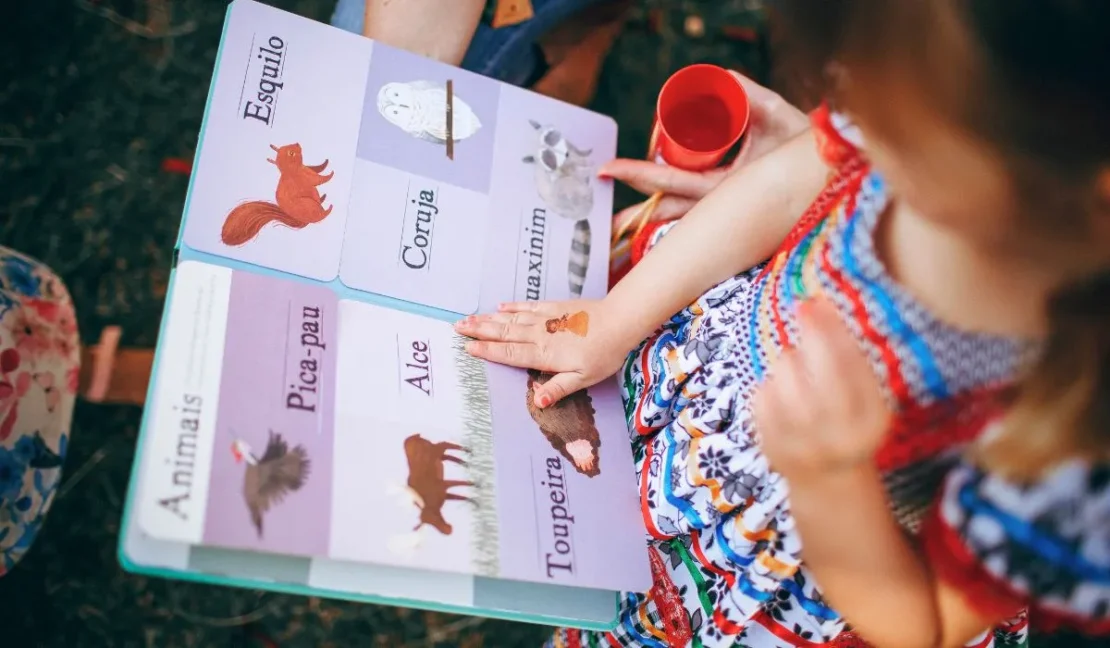
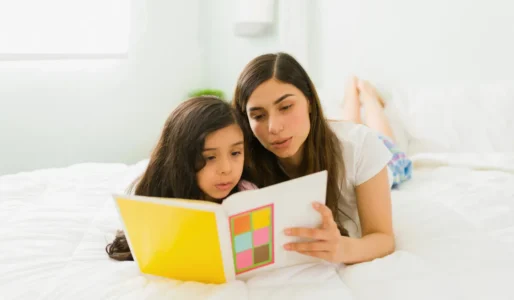
Image Source: Canva
Interactive Reading Strategies That Make a Difference
Before, During, and After Reading Techniques
We’ve learned that reading comprehension improves dramatically when children approach books with purpose and strategy. Before reading, we help children make predictions based on the cover, title, and illustrations. This simple practice gets their minds engaged and gives them something to look for as they read.
During reading, we pause frequently to ask questions, make connections, and check understanding. “What do you think will happen next?” or “How do you think the character feels?” aren’t just casual questions. They’re teaching children to actively think while they read rather than passively consuming words.
After reading, we help children reflect on the story, make connections to their own lives, and discuss what they learned. These conversations often reveal much more about comprehension than any formal assessment could. When four-year-old Emma connected the hungry caterpillar to her own growth spurts, we knew she was truly understanding the deeper meaning of the story.
Making Real-World Connections
The most powerful reading comprehension happens when children can connect stories to their own experiences, other books they’ve read, or things happening in the world around them. We call these “text-to-self,” “text-to-text,” and “text-to-world” connections, though we use much simpler language with the children.
“This reminds me of when…” becomes a frequent phrase in our reading discussions. When children can relate a character’s feelings to their own experiences or connect a story situation to something familiar, comprehension deepens naturally. These connections also make reading more personally meaningful and engaging.
We encourage parents to model this thinking aloud. When you’re reading together, share your own connections: “This character reminds me of your cousin Jake” or “This is just like what happened to us at the zoo last week.” Children learn to think this way by hearing adults do it first.
Age-Appropriate Comprehension Activities
For Toddlers and Pre-Nursery (Ages 1.5-3)
At this stage, reading comprehension is all about engagement and enjoyment. We focus on interactive reading experiences where children can point to pictures, make sound effects, and actively participate in the storytelling process.
Simple questions like “Where’s the cat?” or “What sound does the cow make?” help develop attention and basic comprehension skills. We also love books with repetitive patterns that children can predict and join in with, building their confidence and engagement with stories.
Acting out simple stories helps very young children understand narrative structure and character actions. When they pretend to hop like the bunny or roar like the lion, they’re processing the story through their whole bodies, which enhances understanding and memory.
For Nursery and Kindergarten (Ages 3-6)
As children’s language skills develop, we can introduce more sophisticated comprehension strategies. Retelling stories in their own words helps us assess understanding while reinforcing narrative structure and sequence.
We love using story maps or simple graphic organizers where children can draw the beginning, middle, and end of stories. Visual representations help many children organize their thinking and demonstrate comprehension in ways that pure verbal discussion might miss.
Character analysis becomes possible at this age, though we keep it simple and concrete. “How did the character feel?” “Why did they make that choice?” “What would you have done?” These questions help children think beyond the surface events to understand motivation and emotion.

Image Source: Canva
Reading Comprehension Tips That Work at Home
Creating Rich Reading Environments
The physical environment matters more than you might think. Create cozy reading spaces where children feel comfortable and can focus without distractions. Having books easily accessible and at child height encourages independent exploration and choice, which builds intrinsic motivation to read.
Read aloud regularly, even after children can read independently. Hearing more complex stories read aloud exposes children to vocabulary and concepts beyond their current reading level, building comprehension skills they’ll later apply to their own reading.
Make reading interactive rather than passive. Pause to discuss pictures, ask questions, and encourage predictions. The goal isn’t to finish books quickly but to engage deeply with the content and develop active reading habits.
Extending Stories Beyond the Books
Some of our most successful reading comprehension activities happen after the book is closed. Drawing pictures of favorite scenes, acting out stories, or creating alternative endings all demonstrate and extend comprehension.
Connecting books to real-life activities reinforces understanding and makes reading relevant. After reading about gardening, plant some seeds. Following a cooking story, try a simple recipe together. These experiences make abstract concepts concrete and memorable.
Building reading comprehension is a gradual process that happens through consistent, positive experiences with books and stories. At Apple Tree Pre-School BSD, we understand that every child develops at their own pace, and our approach honors individual differences while building strong foundational skills.
The key to improving reading comprehension lies not in pushing harder or moving faster, but in making reading meaningful, interactive, and connected to children’s lives and interests. When children see reading as a tool for understanding their world rather than just a school subject, comprehension develops naturally and joyfully.
Ready to give your child the strong foundation they need for reading success? We’d love to show you how our comprehensive literacy approach builds confident, enthusiastic readers who truly understand what they read. Send us a WhatsApp message or give us a call at +62 888-1800-900.
Come play and learn with other children, because the love of reading starts with understanding, and understanding begins here! 📚✨🌟