
Image Source: Canva
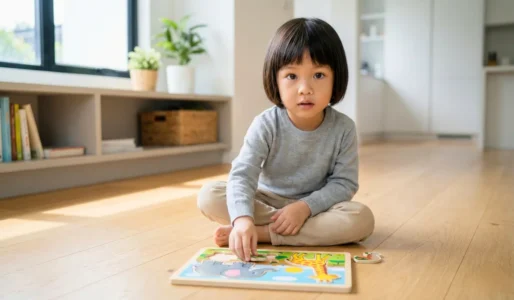
Yesterday morning, we had one of those magical moments that remind us why we love what we do. A four-year-old in our Nursery class, who’d been struggling with scissors for weeks, suddenly cut out a perfect circle. The look on her face? Pure triumph. “Miss, I did it! Look, it’s so round!” she squealed, holding up her creation like an Olympic medal.
That’s the thing about fine motor skills: they’re not just about cutting shapes or holding pencils correctly. They’re about building confidence, one small victory at a time. And here’s the kicker: you don’t need fancy equipment or expensive toys to help your little one develop these crucial skills. Some of the best fine motor activities happen with stuff you’ve already got lying around your house.
We’ve been working with tiny hands at Apple Tree Pre-School BSD for years now, and we’ve learned a thing or two about what really works. The secret? Making it so fun that kids don’t even realize they’re building essential life skills.
Why Fine Motor Skills Matter More Than You Think
Let’s get real for a minute. Fine motor skills are the foundation for pretty much everything your child will need to do independently. From buttoning their school uniform to writing their first love letter (okay, maybe that’s jumping ahead a bit), these skills are absolute game-changers.
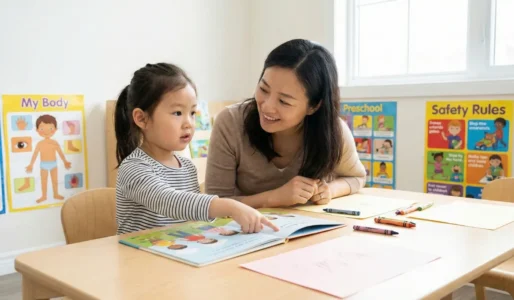
In our classrooms at the Educenter BSD Building, we see firsthand how children with well-developed fine motor skills tend to have an easier time with academic tasks. They’re the ones who can focus on what they’re writing rather than struggling with how to hold the pencil. They’re more confident during art activities, more independent during snack time, and generally more willing to try new challenges.
But here’s what many parents don’t realize: fine motor development also impacts cognitive development. When children work on fine motor activities, they’re actually building neural pathways that support problem-solving, spatial awareness, and even mathematical thinking. Mind-blowing, right?
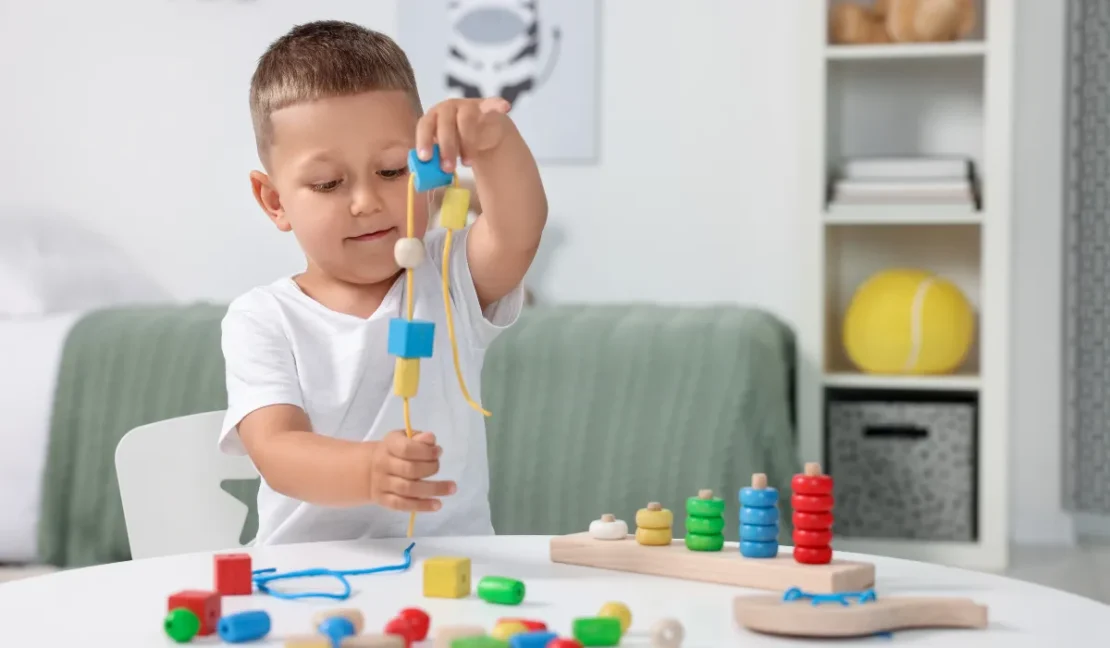
Image Source: Canva
Simple Activities That Pack a Powerful Punch
Now for the good stuff: activities you can do at home that’ll have your child’s fine motor skills improving faster than you can say “bilateral coordination.” We’ve tested these extensively across all our class levels, from Toddlers to Kindergarten 2, and the results speak for themselves.
1. The Magical World of Play Dough
If play dough were a superhero, it would be the Superman of fine motor activities. Rolling, squishing, pinching, and molding make it a full workout for those little fingers. We often joke that play dough should come with a warning label: “Caution: May cause extreme concentration faces.”
Here’s our insider tip: make your own play dough with your child. The mixing and kneading process is fantastic for hand strength, plus you get to sneak in some measuring practice. Our Pre-Nursery kids absolutely love our “Pizza Making Fridays” where they use play dough to create elaborate pizzas with all the toppings.
2. Water Transfer Games
This one’s a hit, especially on hot days. Set up two containers and give your child various tools to transfer water: sponges, droppers, small cups, or even a turkey baster. It sounds simple, but watch your three-year-old’s face when they successfully move water using a dropper without spilling. It’s like they’ve discovered fire.
We’ve turned this into a science experiment in our Nursery classes. Add food coloring, and suddenly you’re not just transferring water. You’re “feeding the rainbow fish” or “making magic potions.” The concentration required for squeezing and releasing develops the same muscles needed for pencil grip.
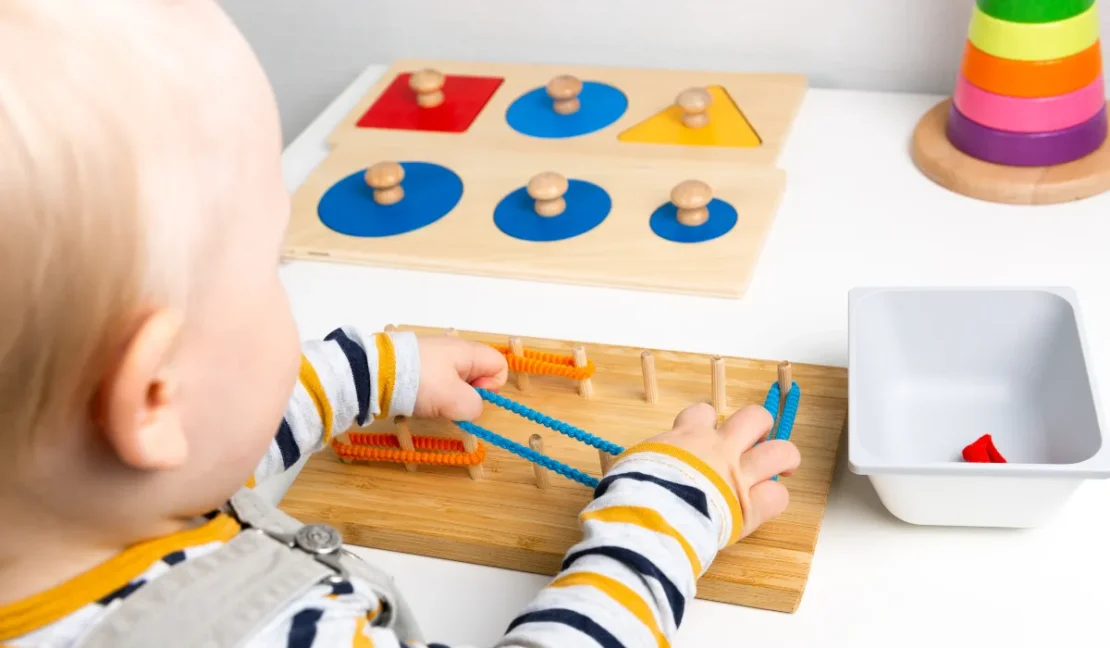
3. Threading and Lacing Adventures
Remember those threading cards from your childhood? They’re still absolute gold for fine motor development. But here’s where we get creative: use pasta! Penne or rigatoni work brilliantly with shoelaces or yarn. Our Kindergarten 1 students made “friendship necklaces” last week using painted pasta, and they wore them proudly for days.
Start with larger items and thicker string, then gradually move to smaller beads and thinner thread as skills improve. The beauty of threading activities is that they also teach patience and persistence, two skills that’ll serve them well beyond preschool.
4. Kitchen Helpers Program
This might sound crazy, but some of our best fine motor activities happen in the kitchen (or our pretend kitchen area). Stirring, pouring, spreading butter on bread, peeling bananas: these everyday tasks are fine motor gold mines.
One parent recently told us, “I never thought letting my son help make sandwich spreads would improve his writing, but his teacher says his pencil control has improved dramatically!” That’s because spreading requires controlled wrist movements and pressure regulation, exactly what’s needed for writing.
5. The Sticker Strategy
Never underestimate the power of stickers. Peeling stickers off their backing requires the perfect pincer grasp, the same grip needed for proper pencil holding. We’ve created entire math lessons around stickers. “Put three red stickers in the circle, five blue ones in the square” and suddenly, you’re working on fine motor skills, counting, colors, and following instructions all at once.
Pro tip: those tiny stickers that come with craft sets? Save them for when your child has mastered the bigger ones. It’s like leveling up in a video game, but for fingers.
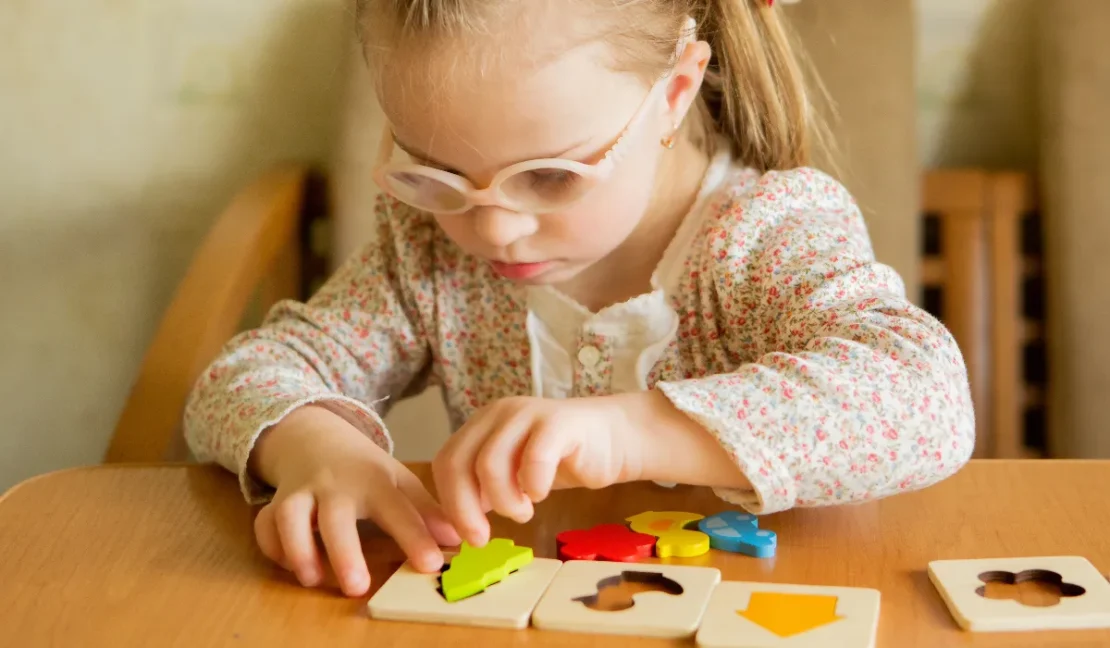
Image Source: Canva
Making It Stick: Tips for Success
Here’s what we’ve learned from years of tiny-finger training: consistency beats intensity every time. Five minutes of daily fine motor practice trumps an hour-long session once a week. Think of it like exercise. Little and often is the way to go.
Create a “busy box” filled with fine motor activities kids can do independently. Include things like pipe cleaners to thread through a colander, clothespins to clip onto a cardboard box, or rubber bands to stretch around a can. When you need five minutes to answer emails or prep dinner, out comes the busy box.
Another game-changer? Follow your child’s interests. Got a dinosaur enthusiast? Use tweezers to “rescue” tiny dinosaur figures from “ice” (frozen in ice cubes). Space lover? Use tongs to sort “moon rocks” (painted pebbles) into different craters (muffin tins).
When to Celebrate (Hint: Always!)
We’ve noticed something interesting at Apple Tree Pre-School BSD: kids whose parents celebrate small victories tend to progress faster. Did your toddler manage to put one block on top of another? Celebration time! Did your five-year-old finally master those tricky scissors? Dance party!
Remember, every child develops at their own pace. What matters isn’t when they master these skills, but that they’re given opportunities to practice in fun, pressure-free ways. Some kids nail the pincer grasp at two, others at four. Both are perfectly normal.
The Bottom Line
Improving fine motor skills doesn’t require expensive equipment or hours of structured activities. It’s about incorporating purposeful play into everyday life. Whether it’s helping with laundry (matching socks is great for bilateral coordination!), playing with water in the bath, or creating masterpieces with play dough, every little bit counts.
At Apple Tree Pre-School BSD, we’ve built our entire approach around making learning feel like play. Because when kids are having fun, they’re not just developing fine motor skills. They’re building confidence, creativity, and a love for learning that’ll last a lifetime.
Ready to give your child the best start in developing these crucial skills? We’d love to show you how our programs blend play and learning in the perfect recipe for growth. Send us a WhatsApp message or give us a call at +62 888-1800-900.
Come play and learn with other children, because the best adventures happen when little hands are busy creating!