
Last week, we had a phone call that honestly made our hearts sink. A parent from our Kindergarten 2 class was nearly in tears, explaining how her usually sweet six-year-old son had started using language that would make a sailor blush while playing online games. “Yesterday, I heard him screaming at other players, calling them ‘noobs’ and saying things I didn’t even know he knew. When I asked him about it, he just shrugged and said ‘that’s how everyone talks in games, Mom.’ I don’t even recognize my own child anymore.”
This conversation isn’t unique, unfortunately. At Apple Tree Pre-School BSD, we’re seeing more and more families grappling with toxic behavior in kids gaming, and it’s becoming a serious concern for parents across Indonesia. The thing is, children don’t just wake up one day and decide to become mean or aggressive online. This behavior develops gradually, often without parents realizing what’s happening until it’s become a significant problem.
Here’s what we’ve learned from working with families dealing with gaming toxicity: it’s not just about “bad kids” or “failed parenting.” It’s about understanding how online gaming environments can bring out the worst in otherwise well-behaved children and learning practical strategies to guide them toward healthier digital citizenship.
Understanding Toxic Behavior in Kids Gaming
The first step in addressing toxic behavior in kids gaming is understanding what we’re actually dealing with. Gaming toxicity isn’t just about occasional frustration or competitive spirit gone wrong. It’s a pattern of consistently negative, aggressive, or inappropriate behavior that children display while playing online games.
At our location in the Educenter BSD Building, we’ve observed that toxic gaming behavior typically manifests in several ways. Children might use inappropriate language, bully other players, rage quit when they’re losing, blame teammates for their mistakes, or show poor sportsmanship. What’s particularly concerning is how quickly this behavior can spill over into their offline interactions with family and friends.
The online gaming environment creates a perfect storm for toxic behavior to develop. The anonymity of playing with strangers, the competitive pressure to win, and the lack of immediate adult supervision combine to create situations where children feel they can behave in ways they never would in face-to-face interactions. When children see other players acting aggressively and getting away with it, they often assume this is normal and acceptable behavior.
Recognizing Early Warning Signs
Changes in Language and Attitude
One of the first indicators that gaming is affecting your child’s behavior is changes in their language and overall attitude. Children exposed to toxic gaming environments often start incorporating gaming slang and aggressive language into their everyday conversations.
Language Red Flags to Watch For:
At Home:
- Using gaming insults like “noob,” “trash,” or “bot” to describe siblings, friends, or even pets
- Speaking disrespectfully about teammates, classmates, or family members
- Adopting aggressive tones when discussing everyday activities
During Play:
- Blaming toys, games, or other children when things don’t go their way
- Using inappropriate language they’ve picked up from online interactions
- Making threats or aggressive statements, even in pretend play
In Conversations:
- Dismissive attitudes toward others’ feelings or opinions
- Quick to anger when discussing losses or mistakes
- Bragging excessively about wins while putting others down
Behavioral and Emotional Changes
Beyond language changes, children developing toxic gaming habits often show shifts in their emotional regulation and social behavior. They might become more aggressive in competitive situations outside of gaming, show less empathy for others’ feelings, or struggle with accepting criticism or feedback.
We’ve noticed that children who spend extensive time in toxic gaming environments often become more argumentative, less willing to take responsibility for their actions, and more likely to blame others when things don’t go their way. These behaviors aren’t limited to gaming sessions; they start appearing in classroom interactions, family dynamics, and friendships.
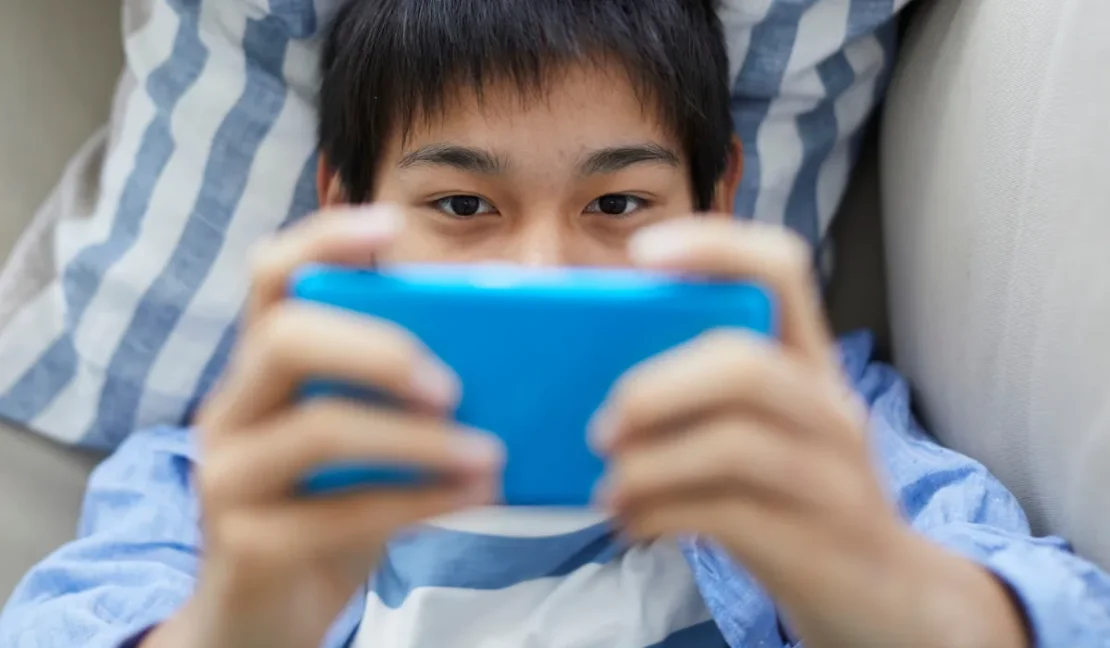
Image Source: Canva
Effective Strategies for Prevention and Intervention
Setting Clear Gaming Guidelines
The most successful approach to preventing toxic behavior in kids gaming involves establishing clear expectations and guidelines before problems develop. Here’s what works best in real families:
The “Good Gamer” House Rules:
Before Gaming Starts:
- Games must be pre-approved by parents
- Only play in family areas where conversations can be monitored
- Set a timer for gaming sessions (30-45 minutes maximum)
- No gaming when feeling frustrated, tired, or upset
During Gaming Time:
- Use respectful language even when losing
- Take breaks every 30 minutes to reset emotions
- No gaming with strangers or in unmoderated chat rooms
- Ask for help if other players are being mean
After Gaming Ends:
- Put devices away without arguing
- Share one positive thing about the gaming session
- Complete any required activities before next gaming time
- Talk about any challenges or frustrations experienced
The key is enforcing these rules consistently and explaining why they exist. Children need to understand that these guidelines aren’t about restricting their fun, but about helping them develop good habits and maintain their relationships with family and friends.
Teaching Emotional Regulation
Many children who display toxic gaming behavior simply haven’t learned effective strategies for managing frustration, disappointment, and competitive pressure. Teaching explicit emotional regulation skills is crucial for preventing and addressing gaming toxicity.
Help children identify their emotional warning signs before they reach the boiling point. When they start feeling frustrated during gaming, teach them to pause, take deep breaths, or step away from the game entirely. Model good sportsmanship yourself by demonstrating how to lose gracefully and celebrate others’ successes.
Practice having conversations about fairness, respect, and empathy in low-pressure situations so children can apply these concepts when emotions are running high during gaming sessions.
Building Positive Gaming Habits
Choosing Appropriate Games and Platforms
Not all games are created equal when it comes to fostering positive behavior. Games with strong moderation, positive communities, and cooperative rather than purely competitive elements tend to bring out better behavior in children.
Research games thoroughly before allowing your children to play them. Look for age ratings, read parent reviews, and understand the social dynamics of different gaming communities. Single-player games or games with local multiplayer options often provide gaming enjoyment without the toxic social elements of online competition.
Consider playing games together as a family activity where you can model appropriate behavior, discuss gaming etiquette, and help children process their emotions in real-time.
Encouraging Real-World Social Skills
Children who develop strong social skills and emotional intelligence in face-to-face interactions are much less likely to exhibit toxic behavior online. Investing in your child’s real-world social development is one of the best preventive measures against gaming toxicity.
Our comprehensive programs at Apple Tree Pre-School BSD across all age groups emphasize cooperation, empathy, and respectful communication in all activities. These foundational social skills naturally transfer to online interactions when children understand that the same rules of kindness and respect apply in digital spaces.
Encourage participation in team sports, group projects, or collaborative activities where children learn to work together, support each other, and handle both success and failure gracefully.
Image Source: Canva
Creating Accountability and Consequences
Immediate Response Strategies
When toxic gaming behavior occurs, the response needs to be immediate and directly connected to the behavior. Waiting until later to address inappropriate gaming conduct often loses its impact because children don’t make the connection between their actions and consequences.
The most effective approach involves a four-step process that we’ve seen work consistently in real families. First, pause the gaming session immediately and take three deep breaths together, moving to a calm space away from devices. This initial pause prevents the situation from escalating and gives everyone a chance to reset emotionally.
Next, reflect on what happened by asking “What happened?” without judgment, helping them identify their emotions, and discussing how their words affected others. This reflection phase is crucial because it helps children understand the connection between their actions and the impact on others.
The third step involves repair work, where children apologize if others were hurt, make a plan for better choices next time, and practice the new approach before their next gaming session. This isn’t just about saying sorry, but about genuinely understanding how to do better.
Finally, reset by determining appropriate consequences such as lost gaming time or earlier bedtime, setting clear expectations for future gaming, and ending with reassurance of love and support. The goal isn’t punishment for its own sake, but helping children understand that their actions have real consequences and that treating others poorly is never acceptable, whether online or offline.
Long-Term Character Development
Addressing toxic behavior in kids gaming is really about broader character development and teaching children to be good digital citizens. The skills they learn about treating others with respect, managing emotions, and taking responsibility for their actions online will serve them throughout their lives.
Ready to help your child develop positive character and healthy gaming habits? We understand how concerning toxic gaming behavior can be for families. Our experienced educators specialize in building social-emotional skills, empathy, and respectful communication that naturally prevent toxic behavior both online and offline. Send us a WhatsApp message or give us a call at +62 888-1800-900.
Come play and learn with other children, because kindness is always the winning strategy!