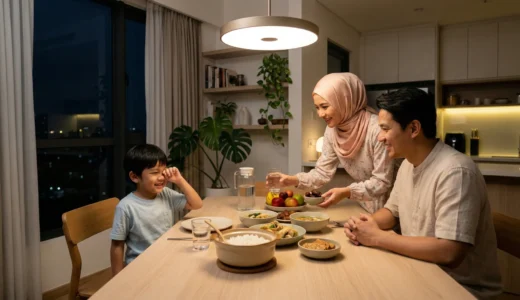


Your child will eat exactly three foods: plain white rice, chicken nuggets (but only one specific brand, and only if they’re not touching anything else on the plate), and surprisingly, seaweed snacks. You’ve tried hiding vegetables, making food fun with cute faces, bribing with dessert, and that one desperate evening where you actually pretended the broccoli was “little trees for the dinosaurs to eat.” Nothing works. Meanwhile, your friend’s kid apparently eats sushi, salads, and asked for Brussels sprouts for her birthday dinner. You’re pretty sure she’s lying, but it still makes you feel like you’re failing at basic parenting. Welcome to the world of picky eating, where you need actual picky eater solutions, not just Instagram-perfect bento boxes and unrealistic advice from people whose children magically love all vegetables.
Here’s what most picky eater solutions miss: picky eating is often developmentally normal, biologically driven, and not actually a reflection of your parenting skills or your child’s future health. Yes, it’s frustrating and stressful, especially when meal times become battlegrounds and you worry about nutrition. But understanding the science behind why children become picky eaters and what actually works (versus what sounds good in theory but fails spectacularly in practice) can transform mealtimes from stress to manageable. At Apple Tree Pre-School BSD, we serve lunch and snacks to children from our Toddler programs with 12 children per class through Kindergarten 2 with 20 children, giving us daily real-world experience with picky eater solutions that actually work with groups of children, not just in controlled studies.
The difference between struggling endlessly with picky eating and finding picky eater solutions that work isn’t forcing, bribing, or magical recipes. It’s understanding child development, applying evidence-based strategies, and having realistic expectations about what “success” looks like. Ready to move beyond food battles to actual progress?
Understanding Picky Eater Solutions That Work
Before implementing picky eater solutions, let’s understand why children become picky and what the science actually says about effective interventions versus popular myths.
Why Children Become Picky Eaters
Picky eating isn’t usually defiance or manipulation. Most picky eater solutions fail because they don’t address the actual biological and developmental reasons behind selective eating.
Scientific reasons for picky eating:
- Neophobia (fear of new foods) peaks between ages 2 to 6 as evolutionary protection
- Supertasters with more taste buds genuinely experience bitter flavors more intensely
- Texture sensitivities are real sensory experiences, not preferences
- Toddler autonomy needs create control battles around food
- Previous negative experiences (choking, vomiting, pressure) create food anxiety
In our programs from Toddler through Kindergarten, we see the full spectrum of eating behaviors. Understanding that most picky eating is developmentally normal helps us implement picky eater solutions with patience rather than panic.
What Research Says About Effective Strategies
Not all picky eater solutions are created equal. Research clearly shows what works and what backfires, yet parents keep using ineffective strategies because they seem logical.
Evidence-based strategies that work:
- Repeated exposure without pressure (10 to 15 times minimum)
- Family-style meals with modeling from adults and peers
- Involvement in food preparation and cooking
- Division of responsibility (parents provide, children decide how much)
- Neutral presentation without praise or pressure
Strategies that backfire:
- Bribing with dessert (makes vegetables seem like punishment to endure)
- Pressure to take “just one bite” (increases resistance)
- Short-order cooking different meals (reinforces limited eating)
- Excessive praise for eating (makes it about pleasing others, not internal cues)
- Making separate “kid food” instead of family meals
At our Educenter BSD Building campus, our Singapore curriculum includes Science and Creativity lessons around food, using picky eater solutions that research supports rather than what intuitively seems right but actually doesn’t work.
Setting Realistic Expectations
Many parents seek picky eater solutions expecting their child will suddenly love all vegetables. That’s not how it works, and unrealistic expectations create unnecessary stress.
Realistic outcomes:
- Children may accept foods without loving them
- Progress is slow (months, not days)
- Some preferences are legitimate and permanent
- Variety within food groups matters more than eating every food
- Adequate nutrition is achievable even with limited variety
We help families at Apple Tree set realistic goals for picky eater solutions: expanding variety gradually, reducing mealtime stress, and ensuring adequate nutrition rather than perfect eating.
Practical Picky Eater Solutions by Age
Effective picky eater solutions look different at different developmental stages. Here’s what actually works for each age group.
Toddlers (Ages 1.5 to 3): Preventing Picky Eating
The toddler years often create picky eating, but early picky eater solutions can prevent extreme selectivity from developing.
Toddler strategies:
- Continued exposure to variety even when rejected
- No separate “toddler food,” just safe versions of family meals
- Letting them self-feed even when messy
- Offering new foods alongside accepted foods
- Very small portions to avoid overwhelm
- No pressure or battles
In our Toddler and Pre-Nursery programs with 12 to 16 children per class, we implement these picky eater solutions daily. Watching peers eat normalizes trying new foods more effectively than parent pressure.
Preschoolers (Ages 3 to 5): Working Through Pickiness
Peak picky eating happens during preschool years. Effective picky eater solutions for this age require patience and strategic exposure.
Preschool strategies:
- Involvement in meal planning and preparation
- Food education through play and stories
- Multiple exposures without pressure (touching, smelling, having on plate)
- Family-style serving where children serve themselves
- Adults modeling eating and enjoying diverse foods
- Consistent meal and snack timing
Our Nursery and Kindergarten 1 programs with 20 children each incorporate cooking activities in our Creativity curriculum and science lessons about food, making picky eater solutions educational and fun rather than pressured.
Kindergarteners (Ages 5 to 6): Building Food Flexibility
By kindergarten, many children naturally expand variety, but some remain quite selective. Picky eater solutions at this age can leverage increased understanding and peer influence.
Kindergarten strategies:
- Involving in grocery shopping and cooking
- Teaching about nutrition in age-appropriate ways
- Social eating with peers modeling variety
- Growth mindset around food: “You’re learning to like new foods”
- Gradual food chaining (introducing foods similar to accepted ones)
- Continued no-pressure exposure
In our Kindergarten 2 program, picky eater solutions benefit from children’s increased cognitive abilities and desire to be “big kids” who try new things.

Image Source: Freepik
Division of Responsibility: The Foundation Strategy
The single most important framework for picky eater solutions is Ellyn Satter’s Division of Responsibility, which eliminates most food battles.
Parent Responsibilities
In this model for picky eater solutions, parents control what, when, and where food is served, taking pressure off children while maintaining structure.
Parents decide:
- What foods are offered (nutritious options)
- When meals and snacks happen (consistent schedule)
- Where eating occurs (table, not in front of screens)
This means serving balanced meals at regular times without short-order cooking. You provide nutritious options; they choose from what’s available. This is one of the most effective picky eater solutions because it removes control battles.
Child Responsibilities
Children control whether and how much they eat from what’s provided. This autonomy is crucial for picky eater solutions to work.
Children decide:
- Whether to eat or not
- How much to eat of offered foods
- Which offered foods to eat
Yes, this means some meals they might eat only bread and nothing else. Trust their internal regulation over days and weeks, not individual meals. When this division is respected, most picky eater solutions work better because pressure is removed.
Why This Works
This framework for picky eater solutions works because it eliminates power struggles while ensuring children are exposed to variety without pressure.
Benefits of this approach:
- Children learn to listen to internal hunger and fullness cues
- Removes mealtime battles and stress
- Ensures regular exposure to variety
- Respects child autonomy while maintaining parent authority
- Reduces food anxiety that worsens picky eating
We use this division in our meal and snack times at Apple Tree. It’s one of the most evidence-based picky eater solutions available, yet many parents resist it because trusting children’s self-regulation feels scary.
Exposure-Based Picky Eater Solutions
Research consistently shows repeated exposure without pressure is the most effective long-term solution for picky eating.
How Repeated Exposure Works
Children need 10 to 15 exposures to new foods before accepting them, yet most parents give up after 2 or 3 rejections. Effective picky eater solutions require patience.
Exposure strategies:
- Serve rejected foods regularly alongside accepted foods
- No pressure to eat, just exposure on the plate or table
- Start with tiny portions (single pea, small broccoli piece)
- Count looking, touching, licking as “trying”
- Celebrate exploration, not eating
In our English and Science lessons, we read books about food and explore fruits and vegetables. These non-meal exposures count toward the repetitions needed for picky eater solutions to work.
Food Chaining Strategy
Food chaining is among the most strategic picky eater solutions, introducing new foods similar to accepted ones.
How food chaining works:
- Identify accepted foods and their characteristics
- Introduce similar foods gradually
- Make tiny changes to accepted foods
- Build bridges between food categories
Example: Child eats chicken nuggets → try different nugget shapes → try breaded chicken strips → try plain baked chicken cut in strips → try other proteins in strip form. This gradual approach makes picky eater solutions less overwhelming.
Sensory Exploration Without Eating
For very selective eaters, picky eater solutions should start with non-eating interactions to reduce anxiety.
Sensory steps:
- Looking at food on someone else’s plate
- Having food on their plate without eating
- Touching food with fingers or utensils
- Smelling food
- Licking or kissing food
- Tiny taste and spitting out if needed
We incorporate sensory food activities in our Creativity curriculum. Children paint with pudding, sort pasta shapes, and explore foods through play, making these picky eater solutions fun rather than pressured.
Practical Mealtime Strategies
Beyond specific picky eater solutions, how you structure mealtimes significantly impacts eating behaviors and stress levels.
Family-Style Meals
Serving meals family-style is one of the simplest yet most effective picky eater solutions for multiple reasons.
Family-style benefits:
- Children control portions (meeting autonomy needs)
- Modeling from others normalizes diverse eating
- Reduces pressure when children serve themselves
- Teaches serving skills and independence
- Makes meals social rather than focused on eating
At Apple Tree, we serve snacks and meals family-style in all our programs. Children serve themselves, decide portions, and eat socially. This is among the most natural picky eater solutions we use.
Meal Structure and Timing
Consistent meal timing is often overlooked in picky eater solutions but profoundly affects appetite and willingness to try foods.
Structure strategies:
- Three meals and 2 to 3 snacks at consistent times
- 2 to 3 hour gaps between eating (builds appetite)
- Snacks are mini-meals with nutrition, not endless grazing
- Only water between meals and snacks
- No food available outside meal and snack times
When children aren’t constantly grazing, they come to meals hungry and more willing to eat what’s offered. This simple structure enhances other picky eater solutions.
The One-Meal Rule
Making separate meals for picky eaters seems kind but actually undermines picky eater solutions by eliminating motivation to try new foods.
One-meal approach:
- Serve one meal for the whole family
- Include at least one food the picky eater accepts
- No pressure to eat, but no alternatives provided
- If truly hungry later, offer the same meal reheated
- Trust they won’t starve themselves
This feels harsh but is actually one of the most effective picky eater solutions long-term because it creates gentle pressure to expand variety without force or battles.

Image Source: Freepik
What NOT to Do: Counterproductive Approaches
Many common tactics parents try actually make picky eating worse. Effective picky eater solutions require avoiding these tempting but counterproductive strategies.
Bribing with Dessert
“Two more bites of vegetables and you can have dessert” seems logical but is terrible for picky eater solutions.
Why bribing backfires:
- Makes vegetables seem like punishment to endure
- Elevates dessert to prized reward status
- Teaches eating to please others, not internal hunger
- Doesn’t actually increase vegetable acceptance long-term
- Creates transaction-based eating
Better picky eater solutions include dessert as part of the meal occasionally, not as reward requiring vegetable consumption.
Pressure and Forcing
Any form of pressure, from “just one bite” to praise for eating, undermines picky eater solutions.
Forms of pressure to avoid:
- Requiring bites or certain amounts
- Excessive praise for eating
- Consequences for not eating
- Negotiating and bargaining
- Commenting on what or how much they eat
Research shows pressure increases resistance. The most effective picky eater solutions remove all pressure while maintaining exposure and structure.
Short-Order Cooking
Making separate kid meals eliminates all motivation to try family foods and sabotages picky eater solutions.
Why separate meals don’t work:
- No reason to try new foods when preferred option is available
- Creates more work for parents
- Limits exposure to variety
- Reinforces idea that kids need special food
- Prevents learning to eat family foods
Successful picky eater solutions include serving family meals with one accepted food as safety, not entirely separate meals.
Making Food the Focus
Ironically, the more you focus on eating, the more picky eater solutions fail because meals become stressful.
Reduce food focus:
- Make meals about family time, not eating performance
- Avoid commenting on what or how much anyone eats
- Don’t praise eating or punish not eating
- Ignore picky eating behaviors instead of reacting
- Keep conversation off food topics
When eating becomes lower-pressure, children often eat more adventurously. This mindset shift makes other picky eater solutions work better.
Nutrition Considerations for Picky Eaters
While implementing picky eater solutions, parents rightfully worry about nutrition. Here’s what matters and what doesn’t.
Essential Nutrients to Monitor
Not all nutrients are equally concerning. Picky eater solutions should prioritize these potential deficiencies.
Key nutrients for picky eaters:
- Iron (in meat, beans, fortified foods)
- Calcium (dairy, fortified non-dairy options)
- Vitamin D (sunshine, fortified foods, supplements)
- Fiber (whole grains, fruits, vegetables)
- Protein (widely available in many foods)
Most picky eaters get adequate nutrition even with limited variety. Consult pediatricians about supplements if concerned, but don’t let nutrition anxiety derail picky eater solutions.
Food Group Coverage
Children don’t need every vegetable; they need some foods from each food group. This reality makes picky eater solutions less stressful.
Adequate variety:
- Some fruits (even if just apples and bananas)
- Some vegetables (even if just carrots and cucumbers)
- Some proteins (meat, eggs, beans, or dairy)
- Some grains (bread, rice, pasta, crackers)
- Some dairy or calcium sources
In our nutrition discussions as part of Science and Moral education curriculum, we teach that variety within food groups matters more than eating every food, making picky eater solutions feel more achievable.
When to Seek Professional Help
Most picky eating is developmental and responds to patient picky eater solutions, but sometimes professional help is warranted.
Red flags requiring evaluation:
- Eating fewer than 20 different foods
- Entire food groups refused
- Significant nutritional deficiencies
- Weight loss or poor growth
- Anxiety or distress around food
- Gagging, vomiting, or texture sensitivities affecting life
Feeding therapists, dietitians, and occupational therapists specialize in more extreme cases where standard picky eater solutions need professional support.
Creating a Positive Food Environment
Beyond specific picky eater solutions, the overall environment around food significantly impacts children’s eating development.
Modeling Adventurous Eating
Children learn more from watching than from being told. Your eating behaviors are powerful picky eater solutions.
Effective modeling:
- Eat diverse foods yourself enthusiastically
- Try new foods in front of children
- Talk positively about foods and eating
- Never say “I don’t like X” in front of kids
- Show enjoyment of healthy foods
In our mixed-age classrooms with 12 to 20 children, peer and teacher modeling naturally exposes picky eaters to adventurous eating, making this one of the most effortless picky eater solutions we employ.
Involving Children in Food Preparation
Children eat foods they help prepare more readily, making cooking involvement an effective addition to other picky eater solutions.
Cooking involvement:
- Age-appropriate tasks (washing vegetables, stirring, arranging)
- Grocery shopping together
- Growing simple foods like herbs or tomatoes
- Reading books about food
- Playing with toy food and kitchens
Our Creativity and Science curricula include food-related activities. Children who explore foods through non-eating activities often become more adventurous eaters, supporting other picky eater solutions.
Making Meals Pleasant
Stressful mealtimes worsen picky eating. Creating pleasant meal experiences supports all other picky eater solutions.
Pleasant mealtime strategies:
- Eat together as much as possible
- Minimize distractions (no screens)
- Keep atmosphere relaxed and conversational
- Don’t discuss eating behaviors at the table
- End meals on positive notes regardless of eating
When meals are enjoyable family time rather than food battles, children often gradually expand eating. This environmental change makes specific picky eater solutions more effective.
Why This Matters at Apple Tree Pre-School BSD
Everything we’ve explored about picky eater solutions connects to our daily work at Apple Tree Pre-School BSD. We serve meals and snacks to children across all our programs, from Toddler classes with 12 children through Kindergarten 2 with 20 children, giving us daily opportunities to implement research-based picky eater solutions.
Our Singapore curriculum covering English, Mathematics, Chinese, Science, Creativity, Social Studies, Bahasa, Moral education, Music, Physical Education, and Phonics includes food education through multiple subjects. We incorporate cooking activities, nutrition science, food-related stories and songs, and social eating experiences that support the picky eater solutions families implement at home.
At our Educenter BSD Building campus, we create food-positive environments where children see peers eating diverse foods, help prepare snacks, and experience no-pressure family-style meals. We partner with parents to ensure consistency between home and school strategies, making picky eater solutions more effective through combined effort.
Struggling with picky eating and want a school environment that supports healthy food relationships? At Apple Tree, we create positive food experiences through social meals, cooking activities, and pressure-free environments where children naturally expand their eating. Discover how we help children develop adventurous eating and healthy relationships with food or call us at +62 888-1800-900.
Join our Apple Tree family where mealtimes are joyful, pressure-free, and full of learning! 🍎