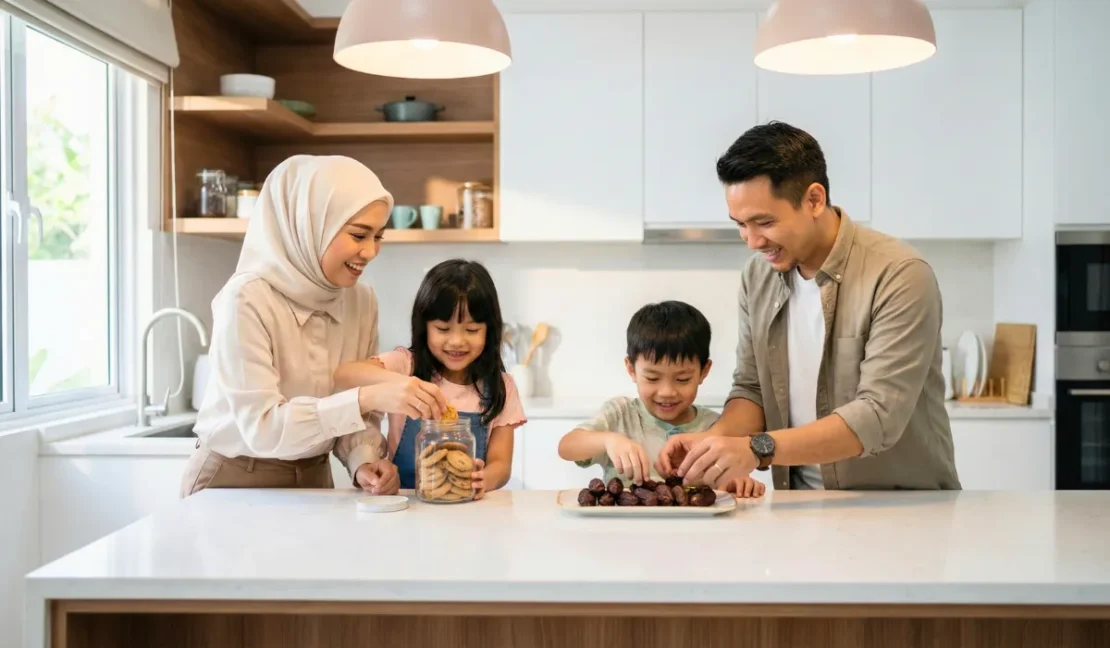
My four-year-old asked me last year why we weren’t eating lunch, and I launched into this elaborate explanation about spiritual discipline, self-control, and empathy for those less fortunate. Her eyes glazed over after about ten seconds, and then she asked if she could have a cookie. That’s when I realized I was completely overthinking how to explain Ramadan to kids. Children don’t need theological dissertations or complex spiritual concepts. They need simple, relatable explanations that connect to their everyday experiences and make sense in their little worlds.
At Apple Tree Pre-School BSD, we talk about Ramadan with our students every year, and we’ve learned what works and what absolutely doesn’t. The key to helping children understand this blessed month is meeting them at their developmental level. A toddler needs a completely different explanation than a five-year-old, and what resonates with one child might confuse another. When you explain Ramadan to kids effectively, you’re not just teaching facts about a holiday, you’re helping them connect to their faith, culture, and family traditions in meaningful ways.
The beautiful thing about children is their natural curiosity and openness to learning about the world around them. They ask “why” constantly because they genuinely want to understand. When we explain Ramadan to kids with patience, simplicity, and age-appropriate language, we plant seeds of understanding that grow throughout their lives. Let’s explore practical, tested ways to explain Ramadan to kids that actually work with real children, not just in theory.
Simple Ways To Explain Ramadan To Kids
1. Use the “Special Month” Concept
Starting with the idea that Ramadan is a special month gives children an immediate framework they understand. Kids already know about special occasions like birthdays, holidays, or family celebrations. When you explain Ramadan to kids as “our special month,” it clicks because they can relate it to other times that feel different from regular days. This approach works beautifully for children ages two to five who think in concrete, familiar terms.
Tell them that Ramadan is like having a whole month of celebration where we do special things we don’t do other times. We wake up early for a special breakfast before the sun comes up. We read more from our special book, the Quran. We’re extra kind to everyone and try our very best to be good. These tangible, observable behaviors make sense to young children in ways that abstract concepts simply don’t work.
2. Explain Fasting With Age-Appropriate Comparisons
The fasting concept confuses many children initially, especially when they see parents refusing food and water during daylight hours. When you explain Ramadan to kids, comparing fasting to things they already experience makes it less mysterious. For toddlers and preschoolers, you might say that grown-ups are practicing being patient, just like when they wait for their turn on the slide. We’re waiting for the right time to eat, which is after the sun goes down.
Older children around ages four to six can understand slightly more complex explanations about fasting. You can tell them that not eating during the day helps grown-ups remember people who don’t have enough food. It makes us thankful for what we have and reminds us to share with others. When you explain Ramadan to kids this way, you’re connecting it to empathy and gratitude, values they’re beginning to develop at this age.
Key points when explaining fasting:
- Emphasize that only grown-ups fast, children don’t have to
- Explain that it’s safe and healthy for adults
- Connect it to being thankful and remembering others
- Reassure them that parents will still take care of them
- Make it clear they can eat and drink normally
3. Connect Ramadan to Kindness and Good Behavior
Children understand kindness because they experience it daily in their interactions with family and friends. When you explain Ramadan to kids as a time when everyone tries extra hard to be nice, patient, and helpful, they get it immediately. At Apple Tree Pre-School BSD in the Educenter BSD Building, we emphasize that Ramadan is when we use our very best manners and think about others’ feelings even more than usual.
Make it concrete with examples from their daily life. During Ramadan, we share our toys without complaining. We use kind words even when we’re tired or frustrated. We help clean up without being asked. We say please and thank you every time. When you explain Ramadan to kids through behavioral expectations they can actually practice, the month becomes participatory rather than just something they observe adults doing.
Ways children can participate:
- Sharing toys and snacks with siblings and friends
- Using polite words and gentle voices
- Helping with small chores around the house
- Being patient when waiting for things
- Saying kind things to family members
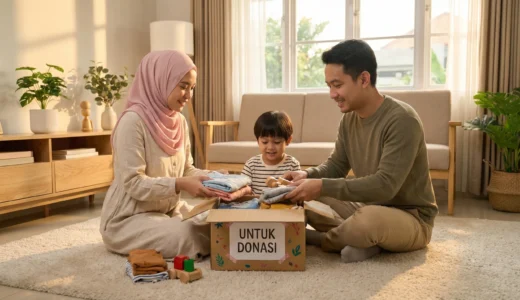
- Donating old toys to children who need them
4. Make the Moon and Calendar Visual and Exciting
The lunar calendar concept fascinates children once you present it in engaging ways. When you explain Ramadan to kids, showing them the moon and how it changes creates excitement and wonder. Go outside together each night to look at the moon, talking about how it gets bigger or smaller. Explain that Muslims follow the moon to know when special months like Ramadan start and end, making moon watching an adventure.
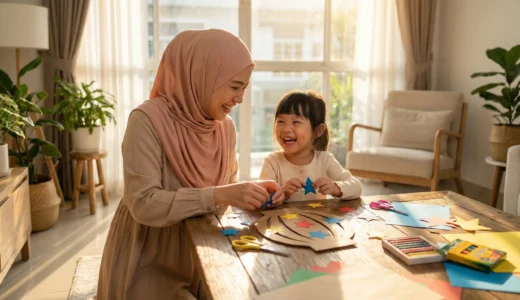
Create or buy a Ramadan calendar that children can interact with daily, similar to an advent calendar. Each day, they can mark off or open something, making the month’s progression visible and tangible. When you explain Ramadan to kids with visual aids they can touch and see, the abstract concept of 29 or 30 days becomes real and manageable. Children love counting down, and this gives them ownership of tracking Ramadan’s journey.
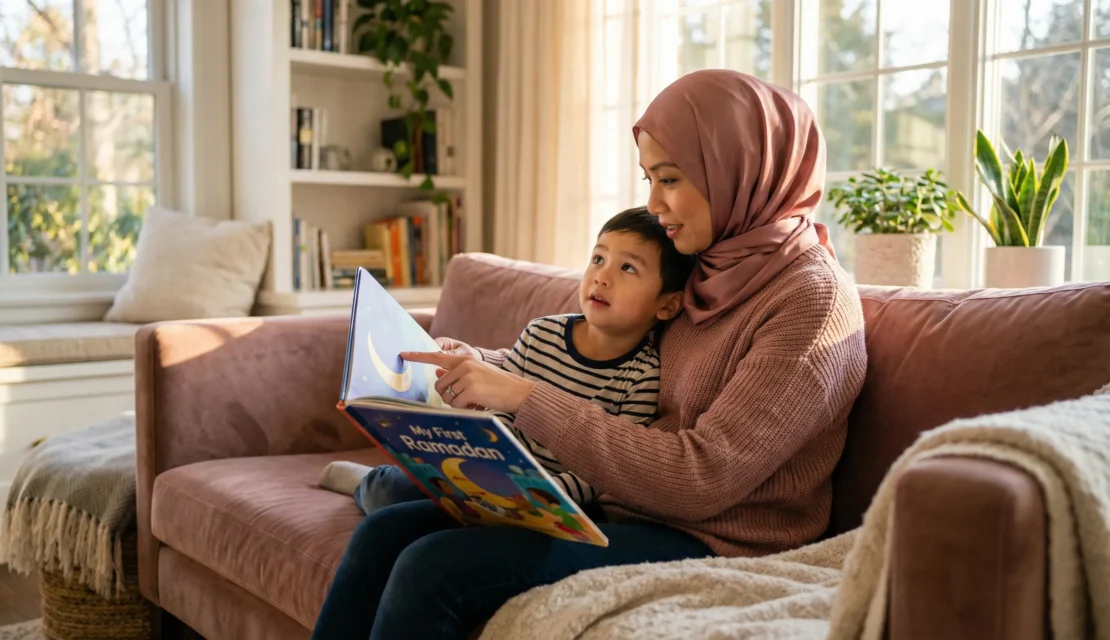
Image Source: AI
5. Teach Through Stories and Books
Stories are powerful tools when you want to explain Ramadan to kids in memorable, engaging ways. Age-appropriate books about Ramadan help children see other kids experiencing the month, making it relatable and less abstract. Read together about characters preparing for Ramadan, decorating their homes, attending special prayers, or celebrating Eid at the end. These narratives give children language and concepts to understand their own experiences.
You can also share simple stories from Islamic history or family traditions during Ramadan. Keep them short, focused, and relevant to children’s lives. When you explain Ramadan to kids through storytelling, you’re not just conveying information but creating emotional connections and memories. Stories stick in children’s minds far longer than explanations or lectures ever could, making them incredibly effective teaching tools.
6. Focus on the Celebration and Joy of Eid
Ending your explanation with the exciting celebration of Eid gives children something to look forward to throughout Ramadan. When you explain Ramadan to kids, always mention that after this special month of fasting and good behavior comes a wonderful celebration. Talk about new clothes, special foods, visiting family and friends, and receiving gifts or money. This creates positive associations with Ramadan rather than seeing it as just restriction or difficulty.
Help children understand that Ramadan and Eid together make a complete celebration, like how anticipation makes birthday parties more exciting. The waiting and preparing during Ramadan make Eid even more special and joyful. When you explain Ramadan to kids with this complete picture, they see the month as part of something bigger and more meaningful, not just a time when parents act differently.
Helpful Tips When Explaining Ramadan To Kids
Making your explanations stick requires more than just good words. How you explain Ramadan to kids matters as much as what you say. These practical tips come from years of experience helping young children understand this blessed month. Keep conversations age-appropriate, positive, and interactive for the best results with curious little minds.
Essential tips for success:
- Keep explanations short and simple, matching your child’s attention span and developmental stage
- Use lots of visuals like pictures, books, calendars, and real-life observations of the moon
- Let children ask questions freely without shutting down their natural curiosity about Ramadan
- Repeat information multiple times throughout the month as children learn through repetition
- Make it interactive by involving them in preparations like decorating or helping with iftar
- Stay positive and joyful in your tone, showing that Ramadan is something special and happy
- Connect explanations to things they already know and experience in their daily lives
- Be patient with misunderstandings as children process complex ideas at their own pace
- Include them in age-appropriate ways so they feel part of Ramadan rather than just observers
- Read books about Ramadan together regularly to reinforce concepts through stories
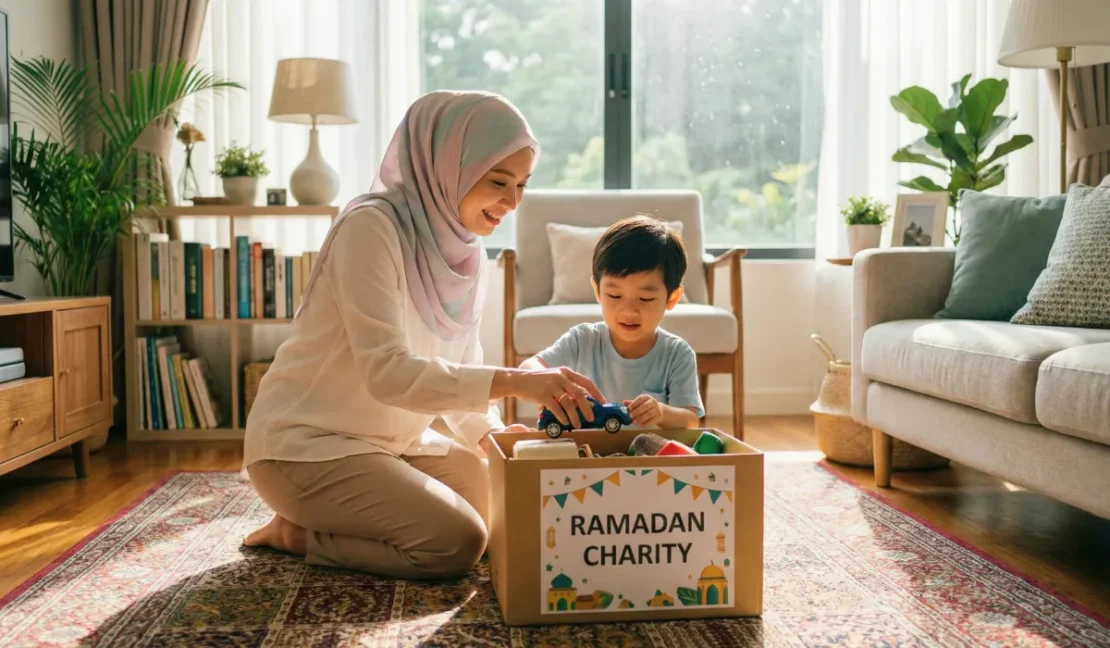
Image Source: AI
Building Understanding That Lasts
When you successfully explain Ramadan to kids in ways they understand, you’re doing more than just teaching facts about a holiday. You’re building their connection to faith, family, and cultural identity that will grow stronger as they mature. The simple explanations you give today become the foundation for deeper understanding they’ll develop throughout their childhood and beyond. Every question they ask and every concept they grasp is a building block toward meaningful participation in Ramadan as they grow older.
Remember that understanding develops gradually, not all at once when you explain Ramadan to kids. Your three-year-old might only grasp that it’s a special month when Mommy and Daddy don’t eat during the day. That’s perfectly fine and age-appropriate. Next year, they’ll understand a bit more, and the year after that, even more. Patience with their developmental process shows respect for how children actually learn and grow in their comprehension over time.
At Apple Tree Pre-School BSD, we believe that teaching children about cultural and religious traditions is part of holistic education. When we explain Ramadan to kids in our diverse classrooms, we’re helping all children develop cultural awareness and respect. Our comprehensive curriculum includes moral education and social studies that honor the diverse backgrounds of families in the BSD community, preparing children to be thoughtful, informed global citizens.
Ready to give your child an education that honors their whole identity, including faith and culture? Learning to explain Ramadan to kids effectively is just one aspect of raising well-rounded children who understand their heritage. At Apple Tree Pre-School BSD in the Educenter BSD Building, we incorporate cultural awareness, moral education, and character development throughout our Singapore-based curriculum for children aged 1.5 to 6 years.
We’d love to show you how we help children grow smart and happy while respecting and celebrating the diverse traditions that make our community special. Send us a WhatsApp message or call us at +62 888-1800-900 to learn about our programs from Toddler through Kindergarten. Come visit our classrooms and see how we combine academic excellence with values education that honors each child’s unique background. Our programs provide the perfect environment where your child can thrive academically, socially, and spiritually. Register now and give your child the gift of education that celebrates who they are. Ramadan Kareem! 🌙📚💚